TheLion
Well-Known Member
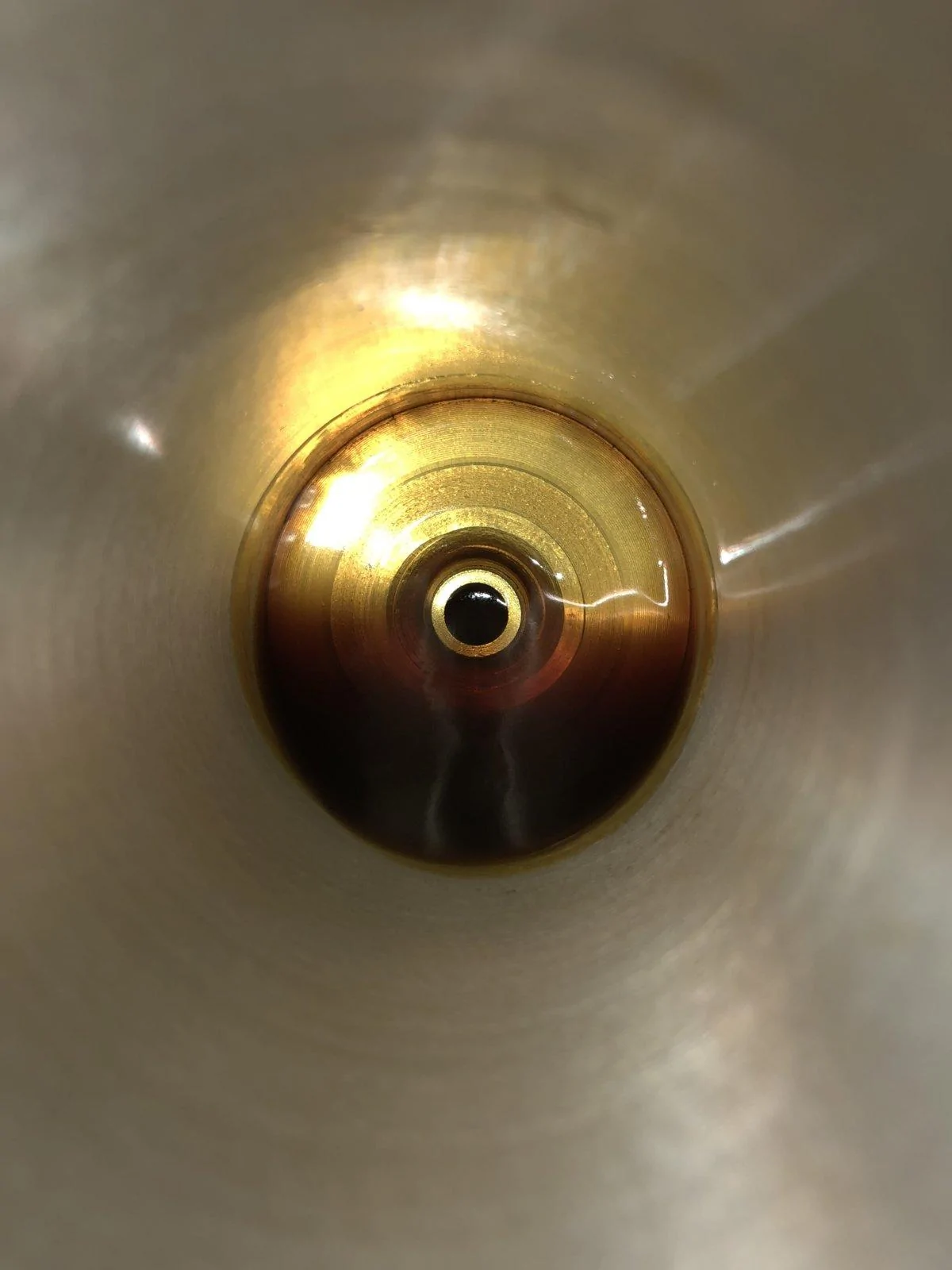
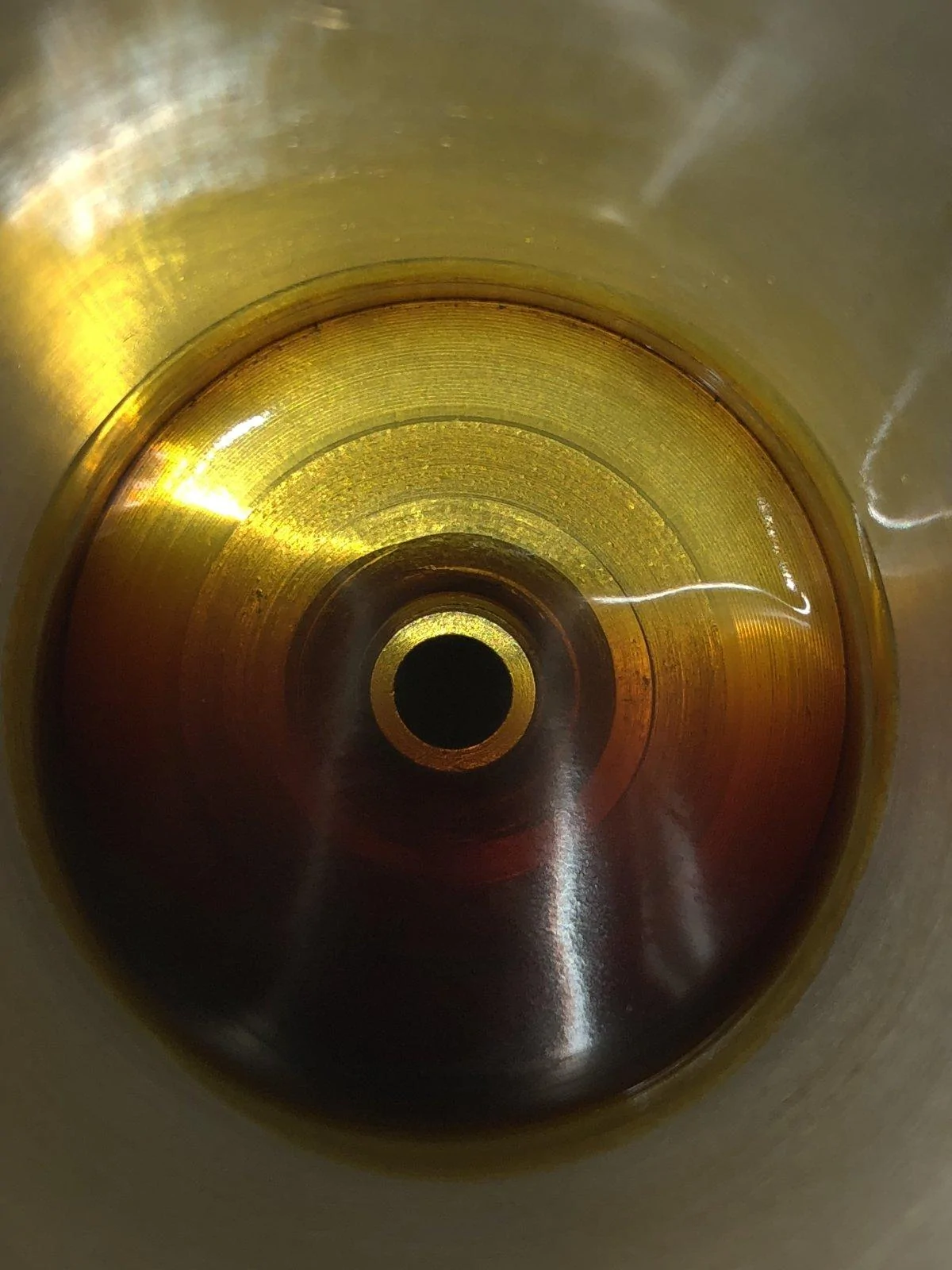
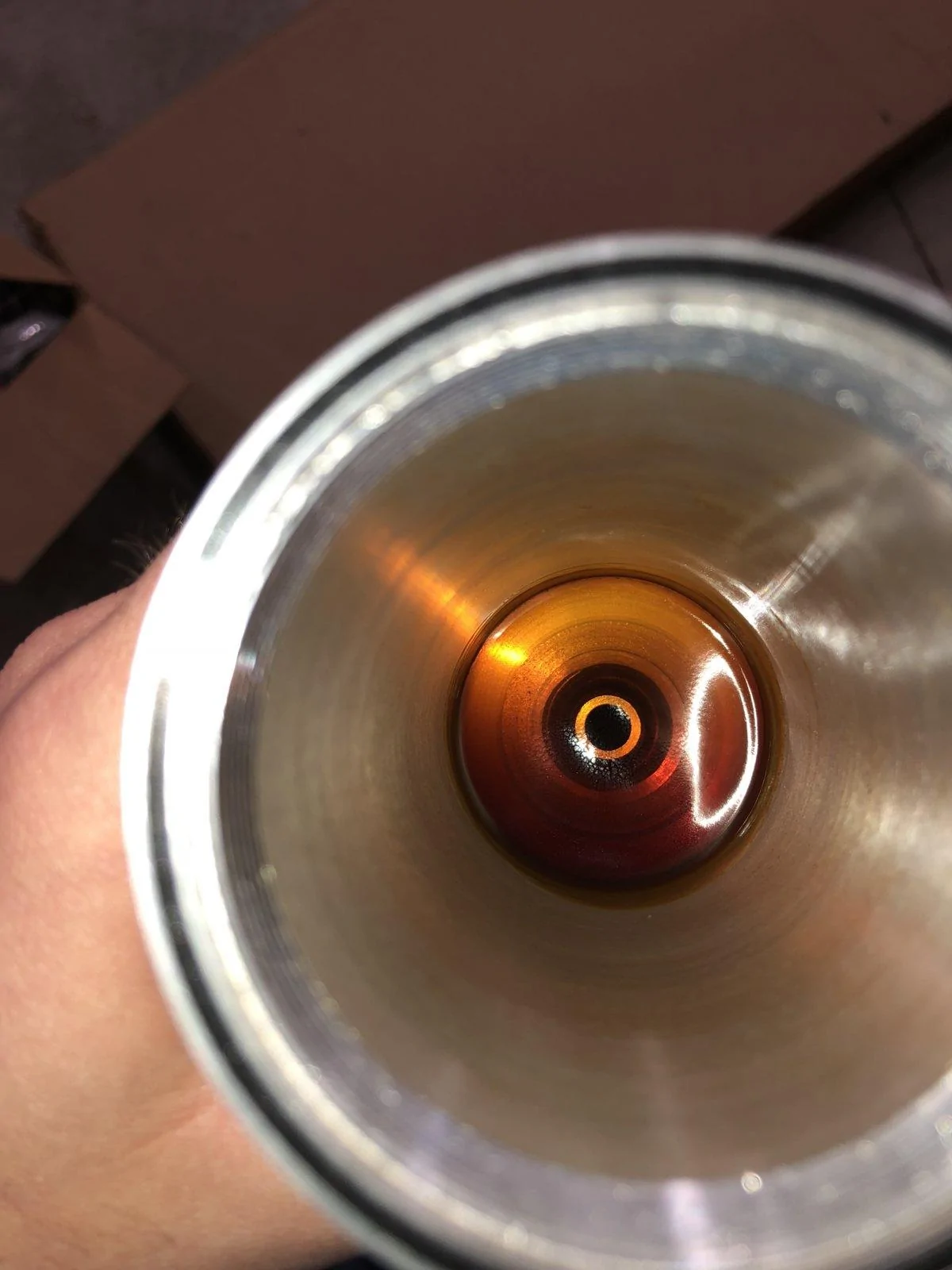
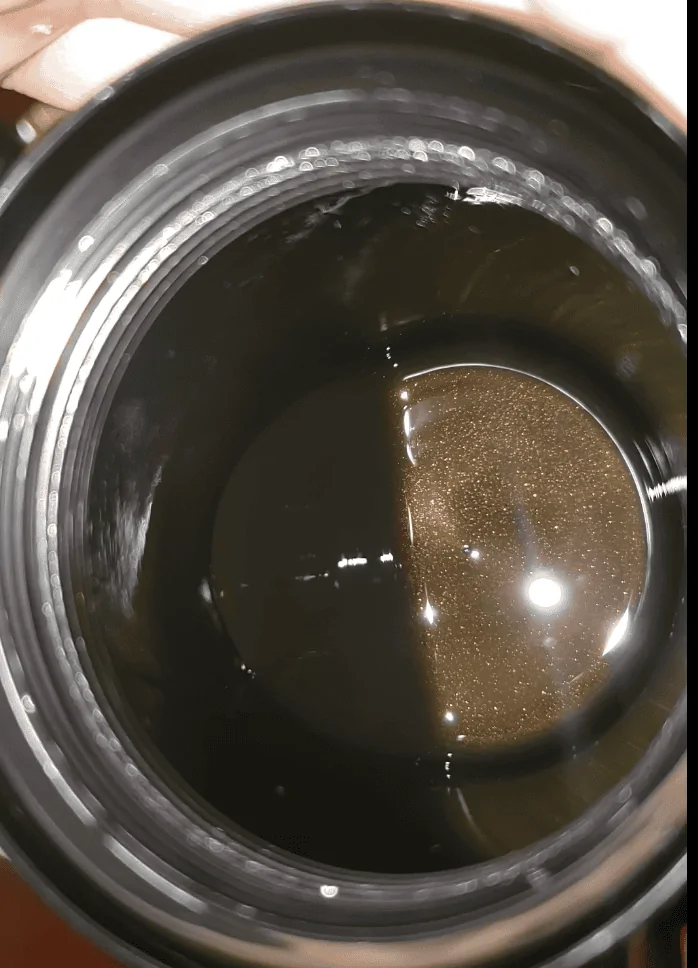
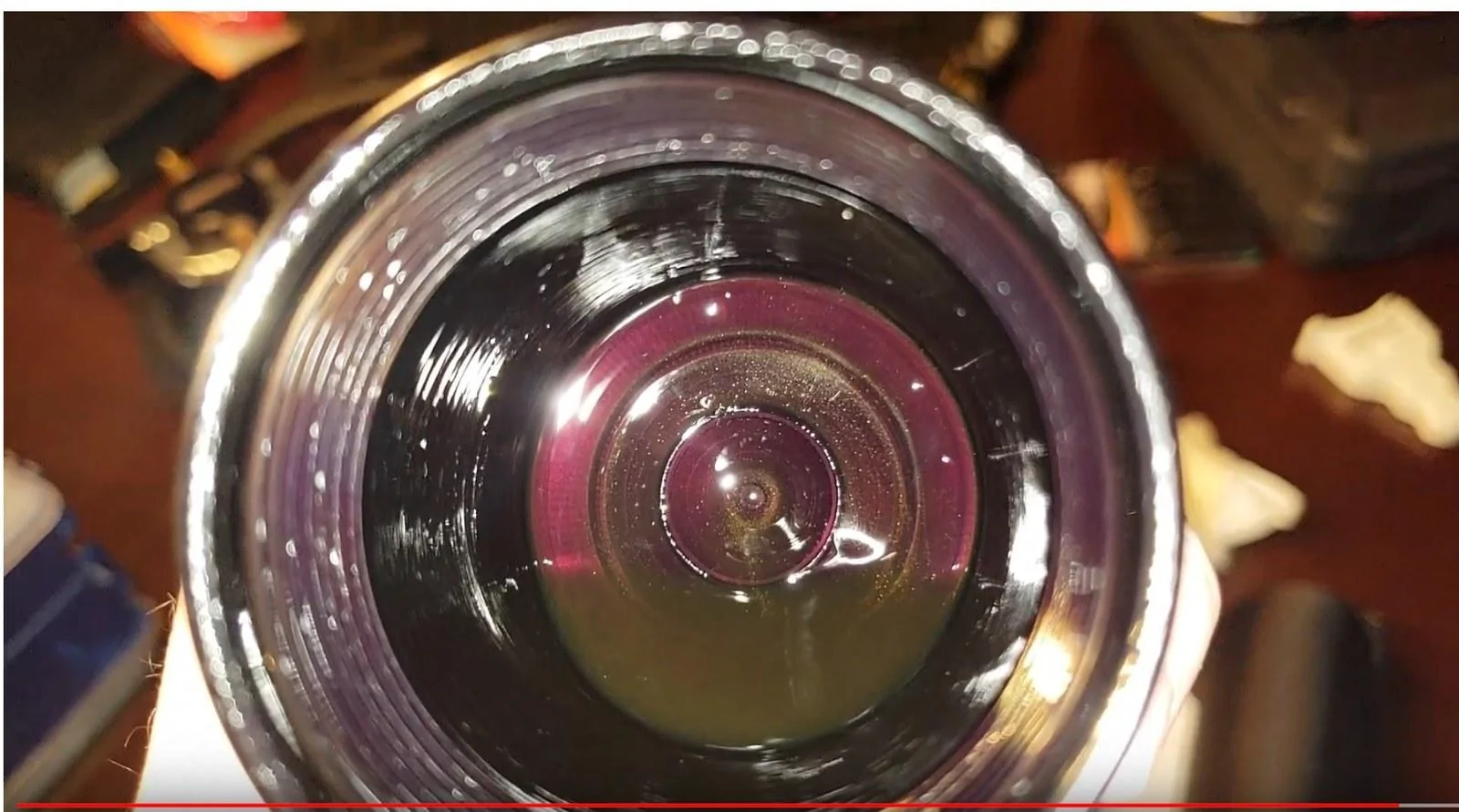
That looks exactly like mine most of the time, I say most because the amount of "metal dust" varies from interval to interval, some times a lot other times very little. I suspect it may actually be particles of zinc from the tribofilms formed by ZDDP during operation. ZDDP tribofilms form very rapidly unlike hBN (hexagonal Boron Nitride) or MSH (Magnesium Silicate Hydroxide) tribofilms which take hundreds or even thousands of miles to fully form on all wear surfaces, BUT ZDDP tribofilms also break down farm more rapidly, so they need to be replenished after every oil change.I just checked my old 2009 CTS-V's catch can that I took off after I totaled that car, it has just as much or more of that same gold metal.. That car had 93k miles on it and is a totally different engine so I do think the metal dust in catch cans is normal. Glad I have one though since I wouldnt want metal flakes to blow back through the engine.
CTS-V with Moroso can:

Mustang with JLT 3.0



I'm not sure if hBN or MSH will ever fully replace ZDDP because on a new car or when ever the film needs to be replenished, you'd have to much wear that occurs in the time it takes for hBN or MSH to form over the wear surfaces, but I could see them being used in a combined formula with much lower ZDDP, just enough to protect the motor short term until hBN or MSH forms and takes over or continued to be used as a treatment along with more conventional formulas. It's truly amazing stuff, like MoS2, but without the major issues like absorbing water and changing from a ultra low friction EP additive into an abrasive grinder. MoS2 is great, expect when exposed to moisture, so it's been limited mostly to CV joint grease. Interesting how CV joints last hundreds of thousands of miles with the same or more cycles as the engine but on a single fill of grease...
I could be wrong about the "meal dust" being ZDDP, but to me that seems like the most likely source, from the EP additive in all modern oils. It's already suspended in the oil and is in micro sized particles, some visible some below what the human eye can see.
MSH is particularly interesting because Magnesium is very similar to Zinc from an atomic standpoint, both exhibiting only one normal oxidation state and the Zn2+ and Mg2+ ions are of similar atomic size. Interesting that Magnesium Silicate Hydroxide is another EP anti-wear additive like ZDDP, but is far more durable and has a vastly superior coefficient of friction (0.02~0.01 vs. about 0.06 to 0.08).
Sponsored
Last edited:

 . I'll drop it, but we can agree to disagree on this one.