Sponsored

Cracked Cylinders

OP
OP

gilbenja

Well-Known Member
Joined
Dec 16, 2025
Threads
7
Messages
70
Reaction score
33
Location
CA
First Name
Ben
Vehicle(s)
Mustang GT 2018
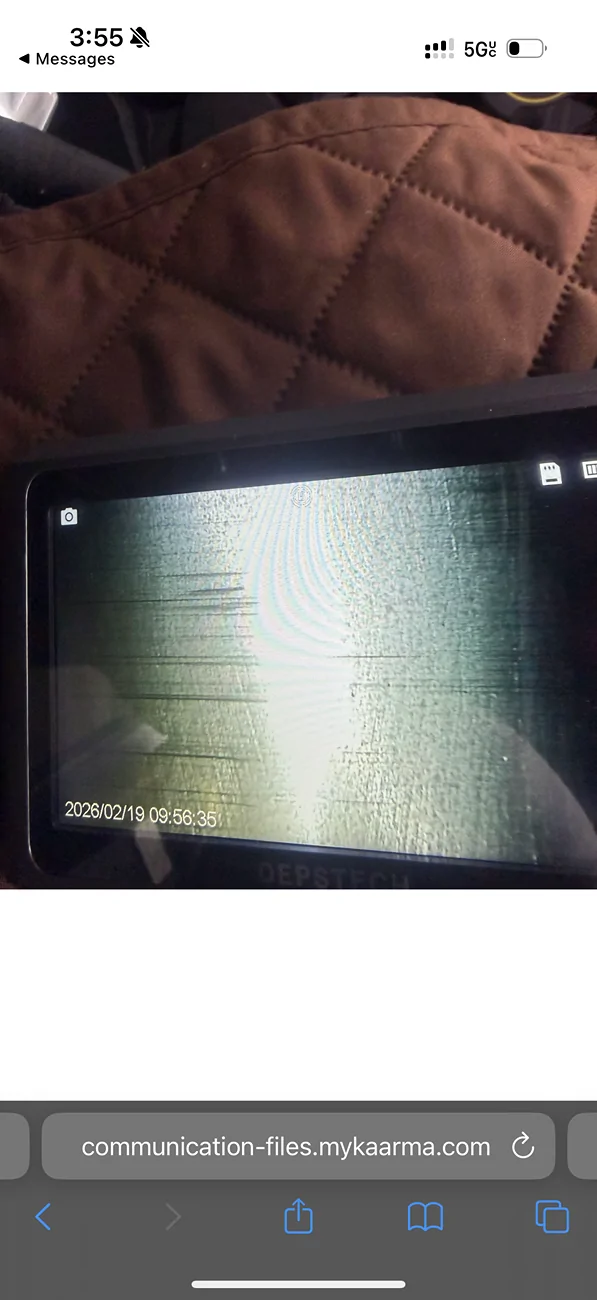
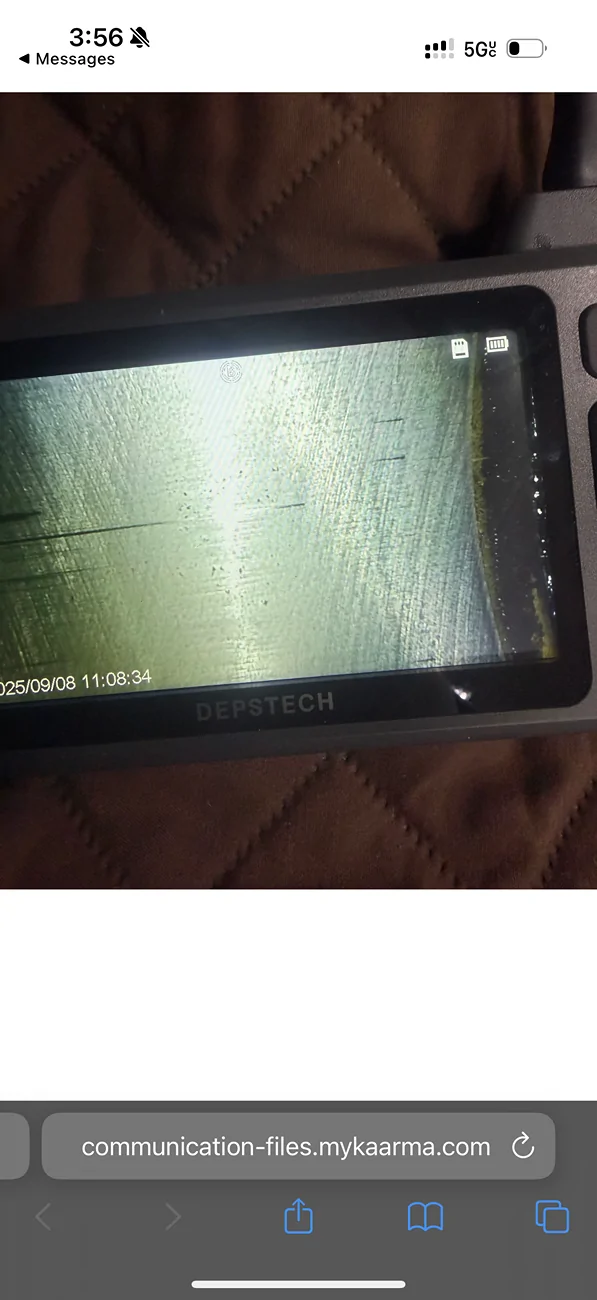
My interpretation of the lines on the cylinder walls is not one of cracks, but impact damage, a result from the pistons slapping or rattling against them. The marks have compromised the crosshatch pattern as a result. I can think of several causes, all of which involve someone not giving the engine a full warm-up before stressing it, abusing or not caring for it. Maybe the reason for the trade-in. Clear engine codes. Sell to dealer. All of which is speculation on my part.

[Edit, 22 Feb. Several have mentioned that, the lines on the cylinder walls can be quite common. While the lines could be a tell of something awry, they are not a sole indicator of a fault. Or necessarily a root cause of a larger problem. Compression tests have been recommended.

The OP indicated oil consumption has not been a issue.

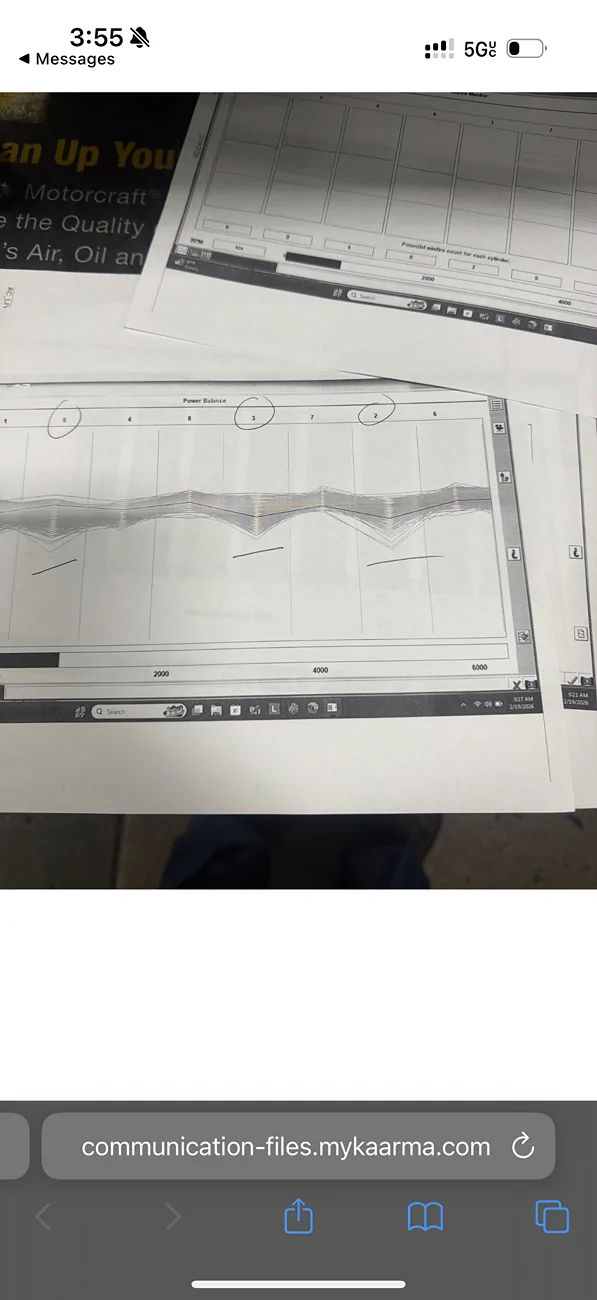
The initial wrench light was related to mis-fires. Power tests (See OP's graphs) indicate a lower-than-expected power level in three cylinders, one in-particular. A second instance of the wrench light later occurred; the codes were captured by the Ford mechanic, but are currently unknown to the OP.

Initial tests and indicators were not good. OP is awaiting the formal, complete write-up from the dealer.]

I did some queries on Zurich Plans. It reads like even their most basic plan covers engine replacement.

Best Wishes :please: on claim approval and a new engine. If you have time, please keep up updated.

https://www.zurichprotectionplandetails.com/vehicle-service-contract

https://edge.sitecorecloud.io/zuric...kh/auto/p0666198_vehicle_service_contract.pdf

Gasoline engine: all internally lubricated parts, including pistons, connecting rods and rod bearings, crankshaft and main bearings, camshaft, cam chains, timing chain, gears, tensioner and guide, variable valve timing parts, rocker arms, rocker arm pivots, valves, valve seats, valve springs, valve spring retainers, valve guides, valve push rods, hydraulic valve lifters, oil pump, oil pump drive, shaft and gears. Plus, these non-internally lubricated parts: water pump, fuel pump, valve covers, oil pan, timing belt, timing chain/belt cover, engine mounts, flywheel, flex plate, harmonic balancer, belt tensioner and idler pulley(s), intake and exhaust manifolds. Factory-installed supercharger/turbocharger. Seals and gaskets. Cylinder head, engine block and rotor housings. Fluids.
So is this a correct summary as I feel like I’m getting slightly conflicting responses here.

Would be super helpful if someone could copy / paste my write up below and respond in red.
_________________________________________________________________
___

(1) Based on the initial photos, there is scoring, however, it does not look excessive enough to say the engine needs to be replaced.

(2) The scoring is not a good sign, but (as VMS racing said) most engines he has looked at has minor scoring.

The scoring most likely is not what caused the misfire codes. Seems like most are saying the mechanic jumped the gun and this would be far down the list of checks to address my issue.

- But that being said, is this a good thing that we saw the scores? Or is this just a scare that was unnecessary as most cars have this?

- Does this mean the engine is a ticking time bomb?

- This in particular is making me feel conflicted. Seems like some are saying the engine is trash — consider selling the car after. Others seem to say it’s not a big deal so long as it is not excessive or deep scoring.

- If Ford can somehow get the insurance/warranty to approve a new engine at $0 to me, would that be worth it? After watching the videos that VMS provided, it seems like it’s a combination of the excessive wear / if it passes the following tests ….

a. Check for piston slap

b. Abnormal oil consumption

c. Smoke on start up

d. Soot in the tail pipe

(3) best course of action would be to wait for the Ford report and if they did not address these issues, have them do the following…

a. Compression and leak down test

b. Have oil filter cut open and oil examined.

c. Piston slap, oil consumption, smoke on start up, and soot in tail pipe check

(4) This dealership is very unresponsive / difficult to work with. Any form of real response has been from me walking in person -- To be fair, the rep has been telling me this could take over a week so I feel that I should not be bombarding him with a lot of questions before they even release the official statement.

- With that being said, I have found an independent shop near the dealership called ā€œPK Auto Designā€ that was recommended in this forum. They specialize in the S550 platform for tunes/wheels and tires.

(5) I will consider taking the car to PK Auto Design if this gets dragged out for more than a week with no concrete answers.

(6) Can anyone opine is this holds any weight or relevance to the situation -> My car was sitting in the parking lot the last two visits to the dealership. The car was not on a lift or even in the service shop. Not sure if they are trying to look for an angle to use my warranty or if they are just backed up and not putting my car on high priority.

(7) Last bit of detail. Car was driving fine for 800 miles. First check engine light came on, P0300, and cleared itself. Drove the car the next day, and after stepping on it or flooring the gas pedal, and there was strange noise coming from the mid section or exhaust of the car. It sounded like a piece of plastic was flapping in the rear. Almost sounded like exhaust burbles or backfires but not in a good way. This was what I initially heard inside the cabin with the windows rolled up. After that, I decided not to drive the car hard and shortly after, another flashing check engine light came on - which then turned into a solid check light which is on the dash now.
Sponsored

 
Last edited:
Skye

Well-Known Member
Joined
Jan 18, 2022
Threads
13
Messages
2,907
Reaction score
4,079
Location
ā‰ˆ39N
Vehicle(s)
"Skye" Mach1 N2144
I apologize if I led you astray with my previous post. From the comments received from those with direct experience, the marks on the cylinder walls are somewhat common. By themselves, they are not indicative of a problem.

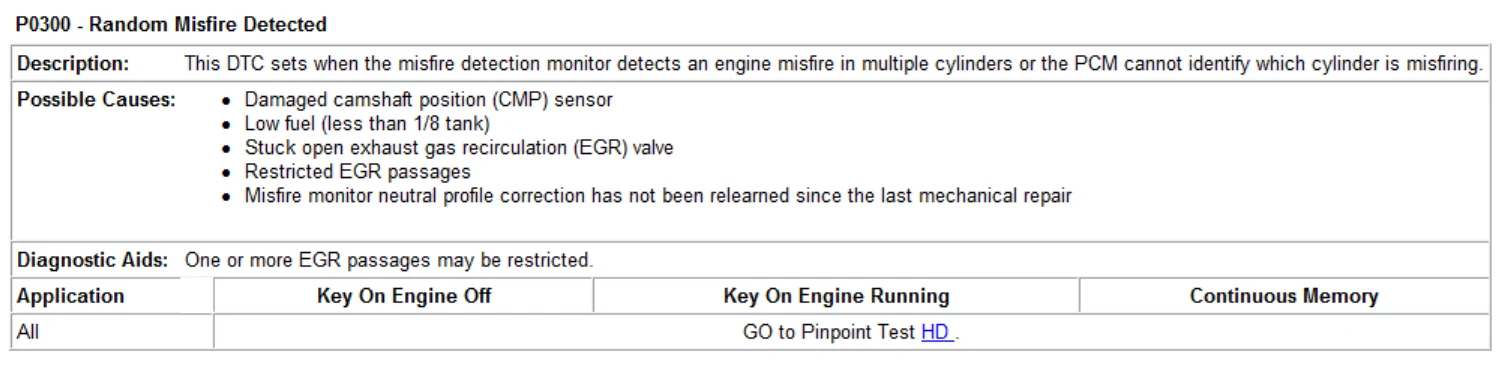
This morning, I went back to the performance charts you posted in the beginning. Three cylinders appeared to be performing below par, one cylinder especially.

Running a compression test on all cylinders would help in confirming the physical health of each bore. If they test well, great. Nothing had to be disassembled further. If one or more test poorly, I'd be interested if those correlate to the performance chart.

If a compression test is done, using the borescope again, I'd like to know what the valve areas look like, what the piston tops look like. Large amounts of oil deposits could lead them to one or more cylinders contributing to the mis-fire.

To simplify things as much as possible, I'd ask them what's going on with the one cylinder that's performing the worst in the charts given. Compression test, bore scope, swap coil pack, check wiring, etc., of that one cylinder. What would those tests show? What would that lead them to?

------------The attached PDF will show my answers to the following in red-----------

(1) Based on the initial photos, there is scoring, however, it does not look excessive enough to say the engine needs to be replaced.

I agree. Those who regularly work on these engines have confirmed they can be somewhat common.

(2) The scoring is not a good sign, but (as VMS racing said) most engines he has looked at has minor scoring.

It seems by themselves it's not an "ah ha" moment. If the engine is otherwise working correctly, note them and press on.

The scoring most likely is not what caused the misfire codes. Seems like most are saying the mechanic jumped the gun and this would be far down the list of checks to address my issue.

- But that being said, is this a good thing that we saw the scores? Or is this just a scare that was unnecessary as most cars have this?

I think it's good we have the data we do. But we can also set that aside and ask for more tests.

- Does this mean the engine is a ticking time bomb?

No. I don't feel there's enough data to determine that. You're getting a re-occurring wrench light. Why is that happening?

- This in particular is making me feel conflicted. Seems like some are saying the engine is trash — consider selling the car after. Others seem to say it’s not a big deal so long as it is not excessive or deep scoring.

I was wrong before. The scoring by itself can be somewhat common. Setting those photos aside, I think it's best to return to the re-occurring wrench light and the performance graphs shown in your initial posts. Why does the code continue? The three cylinders were highlighted? How far from spec are they operating? What could cause that?

- If Ford can somehow get the insurance/warranty to approve a new engine at $0 to me, would that be worth it? After watching the videos that VMS provided, it seems like it’s a combination of the excessive wear / if it passes the following tests ….

a. Check for piston slap

b. Abnormal oil consumption

c. Smoke on start up

d. Soot in the tail pipe

If A-D are not showing, that's good. Even more reason to discount the scoring and return to the codes being received.

(3) best course of action would be to wait for the Ford report and if they did not address these issues, have them do the following…

a. Compression and leak down test

b. Have oil filter cut open and oil examined.

c. Piston slap, oil consumption, smoke on start up, and soot in tail pipe check

Compression test: Yes. While at it, borescope cylinder head/valve area and top of piston. Spark plugs. What do those look like? Is one or more cylinder showing signs the others aren't?

Oil Filter: I'm not sure that's an issue? If A-D earlier are not showing tells, I'm not sure you'd gleam any data from that. It's a simple job. But if A-D are OK, maybe put this aside until you see other physical damage.

Oil consumption and smoke would take some more time. The tests are worthwhile. Maybe do compression and other tests, save the data, t-shoot the wrench light, the do consumption, smoke and soot when the car is returned. Ford's procedure involves marking the stick and checking oil levels until one quart is consumed; that could take a while or never happen.

(4) This dealership is very unresponsive / difficult to work with. Any form of real response has been from me walking in person -- To be fair, the rep has been telling me this could take over a week so I feel that I should not be bombarding him with a lot of questions before they even release the official statement.

- With that being said, I have found an independent shop near the dealership called ā€œPK Auto Designā€ that was recommended in this forum. They specialize in the S550 platform for tunes/wheels and tires.

I'd stick with the dealer for now. With the phone, you never know what's going on in the other end. Mondays, Fridays and days preceding holidays can be very busy. Taking a seat or standing in their area, they know your interested and you're not going anywhere until things move forward.

Ford work is divided into two groups: general techs and specialists. The specialists can be backed up. They are few. The work they do can be time-consuming. When considering engine replacement and warranty, a specialist would be used.

(5) I will consider taking the car to PK Auto Design if this gets dragged out for more than a week with no concrete answers.

This could be helpful. It depends on environment, how well things are going. I'd be careful though. Ford could use it as an avenue to wash their hands of any warranty support. If you go to PK, I'd ask them to do non-destructive diagnostic work only. Ford will still want to do their own tests.

(6) Can anyone opine is this holds any weight or relevance to the situation -> My car was sitting in the parking lot the last two visits to the dealership. The car was not on a lift or even in the service shop. Not sure if they are trying to look for an angle to use my warranty or if they are just backed up and not putting my car on high priority.

They could be waiting on the specialists. We've had some threads previously where people were waiting weeks for someone. It depends on the dealer. It's unfortunate.

(7) Last bit of detail. Car was driving fine for 800 miles. First check engine light came on, P0300, and cleared itself. Drove the car the next day, and after stepping on it or flooring the gas pedal, and there was strange noise coming from the mid section or exhaust of the car. It sounded like a piece of plastic was flapping in the rear. Almost sounded like exhaust burbles or backfires but not in a good way. This was what I initially heard inside the cabin with the windows rolled up. After that, I decided not to drive the car hard and shortly after, another flashing check engine light came on - which then turned into a solid check light which is on the dash now.

Given the sounds, the area of the sounds and the light, I can think of several things. Poorly-fitting exhaust, catalytic converter problem, O2 sensor or wiring, etc. It's another tell something isn't right. If you haven't documented that event with the dealer, do that. And then ask them for a physical inspection of the exhaust; it might offer clues as they t-shoot.
 

Attachments

Last edited:

sk47

Well-Known Member
Joined
Nov 12, 2020
Threads
32
Messages
6,806
Reaction score
3,156
Location
North Eastern TN
First Name
Jeff
Vehicle(s)
Chevy Silverado & Nissan Sentra SE
Hello; I have been keeping freshwater tropical fish since 1959. I joined a fish forum in 2011. People new to that forum have complained about getting conflicting information. I had decades of experience before I got on the fish site so already had made tons of mistakes and could sift out the BS. My advice to those newbies applies to you in this case.
Somehow pick who you will follow and stick with them. I do not have a yardstick for you.

One more thought. My truck was down for three months a few years ago. The problem was immediately known -mice chewing the wiring. Took around two weeks to actually fix it. The other two and a half months it sat waiting for a tech to get around to it.
 

sk47

Well-Known Member
Joined
Nov 12, 2020
Threads
32
Messages
6,806
Reaction score
3,156
Location
North Eastern TN
First Name
Jeff
Vehicle(s)
Chevy Silverado & Nissan Sentra SE
Drove the car the next day, and after stepping on it or flooring the gas pedal, and there was strange noise coming from the mid section or exhaust of the car. It sounded like a piece of plastic was flapping in the rear. Almost sounded like exhaust burbles or backfires but not in a good way. This was what I initially heard inside the cabin with the windows rolled up. After that, I decided not to drive the car hard and shortly after, another flashing check engine light came on - which then turned into a solid check light which is on the dash now
Hello; this noise is new information not known by us on the thread before. I do not know how to interpret it. Same with the scoring of the cylinders to a degree. May be significant. May not be significant.

I think I am safe in saying you do not want scored cylinders at all. Best to have clean cylinder walls with nice cross hatching. Among other questions a specific question becomes how significant the scratches & scoring are.
One answer i am confident about is the scoring will not "heal up". May get worse over time depending on factors I can only guess about. An issue with the scratches is when the piston travels up and down in the cylinder bore there are small gaps (the scratches) as the rings slide past. High pressure combustion will blow past in those scratches in one direction and some of the oil film gets sucked by in the intake stroke. The engine will run and could run a long time if the scratches are not too deep. You will need to carry a jug of oil around if the scratches are not too bad.

Running a compression test on all cylinders would help in confirming the physical health of each bore. If they test well, great. Nothing had to be disassembled further. If one or more test poorly, I'd be interested if those correlate to the performance chart.

If a compression test is done, using the borescope again, I'd like to know what the valve areas look like, what the piston tops look like. Large amounts of oil deposits could lead them to one or more cylinders contributing to the mis-fire.

To simplify things as much as possible, I'd ask them what's going on with the one cylinder that's performing the worst in the charts given. Compression test, bore scope, swap coil pack, check wiring, etc., of that one cylinder. What would those tests show? What would that lead them to?
hello; Syke laid it out well. A compression test essentially compares the soundness of all the cylinders against each other. The compression gauge is screwed into a spark plug hole and the engine is cranked several turns by the starter. ( I always have all the spark plugs out for this) The pressure built up shows on the gauge. 120 psi is an example. Then the gauge is moved to the next cylinder and cranked. Then the next until reading are taken from all eight. A good engine will have readings fairly close to each other.
If one or more cylinders show significant lower pressure readings something can be wrong. A bent valve. Excessive wear of parts. broken rings. and more.
Even excessive scoring in that cylinder. This is where i confuse the issue a bit so mentally file it away in the background for now. I think the cylinders of your engine are "plasma lined". Skipping the details of plasma lining, the point is the lining is very thin. if any one of the scratches is thru that thin lining such is very serious.
So, what is the point of the above. Scored cylinders are not necessarily an engine killer. Not ideal but not worth replacing an engine if the scratches are mild. That said if somehow you can get a new engine on someone else's dime, then go for it.
If the cost of a replacement engine is on your dime and the misfire is found to be in the spark system or fuel system or some other system and can be fixed at a reasonable price then maybe live with the scoring.
I am guessing but seem to recall a replacement engine is tens of thousands of dollars.

Good luck
 

dog___fighter

Member
Joined
May 25, 2024
Threads
1
Messages
7
Reaction score
1
Location
Orlando
First Name
James
Vehicle(s)
2020 PP2
I had this exact thing come up in my car a few months ago, check my threads and you'll see. My solution was doing nothing and continuing to beat on it. Nothing has happened so far.
 

Sponsored

Robottrainer

Well-Known Member
Joined
Apr 25, 2021
Threads
79
Messages
992
Reaction score
421
Location
Canada
First Name
John
Vehicle(s)
2018 Ford Escape. 2020 Jeep Cherokee. 2021 Ford Mustang GT Stage 2 Roush

Gilberjj

Well-Known Member
Joined
Jan 10, 2026
Threads
8
Messages
98
Reaction score
238
Location
Vancouver, WA
First Name
Jorgen
Vehicle(s)
2016 GT350R Base
(7) Last bit of detail. Car was driving fine for 800 miles. First check engine light came on, P0300, and cleared itself. Drove the car the next day, and after stepping on it or flooring the gas pedal, and there was strange noise coming from the mid section or exhaust of the car. It sounded like a piece of plastic was flapping in the rear. Almost sounded like exhaust burbles or backfires but not in a good way. This was what I initially heard inside the cabin with the windows rolled up. After that, I decided not to drive the car hard and shortly after, another flashing check engine light came on - which then turned into a solid check light which is on the dash now.
That clearly sounds like a misfire to me. Either a fueling or ignition issue. IDK why that would be directly caused by scored or cracked cylinders...
 

Gilberjj

Well-Known Member
Joined
Jan 10, 2026
Threads
8
Messages
98
Reaction score
238
Location
Vancouver, WA
First Name
Jorgen
Vehicle(s)
2016 GT350R Base
And sorry to hear about all your bad luck so far... First you got a bad car that you sent back and now you have potentially catastrophic damage to your replacement car! That sucks!
 

Joe Gonsalves

Well-Known Member
Joined
Aug 15, 2024
Threads
2
Messages
390
Reaction score
499
Location
East Coast, US
First Name
Joe
Vehicle(s)
2021 Mustang GT/CS, 2011 Mustang, 1983 Mustang 5.0, 1969 Mustang Mach 1 428 CJ
I would look at the injectors. Dirty or stuck injectors could explain a lot of the symptoms described including the cylinder scoring.
 
OP
OP

gilbenja

Well-Known Member
Joined
Dec 16, 2025
Threads
7
Messages
70
Reaction score
33
Location
CA
First Name
Ben
Vehicle(s)
Mustang GT 2018
I would look at the injectors. Dirty or stuck injectors could explain a lot of the symptoms described including the cylinder scoring.
So is it possible I caused the cylinder scoring under my ownership?
 

Sponsored

sk47

Well-Known Member
Joined
Nov 12, 2020
Threads
32
Messages
6,806
Reaction score
3,156
Location
North Eastern TN
First Name
Jeff
Vehicle(s)
Chevy Silverado & Nissan Sentra SE
Dirty or stuck injectors could explain a lot of the symptoms described including the cylinder scoring.
So is it possible I caused the cylinder scoring under my ownership?
Hello; I would restate it to be is it possible the scoring happened while you owned the car. I do not see, based on posts so far, how you caused the scoring.
Let me give my take on how a "stuck" injector could lead to scoring. Let's pretend all injectors are the same for a discussion. They are essentially on or off when functioning properly. The cars computer decides to open an injector and to close it. Squirting a dollop of metered fuel when on. No fuel at all when closed.
There is another thing in play all the time. That being the fuel rail which carries fuel to the injectors has to be pressurized to around 60psi for port injection. (more for direct injection but let's avoid that for now) The pressurized fuel can leak out when it should not if an injector is damaged/stuck open/dirty or some such. That can mean too much fuel is being injected into the cylinder. The extra fuel can do a couple of things at least.
One thing the fuel can do is to get past the rings and wash the oil film off the cylinder walls. low oiling can allow metal to metal contact and cause scoring. Another is to dilute the engine oil.

A stuck injector ought to cause other issues. For example, rough running at startup. This happens on my old Sentra if I start the engine and then shut it off before it warms up. The engine is in cold start mode, and the computer is allowing extra fuel and keeping the RPM's high for a while. When i shut it off too quick the extra fuel is left in a cylinder or two. When i start it up later the engine will stumble and run rough for a bit until the cylinders clear. I have learned to always let it run till the RPM's drop some below 1000 RPM, then shut it off.

I am not positive about this but imagine getting on the throttle before the engine is warmed up can cause scoring. Ideally you do not run an engine hard until warmed up. It is OK to drive after a cold start but not hard and keep the revs down some.
 
OP
OP

gilbenja

Well-Known Member
Joined
Dec 16, 2025
Threads
7
Messages
70
Reaction score
33
Location
CA
First Name
Ben
Vehicle(s)
Mustang GT 2018
Hello; I would restate it to be is it possible the scoring happened while you owned the car. I do not see, based on posts so far, how you caused the scoring.
Let me give my take on how a "stuck" injector could lead to scoring. Let's pretend all injectors are the same for a discussion. They are essentially on or off when functioning properly. The cars computer decides to open an injector and to close it. Squirting a dollop of metered fuel when on. No fuel at all when closed.
There is another thing in play all the time. That being the fuel rail which carries fuel to the injectors has to be pressurized to around 60psi for port injection. (more for direct injection but let's avoid that for now) The pressurized fuel can leak out when it should not if an injector is damaged/stuck open/dirty or some such. That can mean too much fuel is being injected into the cylinder. The extra fuel can do a couple of things at least.
One thing the fuel can do is to get past the rings and wash the oil film off the cylinder walls. low oiling can allow metal to metal contact and cause scoring. Another is to dilute the engine oil.

A stuck injector ought to cause other issues. For example, rough running at startup. This happens on my old Sentra if I start the engine and then shut it off before it warms up. The engine is in cold start mode, and the computer is allowing extra fuel and keeping the RPM's high for a while. When i shut it off too quick the extra fuel is left in a cylinder or two. When i start it up later the engine will stumble and run rough for a bit until the cylinders clear. I have learned to always let it run till the RPM's drop some below 1000 RPM, then shut it off.

I am not positive about this but imagine getting on the throttle before the engine is warmed up can cause scoring. Ideally you do not run an engine hard until warmed up. It is OK to drive after a cold start but not hard and keep the revs down some.
Since it was a new to me car, I was ā€œbabying itā€. Every start up, I waited for rpms to drop to 800/900. Didn’t go above 3k rpms till the engine oil said 190 degrees.

I did however drive the car a little to test after the first check engine dissapeared on it own. When I hit the throttle hard, heard strange noises. Would suck if that’s what caused it.
 

robvas

Well-Known Member
Joined
Nov 18, 2023
Threads
15
Messages
3,483
Reaction score
3,272
Location
MI
Vehicle(s)
2011 GT
You'd have other problems if you had a stuck injector

Let's see borescope pictures of the top of each piston

An oil analysis will tell you if you have fuel in the oil


Top