Sponsored

BBQ Tick Solved?

GT Pony

Well-Known Member
Joined
Mar 13, 2015
Threads
77
Messages
9,402
Reaction score
4,839
Location
Pacific NW
Vehicle(s)
2015 GT Premium, Black w/Saddle, 19s, NAV
I think the question is, for those of us who drive daily and spirited on occasion... do we really need a catch can?
I think it also depends on how tight your motor is ... meaning how much blow-by it has. You will never know unless you put a catch-can on and monitor it. My viewpoint is a catch-can isn't really hurting anything, and regardless of how much it catches, it's still a good thing to keep any oil out of the intake manifold. If someone doesn't think they are worth it, that's fine ... don't buy one.
Sponsored


Stormtroopin5.0

Well-Known Member
Joined
May 29, 2018
Threads
2
Messages
55
Reaction score
18
Location
Indiana
Vehicle(s)
‘22 Mach 1 on order; ‘18 Mustang GT (sold)
Before writing home regarding this whole metallic "debris" in my catch can I would wipe & clean the threads on the can prior to reinstalling and check again when opening it back up. Anything metal on metal will produce shavings and the fact you mentioned it didn't seem magnetic leads me to believe it is related to your aluminum catch can rather than bearing material. What doesn't make any sense would be bearing material not showing up in your oil & oil filter but being caught in your catch can. Riddle me that batman.
 

GT Pony

Well-Known Member
Joined
Mar 13, 2015
Threads
77
Messages
9,402
Reaction score
4,839
Location
Pacific NW
Vehicle(s)
2015 GT Premium, Black w/Saddle, 19s, NAV
What doesn't make any sense would be bearing material not showing up in your oil & oil filter but being caught in your catch can. Riddle me that batman.
If there is no metal debris of any kind trapped in the oil filter, but there is metal debris in the catch-can, then obviously the metal in the catch-can came from the catch-can.

Dissecting the oil filter is the best way to monitor the engine for abnormal engine wear. I cut the oil filter open (with an oil filter cutter so as to no contaminate it) after every oil change and take a look.
 
OP
OP
stangman638

stangman638

Well-Known Member
Joined
Sep 23, 2018
Threads
44
Messages
689
Reaction score
229
Location
USA
Vehicle(s)
2019 GT350 Velocity Blue
Before writing home regarding this whole metallic "debris" in my catch can I would wipe & clean the threads on the can prior to reinstalling and check again when opening it back up. Anything metal on metal will produce shavings and the fact you mentioned it didn't seem magnetic leads me to believe it is related to your aluminum catch can rather than bearing material. What doesn't make any sense would be bearing material not showing up in your oil & oil filter but being caught in your catch can. Riddle me that batman.
Do I look like an Ahole to you? LOL

Seriously, read what we both stated prior.

We don't know about what is in the filter, thats jumping ahead., we do know there is metal in a can that wasn't there the previous 5 times it was emptied.
 

TheLion

Well-Known Member
Joined
Jul 1, 2016
Threads
68
Messages
1,621
Reaction score
601
Location
US
Vehicle(s)
Ruby Red 2016 Mustang GT PP 6-MT
By the way I wanted to note something in case anyone else experiences this. Ever since installing the JLT3.0 I noticed a metallic dust in the catch can. Seems to vary in how much, some times there's a lot and other times there's very little. It may correlate to hard use or it may not. And it's not a one time thing, I've emptied the can about 5 times now every 1k miles and some is there each time, a few times almost none was in there, while others quite a bit. So it cannot be from the threads or the filter element as many believed.

I have the black anodized version, so any wear on the threads is visible as the anodizing wears off the surface, and my can's threads are pretty darn clean looking, only one or two little spots that are shiny aluminum due to a burr on the threads. Black cans also make it easier to see the "metal dust" or "fairy dust" as its been coined.

The JLT3.0 uses a fine mesh screen filter and honey comb, so there's nothing up in the filtering area to really "shed debris" either. Also if it was from the machining process of the can it would be a one or two time thing. This occurs nearly every time the can fills up. So either my 5.0 is going to die (hard to believe considering how well it's running and how many miles are already on it) or it's from the oil itself.

I'm also running TriboTEX MSH surface reconditioner in the Diesel concentration (2 grams of MSH), which has about 2,000 miles on it now, so the DLC tribofilm should be well formed now on all wear surfaces where boundary, mixed and elastohydrodynamic lubrication occurs.

The dust accumulation in the catch can was there before and after TriboTEX and hasn't seemed to change in the amount, but has been something I've kept an eye on. I did some digging and found these threads with completely different engines noticing the same exact thing and it's not a one time occurrence in any of them either, it's repeated occurrences and varies:

https://www.corvetteforum.com/forum...ert-do-you-have-fairy-dust-in-your-oil-4.html

https://www.cherokeesrt8.com/forums/5-wk1-srt8-general-discussion/20400-metal-dust-catchcan.html

http://www.clubcobra.com/forums/all-cobra-talk/137586-fine-metal-particles-pcv-catch-can.html

https://www.challengertalk.com/forums/f5/metal-catch-can-40563/

https://www.challengerforumz.com/threads/catch-can-oil-now-with-metal-shavings.67107/

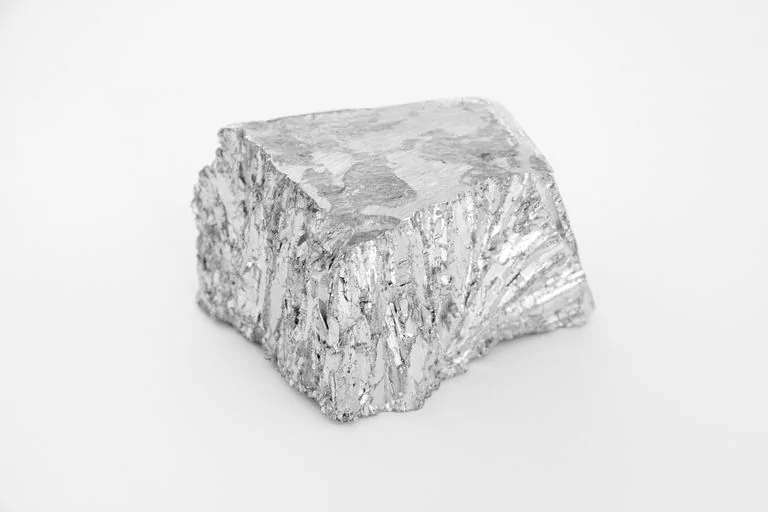
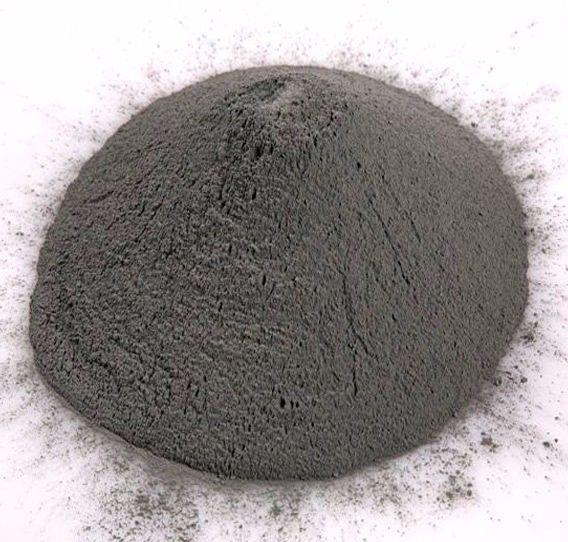
What is the primary anti-wear additive in motor oil? Zinc Dialkyldithiophosphate (ZDDP), which is Zinc bound to the anion of a dialkyldithiophosphoric acid. What does pure zinc look like? Like this:
zinc-mine-nugget-155360569-575d8ba43df78c98dc50fbb4.webp


Or this:

s-l640.jpg


So, what's that "fairy dust" or "gold dust" as it's been coined in the catch can? I believe it to be zinc that has decomposed and separated from the metal surfaces due to heat and pressure or possibly being pulled out of suspension in vaporized oil that is now chemically broken down (that which is in the catch can). The tribofilms formed by ZDDP on load surfaces form much more rapidly than something like hBN or MSH tribofilms, but they also break down much more rapidly as well and the ZDDP DLC needs to be re-applied with every oil change, hence why your motor oil uses ZDDP in various forms.

It's possible in my case that TriobTEX may increase the zinc formation as it's taking the place of the function of zinc as an anti-wear additive in the oil, so the ZDDP is no longer forming tribo-films on the surfaces due to the presence of MSH films, hence I'd expect my oil to contain an unusally high concentration of zinc which normally would be used up more rapidly over the oils service life and the oil depleted of zinc towards the end of it's life. So instead of bonding to the bearing surfaces and forming a sacrificial tribofilm, it's just sitting in the oil unused.

In one of the threads above, a vette owner with a lot of the "fairy dust" (the corvette one looks about like mine as far as how much) also had Used Oil Analysis done which came back with stellar results from BlackStone, more or less they said wear analysis showed very low engine wear rates that would not indicate any issues. This further backs up the theory of the "fairy dust" as being zinc from the motor oil. His car was frequently beat on in Auto X and with over 19,000 miles on it already.

Almost all of the rod bearing failures I've seen occur within a few thousand miles unless some one installs a big power adder like a super charger and then throws a rod bearing. Other than that, if it's gonna blow it blows sooner rather than later after tens of thousand of miles of use.

Keep in mind this "metallic dust" is always non-magnetic in all of the cited examples above, mine included. So unless the rod bearings or pistons are just wearing away rapidly (I'd imagine 22k miles of frequent WOT and high RPM use would have spun one by now and dropped my oil pressure as well as severe knocking, none of which occur), the only possible explanation for continued dust content of that magnitude is zinc in the oil.

It will obviously get replenished every time one changes their oil as well, so it will continue to occur to varying degrees over the life of the engine. Depending on your oil and engine loads, you may or may not notice any, but it's fairly common to see, especially in cars that get driven hard. There's a lot of oil formulas out there with varying degrees of ZDDP, however the EPA and API standards allow of 0.08% wt of ZDDP in motor oil.

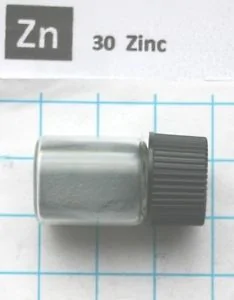
8 quarts * 946 grams / quart * 0.0008 = 6 grams of zinc, which is actually quite a bit if you accumulate it all in one place.

Here's an example of how much just 5 g of zinc can appear to be in a small container:
s-l300.webp
 
Last edited:

Sponsored

TheLion

Well-Known Member
Joined
Jul 1, 2016
Threads
68
Messages
1,621
Reaction score
601
Location
US
Vehicle(s)
Ruby Red 2016 Mustang GT PP 6-MT
If there is no metal debris of any kind trapped in the oil filter, but there is metal debris in the catch-can, then obviously the metal in the catch-can came from the catch-can.

Dissecting the oil filter is the best way to monitor the engine for abnormal engine wear. I cut the oil filter open (with an oil filter cutter so as to no contaminate it) after every oil change and take a look.
I have never noticed any metallic flakes, particles or chunks in my oil after draining. I'm at 22,500 miles and no abnormal ticking. I get the "metallic fairy dust" as many call it often in my catch can, some times there a bunch in the bottom other times almost none. In all of the posts I listed above it appears to be non-ferrous. So it cannot be from the cylinder liners, cam lobes, rings, timing chains or any other carbon steel components.

That leaves the pistons and rod bearings which are aluminum. However a spun rod bearing would very quickly result in low oil pressure followed by severe knocking. I have no such symptoms. Fuel mileage is extremely good after adding TriboTEX and I have not noted any change in the metallic powder that ends up in the can before or after.

It's small enough in size to pass through the JLT 3.0's fine wire mesh filter and honeycomb collector elements. As my post above indicates, I believe to be zinc from the motor oil that has now dropped out of suspension after vaporization or it may be part of the tribo film formed that has now worn away from the bearing surfaces.

Small enough particulates absolutely can be carried by oil vapor. Otherwise if it was from the can threads, i'd see a lot of wear on them and lubricating the threads would resolve the issue. I don't have any absolute proof, but I believe this to be the most likely explanation. The amount of dust to me would indicate that if it's steel wear particles from bearing surfaces the engine would not run for long, but decomposed and separated parts of the tribo films to me would make more sense.

Time will eventually tell what the material is and weather not it's an issue but thus far evidence doesn't seem to point to it being a long term issue based on how many cars across so many brands and designs all experience this to varying degrees.
 
Last edited:

Andy13186

Well-Known Member
Joined
Sep 19, 2018
Threads
110
Messages
2,523
Reaction score
1,565
Location
Florida
Vehicle(s)
2018 Mustang GT 10speed Aluminator Whippled
The metal isnt from the can and I did wipe off the threads every time ive drained it, no metal was from the threads. The metal may be from the break in period since I did just dump the oil out and not clean the can when I dumped it.

I never checked for metal when I drained it the first few times. I didnt check the oil filter for metal, the shop just dropped it into a tub of used oil.

Alejandro Flores - tuner at lund also has the tapping.


Condor1970

Well-Known Member
Joined
Oct 4, 2018
Threads
95
Messages
1,567
Reaction score
582
Location
Port Orchard WA
Vehicle(s)
2018 Mustang GT
^^^Yep, that's what I got. Only mine doesn't do it so much at idle anymore, but becomes far more apparent when I rev up over 1,000rpm. In fact it basically ticks in unison with the engine now above 1,500rpm.

My ticking doesn't start until the car gets warm and the oil thins out. Opposite of what his does. However, after driving pretty hard last week at high rpm (3,500'ish) for about 10 minutes, the ticking went away when I got home. The next day it came back. Weird.
 

Jetnoise

Well-Known Member
Joined
Jun 27, 2018
Threads
22
Messages
1,379
Reaction score
346
Location
Raleigh NC
Vehicle(s)
2018 GT Premium PP1, 70 Shaker Mach 1 stroker, 1967 F/B 357W, 1968 302 Vert, 4I 85 5.0 B&M Blower
What does the video have to do with anything with this post?
He takes his 18 coyote to 8k rpm with his tune.... so well above it nosing over.....8k hits....damage is done.
Why people think extending the rpm range above it's stock factory design is acceptable always baffles me.
 

Condor1970

Well-Known Member
Joined
Oct 4, 2018
Threads
95
Messages
1,567
Reaction score
582
Location
Port Orchard WA
Vehicle(s)
2018 Mustang GT
What does the video have to do with anything with this post?
He takes his 18 coyote to 8k rpm with his tune.... so well above it nosing over.....8k hits....damage is done.
Why people think extending the rpm range above it's stock factory design is acceptable always baffles me.
That may have certainly aggravated the problem, but I doubt that 8,000rpm tune was the original cause. Mine started to develop the exact same tick at 800 miles on the odo, and I never took it past 3,500rpm during break-in.
 

Sponsored

Jetnoise

Well-Known Member
Joined
Jun 27, 2018
Threads
22
Messages
1,379
Reaction score
346
Location
Raleigh NC
Vehicle(s)
2018 GT Premium PP1, 70 Shaker Mach 1 stroker, 1967 F/B 357W, 1968 302 Vert, 4I 85 5.0 B&M Blower
That may have certainly aggravated the problem, but I doubt that 8,000rpm tune was the original cause. Mine started to develop the exact same tick at 800 miles on the odo, and I never took it past 3,500rpm during break-in.
I see
 

Andy13186

Well-Known Member
Joined
Sep 19, 2018
Threads
110
Messages
2,523
Reaction score
1,565
Location
Florida
Vehicle(s)
2018 Mustang GT 10speed Aluminator Whippled
I also didnt take mine over 5k rpm during break in with no tune or mods and had a worse tapping at 300 miles before I even broke 4k rpm...
 
OP
OP
stangman638

stangman638

Well-Known Member
Joined
Sep 23, 2018
Threads
44
Messages
689
Reaction score
229
Location
USA
Vehicle(s)
2019 GT350 Velocity Blue
It would be pretty foolish to blame it on what RPM they may have it, when its pretty well documented now that this is a wide spread issue even among folks driving it off the lot.
 

Condor1970

Well-Known Member
Joined
Oct 4, 2018
Threads
95
Messages
1,567
Reaction score
582
Location
Port Orchard WA
Vehicle(s)
2018 Mustang GT
I wonder if Ford doing a full dyno on these cars right out the factory door, before giving them a chance to break in, is part of the issue?

I just can't help but wonder if they are swiping journal bearings on that 5w20 oil at 7,500rpm before anyone has had the chance to run them in more carefully?
 

GT Pony

Well-Known Member
Joined
Mar 13, 2015
Threads
77
Messages
9,402
Reaction score
4,839
Location
Pacific NW
Vehicle(s)
2015 GT Premium, Black w/Saddle, 19s, NAV
I just can't help but wonder if they are swiping journal bearings on that 5w20 oil at 7,500rpm before anyone has had the chance to run them in more carefully?
Journal bearings actually have more hydrodynamic oil film thickness in them at higher RPM. Lugging the engine really bad at low RPM can actually be worse for rod bearings. But it is possible that the 5W-20 thins out too much if the oil temperatures get well above normal oil temps of ~200F. It certainly would not hurt to at least run a 5W-30.
Sponsored


Top