PoppinJ
Well-Known Member
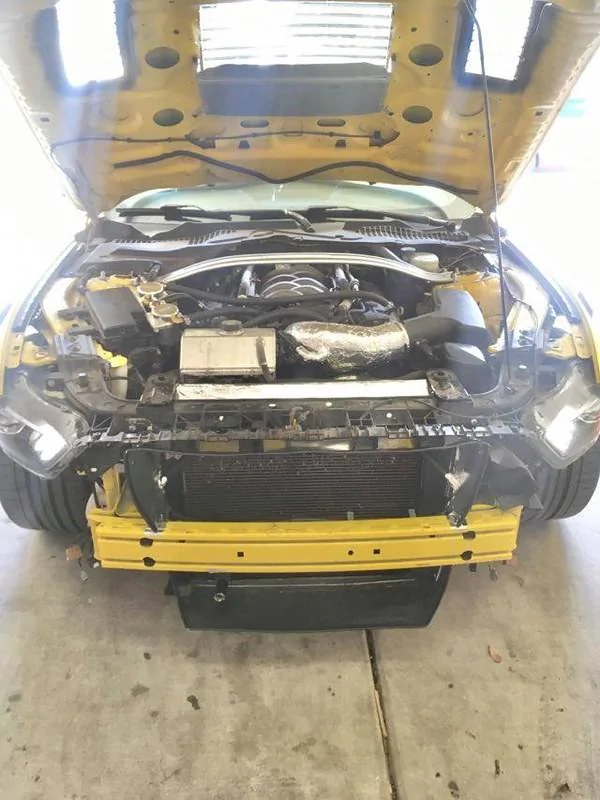
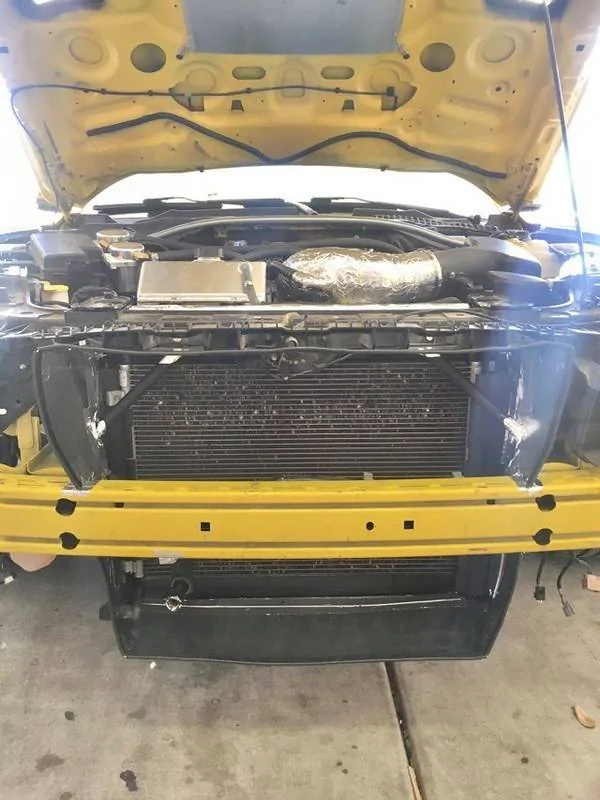
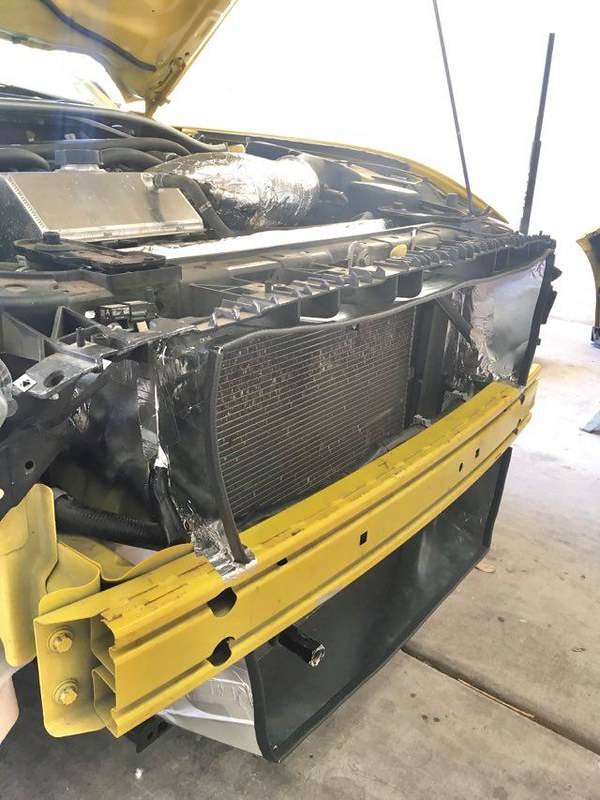
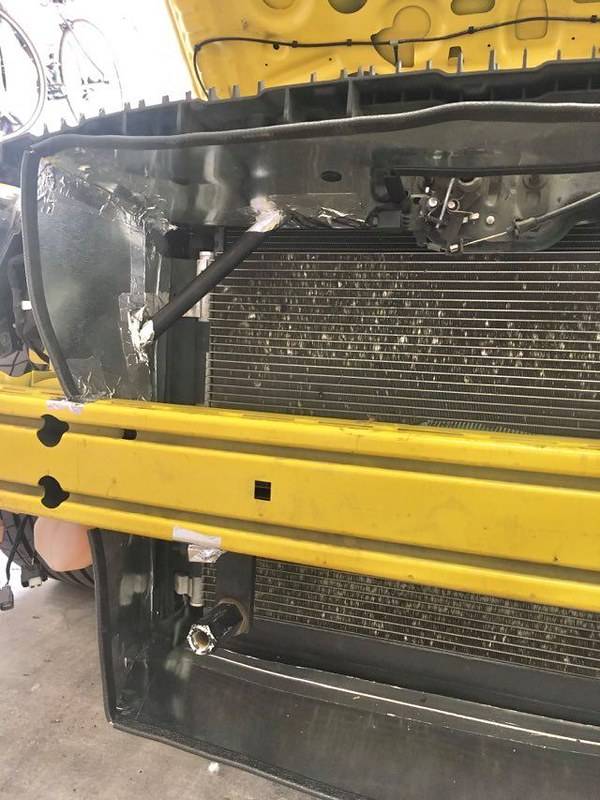
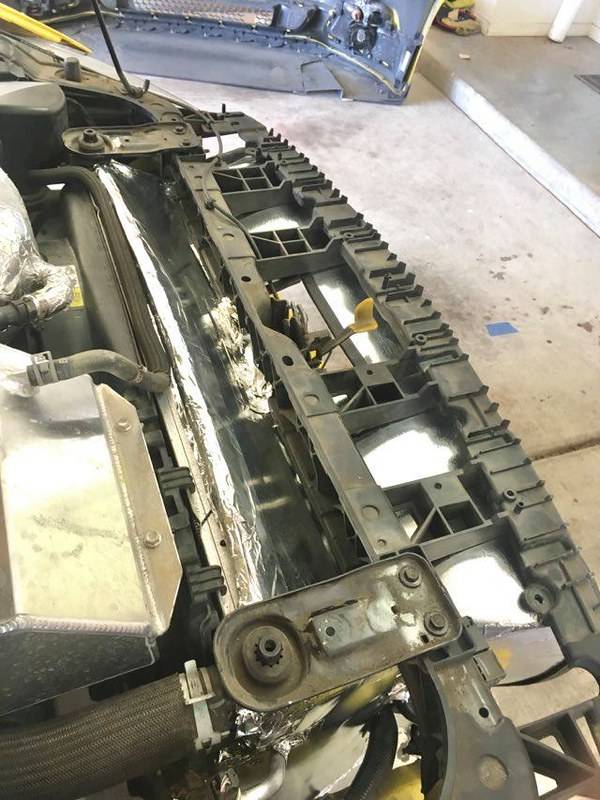
Is there any walk through of somebody who's gone through and sealed up their radiator? is it possible to do all this without removing the front bumper and just go through the bottom belly pan after it's removed?
Sponsored


I would be very interested as well if anyone has a walk through. I already plan to do this but if someone has the measurements, that would save me a ton of time.Is there any walk through of somebody who's gone through and sealed up their radiator? is it possible to do all this without removing the front bumper and just go through the bottom belly pan after it's removed?


Turbulence is what keeps the boundary layer from acting more like insulation.circulating water faster is not necessarily a good thing. You want the water to spend maximum time in the radiator shedding heat, but obviously not so slow as to cause localized heat spikes (boiling) in the engine. Also the faster you shove water thru a pipe the more turbulence you get on the boundary layer which makes energy transfer even less effective.
You need to do all of the math here. More BTU/sec at a shorter duration in the radiator could easily result in more BTUs rejected even with higher outlet temperatures because your mass flow rate of water/coolant is higher. Basically, you're taking fewer BTUs out of each ounce of water (because each ounce isn't in the radiator for as long) but pushing more ounces of water through the radiator during any given amount of time.Fast water flow rate may shed more BTU/sec than running it at standard speed, but the radiator outlet temp will be higher than it was before.

 After 4 days is still there
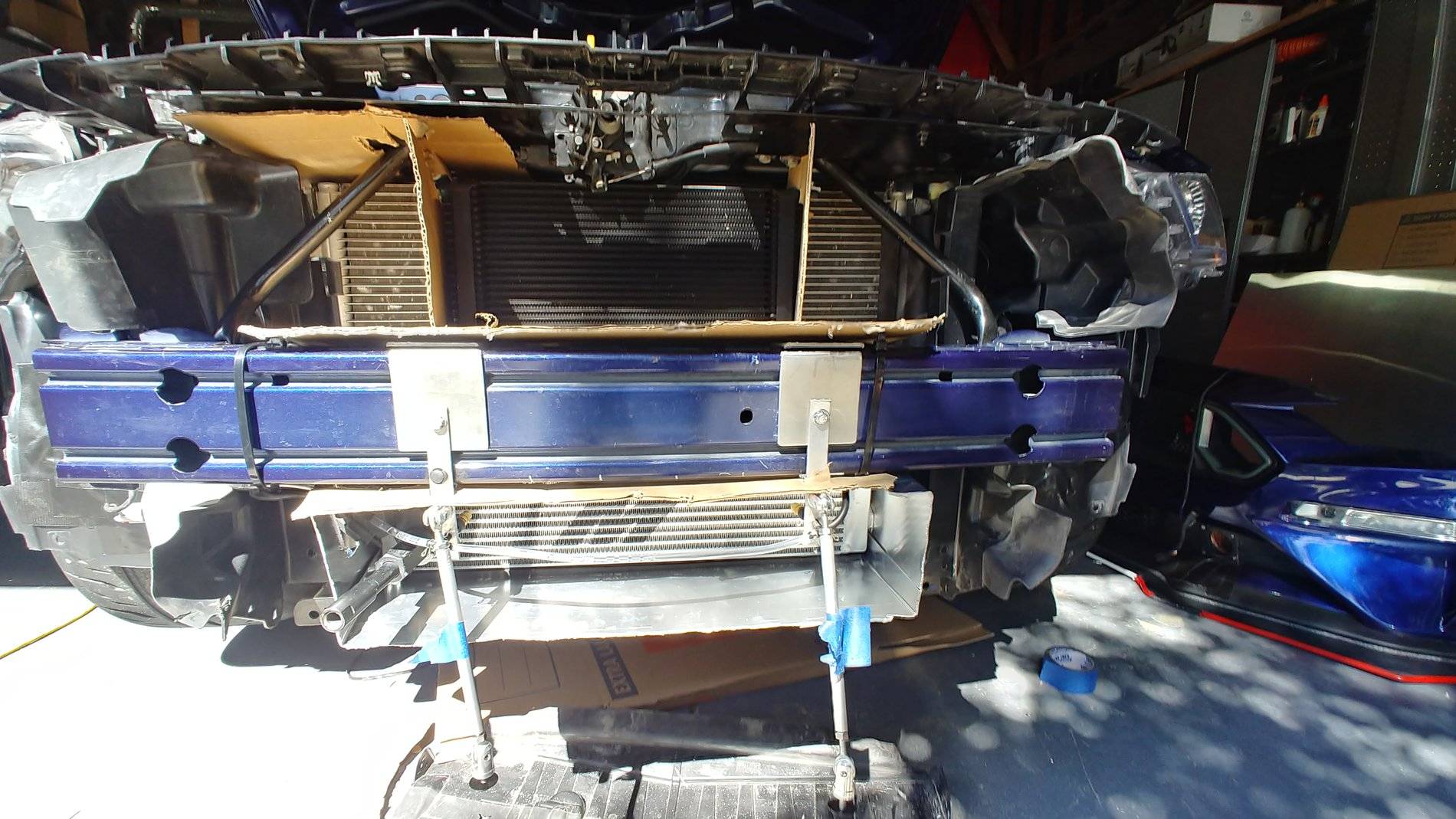
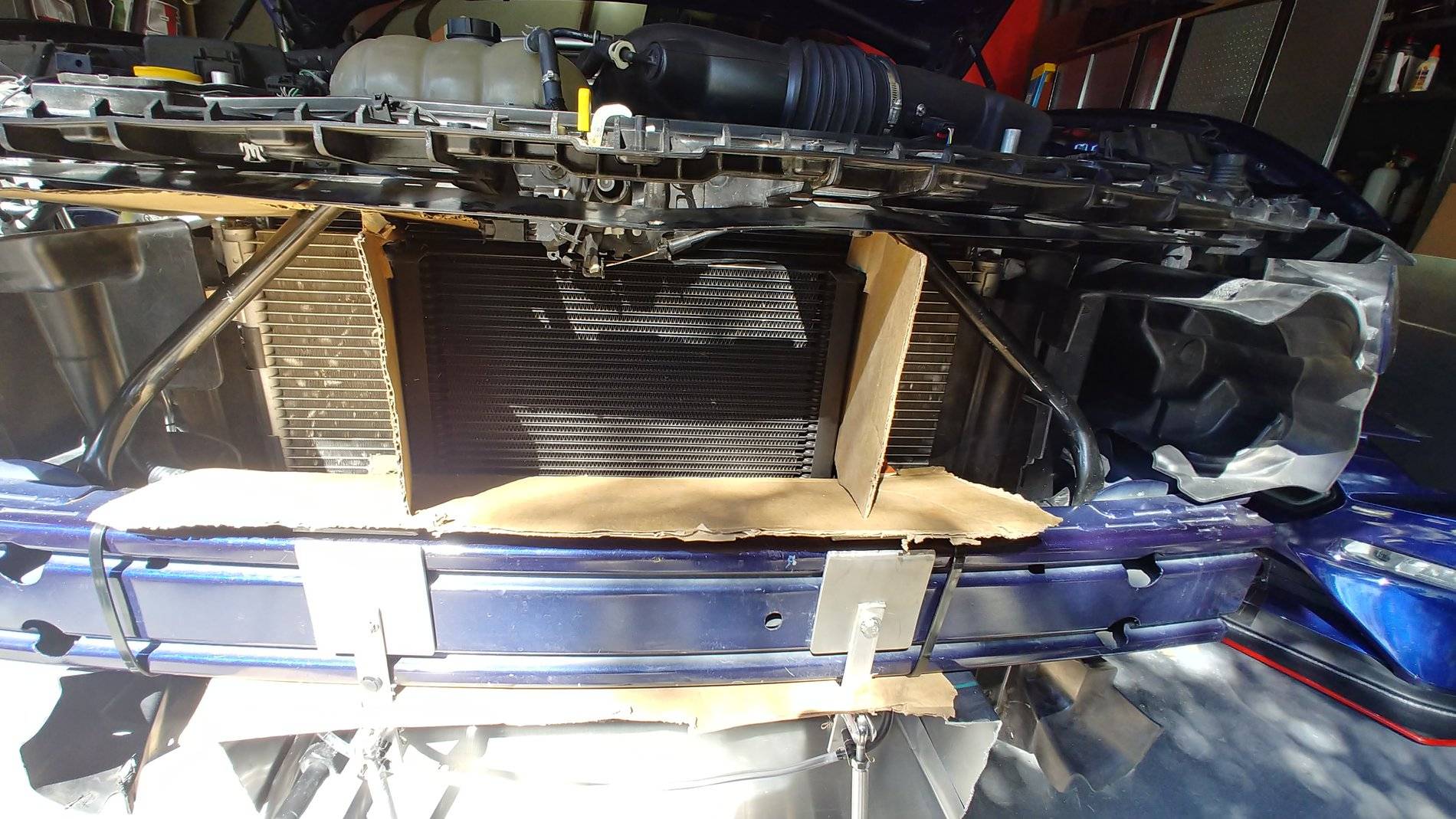
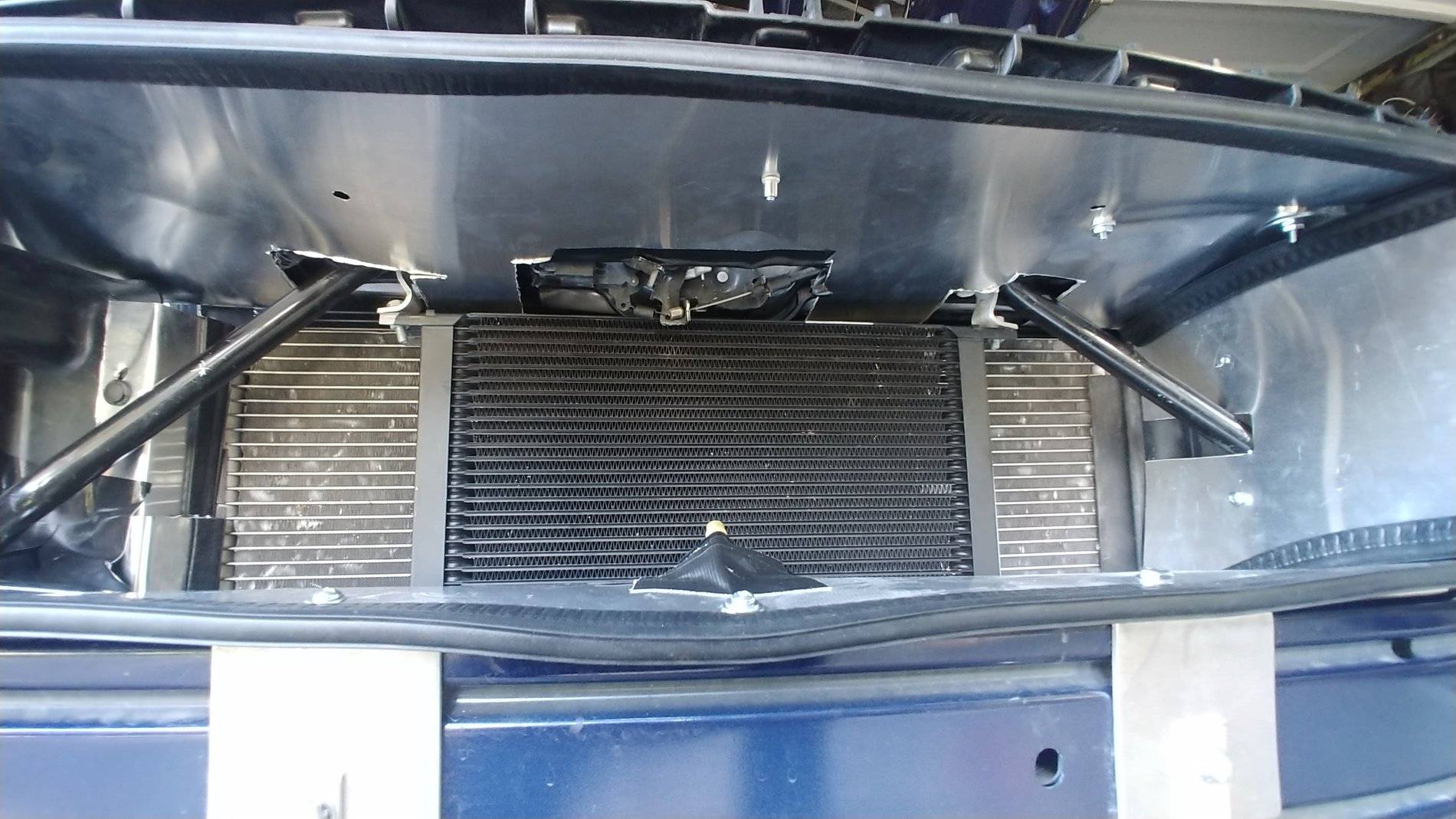
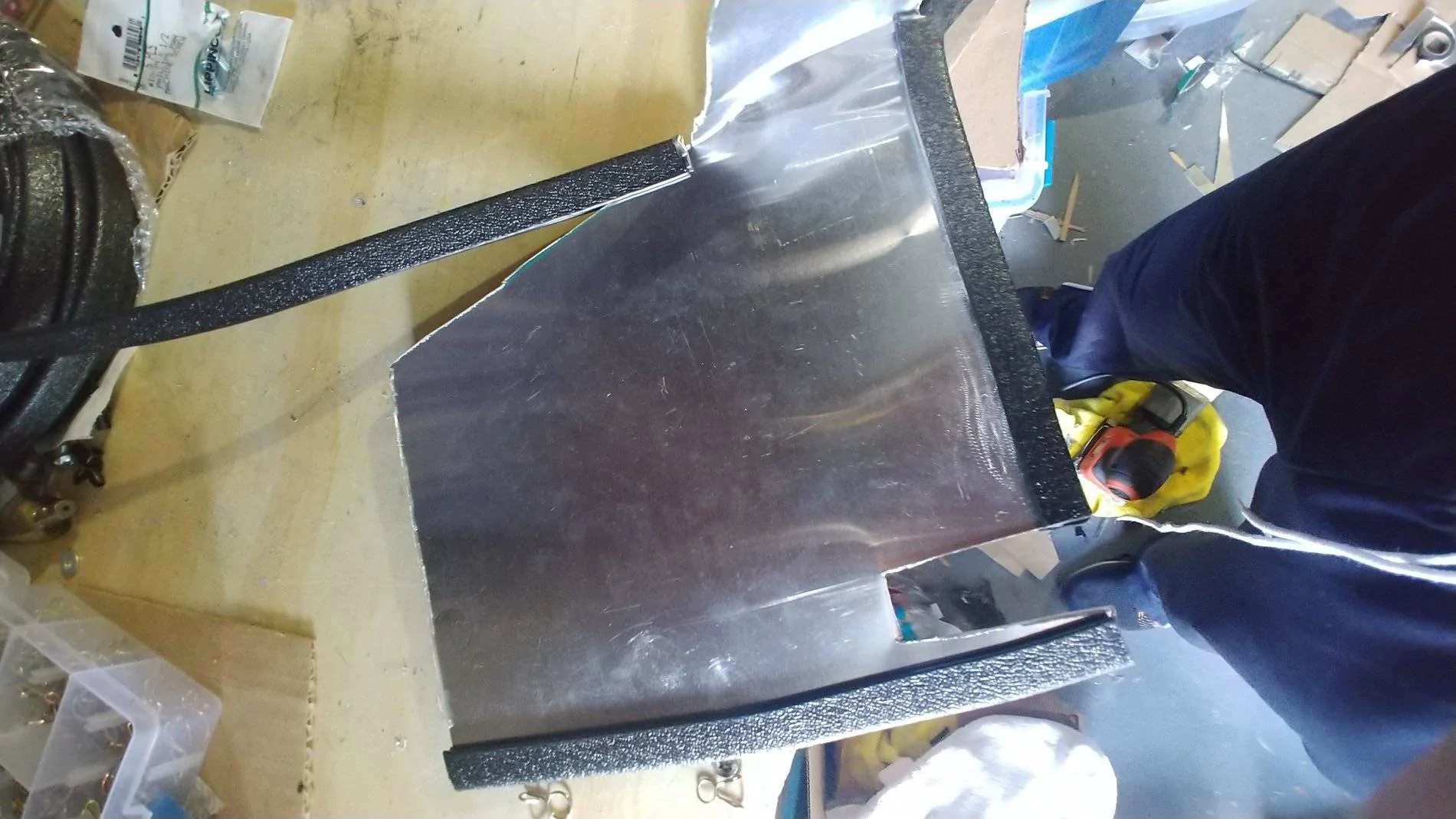
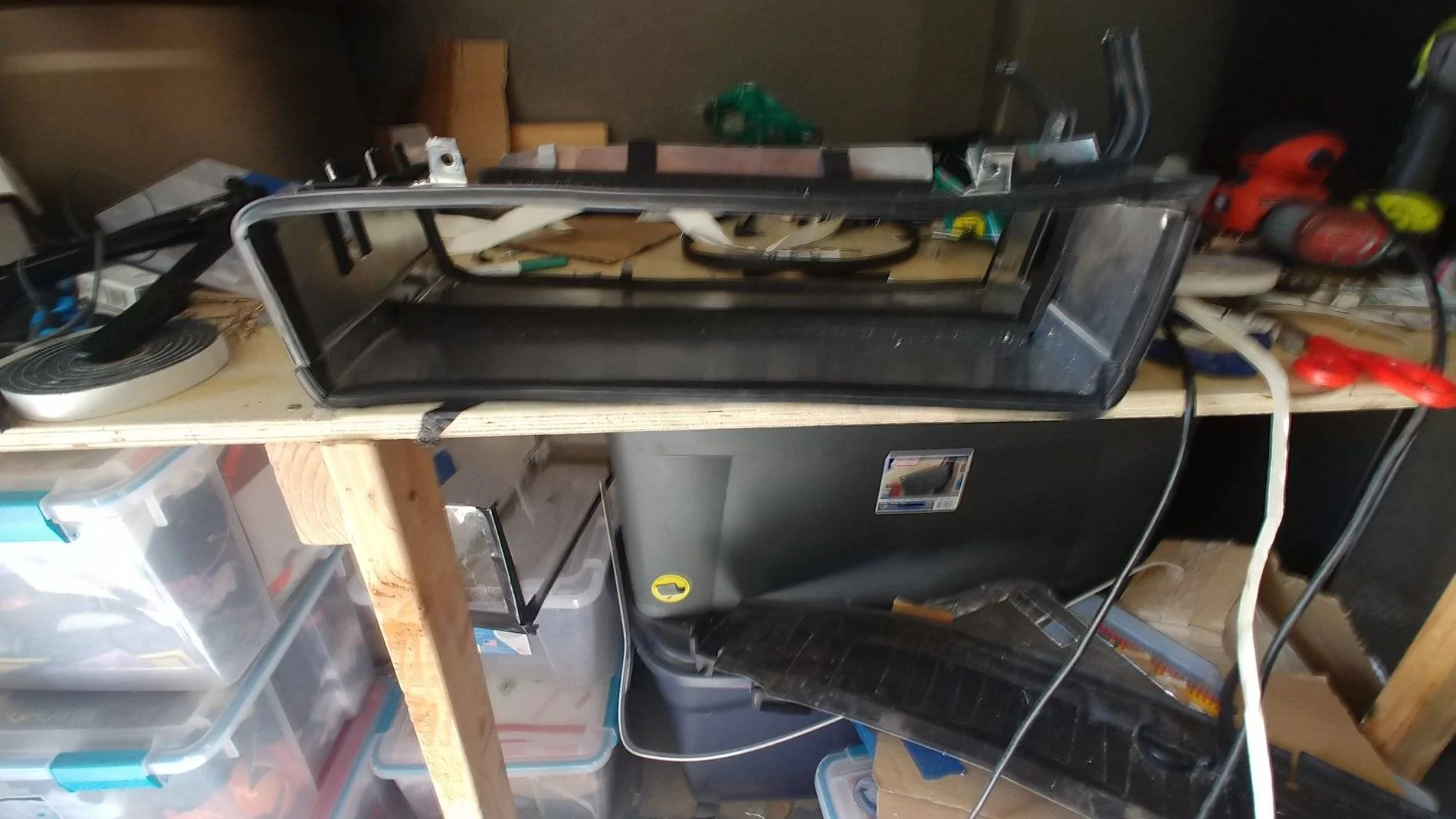
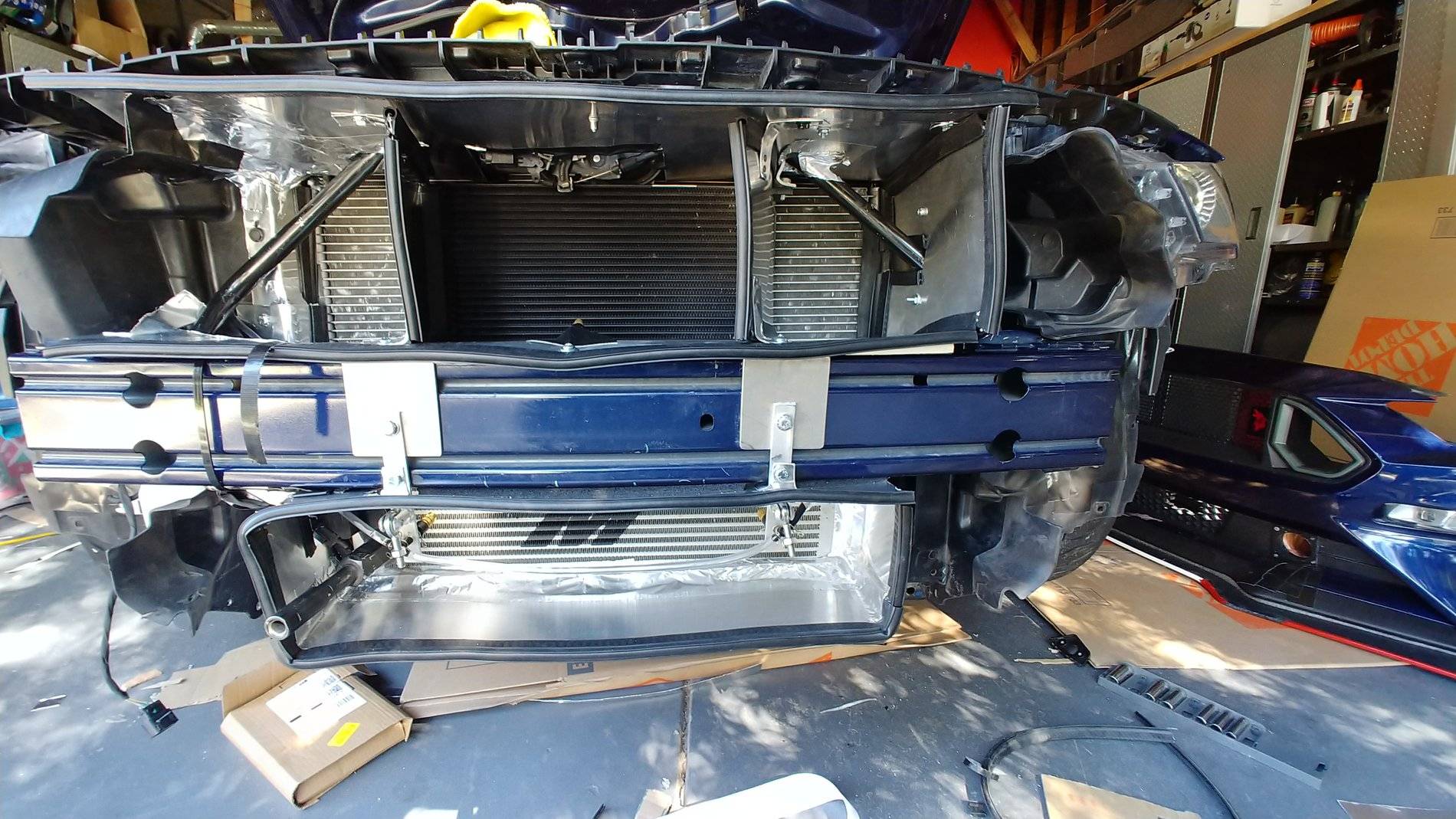
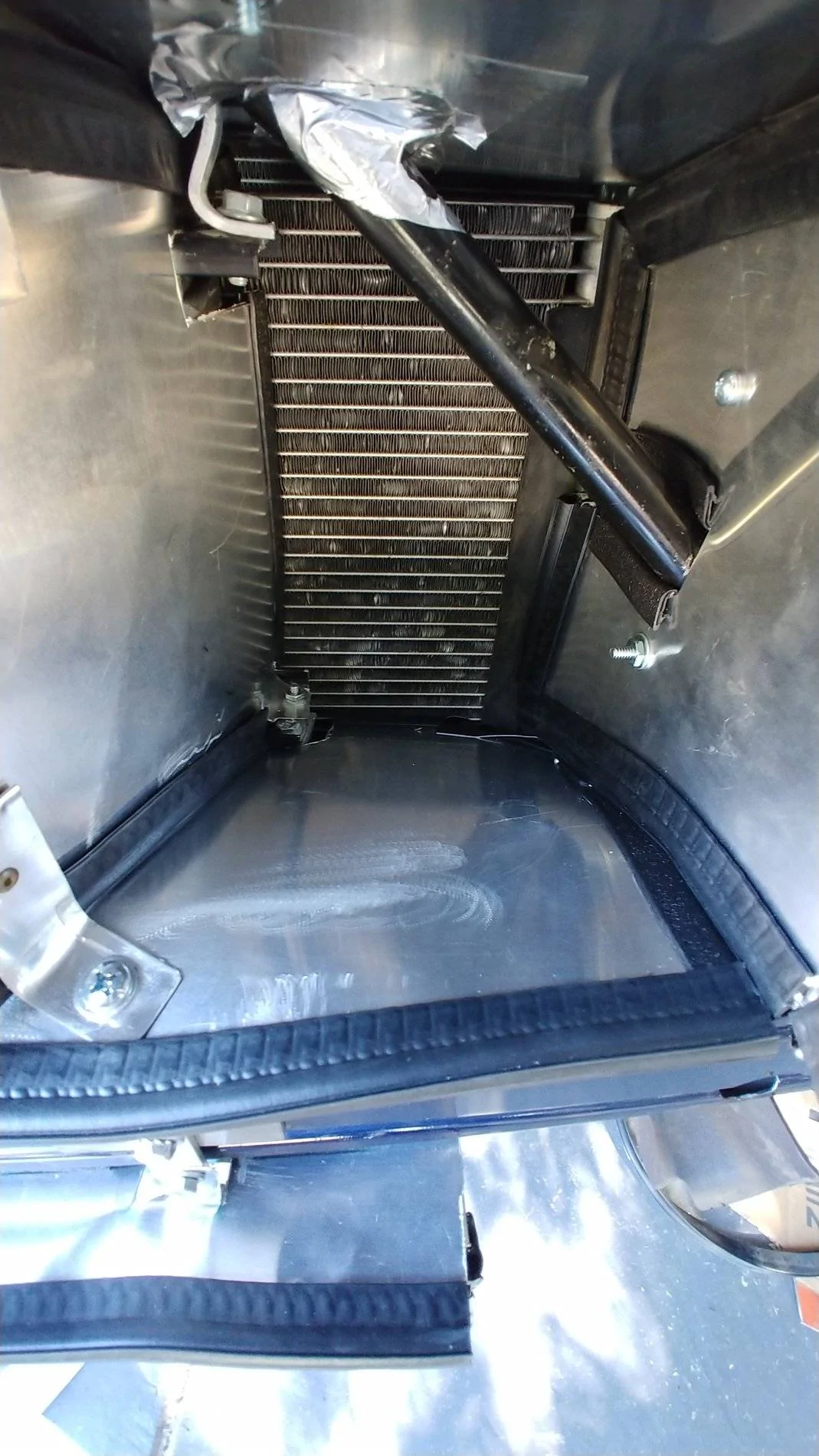

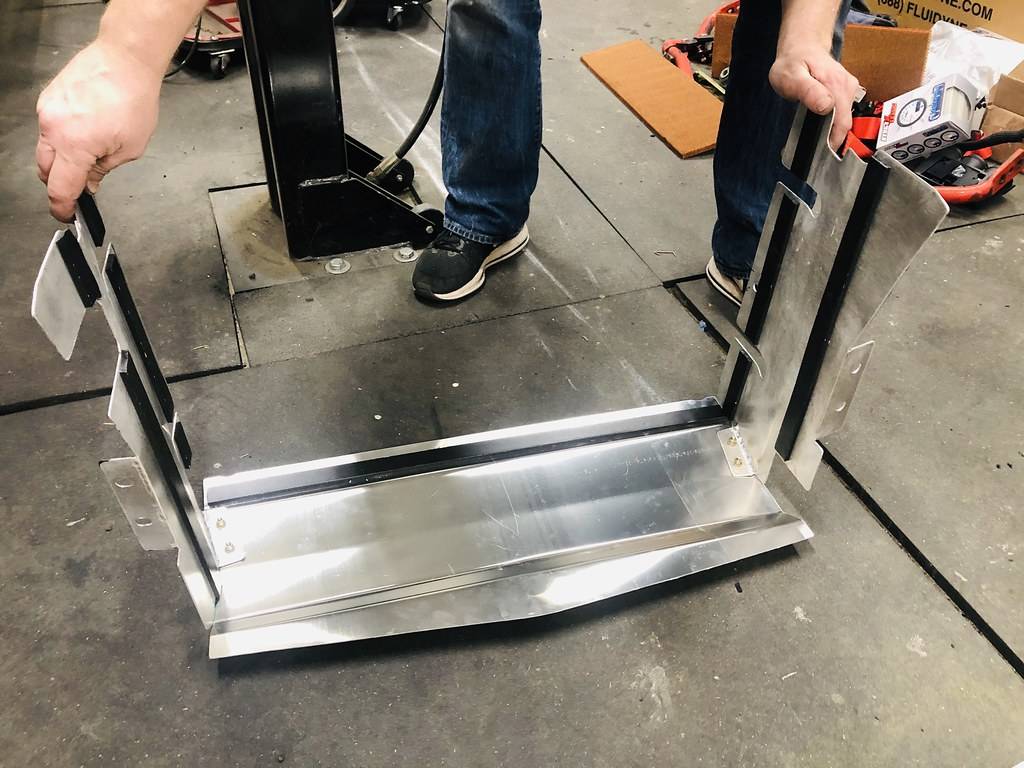
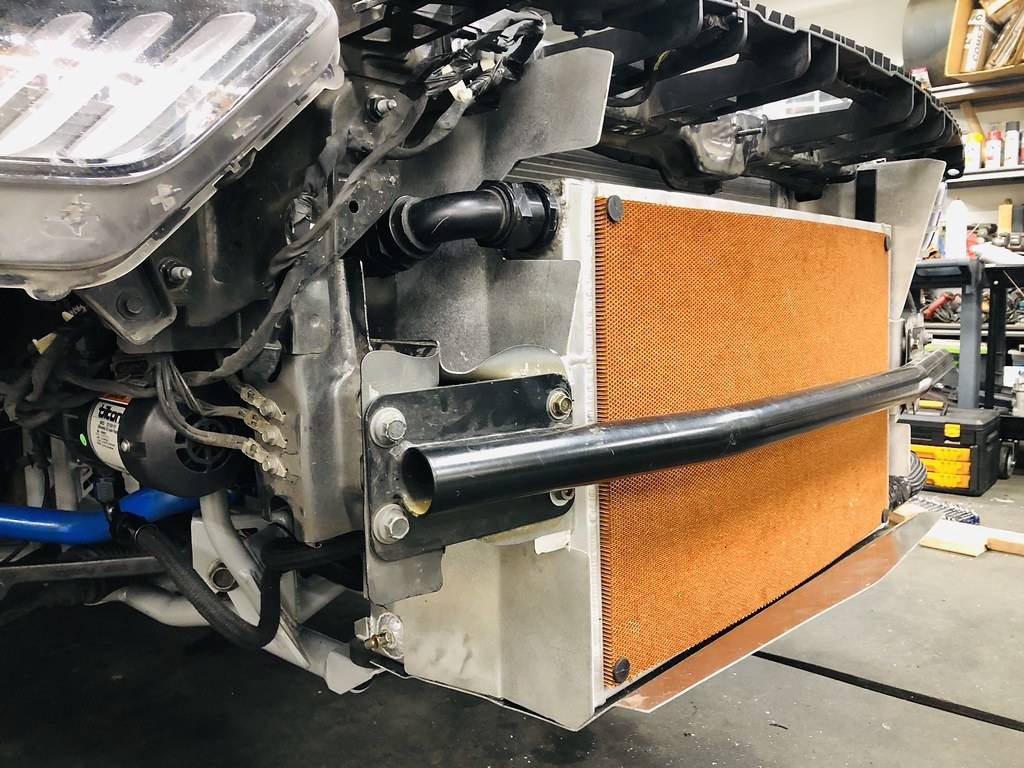
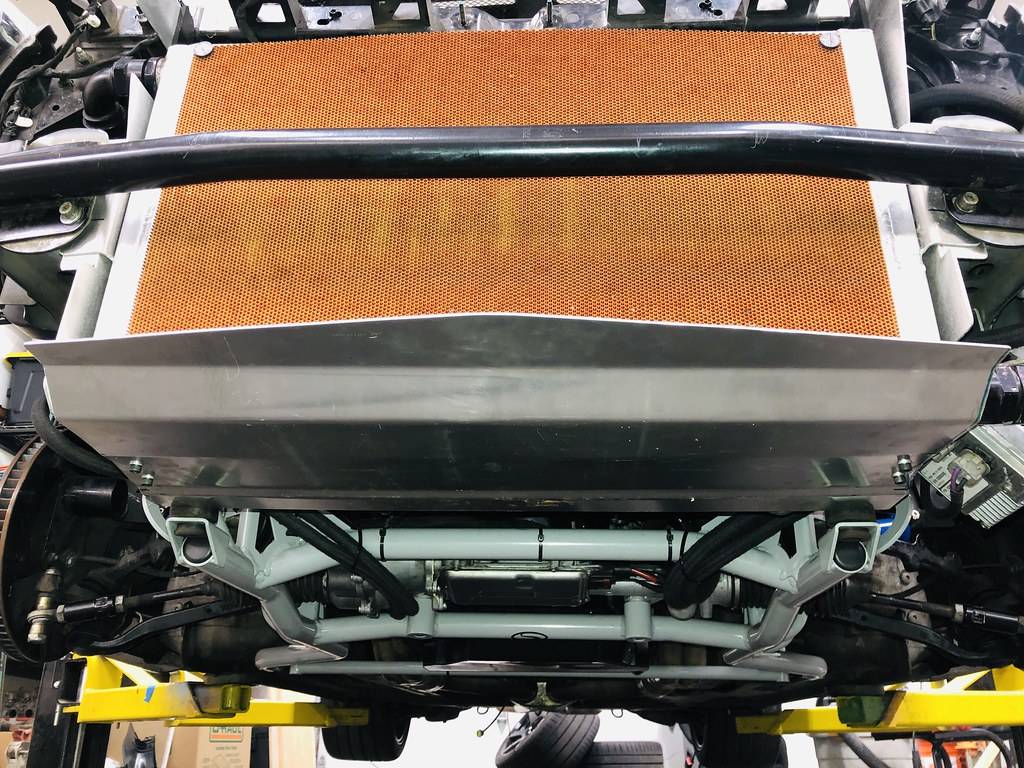
I bought some closed cell foam sheets (3/4"-1") thick that I can take a simple knife to to act as ducts.SOME PICS for my ducting. all created with Cardboard box.
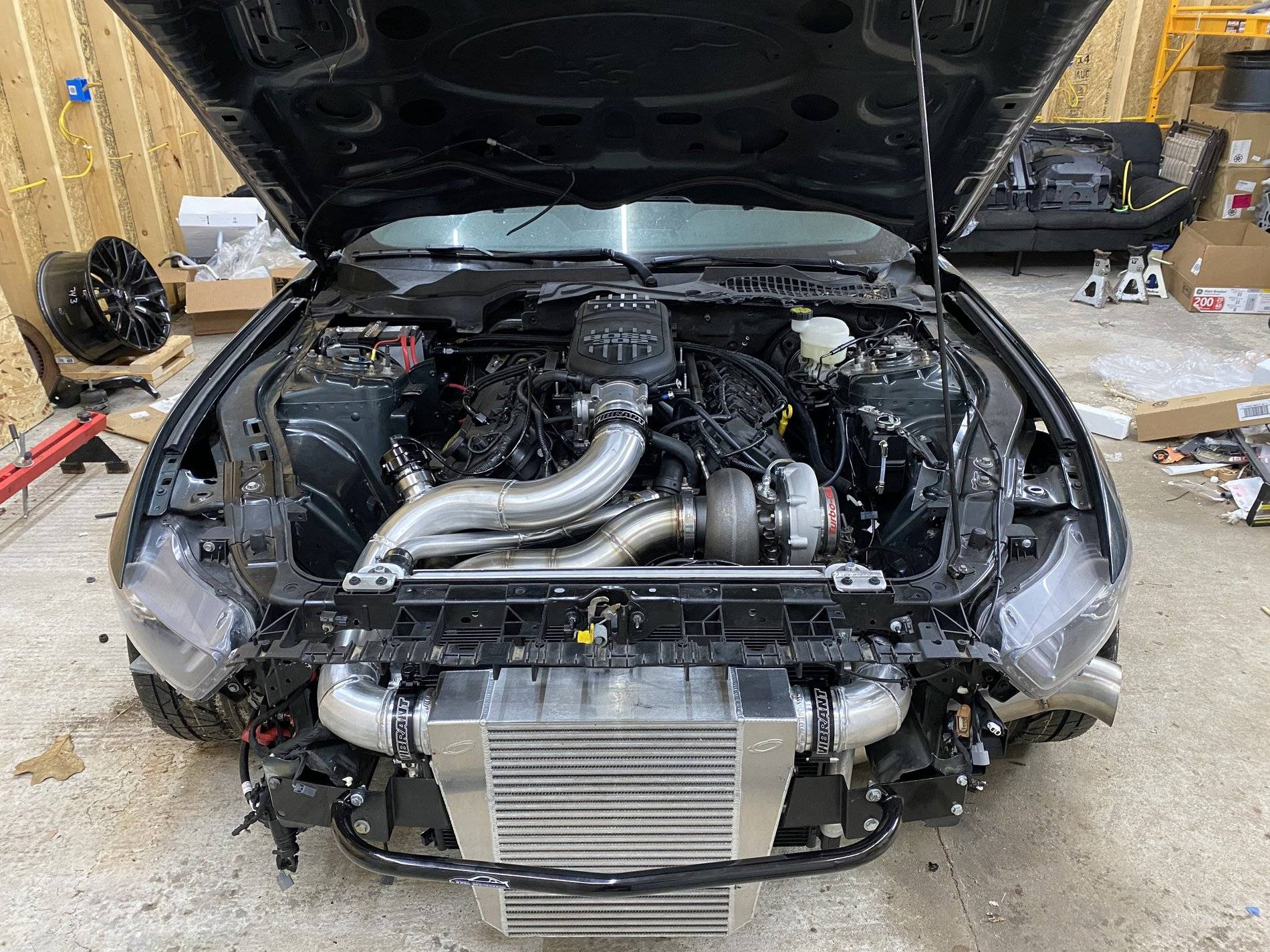
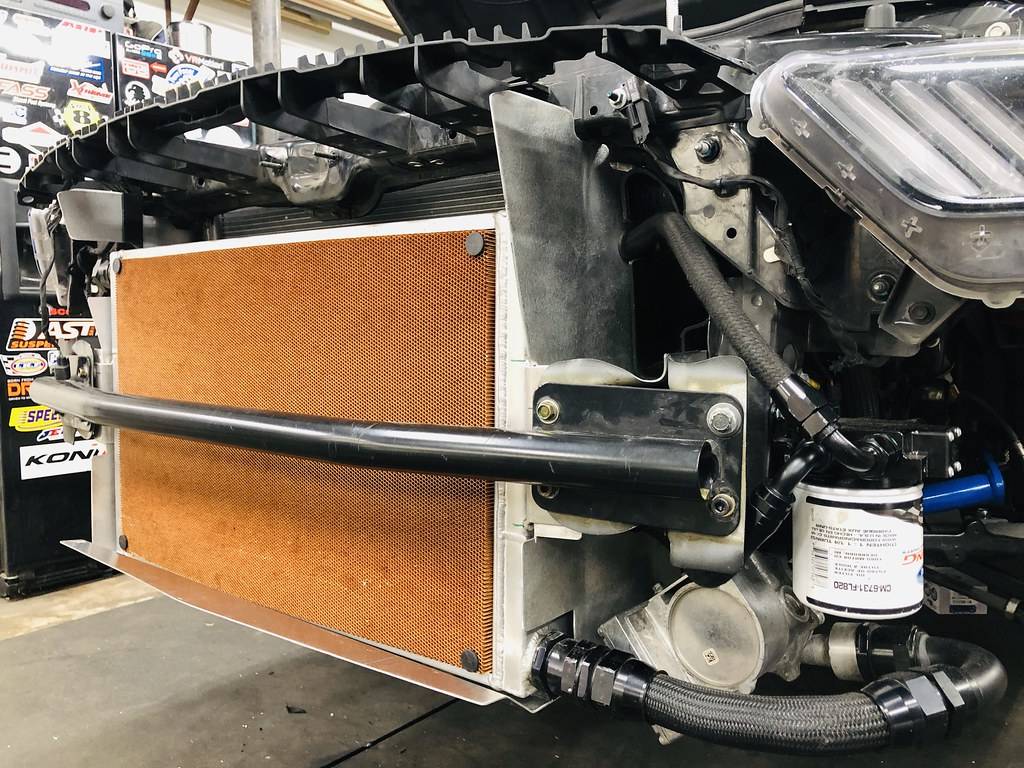
Protects my very custom and very expensive heat exchanger from damage@boardkat Pardon my ignorance, what benefit does the orange honeycomb stuff in front of the radiator bring?

I'm interested in this myself. I got an aftermarket radiator in now but was wondering if added water flow will help on the sweltering Texas summers.I have one, but haven't run it, yet. Engine is hopefully going back in the car this weekend and first event is next Month. Will know more then.

I agree with you Ford Performance parts might sell better with published results. If I put my fanboy hat on, I could say that there's no measurable spec for "well built". So the FP parts might cost more because they are more durable. If they advertise the cooling specs people might be less apt to buy even though the parts might be higher quality. But if you are buying something aftermarket it's pretty important to know the cooling specs so you know whether it will work in your customized car.I was speaking in generalities, not specifics. Because Ford Perf refuses to publish ANY scientific/engineering details on their flow rates provided by their various pumps. Nor the results of any validation testing.
And yes you want radiator inlet temps as high as possible and radiator outlet temps as low as possible because it's the delta that's important. The colder the water is entering the hot engine, the better it can suck heat out of the metal. If you crank up the flow rates, the radiator outlet (nee engine input) temp is now higher. Flow rates matter of course, too and it's not a linear relationship.
"no name" radiator or intercooler guys PUBLISH their results, so what's Ford's excuse?
Great post. I have worked with superheated water systems for many years. Temperature is a relative thing. What is hot in one application is cold in another. Heat transfer is a function of flow and temperature delta. Though increasing flow does not necessarily mean more heat transfer. The system could equalize with a smaller delta T if you have reached the maximum amount of heat you can reject. But if you are underutilzing your heat transfer systems, either increasing your delta T or flow will result in more heat transfer.I agree with you Ford Performance parts might sell better with published results. If I put my fanboy hat on, I could say that there's no measurable spec for "well built". So the FP parts might cost more because they are more durable. If they advertise the cooling specs people might be less apt to buy even though the parts might be higher quality. But if you are buying something aftermarket it's pretty important to know the cooling specs so you know whether it will work in your customized car.
I don't know much about the practicalities of designing an automotive cooling system. So maybe you are right and I'm wrong on the temperature thing. Or maybe it's just the language of low/high cold/hot that is not very specific. I'm just working off of how I understand cooling systems work and some basic mechanical and thermodynamic knowledge. I don't think you really want the water to be cold (low temperatures) in a hot engine. I think you want it to be just cool enough so that it won't boil (which is plenty hot enough to burn a person), but not too cold. That is part of the reason behind thermostats - to keep the water temperature in a proper range. And that's why the cooling system is run under pressure - to increase the boiling temperature. Thermostats in modern cars are ~190 F. Which in my world is hot, not cold.
According to a quick google search the temperature of gas combustion in an engine can be on the order of 4500 F. So, there is no problem with efficient transfer of heat from the combustion chamber to the water. Meaning you don't need to keep the water temperature low to have an enormous temperature differential (and fast energy transfer) inside the engine. Plus that water inside the engine has to move very quickly or it will boil from being exposed to such high temperatures. The biggest concern is efficient energy transfer from the radiator to the outside air, which means you want the water and radiator to be relatively hot compared to that outside air.
So I disagree in general with the idea that you want the radiator outlet temps to be low. That isn't important. What you really want is for the radiator to shed as much heat as possible. For the radiator to shed the maximum heat, you want the radiator to be as hot as possible.
Yes you can theoretically get the outlet temps to be low, but that would mean that the radiator is quite a bit oversized for the cooling needs (too heavy and large). And it would have to contain a lot of water. And then when the cool water entered the hot engine you would have issues with thermally shocking the engine.
which comes back to my earlier premise. "trust us" is not acceptable as a justification to convince consumers to drop coin on a FP part which claims 1.3*X where X is not defined.Though increasing flow does not necessarily mean more heat transfer. The system could equalize with a smaller delta T if you have reached the maximum amount of heat you can reject.