OP
OP

Epiphany
Well-Known Member
- Thread starter
- #16
I wanted to address fastener length as I believe it to be critical and at this point Ford is lacking with correct information. First, for those following along I want to provide clarity. The flange on this new stub assembly is thicker than the flange for your OEM 2020-2022 tube assembly. So you lose available thread/case engagement if you try to use your original bolt (actually two bolts, as there are two tube assemblies).
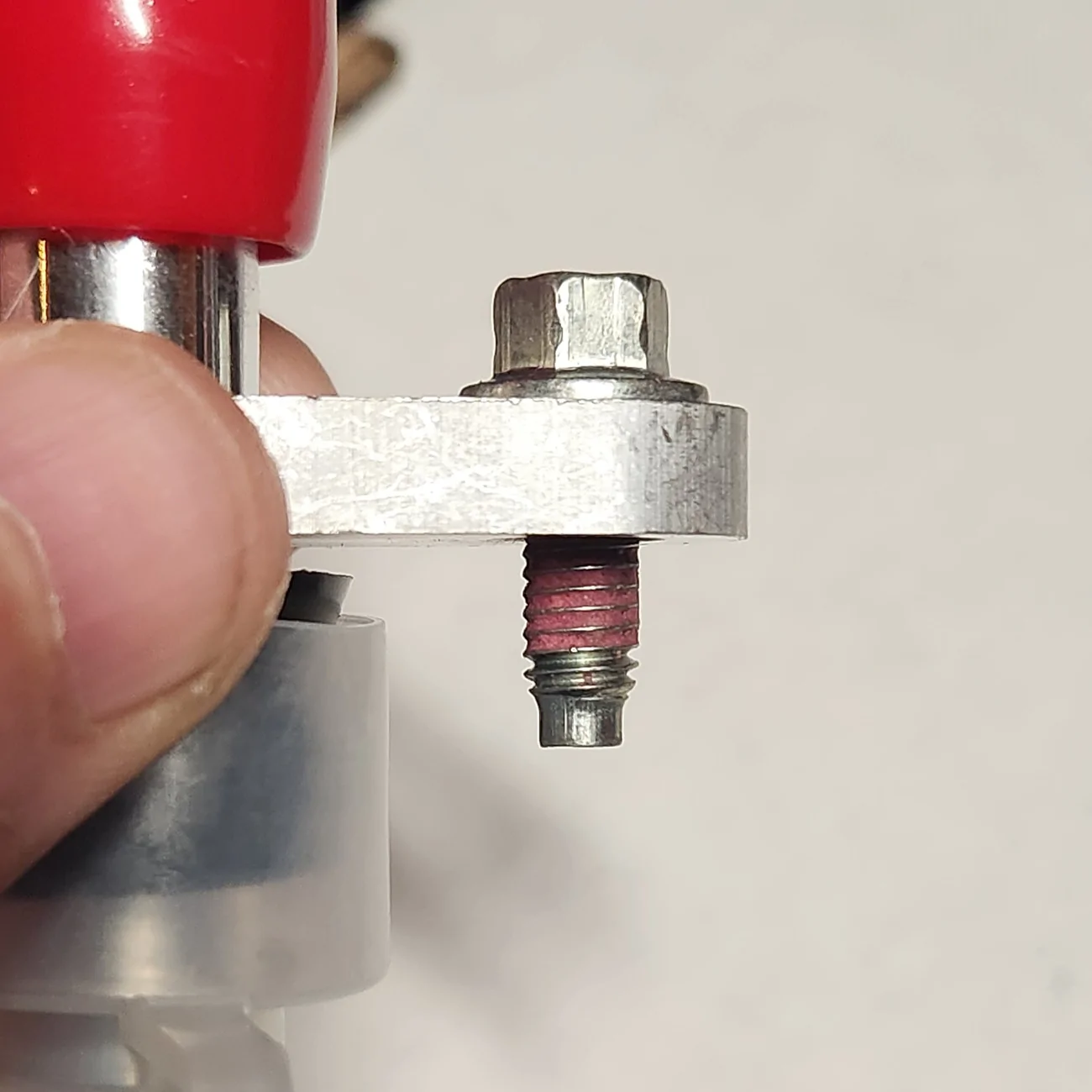
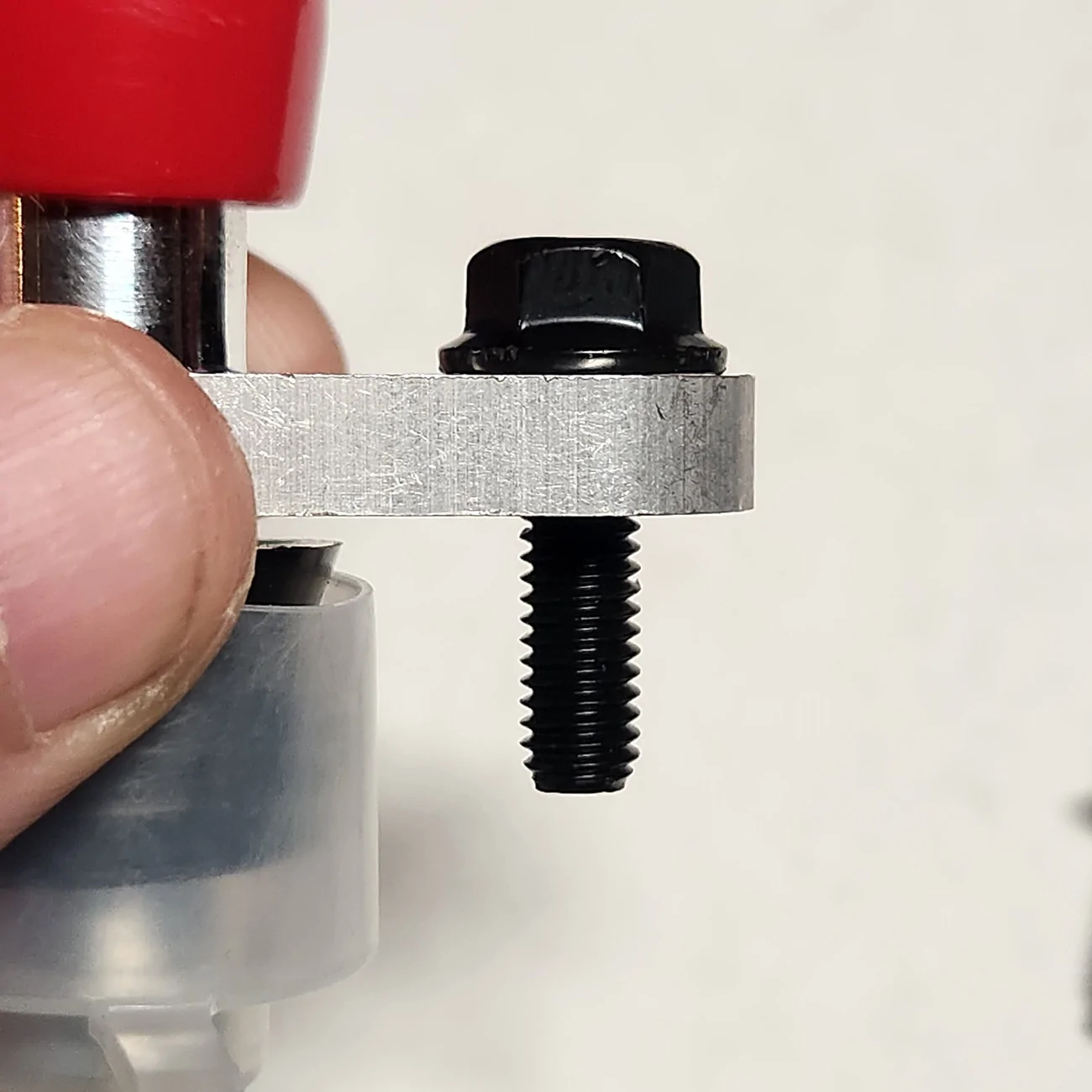
To illustrate, using the "recommended" bolts, look at how much thread you lose with the thicker flange. Bolts are backwards but you get the idea...

The new, thicker flange...

The old, stamped flange...
So you need a fastener that is ~3.2mm longer than what came in your car. I'm disregarding any numbers Ford uses and being as accurate as I can. First, every dimension I'm going to reference is UHL or under head length. Ford should provide clarity here but they don't and it confuses some people. So disregard OAL or overall length and only consider the thread length beneath the head. Ford also has a nub at the end of some of their fasteners that has no thread and merely takes up space. The nub allows for quicker production times but beyond that does nothing. For clarity's sake, I'll show both where it may matter.
So I pulled a factory line flange bolt from my 2020 GT500.

The OEM bolt had pre-applied medium strength thread locker and has a nub on the end. The total underhead length, so nub included, is ~16.46mm.

Usable, underhead length, 14mm. This is the number that matters.

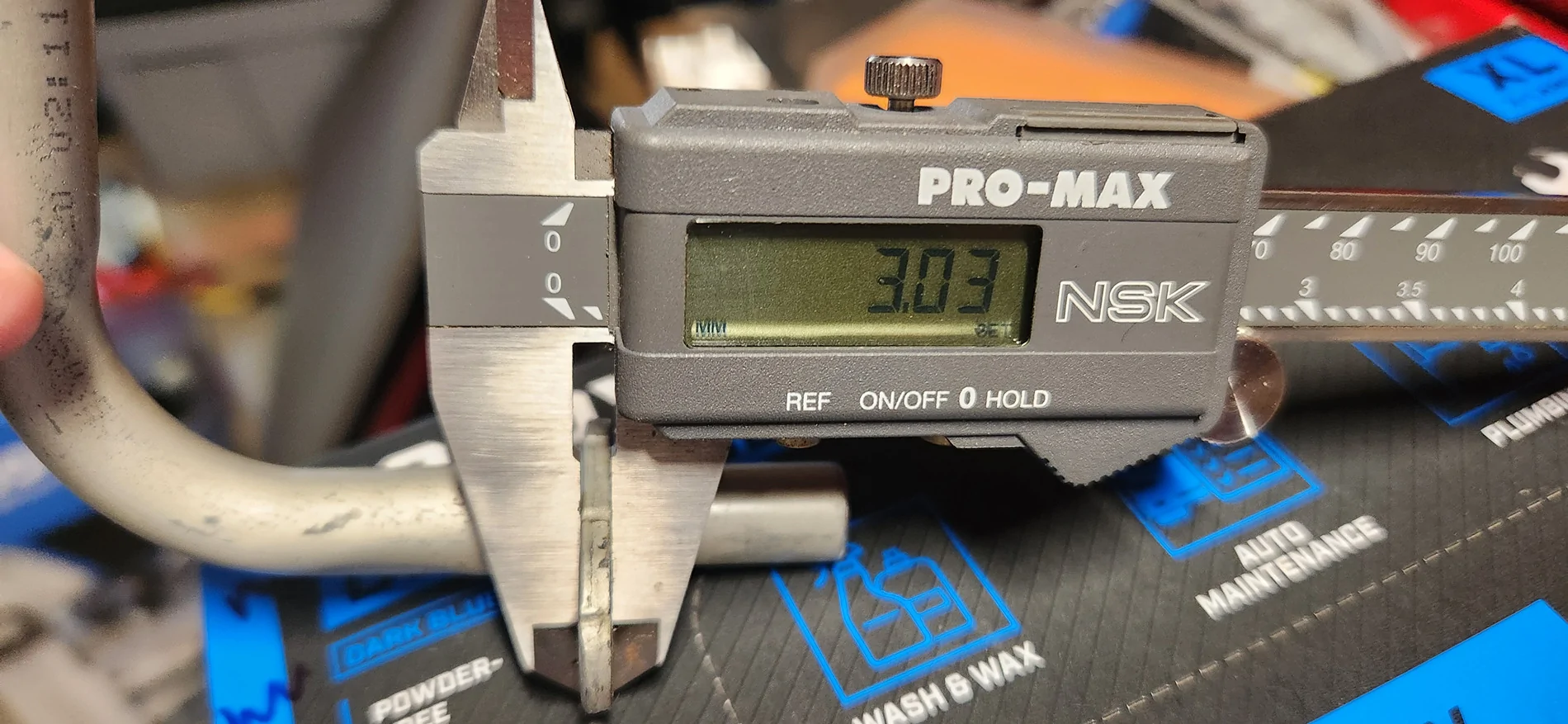
So, combined with the original thin flange, the factory setup had 14mm of thread going into and through a flange that was 3.03mm thick. So you had 11mm (10.97mm actually) of thread going into the DCT case. If you were to use that original bolt with the new design flange, you have 14mm of thread passing through a 6.24mm flange and only have 7.76mm of thread entering the DCT case. You are losing 3.21mm of thread going into the case. No good.
Of note, case hole depth.

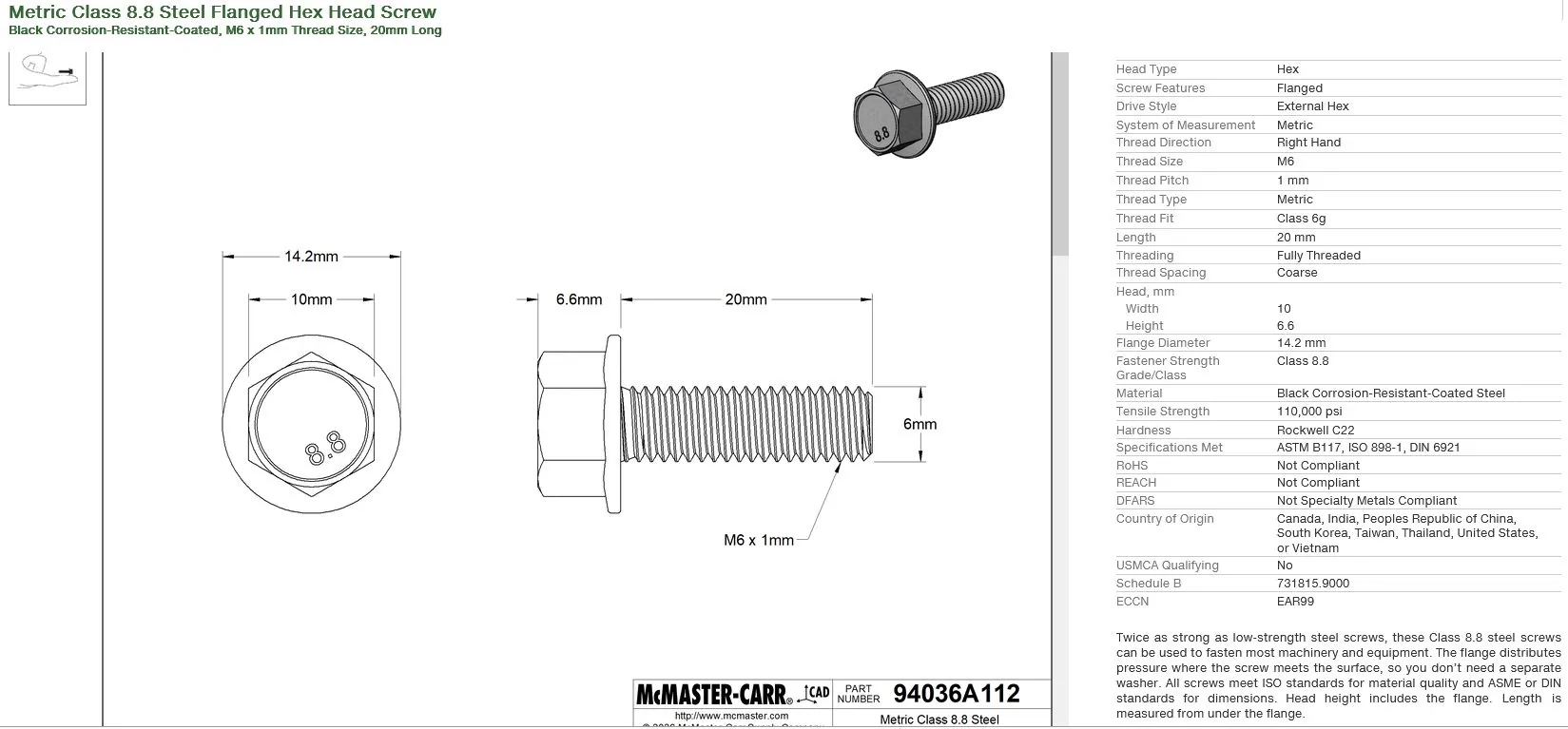
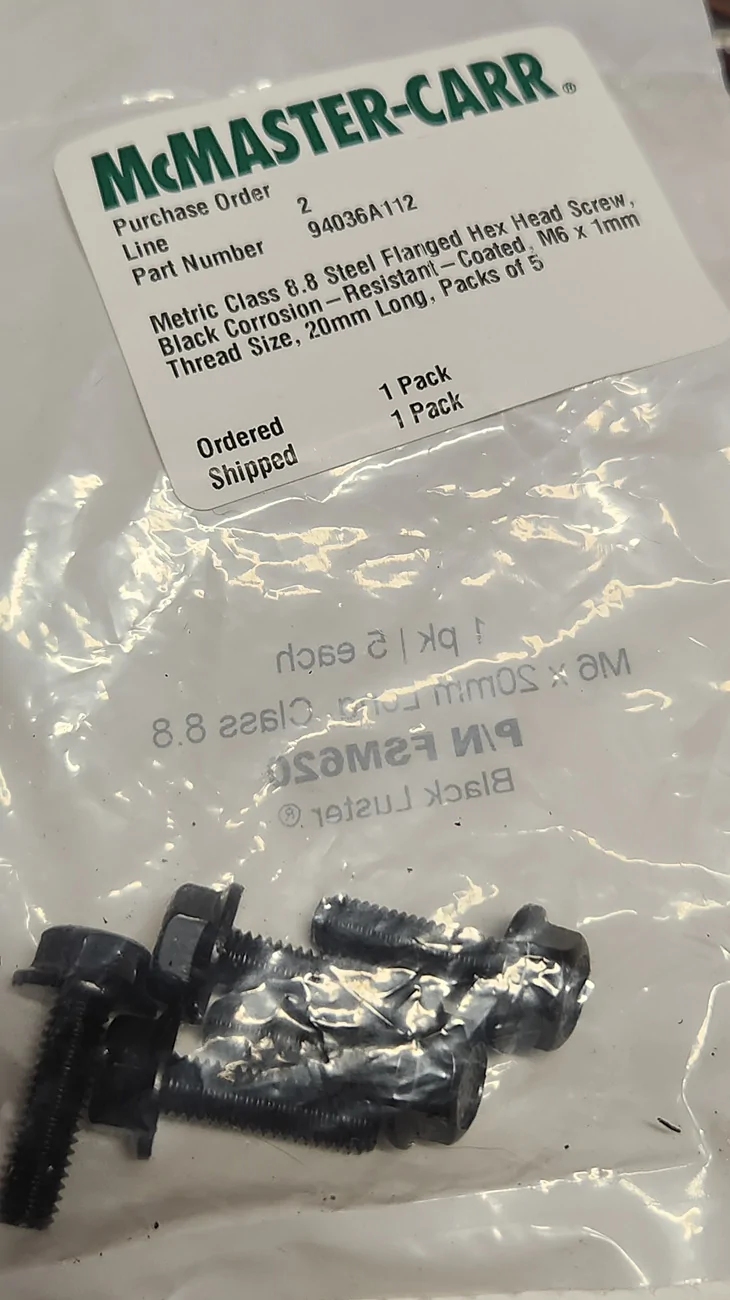
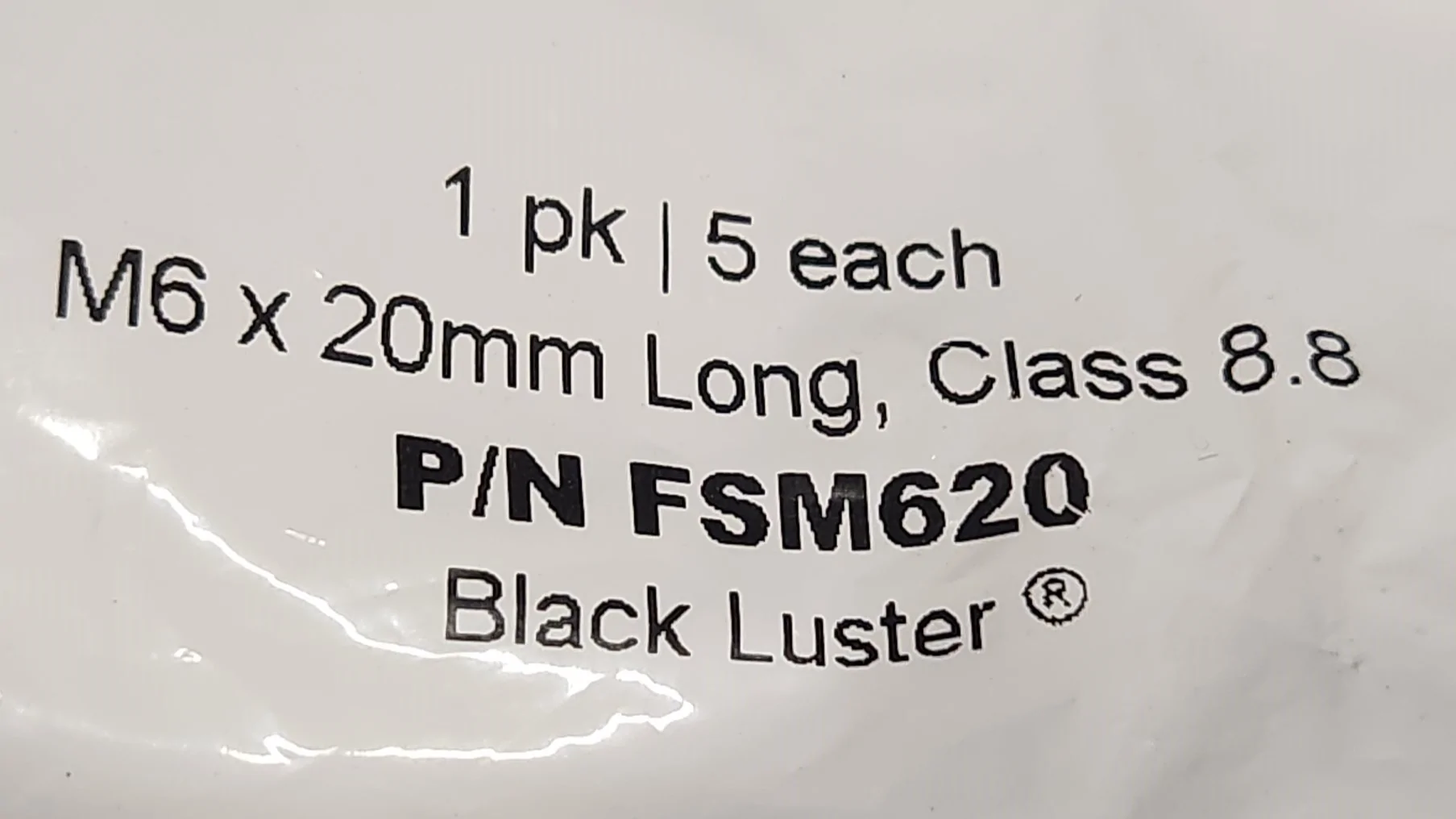
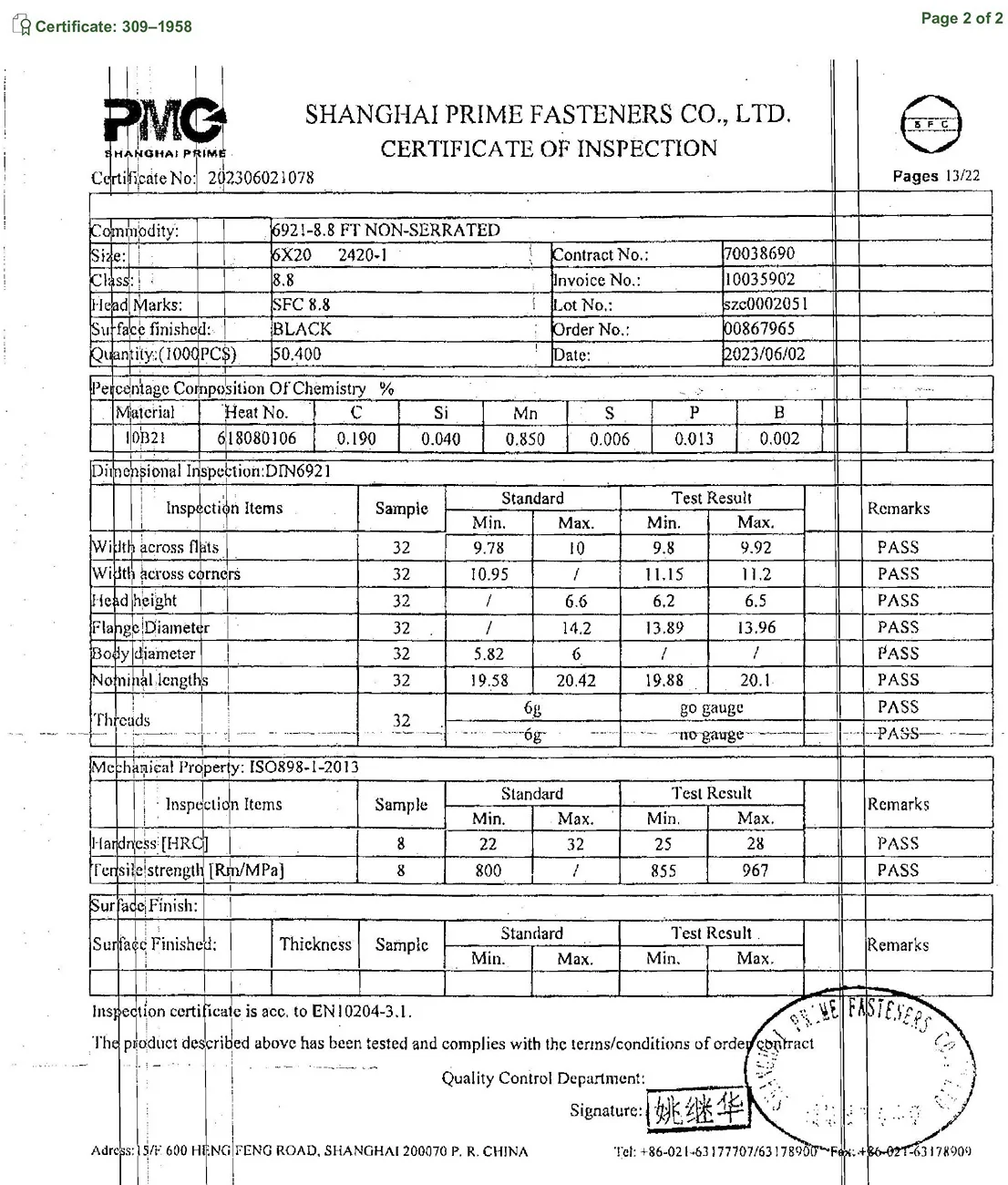
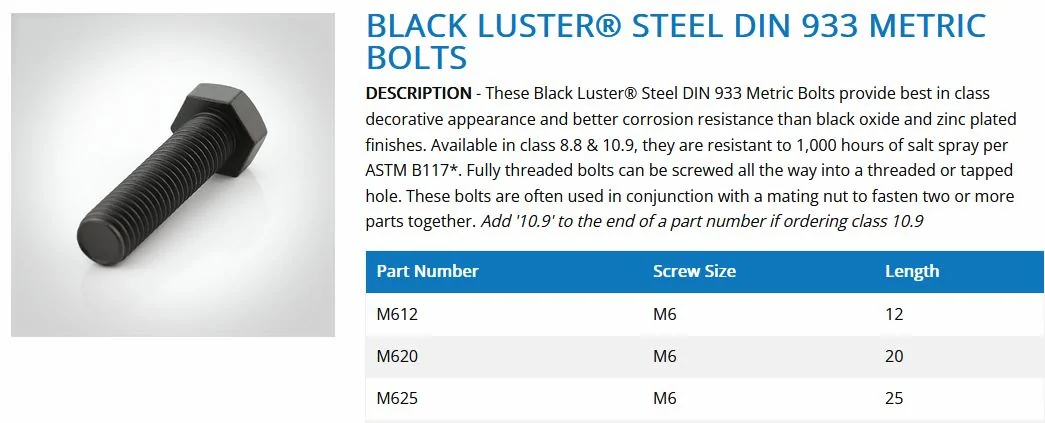
You have to then subtract the original flange thickness of 3.03mm from that number. You end up with a hole depth of 20.33mm. Likely not threaded to 100% of that depth but we can assume it is close to that. For the new, thicker flange setup, you have to add the 6.24mm thickness dimension to that, resulting in 26.57mm of depth. Either an M6 x 20mm or M6 x 25mm would provide adequate engagement. Again, just be sure that you have no more than 25mm of thread or thread plus nub residing under the bolt head.
When removing one of my factory flange to case bolts, I had tension such that the flange was pushing up against one side of the bolt. When putting the bolt back in, the assembly wanted to force me to install the bolt cocked, likely crossthreading the threads in the case. Not good. The new design stub can float free of any side load and it uses a larger hole for the bolt to pass through as well.
The more time I spend on this the more I realize what a poor design we were handed. Mine has yet to leak but that isn't stopping me from not allowing it to do just that.
To illustrate, using the "recommended" bolts, look at how much thread you lose with the thicker flange. Bolts are backwards but you get the idea...
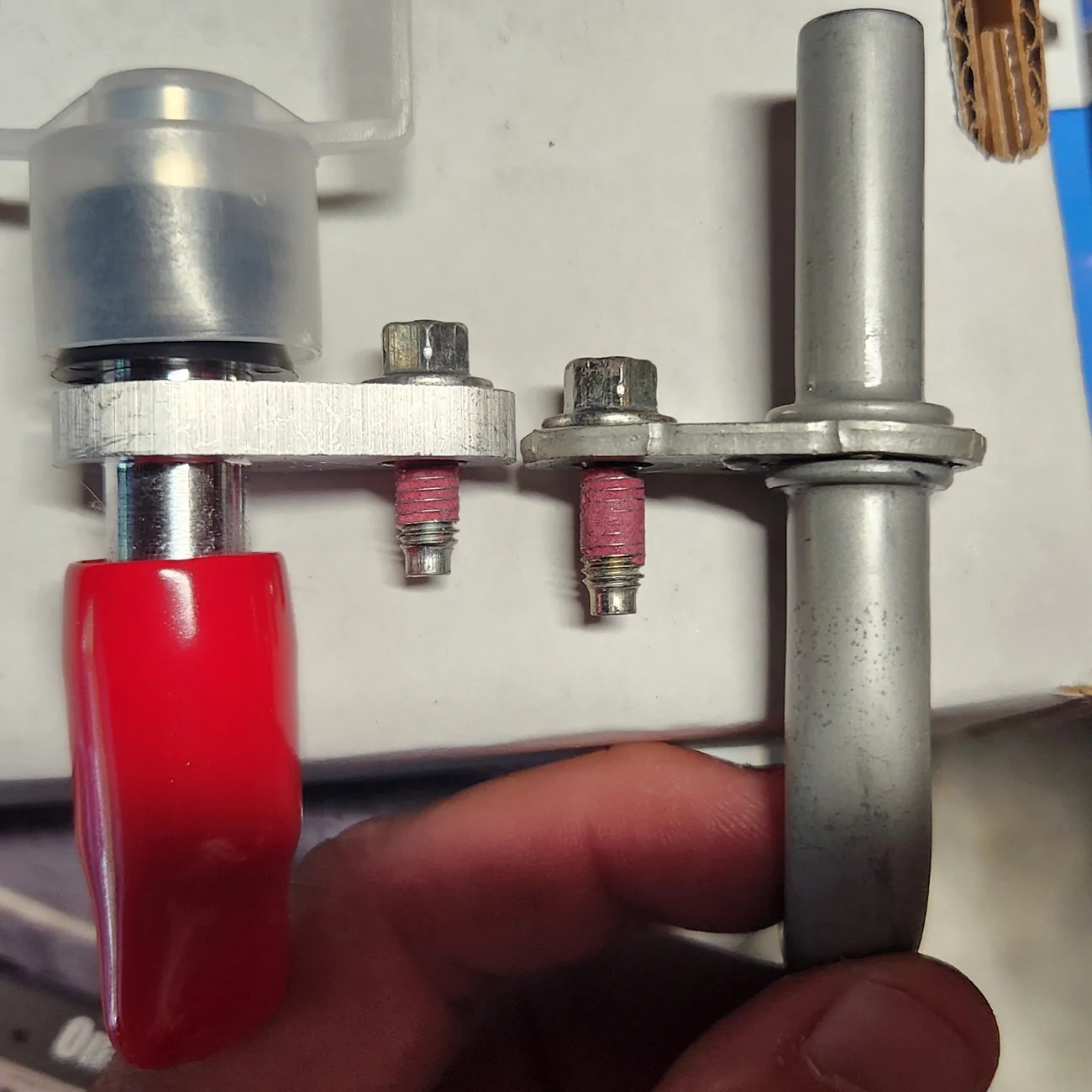
The new, thicker flange...

The old, stamped flange...
So you need a fastener that is ~3.2mm longer than what came in your car. I'm disregarding any numbers Ford uses and being as accurate as I can. First, every dimension I'm going to reference is UHL or under head length. Ford should provide clarity here but they don't and it confuses some people. So disregard OAL or overall length and only consider the thread length beneath the head. Ford also has a nub at the end of some of their fasteners that has no thread and merely takes up space. The nub allows for quicker production times but beyond that does nothing. For clarity's sake, I'll show both where it may matter.
So I pulled a factory line flange bolt from my 2020 GT500.
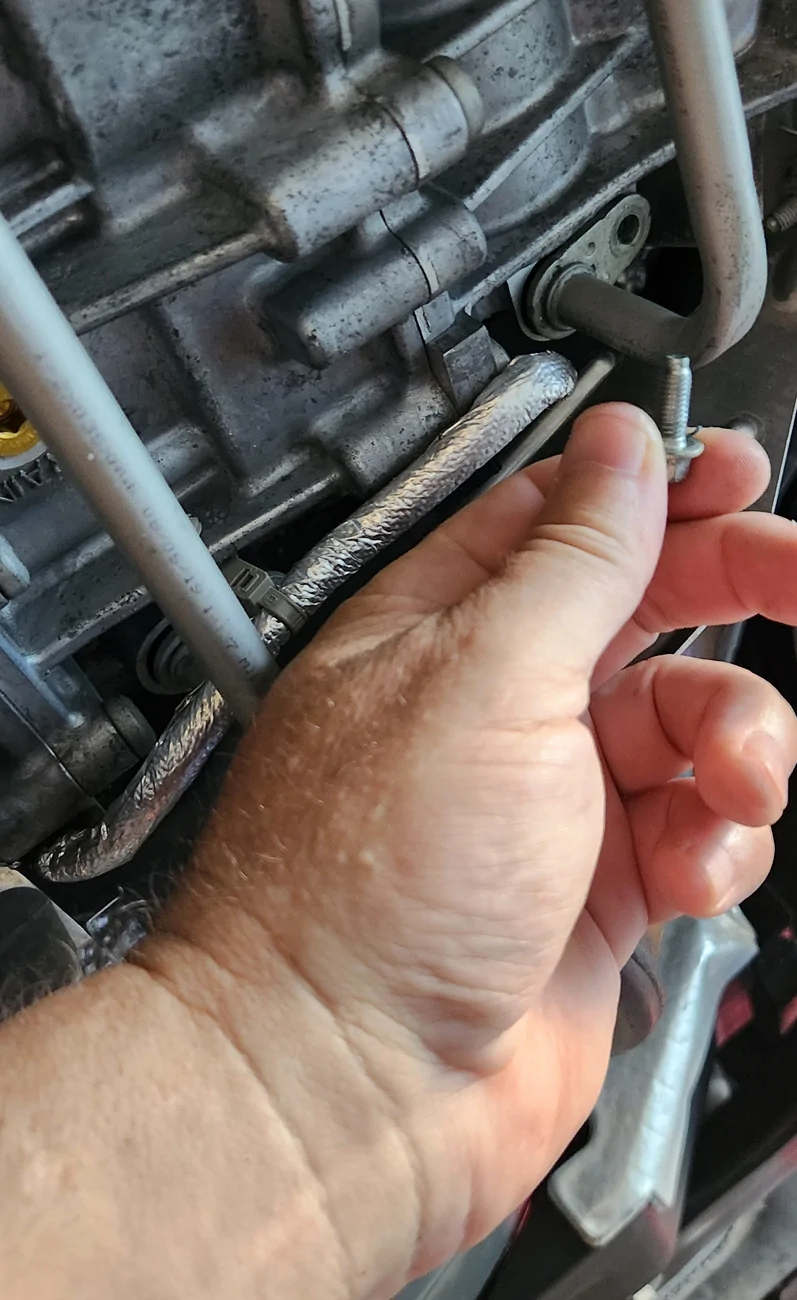
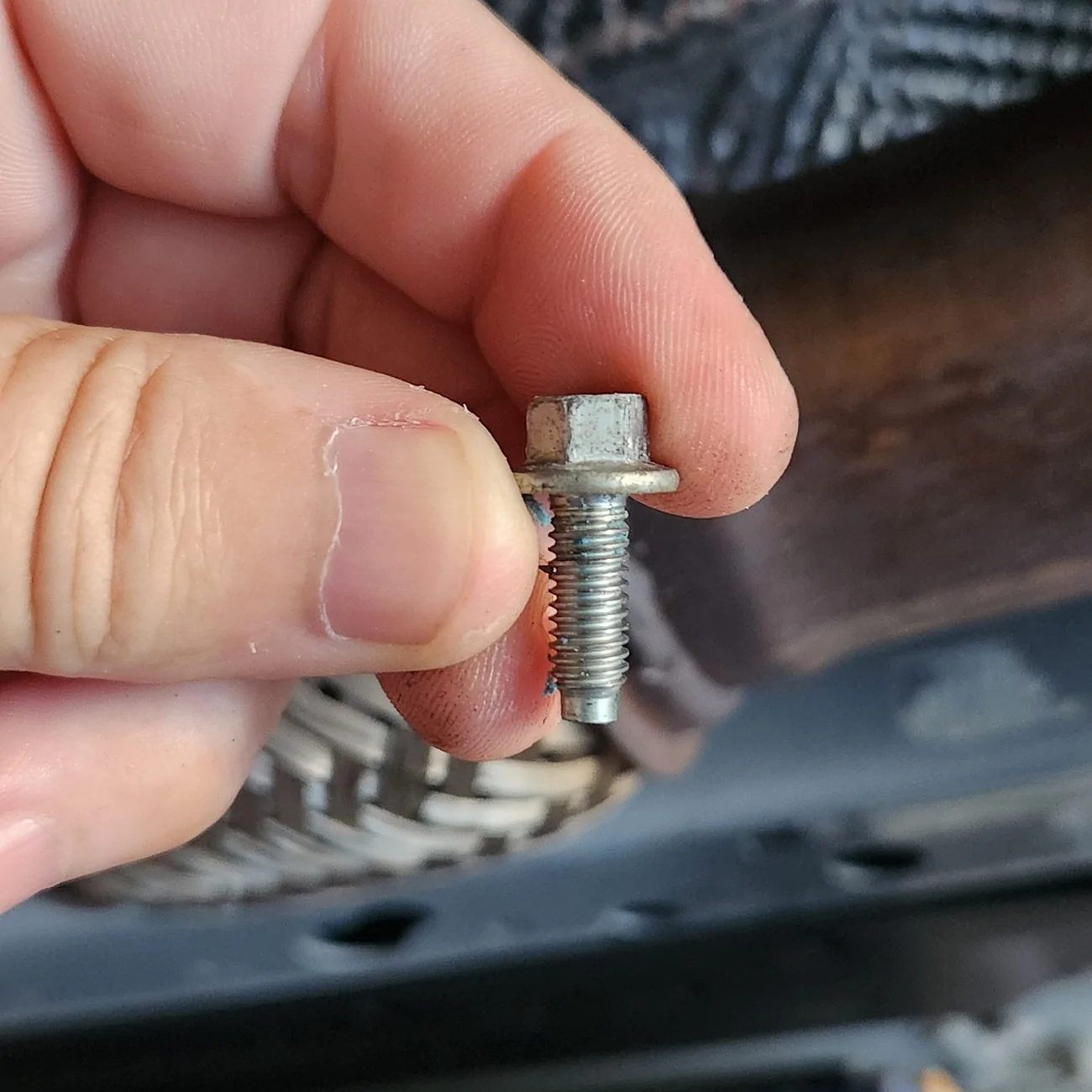
The OEM bolt had pre-applied medium strength thread locker and has a nub on the end. The total underhead length, so nub included, is ~16.46mm.
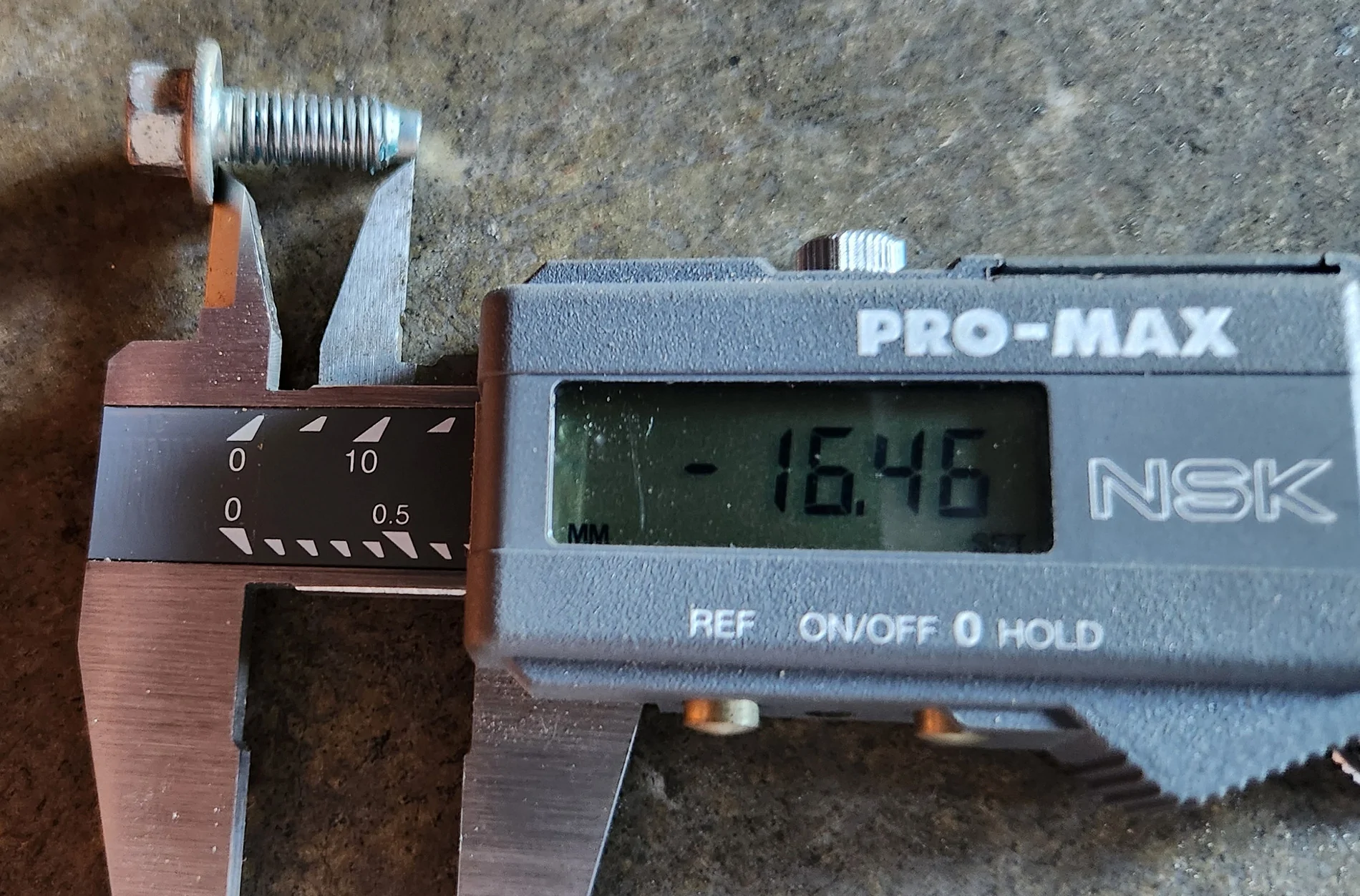
Usable, underhead length, 14mm. This is the number that matters.
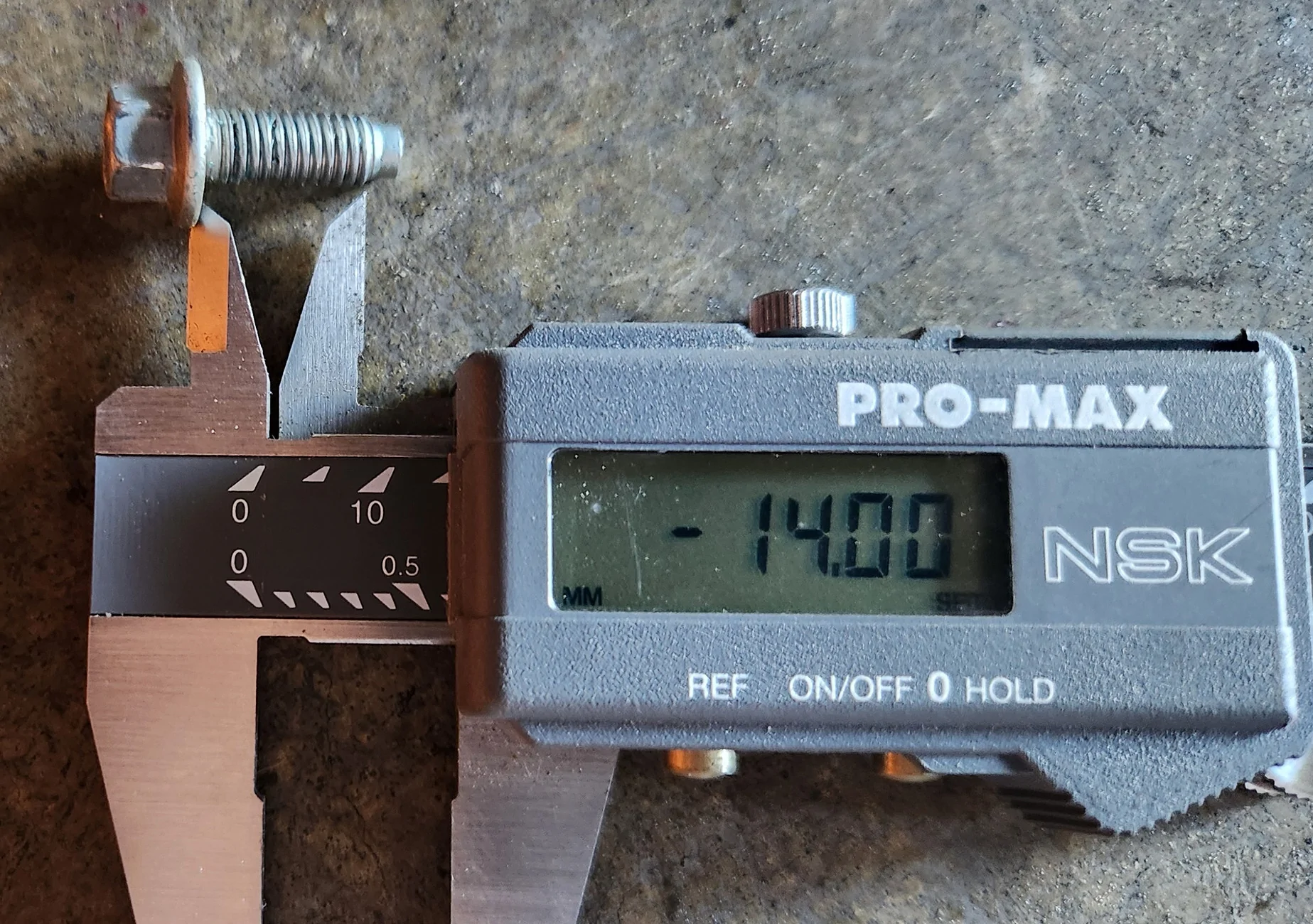
So, combined with the original thin flange, the factory setup had 14mm of thread going into and through a flange that was 3.03mm thick. So you had 11mm (10.97mm actually) of thread going into the DCT case. If you were to use that original bolt with the new design flange, you have 14mm of thread passing through a 6.24mm flange and only have 7.76mm of thread entering the DCT case. You are losing 3.21mm of thread going into the case. No good.
Of note, case hole depth.
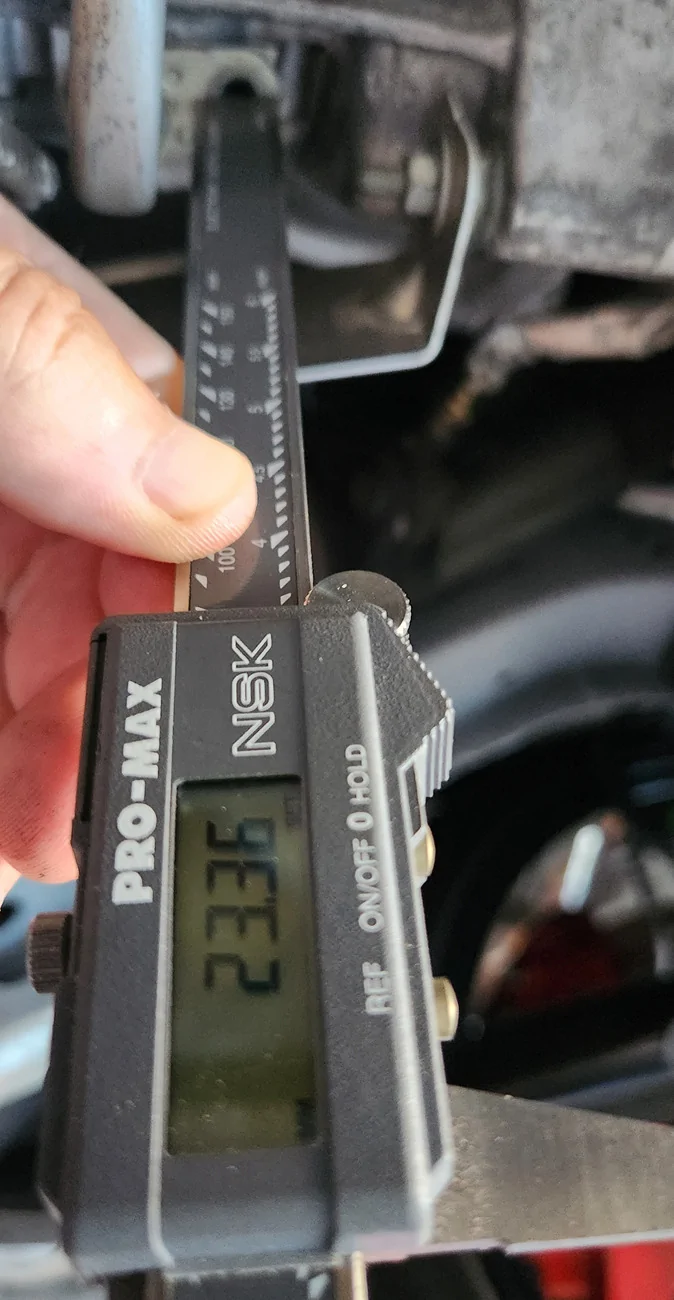
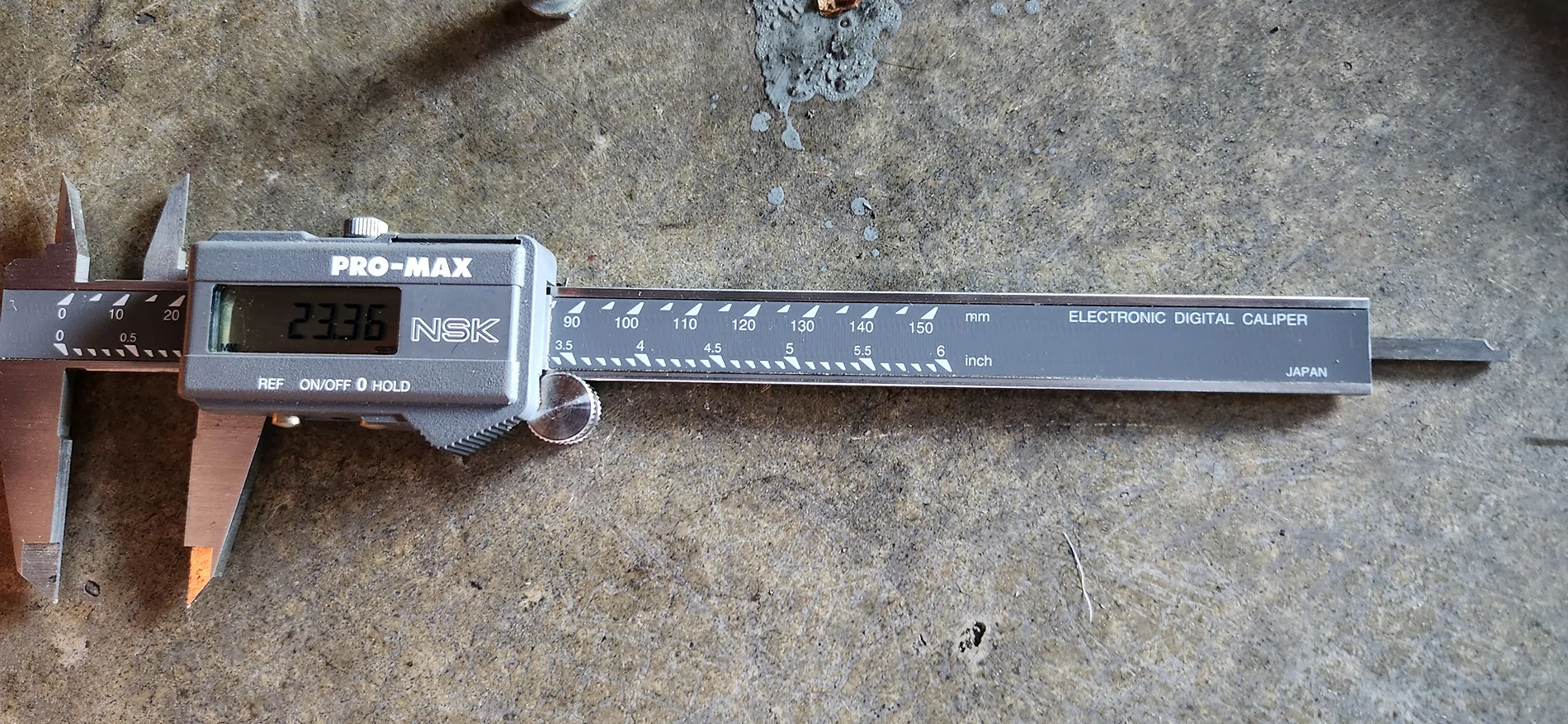
You have to then subtract the original flange thickness of 3.03mm from that number. You end up with a hole depth of 20.33mm. Likely not threaded to 100% of that depth but we can assume it is close to that. For the new, thicker flange setup, you have to add the 6.24mm thickness dimension to that, resulting in 26.57mm of depth. Either an M6 x 20mm or M6 x 25mm would provide adequate engagement. Again, just be sure that you have no more than 25mm of thread or thread plus nub residing under the bolt head.
When removing one of my factory flange to case bolts, I had tension such that the flange was pushing up against one side of the bolt. When putting the bolt back in, the assembly wanted to force me to install the bolt cocked, likely crossthreading the threads in the case. Not good. The new design stub can float free of any side load and it uses a larger hole for the bolt to pass through as well.
The more time I spend on this the more I realize what a poor design we were handed. Mine has yet to leak but that isn't stopping me from not allowing it to do just that.
Sponsored
Last edited: