
Sponsored

UPR or Bob's Oil Catch Can

firestarter2

Well-Known Member
Joined
Jun 16, 2016
Threads
69
Messages
3,207
Reaction score
1,163
Location
NYC
Vehicle(s)
RR G350 Track
Oil catch cans have to be the biggest scam on the GT350 aftermarket. Don't fear detonation or contamination. Apply some logic:

The engine makes plenty of power. Although it looks like substantial mass in the can, divide the mass by say, 100 x 10^6 strokes over 3,000 miles at 4,000 rpm (a good median), at 60 mph (another median). The result is picograms or nanograms of residue per oil change. Most of the aliphatic mass would be blown right out of the engine with the exhaust cycle. There are also additives in gas that probably create residues as well. There are so many other things that will affect performance before insignificantly minute masses of oil.

For Ford, catch cans are nominal cost and maintenance would be a profit, and more than likely they left them off to strip weight due to no perceived benefit. If Ford Performance cares nothing about keeping the engine innards pristine, why go through the trouble and substantial cost if there is no proven benefit? This not a data-driven decision; it's a reaction to hype. Probably the only good reason to have a can would be to counter blow-by induced by a turbo- or super- charged intake, otherwise don't worry about it. Those Track Attack cars do not have catch cans installed as I have asked people who have gone to the FPRS.
Not to be dense but this sounds like a bunch of nonsense. What is your math supposed to mean?

Ford recommend catch cans for the track. Turbos can cause blow by. As can large gaps in piston rings.
Sponsored


 

CANTWN4LSN

Well-Known Member
Joined
May 17, 2015
Threads
15
Messages
814
Reaction score
417
Location
northwest
Vehicle(s)
2017 GT350
Oil catch cans have to be the biggest scam on the GT350 aftermarket. Don't fear detonation or contamination. Apply some logic:

The engine makes plenty of power. Although it looks like substantial mass in the can, divide the mass by say, 100 x 10^6 strokes over 3,000 miles at 4,000 rpm (a good median), at 60 mph (another median). The result is picograms or nanograms of residue per oil change. Most of the aliphatic mass would be blown right out of the engine with the exhaust cycle. There are also additives in gas that probably create residues as well. There are so many other things that will affect performance before insignificantly minute masses of oil.

For Ford, catch cans are nominal cost and maintenance would be a profit, and more than likely they left them off to strip weight due to no perceived benefit. If Ford Performance cares nothing about keeping the engine innards pristine, why go through the trouble and substantial cost if there is no proven benefit? This not a data-driven decision; it's a reaction to hype. Probably the only good reason to have a can would be to counter blow-by induced by a turbo- or super- charged intake, otherwise don't worry about it. Those Track Attack cars do not have catch cans installed as I have asked people who have gone to the FPRS.
Could be wrong but thought someone in another thread mentioned that the Track Attack cars were outfitted with Bob's and that's what the people there recommended more than the FP ones, altho I ordered the FP one.
 

KenF

Well-Known Member
Joined
Mar 4, 2017
Threads
3
Messages
59
Reaction score
14
Location
Austin, TX
First Name
Ken
Vehicle(s)
2017 LB GT350
I can't speak to the Bob's ones but I can tell you when I researched catch cans I ended up with the UPR ones and haven't regretted it for a second. Build quality is supurb they feel, look, perform, solid. Install was easy, fittings were perfect, hoses were high end and matched the engine bay, and performance wise the passenger side caught almost 1oz of oil/water after only 1k miles on my car. Plus when my original shipment didn't have the drivers side pieces I paid for they were super apologetic and got me my missing piece quickly. So service has been great. There you go my vote for UPR
 

dron_jones

Well-Known Member
Joined
Mar 31, 2016
Threads
50
Messages
1,181
Reaction score
912
Location
Fell into a pot hole in Michigan and can't get bac
Vehicle(s)
Me crazy, and I can't help myself
Oil catch cans have to be the biggest scam on the GT350 aftermarket. Don't fear detonation or contamination. Apply some logic:

The engine makes plenty of power. Although it looks like substantial mass in the can, divide the mass by say, 100 x 10^6 strokes over 3,000 miles at 4,000 rpm (a good median), at 60 mph (another median). The result is picograms or nanograms of residue per oil change. Most of the aliphatic mass would be blown right out of the engine with the exhaust cycle. There are also additives in gas that probably create residues as well. There are so many other things that will affect performance before insignificantly minute masses of oil.

For Ford, catch cans are nominal cost and maintenance would be a profit, and more than likely they left them off to strip weight due to no perceived benefit. If Ford Performance cares nothing about keeping the engine innards pristine, why go through the trouble and substantial cost if there is no proven benefit? This not a data-driven decision; it's a reaction to hype. Probably the only good reason to have a can would be to counter blow-by induced by a turbo- or super- charged intake, otherwise don't worry about it. Those Track Attack cars do not have catch cans installed as I have asked people who have gone to the FPRS.

[ame]

Here is a good video of the explanation so people can make their own decisions. At the end of the day is it critical to run the car? Obviously no because if they were they would have come with the car. Do they actually do something? Of course they do, a quick search and you can find many people track and street drivers showing how much oil had been collected between oil changes. Now if you chose not to utilize the catch cans that oil would have just been rerouted back through the intake/combustion chamber so utilizing these cans will reduce any buildup on those components leading to an engine that operates with stronger performance longer.....
 

firestarter2

Well-Known Member
Joined
Jun 16, 2016
Threads
69
Messages
3,207
Reaction score
1,163
Location
NYC
Vehicle(s)
RR G350 Track
I just installed the bobs. Its ok for the price I should not have to cut hoses to length.
 

Sponsored

cking

Well-Known Member
Joined
Dec 27, 2016
Threads
70
Messages
847
Reaction score
239
Location
FL
Vehicle(s)
17GT350AG/BS-MGW/UPR/ABLIP
I still want see what is in cans. I've seen what ford has.
 

firestarter2

Well-Known Member
Joined
Jun 16, 2016
Threads
69
Messages
3,207
Reaction score
1,163
Location
NYC
Vehicle(s)
RR G350 Track
Yeah I cant speak to what in the cans but Bob's is not worth 499 to me. The UPR seems like a cleaner solution
 

dron_jones

Well-Known Member
Joined
Mar 31, 2016
Threads
50
Messages
1,181
Reaction score
912
Location
Fell into a pot hole in Michigan and can't get bac
Vehicle(s)
Me crazy, and I can't help myself
I still want see what is in cans. I've seen what ford has.
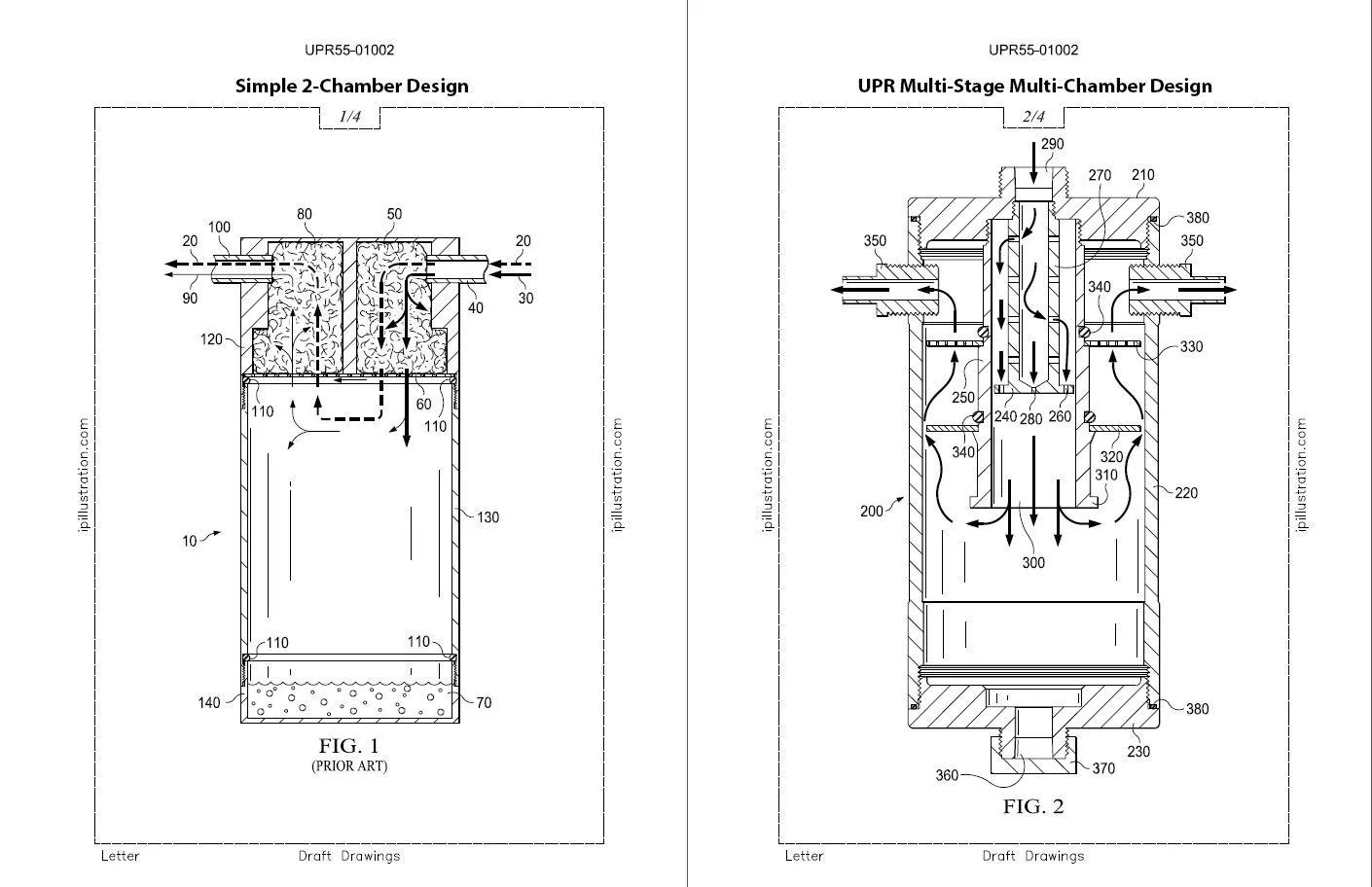
80-upr_best_catch_can_comparison_a02993108db16c58700267b72f081df7b61b816b.webp


Here is the technical drawing difference of UPR's system vs. a traditional condensing unit which is what the ford performance unit is.

Personally i have been very happy with the UPR in terms of quality and OEM look and the fact that its tucked out of the way. The only downside IMO of the UPR is that they don't give you any installation instructions. Now its not rocket science but isn't 100% obvious from pictures either. A one page set of instructions would go a long way to speeding up the install.
 

torque124

Torque
Joined
Aug 13, 2016
Threads
66
Messages
1,500
Reaction score
778
Location
MA
Vehicle(s)
Shelby GT350R
Vehicle Showcase
1
If the catch cans would have any benefit in the longevity of the engine, other brands would have them deployed a long time ago. None of the high boost applications from BMW , Audi run catch cans.

Why ? They are just hype. Maybe in a supercharged engine like the GT500 you would run them to stop the oil bathing the charger, but in our case, it blows right into the engine and gets burned.

My 2 cents. but I do run one on passenger side.driver side caught nothing in 2 track days and very high rpm driving, so out it went.
 

TheDeadCow

Just some guy
Joined
Apr 17, 2016
Threads
9
Messages
602
Reaction score
376
Location
Gilbert, Arizona
First Name
Mike
Vehicle(s)
Hot Rod
Vehicle Showcase
1
If the catch cans would have any benefit in the longevity of the engine, other brands would have them deployed a long time ago. None of the high boost applications from BMW , Audi run catch cans.

Why ? They are just hype. Maybe in a supercharged engine like the GT500 you would run them to stop the oil bathing the charger, but in our case, it blows right into the engine and gets burned.

My 2 cents. but I do run one on passenger side.driver side caught nothing in 2 track days and very high rpm driving, so out it went.
Oil is more combustible than gas (i.e. lower octane rating). By adding oil to your intake charge you're in effect reducing the octane rating of the intake fuel (air/gas + the PCV oil). On a motor with 12:1 compression, you probably don't want to decrease the octane rating of the fuel by too much. Just my .02
 

Sponsored

torque124

Torque
Joined
Aug 13, 2016
Threads
66
Messages
1,500
Reaction score
778
Location
MA
Vehicle(s)
Shelby GT350R
Vehicle Showcase
1
Oil is more combustible than gas (i.e. lower octane rating). By adding oil to your intake charge you're in effect reducing the octane rating of the intake fuel (air/gas + the PCV oil). On a motor with 12:1 compression, you probably don't want to decrease the octane rating of the fuel by too much. Just my .02
I think you meant Oil is LESS combustible than gas ? Try to burn oil, you need more heat/energy to make it burn than gas ?

It's all about proportions... You are talking less than 0.05 gallons in over 3000 miles.. That is over 160 gallons of fuel.
It's like pissing in the Mississippi river and saying that water is salted one mile down the road :)
 

TheDeadCow

Just some guy
Joined
Apr 17, 2016
Threads
9
Messages
602
Reaction score
376
Location
Gilbert, Arizona
First Name
Mike
Vehicle(s)
Hot Rod
Vehicle Showcase
1
No, oil is more combustible than gas. That's the whole point of using a catch can.
 

JAJ

Well-Known Member
Joined
Apr 9, 2016
Threads
4
Messages
2,230
Reaction score
1,986
Location
Vancouver BC
Vehicle(s)
2016 GT350 Track Pack
If the catch cans would have any benefit in the longevity of the engine, other brands would have them deployed a long time ago. None of the high boost applications from BMW , Audi run catch cans...
They don't have catch cans as we know it because they don't want the owner to have to drain it. The oil they're trying to remove isn't vapor, it's tiny droplets entrained in the breather air. They stop the droplets from getting into the intake manifold with clever labyrinth style separators integrated into the crankcase breather circuit pathway. My 2003 BMW M5 had a pair of cyclone style separators on the front of the engine. Crankcase air went through them and they separated the oil and drained it into the sump.

Also, it's not oil burning they are worried about - it's the deposits on the valves and piston heads from the "sulfated ash" that the burned oil leaves behind. It can accumulate and form tiny hotspots and cause detonation.
 

Trackaholic

Well-Known Member
Joined
Nov 9, 2013
Threads
7
Messages
3,035
Reaction score
1,474
Location
USA
Vehicle(s)
2003 350Z, 2016 GT350, 2018 Pacifica Hybrid
As with most mods, you should figure out your goal.

As has been mentioned above, the PCV system is INTENDED to suck oil vapor out of the crank case and burn it in the engine. It prevents pressure in the crank case from forcing oil vapor past various seals and into the air. It is much cleaner if that vapor is evacuated and burned (or drained back into the pan as mentioned above).

If you have a direct injected car, that oil coming through the intake can stick to the intake valves and get cooked on, leaving a hard residue that will gradually reduce airflow.

If you have a port injected car, the fuel spray will wash away the oil residue, taking it into the engine where it is burned.

Sometimes, especially during hard cornering, a bolus of oil can get sucked into the PCV system. If this mass of oil makes its way to the intake, it can foul the airflow sensor and cause the car to go into limp mode. I'm not aware of this happening in the Mustang, but it did happen to my friend's Gen V Viper, and almost caused him to get rear-ended on track, as his car suddenly slowed on corner exit.

So, decide if you care about any of those possible outcomes, and that will help you determine if a catch can/separator is something that would give you peace-of-mind.

Because the Voodoo is port injected, I don't see a need for a catch to prevent build-up on the valves, since the fuel already takes care of that.

The detonation issue is interesting. My 1984 Nissan pickup may have had that type of issue. I could shut off the ignition on that car, and it would continue to idle (maybe due to hot spots allowing the engine to self detonate). I'd have to put the car in gear and pop the clutch in order to stall the car. I don't think that would be much of an issue on a modern car, but a separator certainly wouldn't hurt.

Still, it seems like the biggest reason to get one is to prevent oil from getting into the intake and causing a limp-mode condition while on track. The small amount of oil that otherwise gets ingested has a negligible effect on performance, as indicated by the fact that no MFR sees fit to include a separator from the factory. The (essentially) zero performance gain is not worth the maintenance headache for the average consumer.

I have the UPR setup on my car, and have been impressed with the quality of components and the relative ease of use. I did include some installation photos in my "GT350 Experience" thread.
http://www.mustang6g.com/forums/showthread.php?t=45304

I have also heard good things about the Bob's system, but when I bought my separator, it wasn't yet a complete kit so the choice of UPR was easy. I think the UPR system is very nice and have no problem recommending it to those interested in a catch can.

If you don't think you require a catch can based on your driving situation, you're probably right.

-T
 
Last edited:

torque124

Torque
Joined
Aug 13, 2016
Threads
66
Messages
1,500
Reaction score
778
Location
MA
Vehicle(s)
Shelby GT350R
Vehicle Showcase
1
They don't have catch cans as we know it because they don't want the owner to have to drain it. The oil they're trying to remove isn't vapor, it's tiny droplets entrained in the breather air. They stop the droplets from getting into the intake manifold with clever labyrinth style separators integrated into the crankcase breather circuit pathway. My 2003 BMW M5 had a pair of cyclone style separators on the front of the engine. Crankcase air went through them and they separated the oil and drained it into the sump.

Also, it's not oil burning they are worried about - it's the deposits on the valves and piston heads from the "sulfated ash" that the burned oil leaves behind. It can accumulate and form tiny hotspots and cause detonation.
Nah, no deposits. This engine is not direct injection in the cylinder like some bmw's... I had a catch can from purchase on my 335i, which was heavily boosted, and after 40,000 miles still had to clean the valves. They were horrible. Catch can helped zero, nada ; and I was emptying it regularly , so it was filling up ok.
Sponsored


Top