Evolvd
Instigator
- Joined
- Jan 19, 2015
- Threads
- 186
- Messages
- 6,877
- Reaction score
- 5,889
- Location
- Northwest Florida
- First Name
- Brian
- Vehicle(s)
- 2021 Shelby GT500
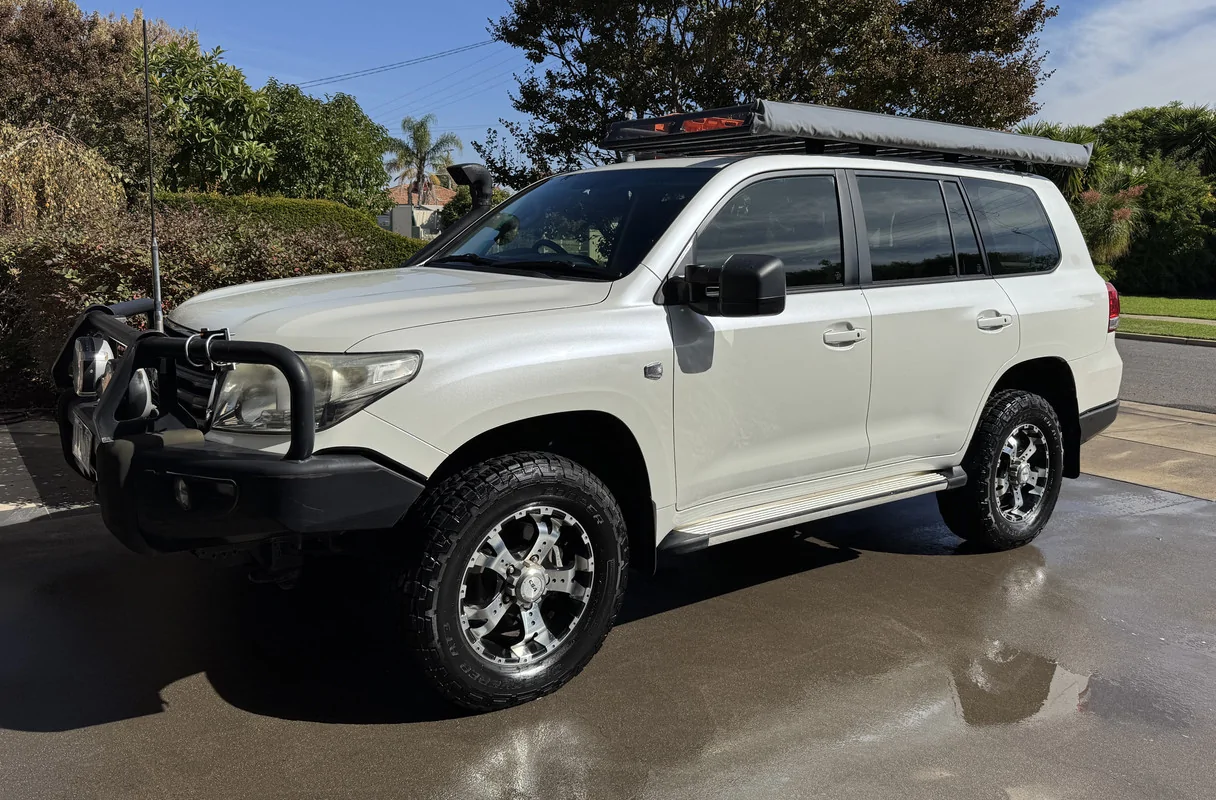
I’d be curious to leave one outside and one in your garage for a year or two and see how they hold up after your work. Or maybe ceramic coat one and leave the other one bare.After I detailed this 2012 Toyota Landcruiser back in April, I noted that the headlights were needing attention due to heavy oxidation and crazing. The owners have been using the vehicle more and more for caravan towing, doing some big distances in the process. I mentioned the headlights weren't very roadworthy in that condition and would probably need to be addressed at some point.
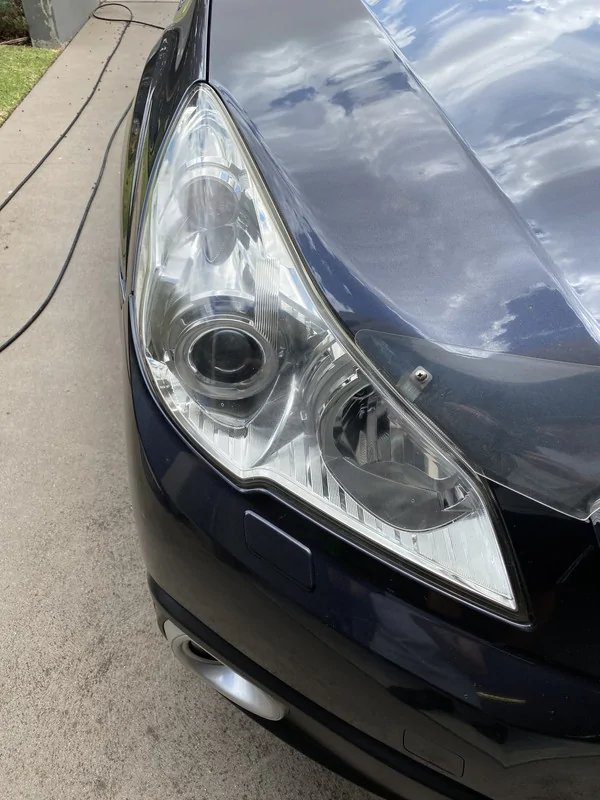
This image from April doesn't fully depict just how bad they were..............

Initially, I suggested the headlights could be polished out to buy some time, but the results would be short lived. Oxidation like this returns within a few months due to the degradation of the UV coating that is baked into the plastic at the factory. In the end, rather than investing time and money into something that would only yield short-term results, they decided to have the headlights replaced.
So, two brand new genuine Toyota headlights were installed yesterday. This was not a quick replacement, the job also involved removing that huge steel bull bar. With the bar out of the way, they could then remove the grill and truncated plastic bumper, which then gave access the headlight mounting hardware. So, two brand new genuine headlights, plus all of the labour to remove and re-install the bull bar, there wasn't much change out of $2000.
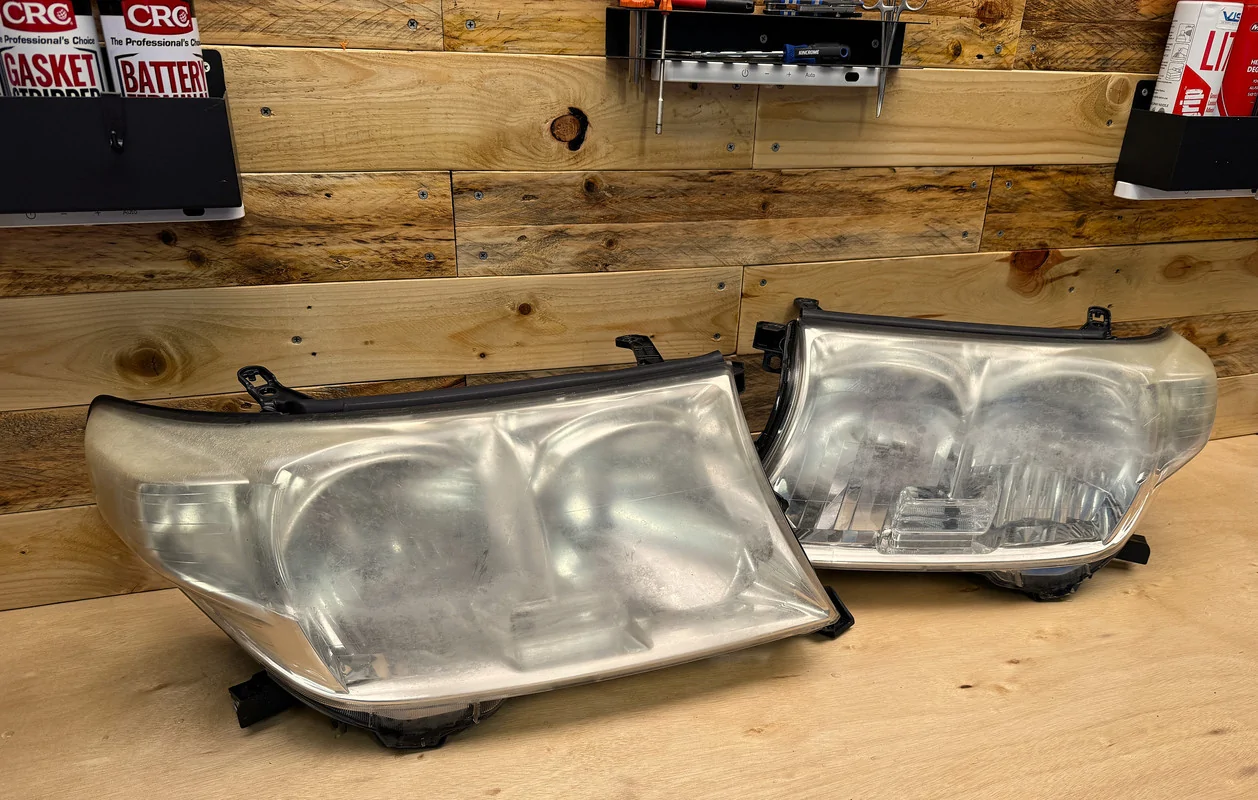
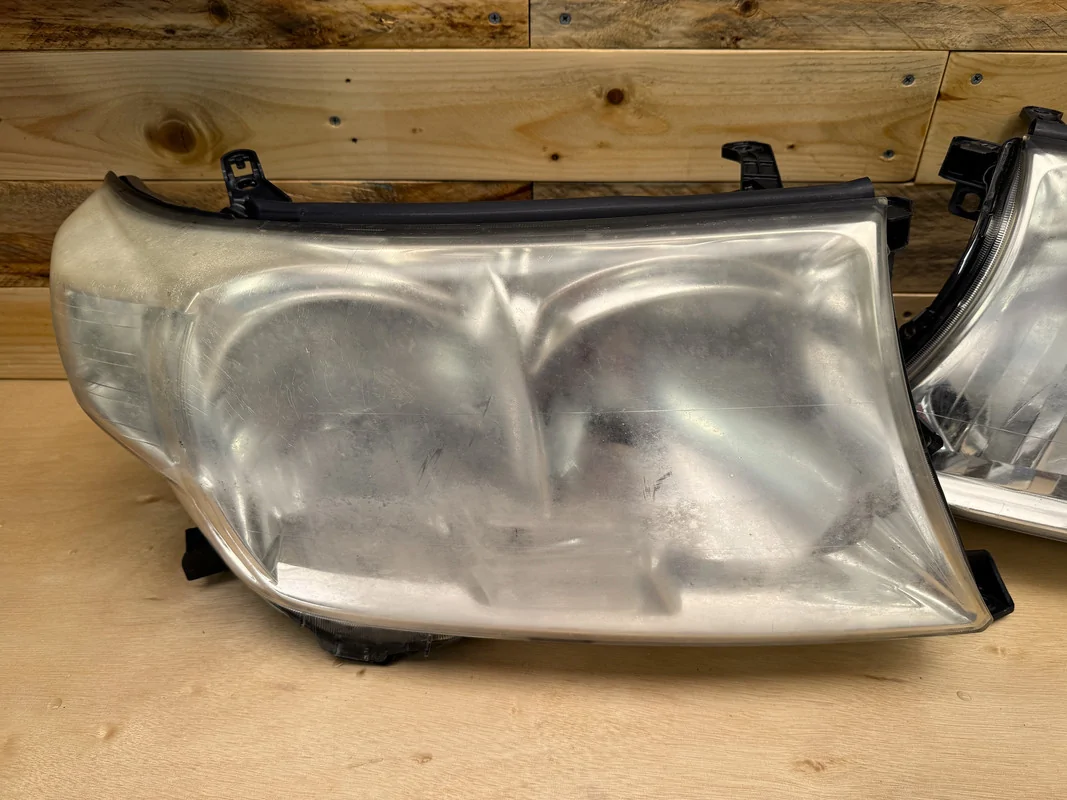
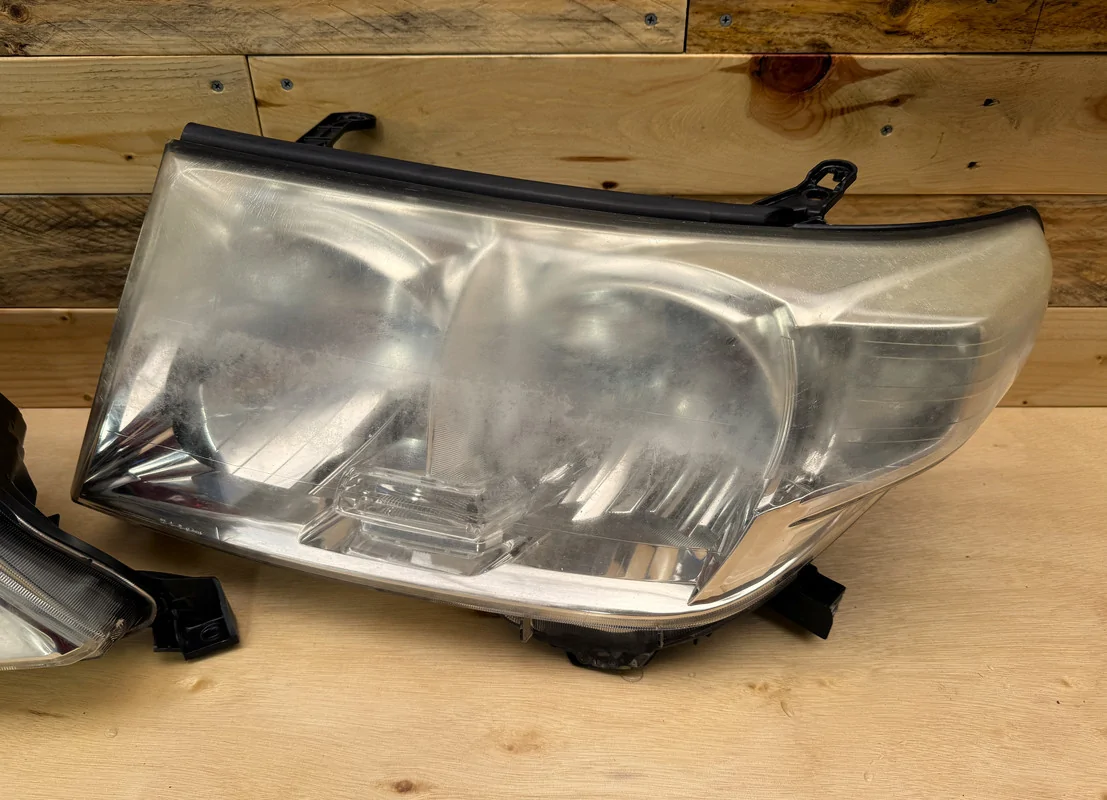
Before they took the vehicle in for this work, I asked if they could keep the old headlights so that I could have a go at re-finishing them. But when I went to pick them up this morning, I discovered just how truly massive these things are! When fitted to the vehicle, the headlight size is disguised by the sheer massiveness of the Landcruiser itself.
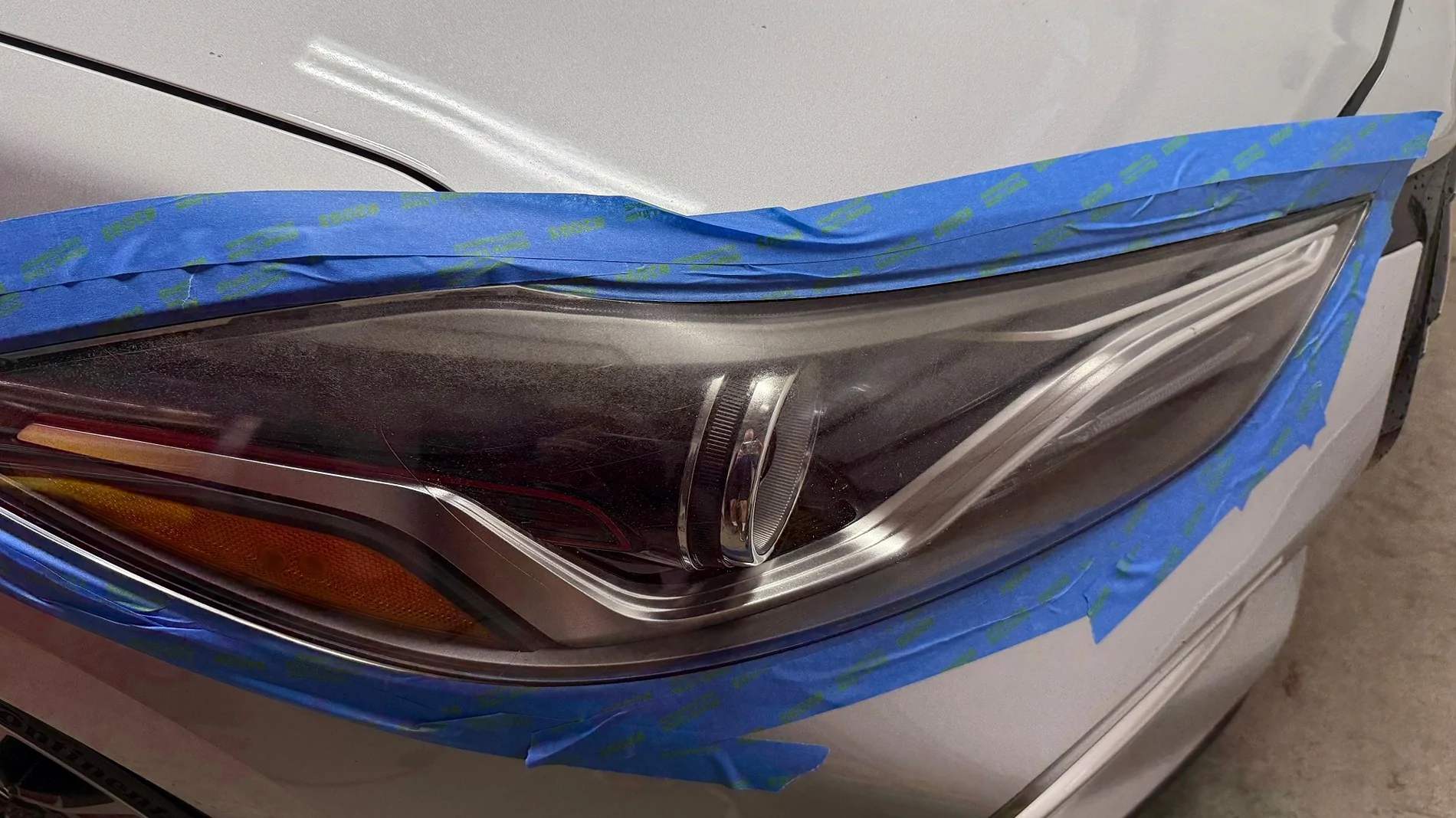
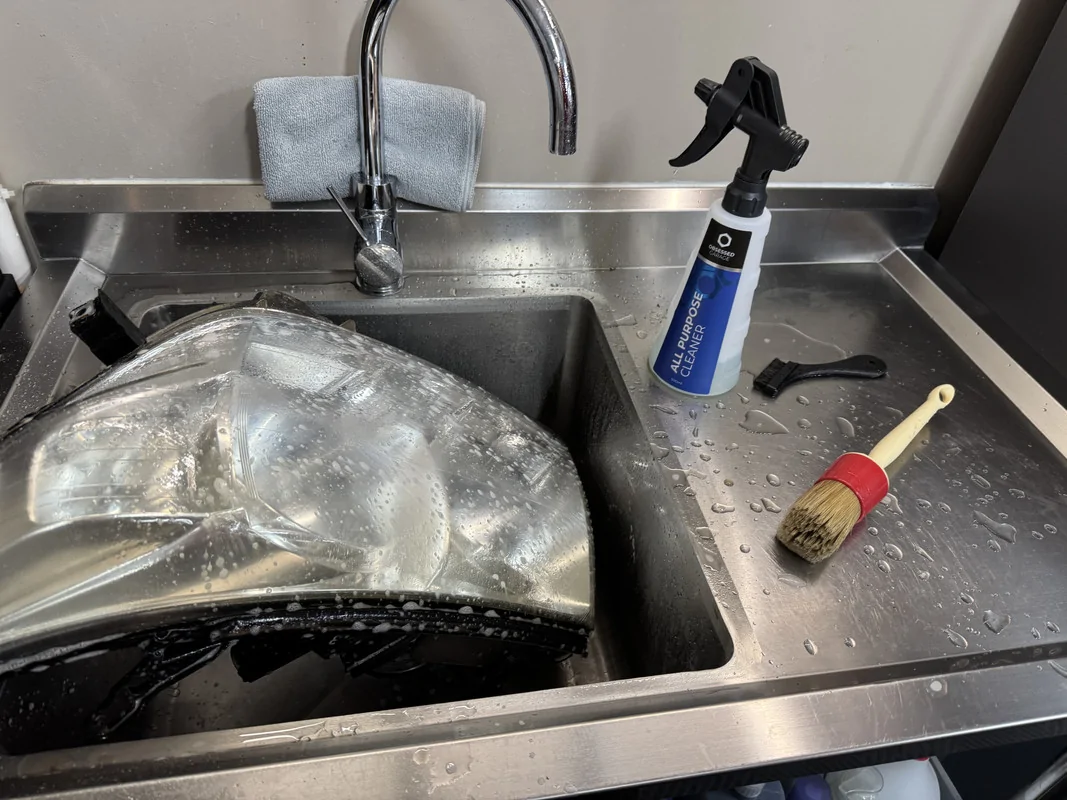
First off, I taped up the bulb locators to prevent getting moisture inside the lens. I then took some Green Star and a brush to clean off 13-years worth of dirt and grime from behind the unit and around the edges. For reference, this vehicle has been parked outdoors its whole life.

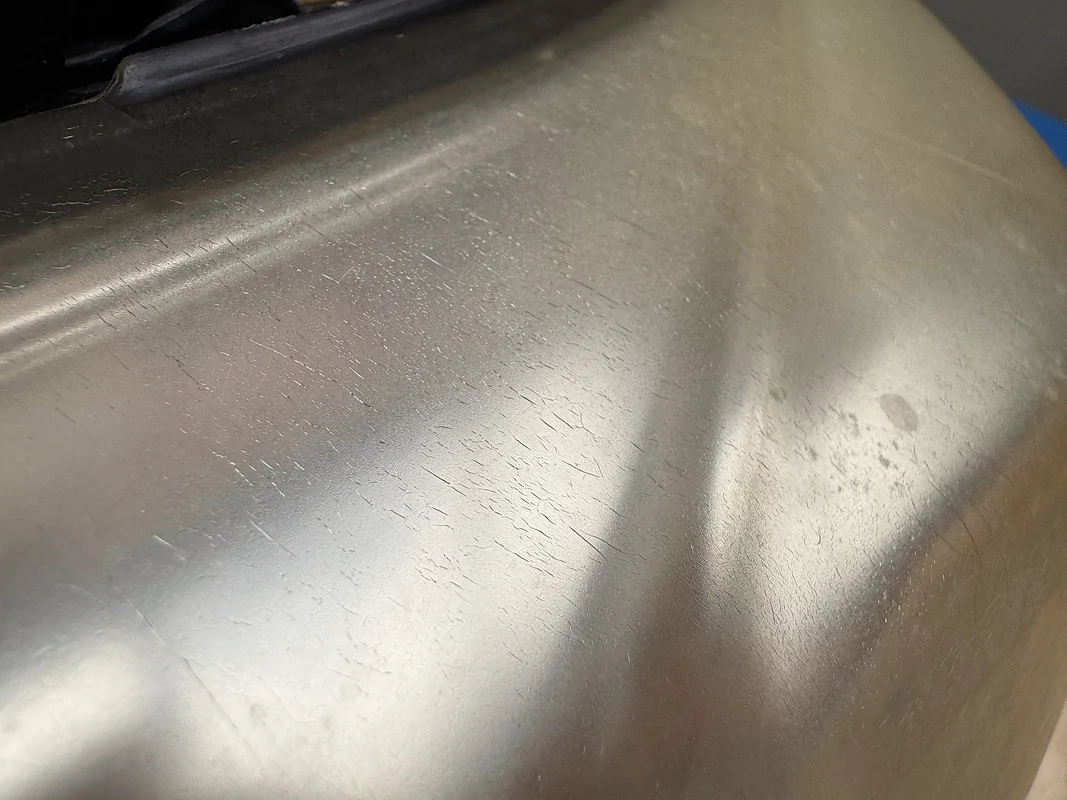
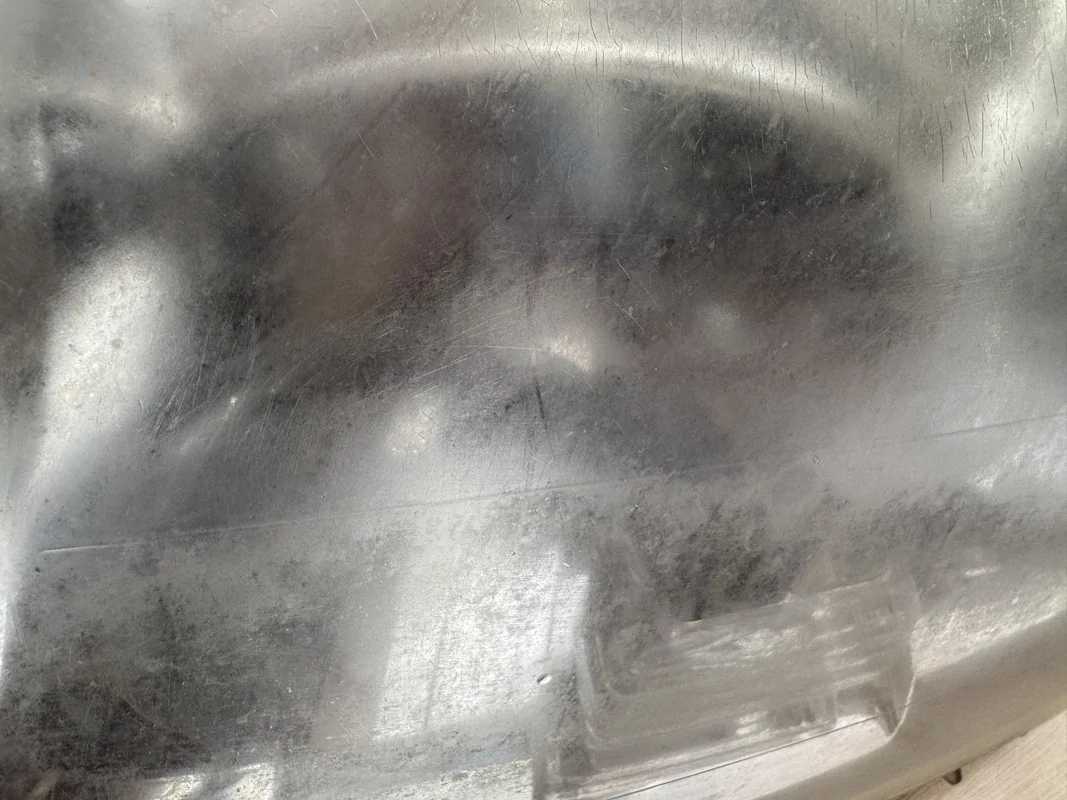
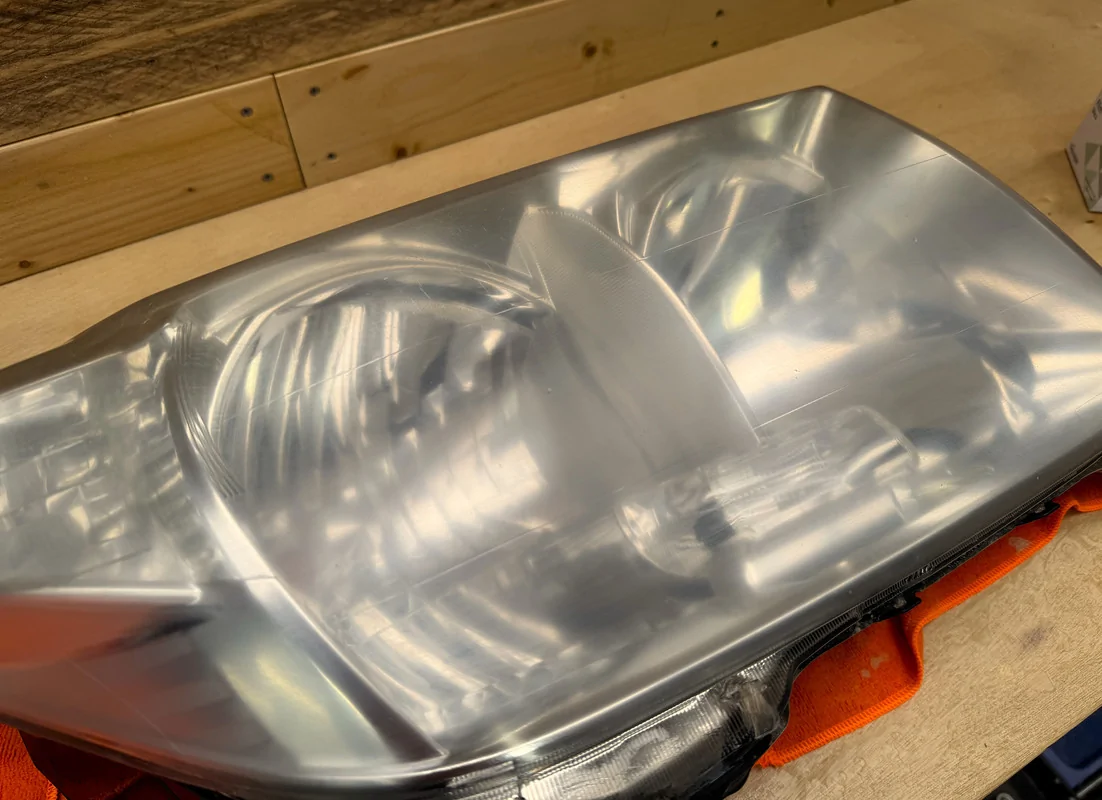
Again, the camera hides how bad they are. While the oxidation covered the entire lens, the top edge facing toward the sky had become yellowed and crazed. Now, I knew I wouldn't get all of that out, not unless I disassembled the entire headlight unit, and that wasn't happening.


I normally just polish headlights like this. In most cases a set of passes with a wool pad and a heavy compound knocks down the oxidation, then a pass with a finishing polish on a foam pad cleans them up. You won't get perfection, but considering how quick and simple this method is, the results are hardly disappointing.


As a general rule of thumb, you should never polish headlights unless needed. Just like paint, the more you polish, the more UV clear coating you remove, which in turn speeds up the decline. The thing is, if your headlights are showing signs yellowing or have a cloudy finish, that means the UV coating has already began to fail. In which case, polish away...............or replace them.
Just know that because the coating is compromised, the damage will continue to return, and return faster and faster after each polishing. The only way to stop this would be to lock in the finish with a clear coat or PPF. However, achieving a flat/uniform finish with clear coat is virtually impossible on headlights, and PPF is not always a readily available option for many. Also, ceramic coatings and dedicated headlight sealants only delay the inevitable, I know because I've tried them all.
On this occasion, I wanted to use these headlights as a learning platform, in particular wet sanding. This method requires considerably more time and effort, but is often required when the oxidation has progressed beyond what polishing alone can achieve. Also, if the UV clear coat has begun peeling or the headlight has a patchy look, wet sanding is your only option. In this situation, wet sanding will remove the remainder of the UV coating, in turn leveling the finish down to bare, smooth plastic.
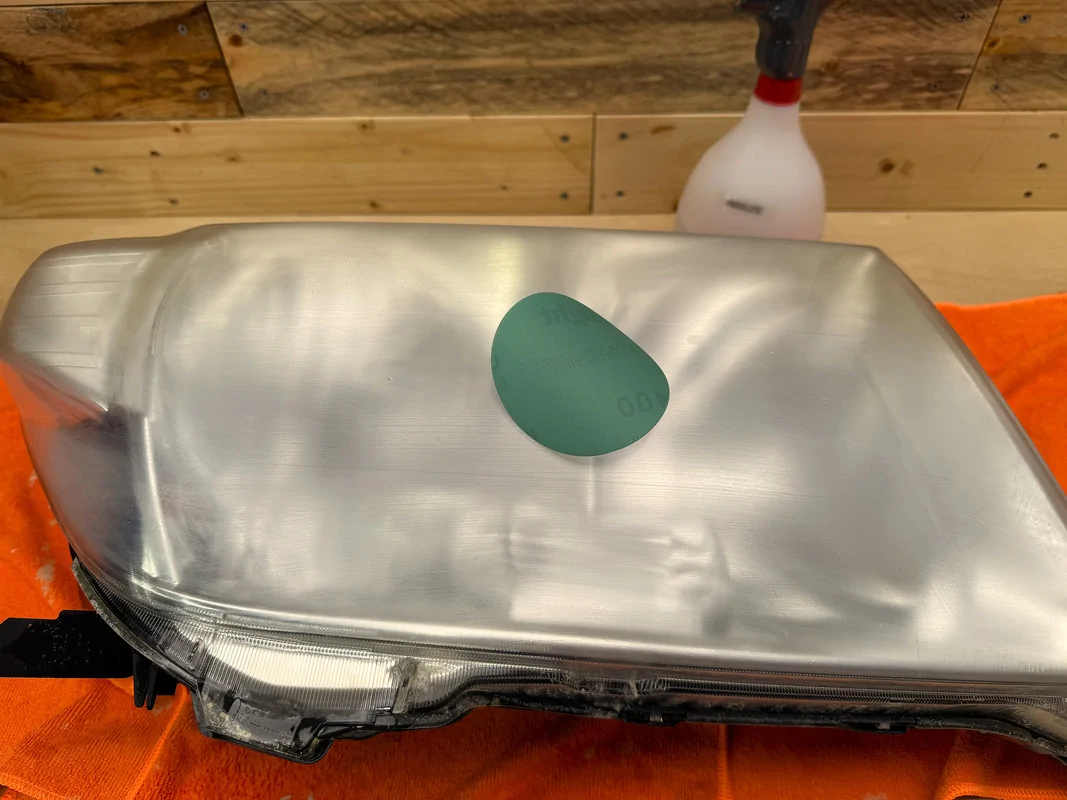
First step, I stared with 400 grit. For lubrication during the whole sanding process, I used P&S Absolute at 128:1.
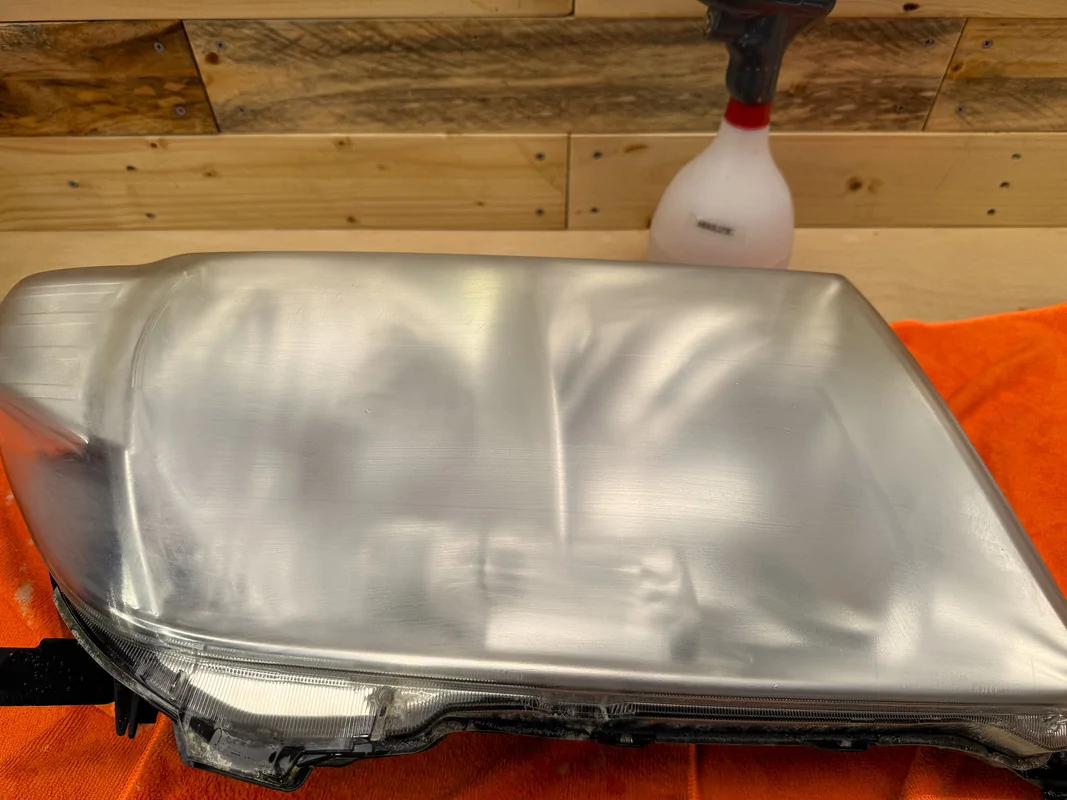
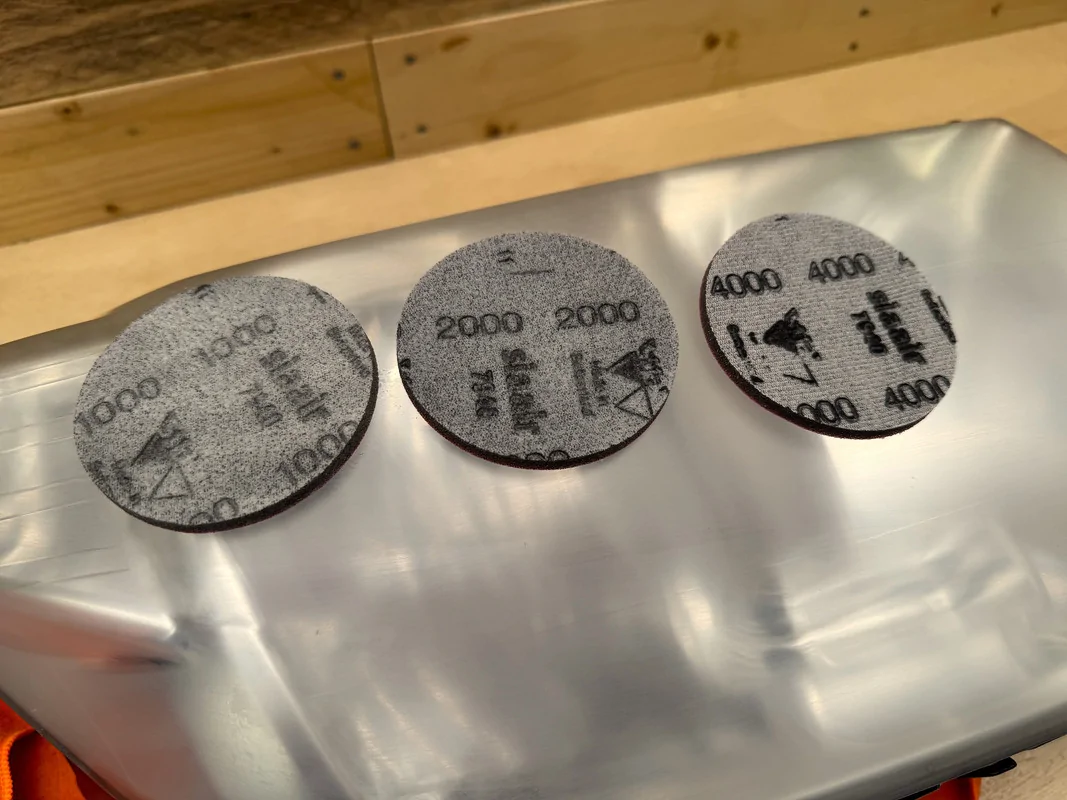
From there, I worked my way through 1000, 2000 and 4000 grit. In hindsight, I would probably start with 600 or 800 grit in the future.

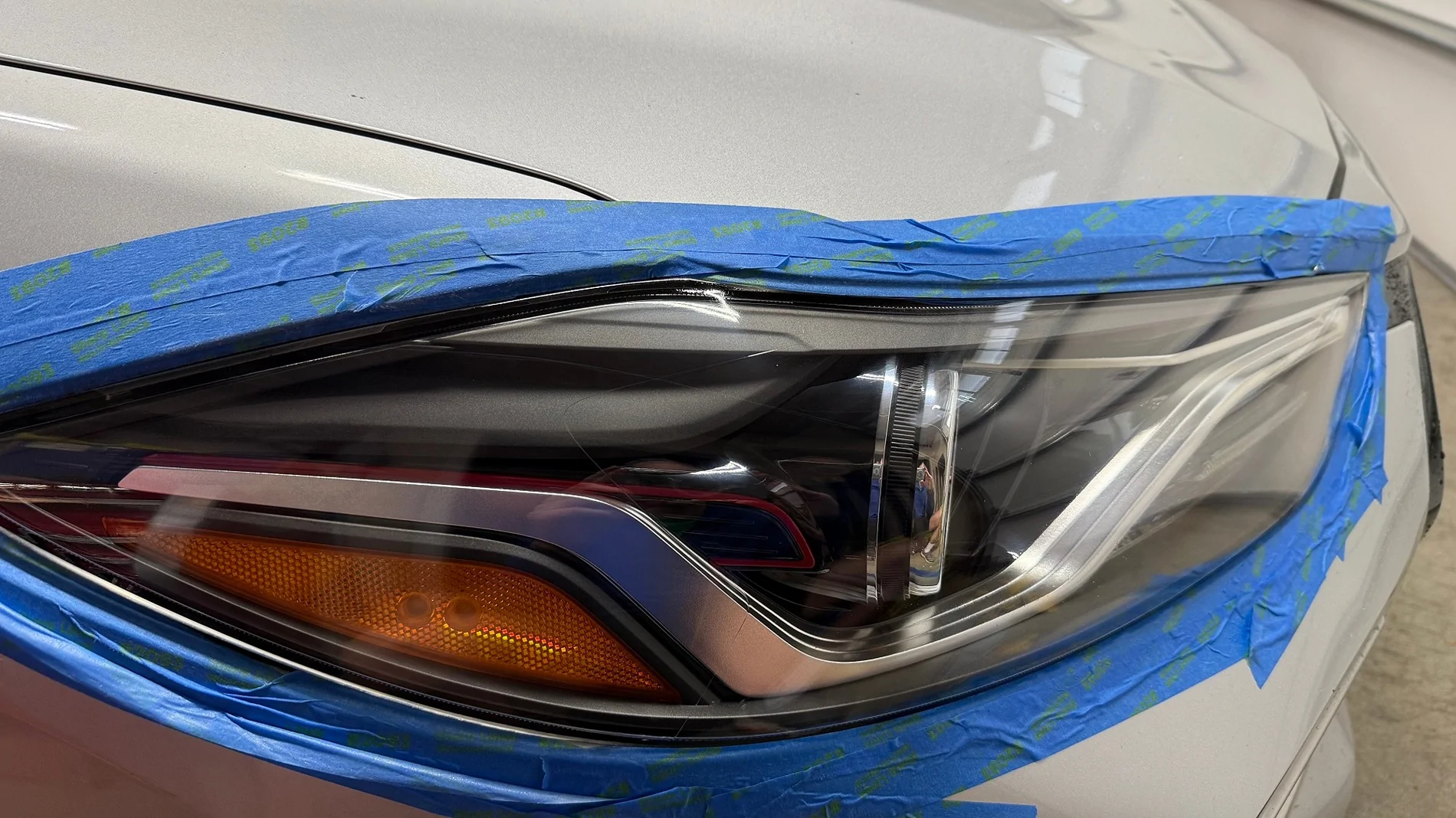
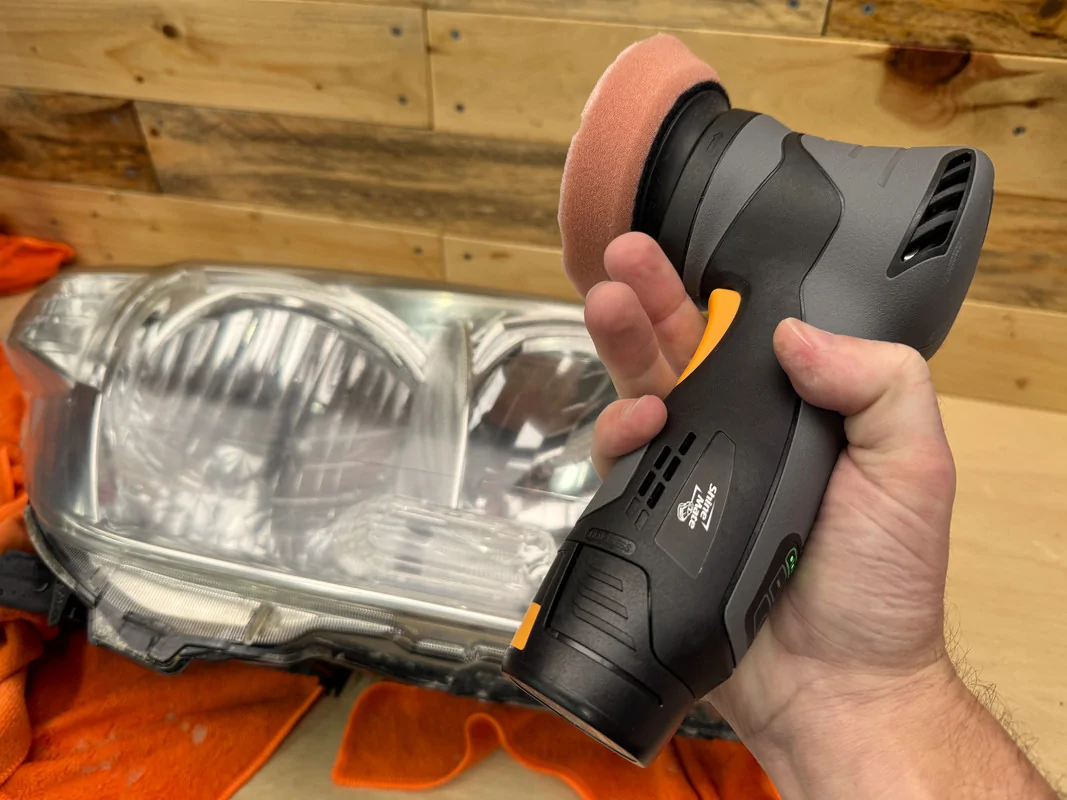
The image directly above was taken after the 4000 grit. It was then time for polishing. I started with Sonax Cutmax on a Rupes blue wool, the most aggressive combo I have. From here, I switched to Sonax Perfect Finish on a ShineMate orange foam pad. This was my first time using the EB212, and wow, this thing is brilliant! Pad stall? What pad stall?
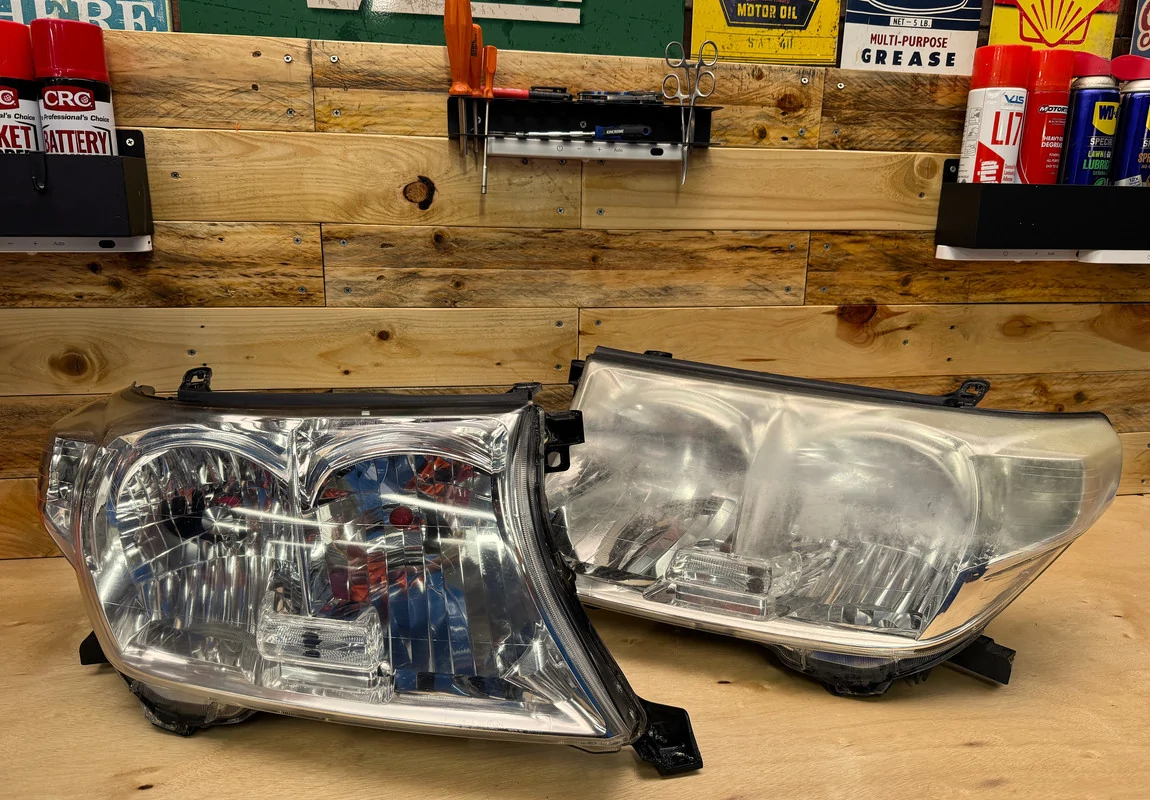
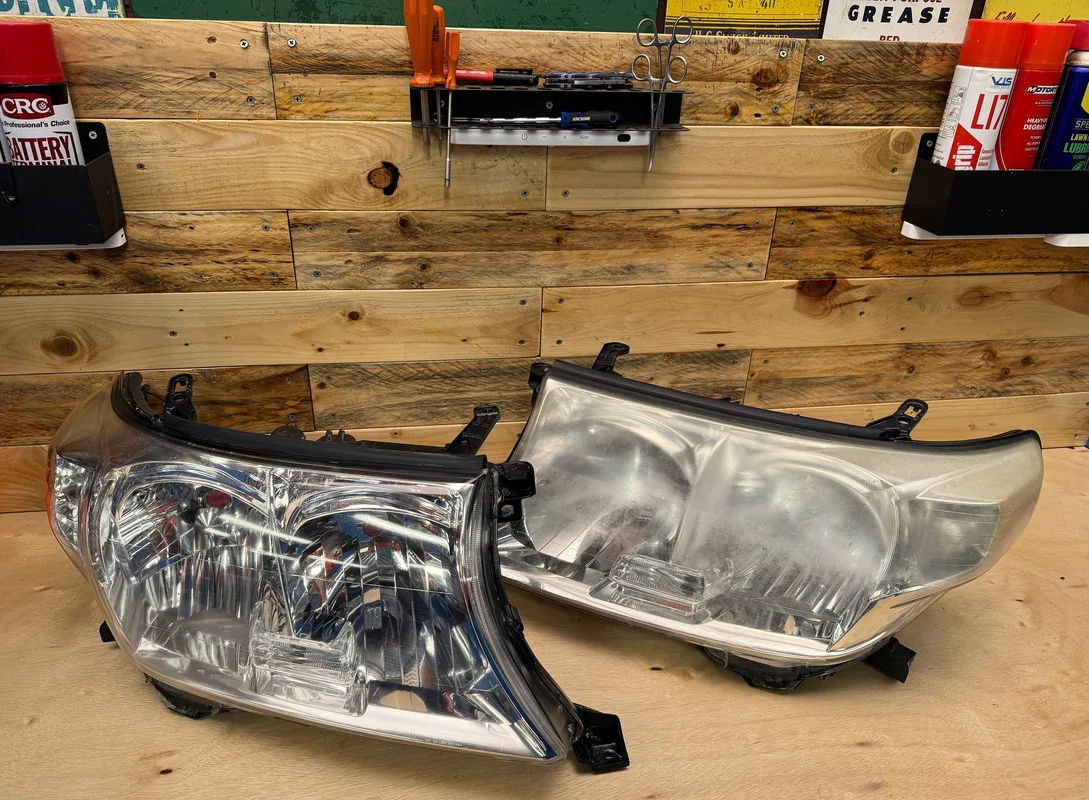
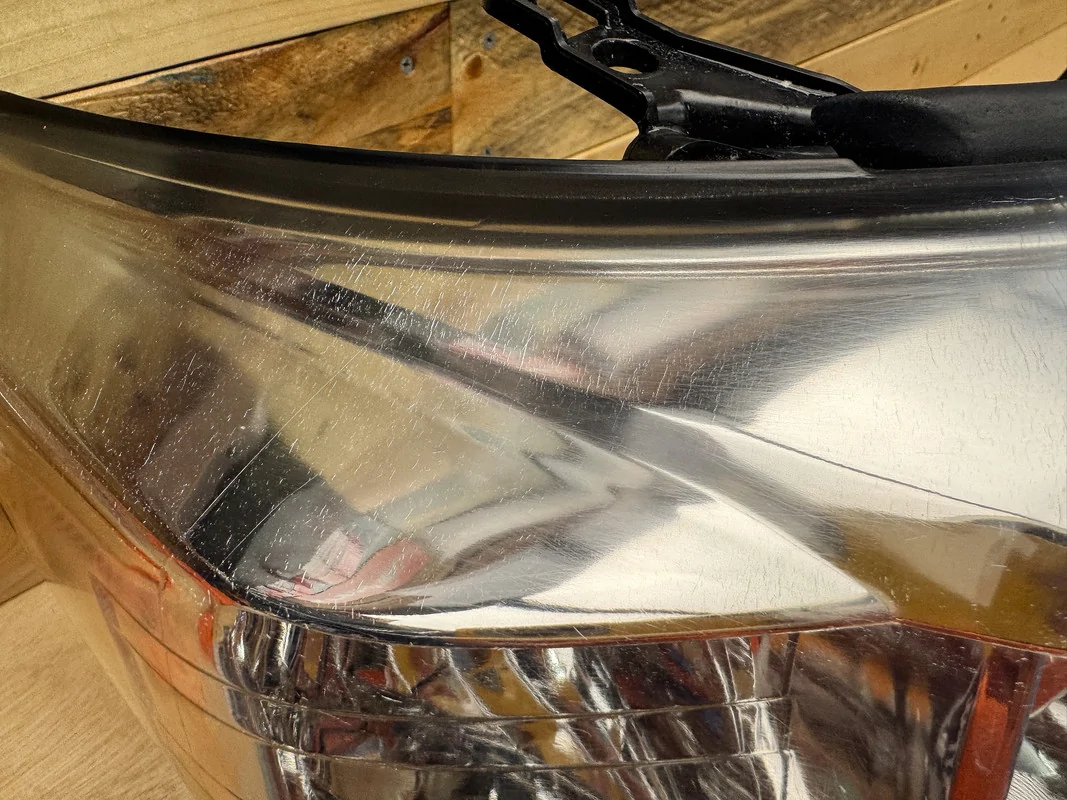
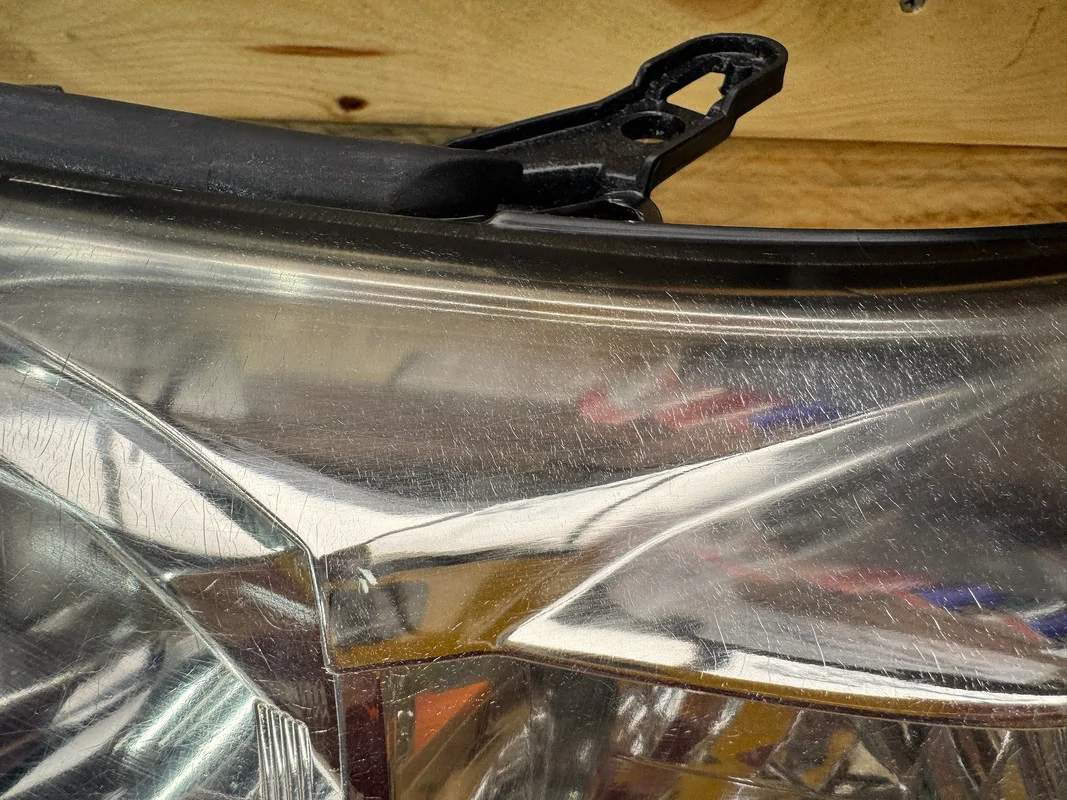
The side-by-side comparison is night and day!


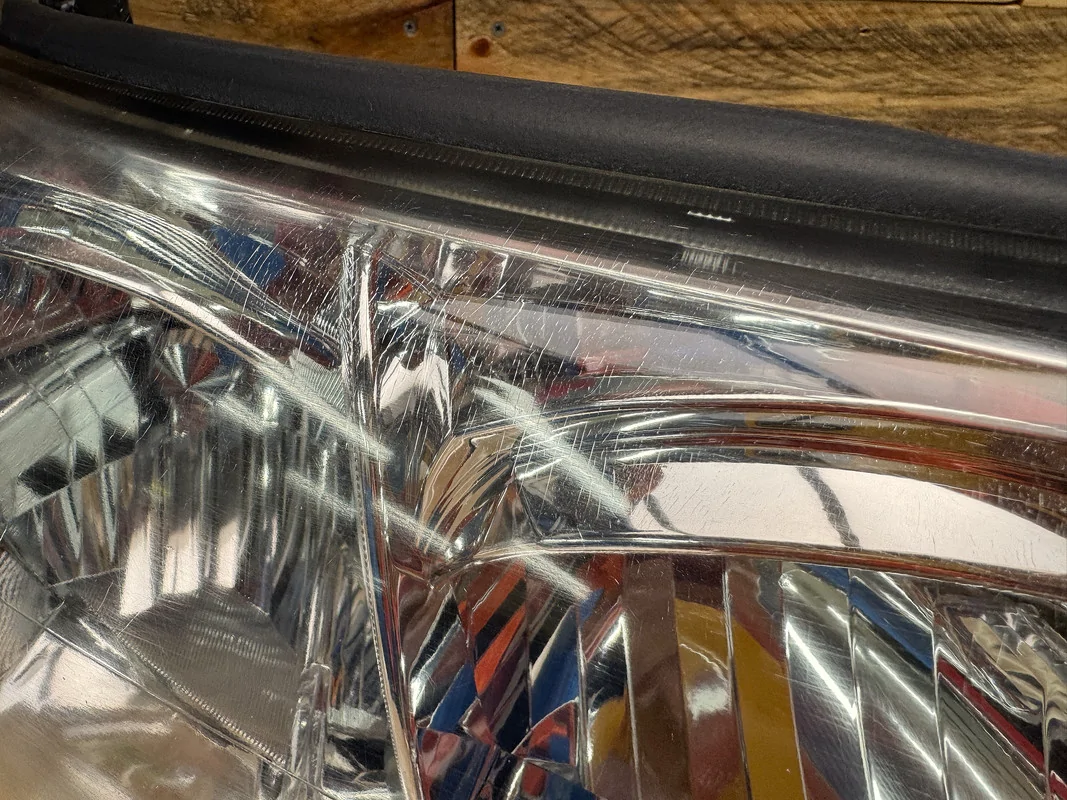
Some crazing remains, which is locked inside the lens.
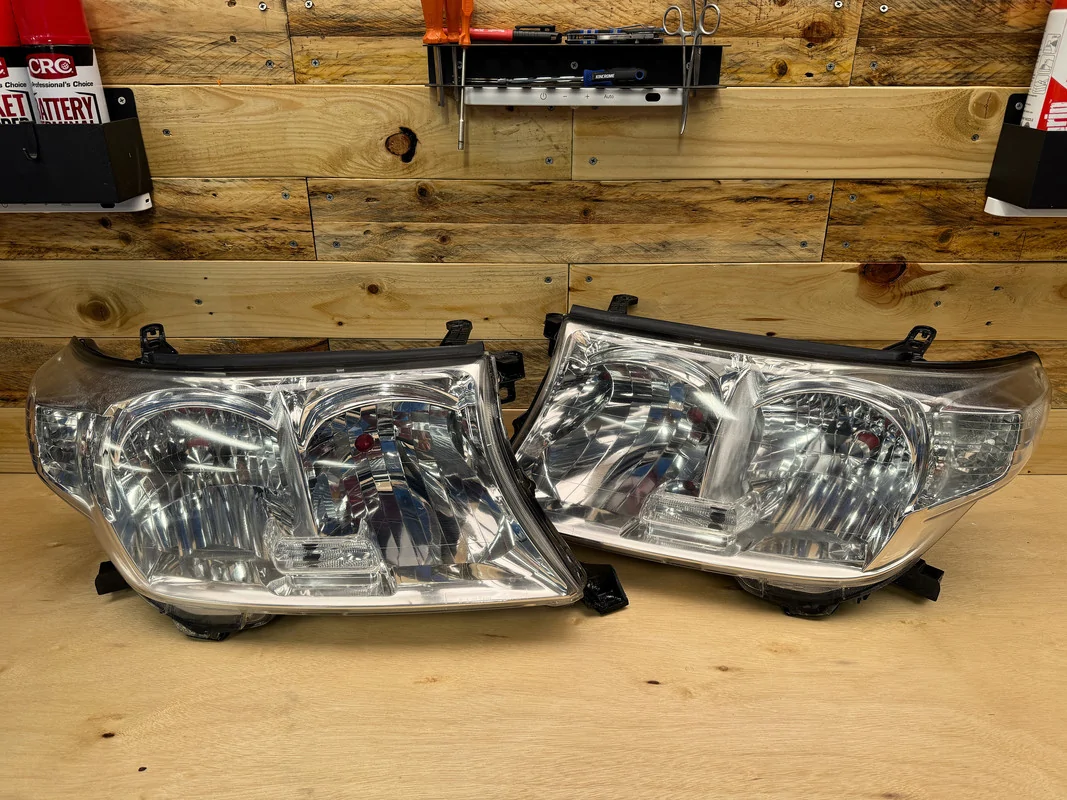
The process was then repeated for the second headlight. At some point, I'll ceramic coat them to provide at least some UV protection. Having said that, they won't be going back on the car anyway.
This was my first attempt at wet sanding headlights, so the finished result is far from perfect. In the future, having another grade or two of sand paper would likely produce a better finish. But as I said, I was using these as a learning tool, the owners knew this as well.
But, clearly I did a good enough job because the owners were impressed with the night and day before result. I was then told I could keep or sell them.
Sponsored