Shawn2018GT
Active Member
- Thread starter
- #16
I don’t trust Ford dealers to fix a light bulb. I’m now looking for a Mustang shop somewhere in the Denver areaFind someone who can test and give a proper diagnosis.

Sponsored

I don’t trust Ford dealers to fix a light bulb. I’m now looking for a Mustang shop somewhere in the Denver areaFind someone who can test and give a proper diagnosis.
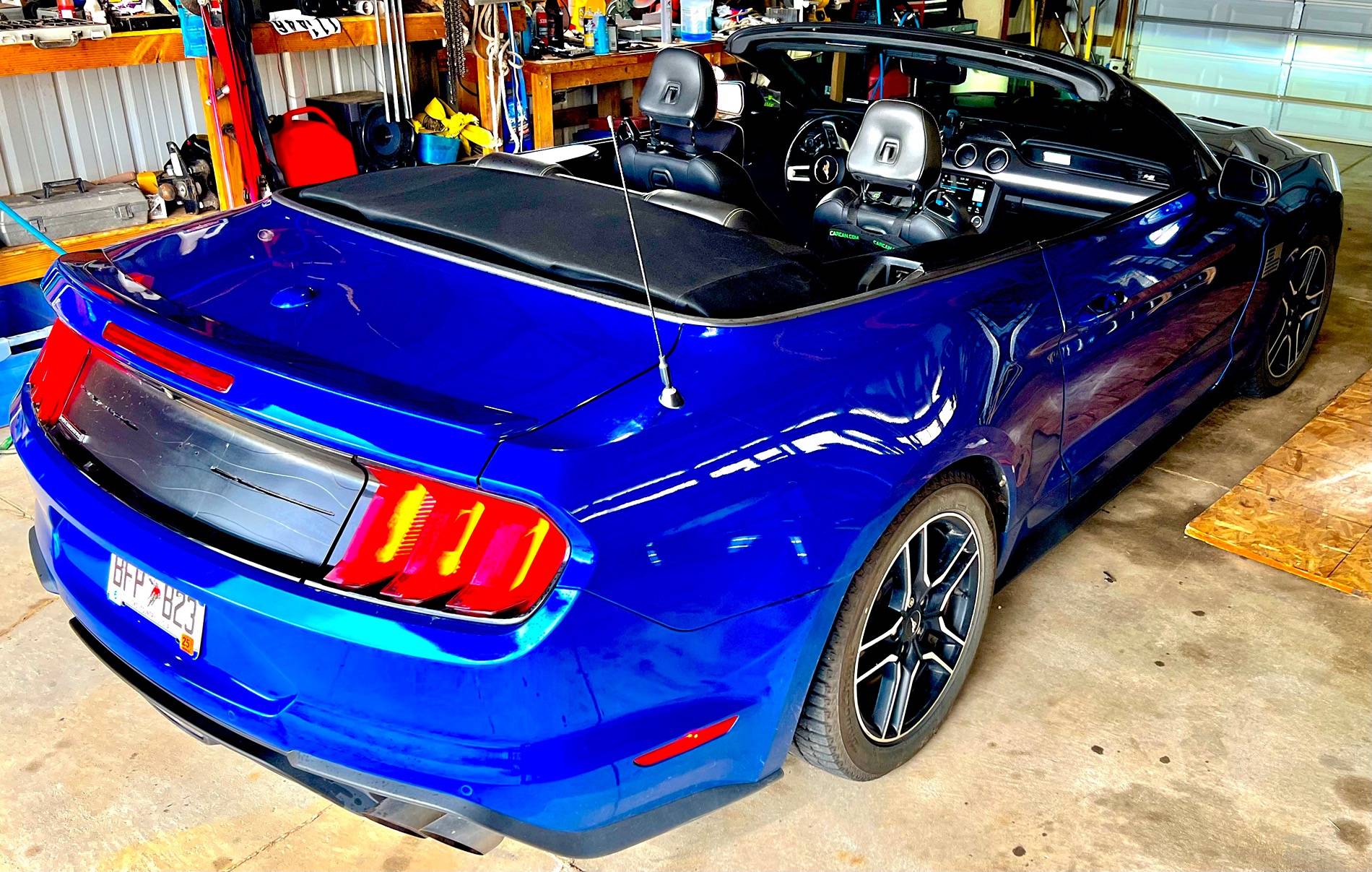
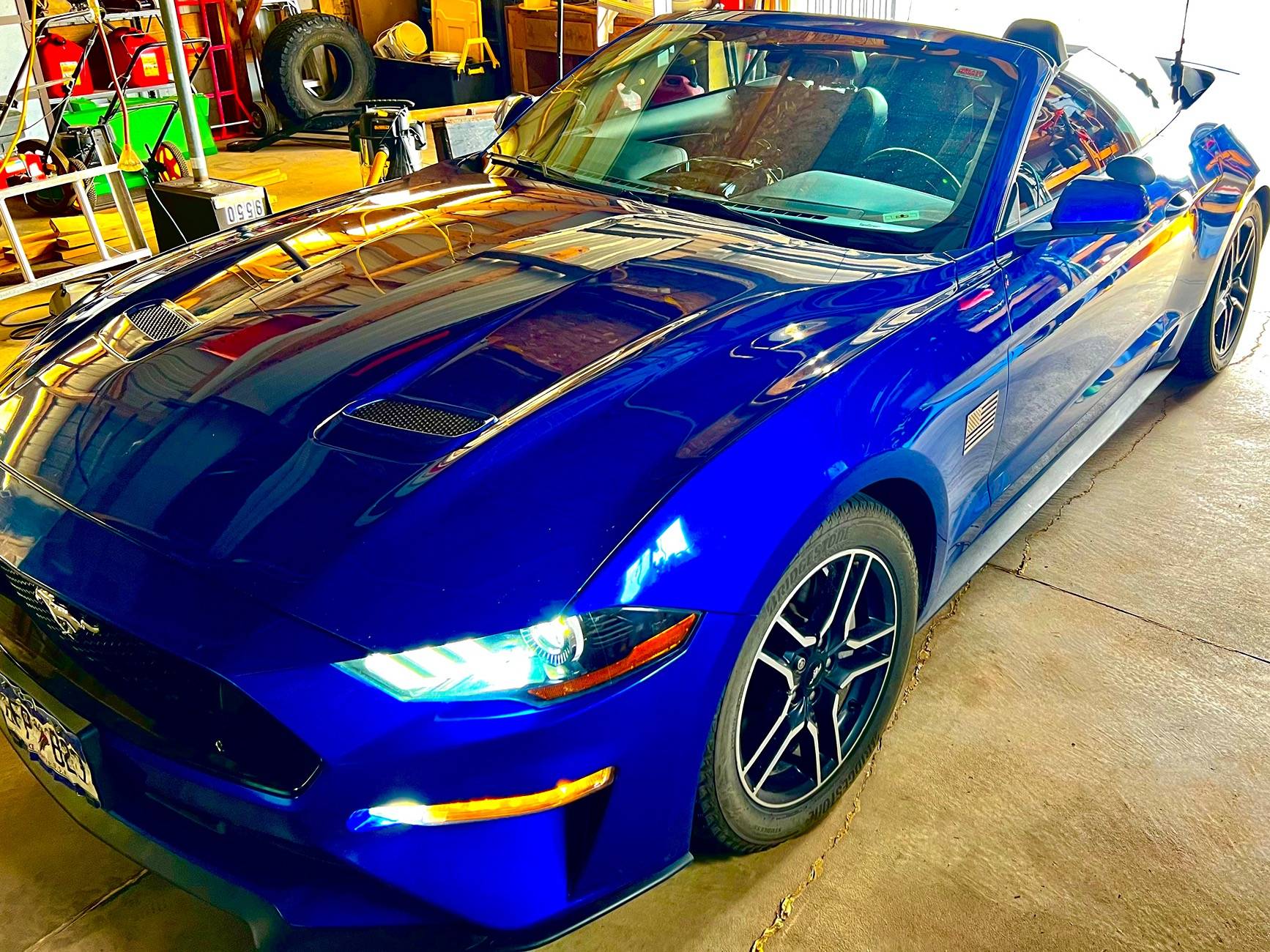
Bought at <5000 miles from Seattle WA. It was a Canadian version Mustang. I have the Automatic 10 speed. The only thing I’ve added is a spare tire. I had one recall to fix the convertible model door latches.Have you had your car for all 100k miles? Do you have the A10? I'm guessing you won't need a tune for factory replacement injectors. Also, this could be wrong but I think I read once that only 8 injectors are used for startup/idle

Hello; I am not disputing this advice. Only that it is new information for me. I do get that any electromechanical device can wear out. Just cannot say i have heard of the 100 K mile being a wear milestone.I’m reading maintenance sights and the writers keep saying injectors wear out, and 100,000 miles is the recommended change-out.
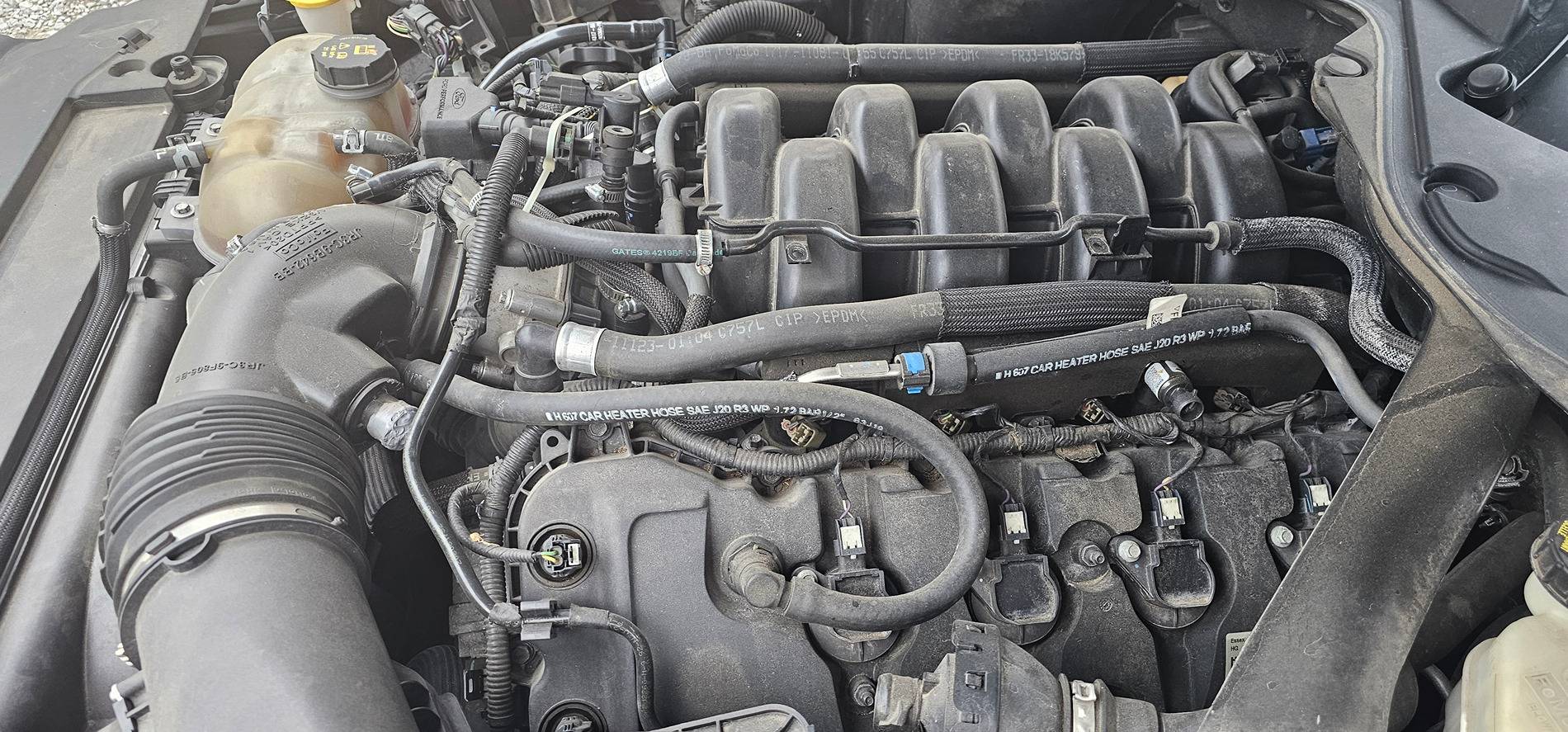
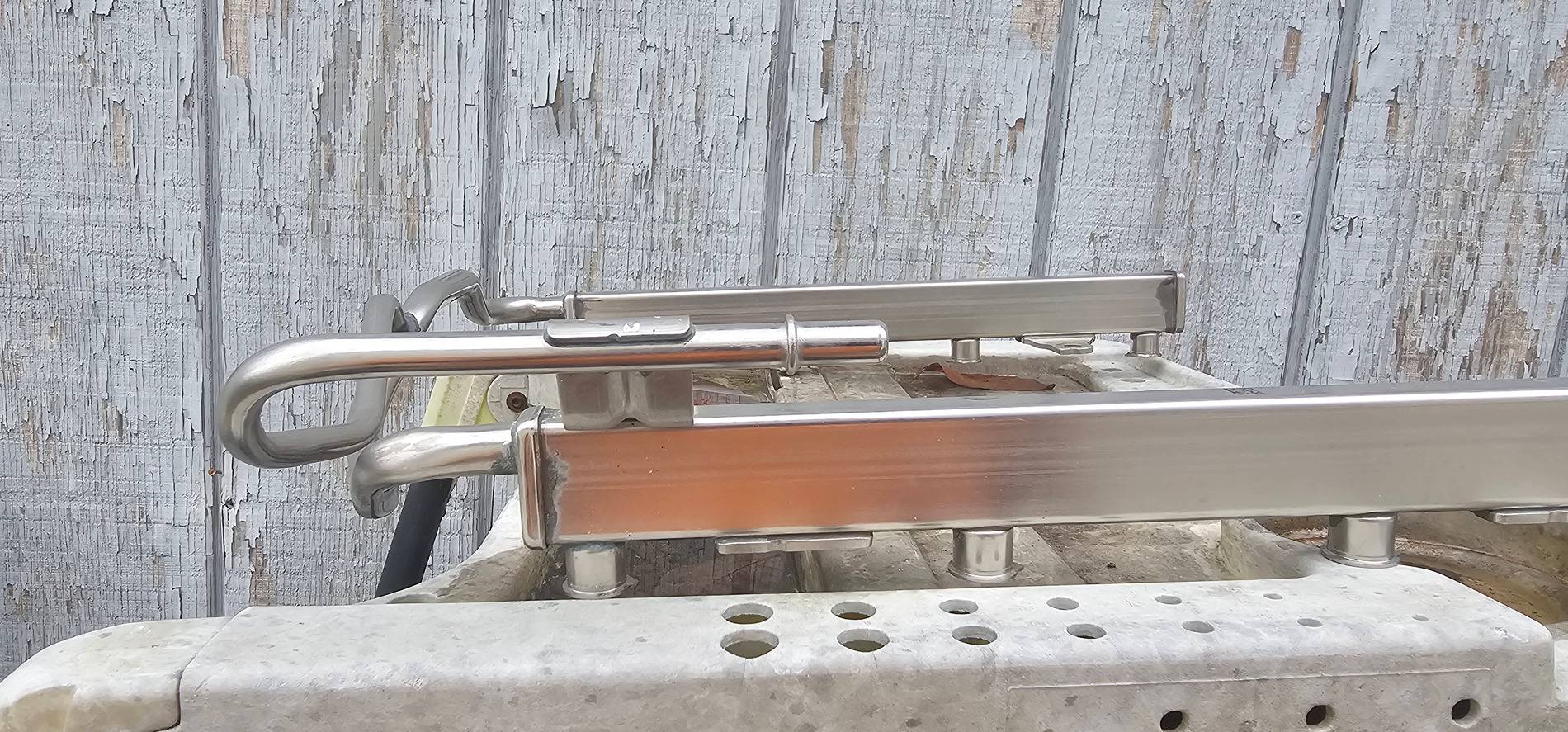
***EDIT***I have no tools to test it. I’m guessing based on mechanics advice. Quite a few mechanics, but only one knew mine has 16 injectors.. I’m hoping someone can give me great advice and recommend the best and correct parts.
Any good shop will have an adapter that plugs into the fuel line at the rail. They can then hook up a pressure gauge.There is no test port to measure from, only way to 'measure' fuel pressure is via live scanning the PCM.
I'm cheap and a pro-DYI kind of guy, where do they plug in the adapter... where one of the sensors is located?Any good shop will have an adapter that plugs into the fuel line at the rail. They can then hook up a pressure gauge.
I'm cheap and a pro-DYI kind of guy, where do they plug in the adapter... where one of the sensors is located?
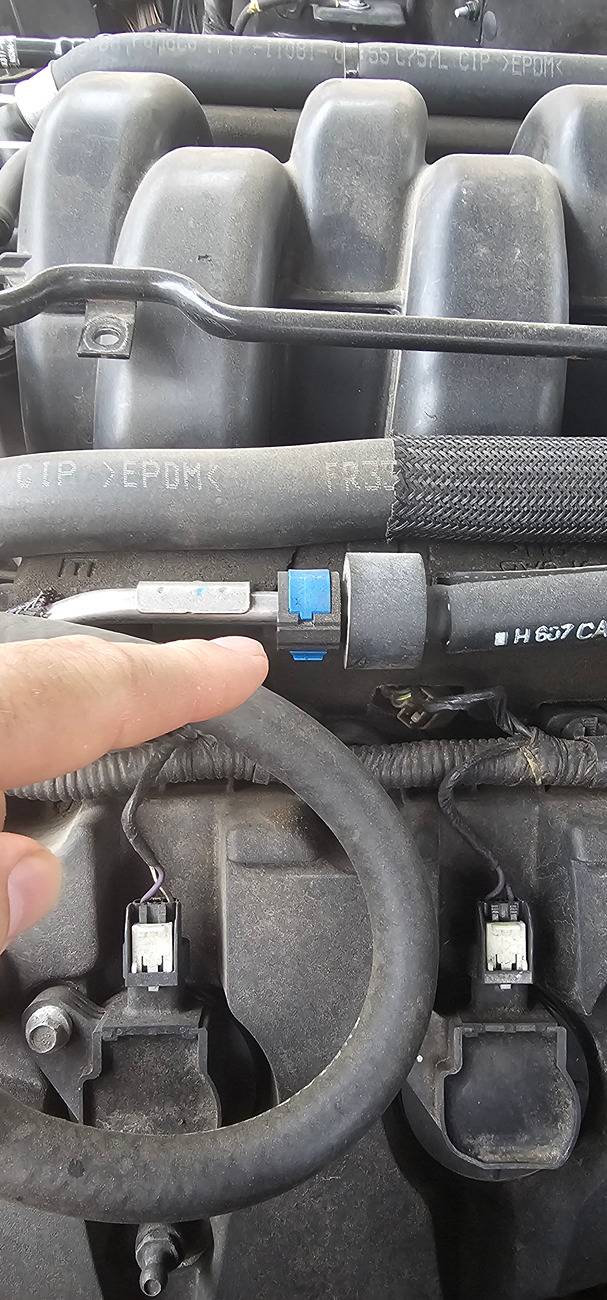
Hello; Curious as to what sort of fitting is on the fuel rail?Where the fuel line plugs into the rail. It is on the driver side. Follow the fuel line and you can't miss it.
On one of my former trucks, 1989 F-150, there was a Schrader type fitting on the fuel rail. I have a pressure gauge which screws onto that sort of fitting.good shop will have an adapter that plugs into the fuel line at the rail.

Hello; looked up FRDS & IDS. Think I get it. A Ford diagnostic system which can do the testing of individual injectors for one example. Need a license to use it which likely is not cheap. I will not guess what sort of computer or hardware is needed.FDRS and also IDS there are routines to check for injectors performance and comparison.
They fire one injector at a time and measure the pressure drop to see if the hold and flow correctly.
Per hour access it's like 18$ cheap. Any good shop have access to it. It's not only for dealerships.Hello; looked up FRDS & IDS. Think I get it. A Ford diagnostic system which can do the testing of individual injectors for one example. Need a license to use it which likely is not cheap. I will not guess what sort of computer or hardware is needed.
Likely all Ford dealers have the system. Maybe some shops unless it is proprietary?
Per hour access must be an overseas thing. In the US, the minimum we can buy is 2 days and it's $150 or $900 for the year.Per hour access it's like 18$ cheap. Any good shop have access to it. It's not only for dealerships.
IDS only works with the proprietary Ford interface but FJDS (it's IDS with SAE J2534 compliance) and FDRS both works with third party SAE J2534 interfaces.
Any good shop has at least one, if not more SAE J2534 interfaces lying around. You can't do much on modern cars without them.
The license is for all three of them, pay access once and get all three software.
Again, any reputable shop should have access to it. Otherwise they are not reputable to work on Ford vehicles.