paul123
Well-Known Member
speaking of heat, does running a PD supercharger add much to cylinder head temps? e.g. crawling along in stop & go rush hour traffic, at 5pm in August. 100F, minimal airflow.
Sponsored

Yea bought it cheap. Wanted to build a motor for the car, but didn't want to pull mine while I do it. If I did the car would have been sitting for 4 months. This is a little teaser of what I'm doing. http://www.mustang6g.com/forums/showthread.php?t=43004not sure what to make of this. Piston looks bad, but you bought this?
when buying gas at 91/93 octane, what's the odds of paying for premium gas, but really getting 87 octane?There was some slight signs of detonation also. I think the just ran cheap gas in it.
Not really. With the air to water intercoolers, the discharge temps outside boost are nothing...start doing back to back runs up to 140+ mph and get the blower discharge temps over 150 degrees and you will put way too much heat into the piston rings/heads. It doesn't matter how much timing is pulled if the heat can't get pulled out of the cylinder fast enough.speaking of heat, does running a PD supercharger add much to cylinder head temps? e.g. crawling along in stop & go rush hour traffic, at 5pm in August. 100F, minimal airflow.
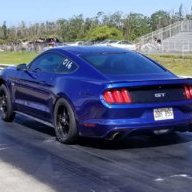
my friend asked about those gas with the single nozzle for all types. The response he got was it does not back siphon but actually accounts in the price for the account if fuel that is in the hose of what ever the last gas that was purchased. If you buy 93 the wrist you'll get is a small mix of 88 which is basically the same stuff just slight less octane and mixed in your tank it will be insignificant.when buying gas at 91/93 octane, what's the odds of paying for premium gas, but really getting 87 octane?
We've seen temps in the mid to upper 130's on 3 consecutive 160mph highway bombs. This was in Texas in September. Around 90 degrees ambient. No timing pulled, and no knock. That's at 700whp.Not really. With the air to water intercoolers, the discharge temps outside boost are nothing...start doing back to back runs up to 140+ mph and get the blower discharge temps over 150 degrees and you will put way too much heat into the piston rings/heads. It doesn't matter how much timing is pulled if the heat can't get pulled out of the cylinder fast enough.
The hypereutectic pistons don't expand due to the high silicon content so the rings and valves soak up the heat.

Looks like detonation and subsequent flame front/heat caused a fracture at the piston's weakest point (edge of the valve relief and ring land). What power adder did this engine see?Not mine, but the core I bought to build. It was a 2015 with 2500 miles on it.
block is still good? I assumed if a piston failed, it would damage the cylinder.Yea bought it cheap. Wanted to build a motor for the car, but didn't want to pull mine while I do it. ...
My main concern is if a fuel truck filled the 91/93 octane tank with 87. Right now I don't worry about it, as the stock engine is rated for 87.my friend asked about those gas with the single nozzle for all types. The response he got was it does not back siphon but actually accounts in the price for the account if fuel that is in the hose ...
I meant outside of boost. Already I have seen my cylinder head temps climb to 220F and its not even hot yet. I am not sure if that's accurate. I may have to get one of those infrared thermometers to see if the data jives. How hot is too hot ?Not really. With the air to water intercoolers, the discharge temps outside boost are nothing...start doing back to back runs up to 140+ mph and get the blower discharge temps over 150 degrees and you will put way too much heat into the piston rings/heads. It doesn't matter how much timing is pulled if the heat can't get pulled out of the cylinder fast enough ...
That is very unlikely to happen. I'm not sure what stations pay refineries but ~10¢ a gallon difference adds up to a very large amount with a few thousand gallons. I'm sure they want the correct octane in the correct tank. That in reverse could be a very costly mistake. I'm sure they are very careful about putting the right fuel in the right tank.My main concern is if a fuel truck filled the 91/93 octane tank with 87. Right now I don't worry about it, as the stock engine is rated for 87.
Is something like the Lund Ngauge a reliable way to detect engine knock? If my engine got tuned for 91/93, I would want to be able to get an alert if there is a problem.
I don't want to really say, because I don't know the history. Could give them a bad name, and it's not the right thing to do. It was a pd blower though.Looks like detonation and subsequent flame front/heat caused a fracture at the piston's weakest point (edge of the valve relief and ring land). What power adder did this engine see?
Actually the block was fine and I t would clean up with a hone.block is still good? I assumed if a piston failed, it would damage the cylinder.

Agreed with the first paragraph, but it has happened in my home town when I worked at Ford. Had a few cars come in for a drain and some repairs. It sucks, but realistically, it's very rare so I wouldn't worry too much about it.That is very unlikely to happen. I'm not sure what stations pay refineries but ~10¢ a gallon difference adds up to a very large amount with a few thousand gallons. I'm sure they want the correct octane in the correct tank. That in reverse could be a very costly mistake. I'm sure they are very careful about putting the right fuel in the right tank.
The n gauge monitors knock as well as the ecu is tuned to monitor knock. There's a scale that rates how bad knock that is being sensed is. From Ford this is tuned very well and unless you have a facility with better equipment than Ford, which is unlikely, there's no reason to change anything about the knock sensors. Some tuners mess with knock advance rates which is fine, but if the advance rate is set to aggressive the knock may be harder to see and look like timing being added with a few plateaus of what the ecu thought was the start of small knock. Also if the timing is really close the the knock borderline with an aggressive advance rate you will not benefit from the knock advance due to it having knock anytime it tries to advance the account the rate is set to. A tuners goal is to have 0 knock and a minimal advance rate. This requires the use of higher quality and higher grade fuels. The stock advance rates are what I would consider moderate with conservative borderline values to allow these high compression engines to run the lesser grade fuels.

I don't understand the terms sorry, so what is a PD blower and what are the other types of blowers?I don't want to really say, because I don't know the history. Could give them a bad name, and it's not the right thing to do. It was a pd blower though.


