OP
OP

Epiphany
Well-Known Member
- Thread starter
- #16
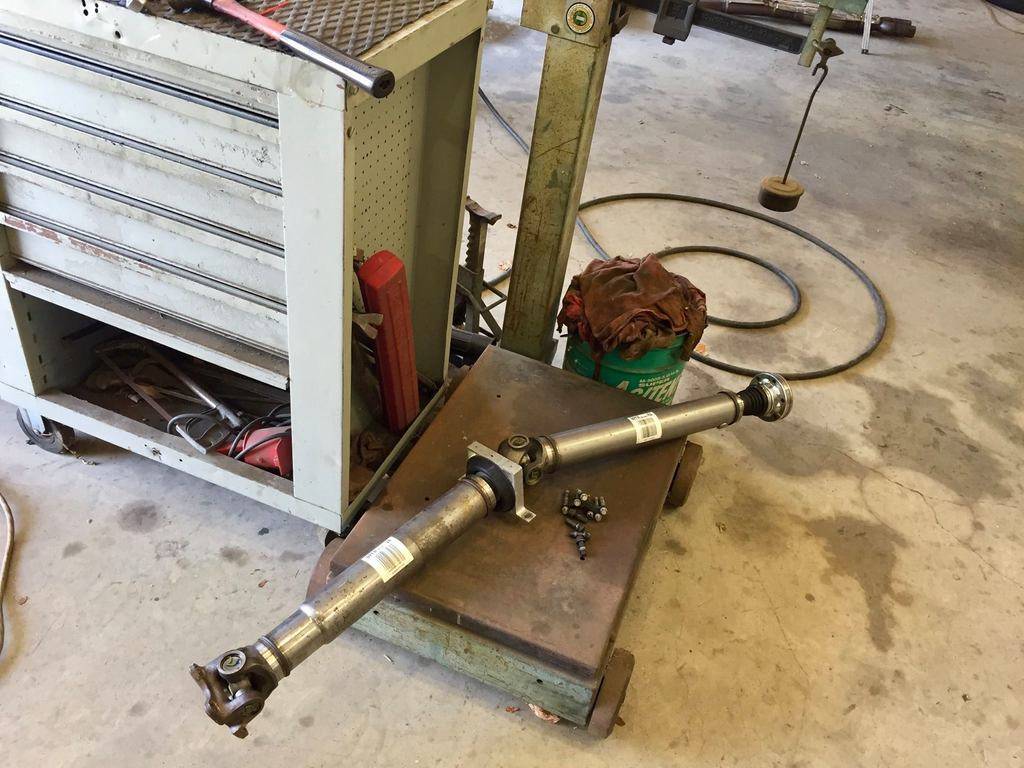
QA1 has been great. They didn't blink an eye and asked me to send it back. They emailed me a return label in short order. While waiting for the label I pulled out the shaft for a closer look and took a few photos. Right click/view image for higher resolution.

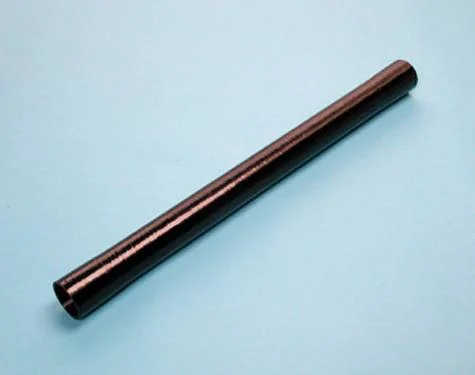
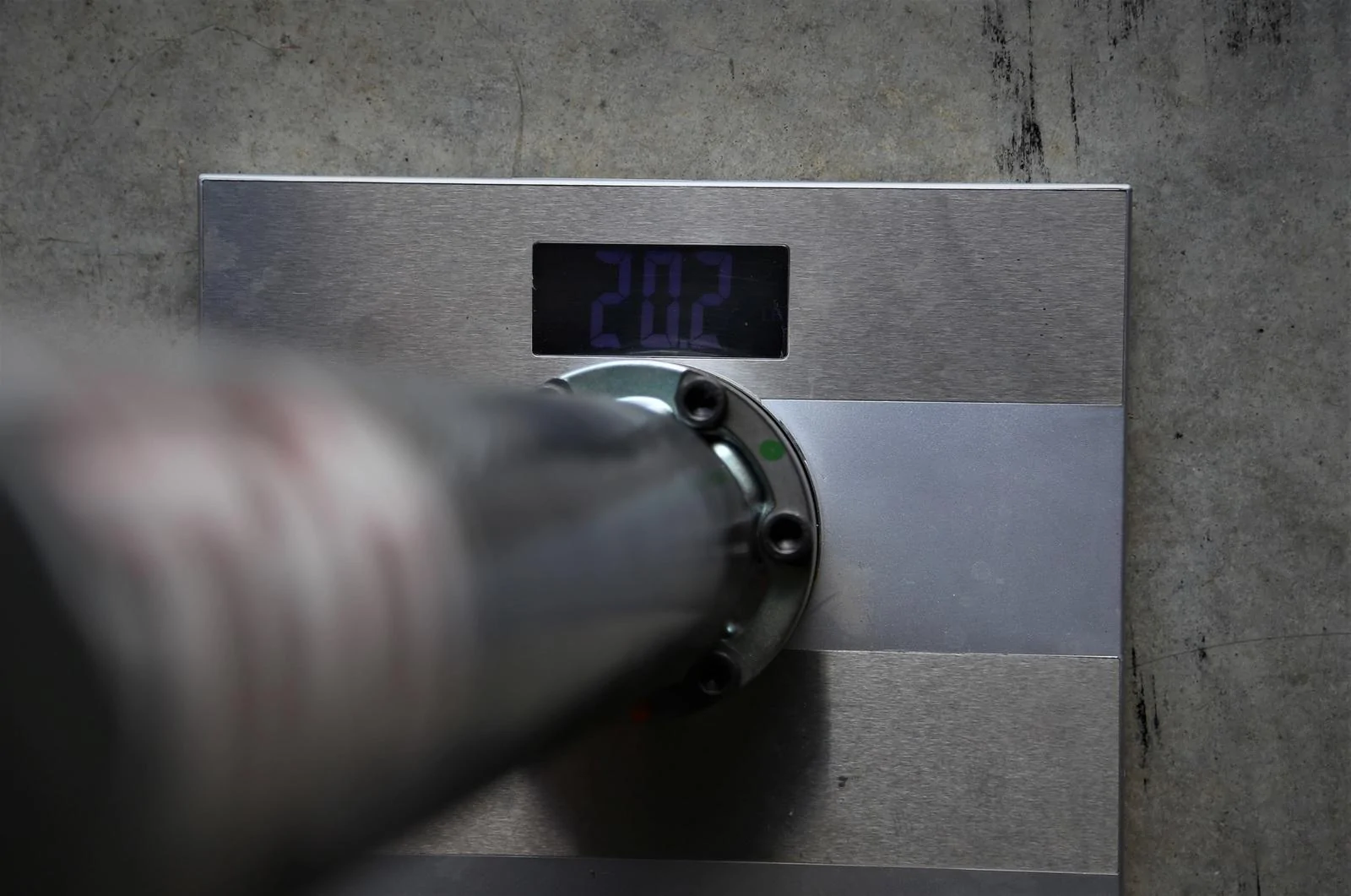
On my low budget WalMart scale the shaft weighed showed as 20.2lbs.

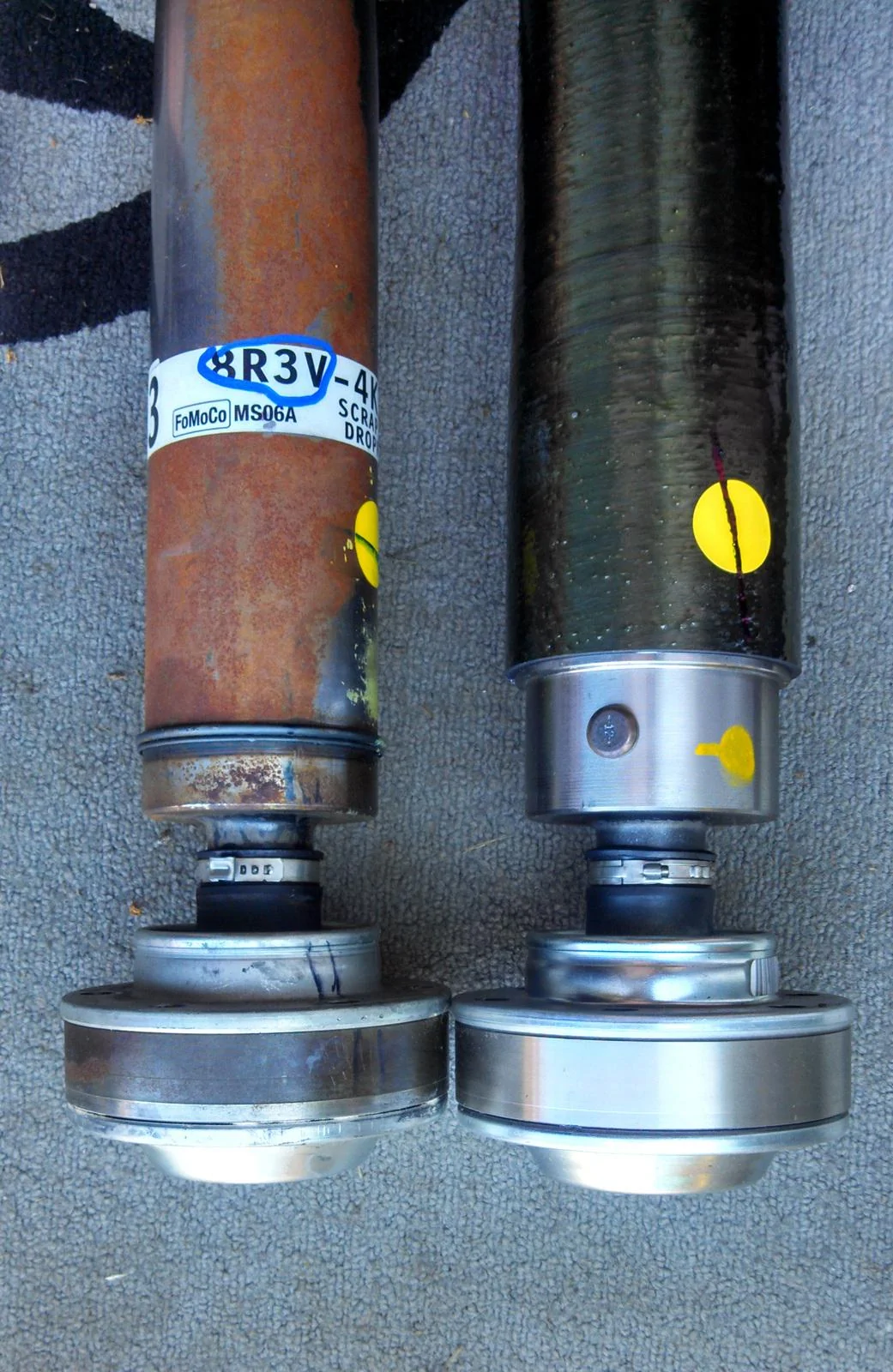
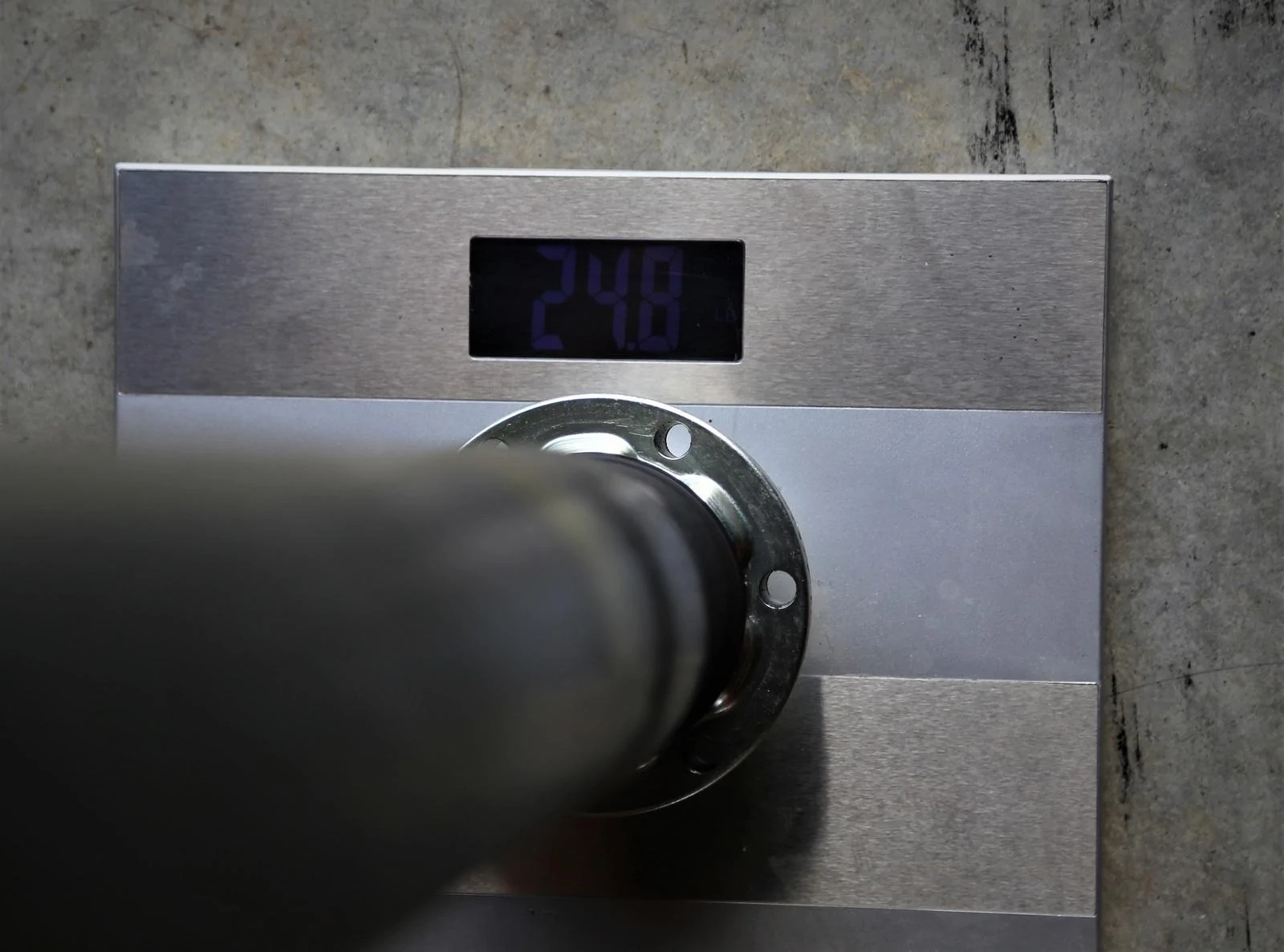
For reference, I pulled out a factory 13/'14 GT500 CF shaft I have and weighed it as well.

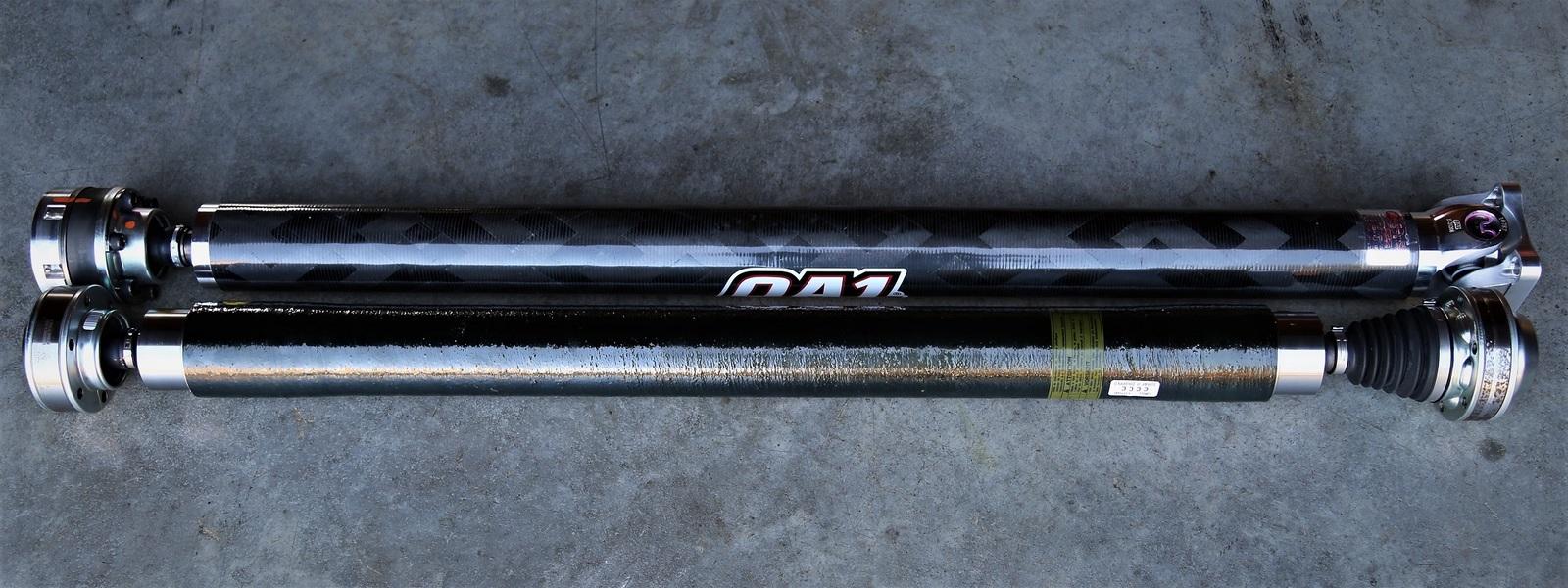
While I'd like to discuss the differences/similarities I'm showing both CF shafts here simply so everyone can see how close they are in terms of length.

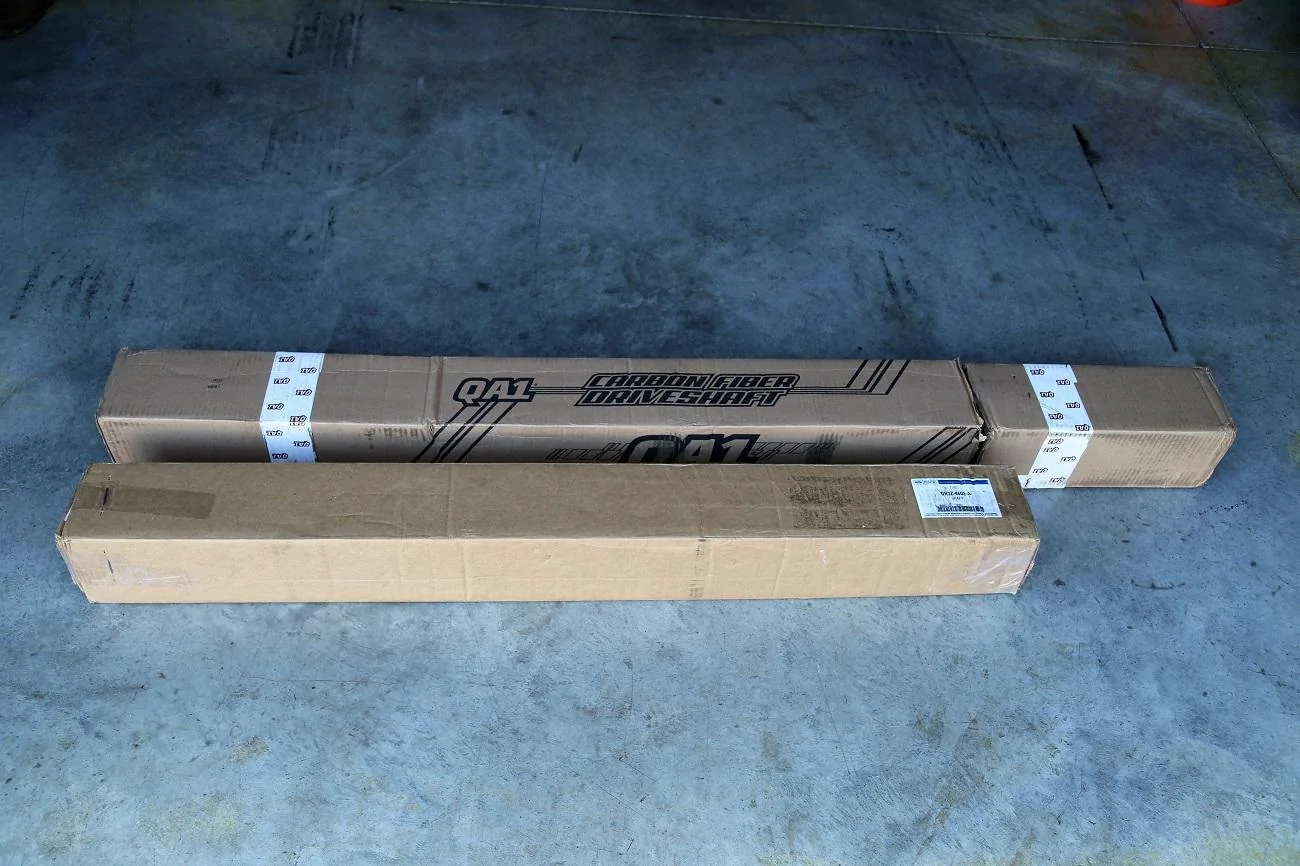
Ford uses a box that is not much longer than the shaft, double wall. The QA1 box was foam filled for about 1' on the end that nearly sheared off. I wrote QA1 with a couple of suggestions and they responded in kind and promptly at that. Interesting to see in a post up above about a similar shipment issue.

Enough about boxes and on to the details. Again, I paid the additional for the SFI label as much as the construction is the same whether you get a label or not.

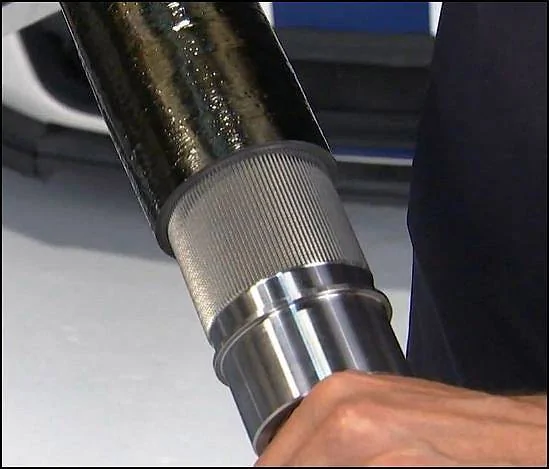
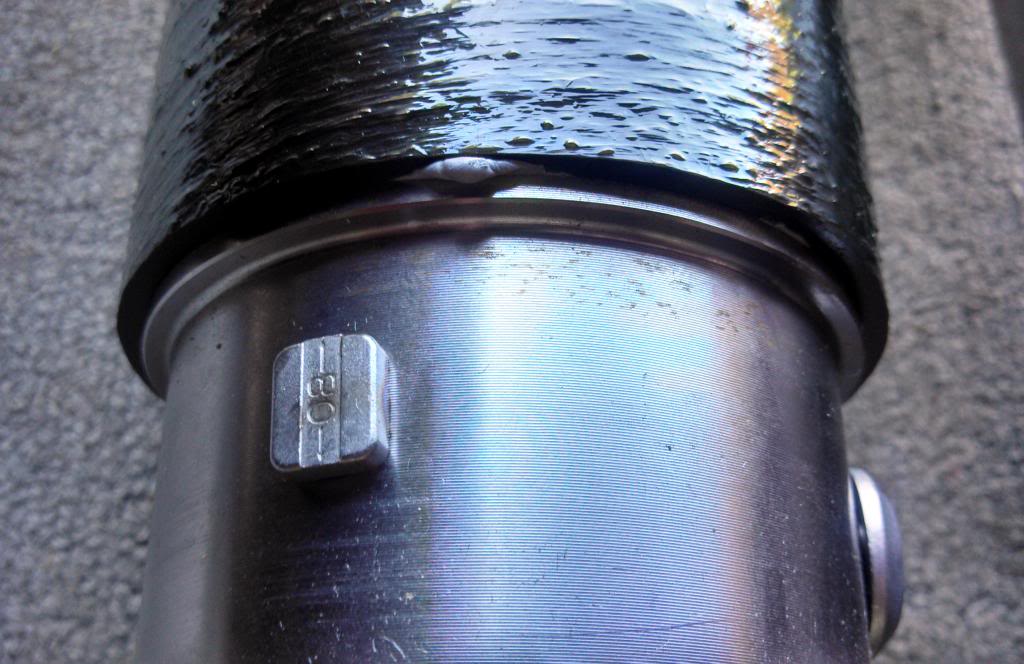
The fact that the shaft was tested and SFI approved was a major factor in terms of my decision to purchase. My concern wasn't the billet aluminum ends, the u-joints, or the fiber tube itself but rather the bond at the joint where the yokes are adhered to the tube. Take a look at the test criteria starting on page 3 of the relevant SFI PDF. Note how both static torque testing and cyclic torque testing are done.
http://www.sfifoundation.com/wp-content/pdfs/specs/Spec_43.1_032409.pdf
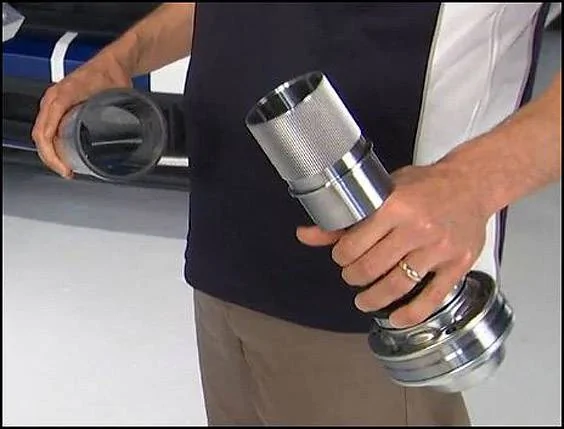
I have seen photos in the past of DSS CF shafts where the bond failed and the yoke ends spun inside the tube. Ford used splined ends on the '13/'14 GT500 shaft, the only one I've seen done that way. So the bond at this critical juncture(s) is something I've paid close attention to. When QA1 talks about the 11 step process and the 3M adhesive they use they are in essence stating that they are well aware of the critical nature of the manufacturing process and are going all out to ensure that the bond is a success. The SFI test would expose a failed bond rather quickly. So this silly little sticker that most don't give much attention to means a hell of a lot.
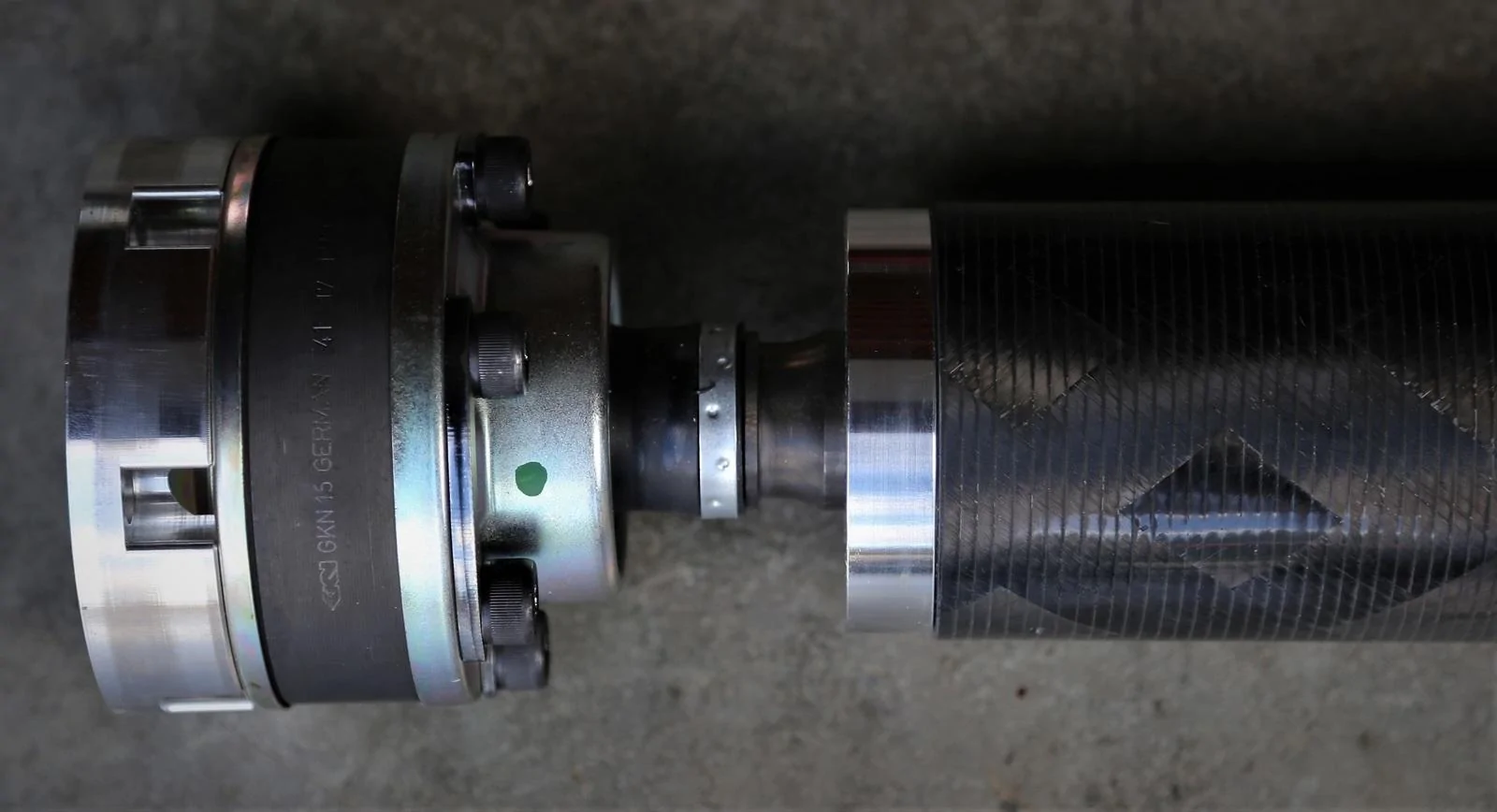
Shaft balance...QA1 doesn't try to bond a weight to the fiber. Instead, they index different thickness horseshoe washers under the bolts for the CV joint. These are carefully placed during balancing and then marked so that the installer can replicate their placement when bolting the shaft to the car. Note the difference in thickness...

They also drill if and where necessary on the end itself to further fine tune.
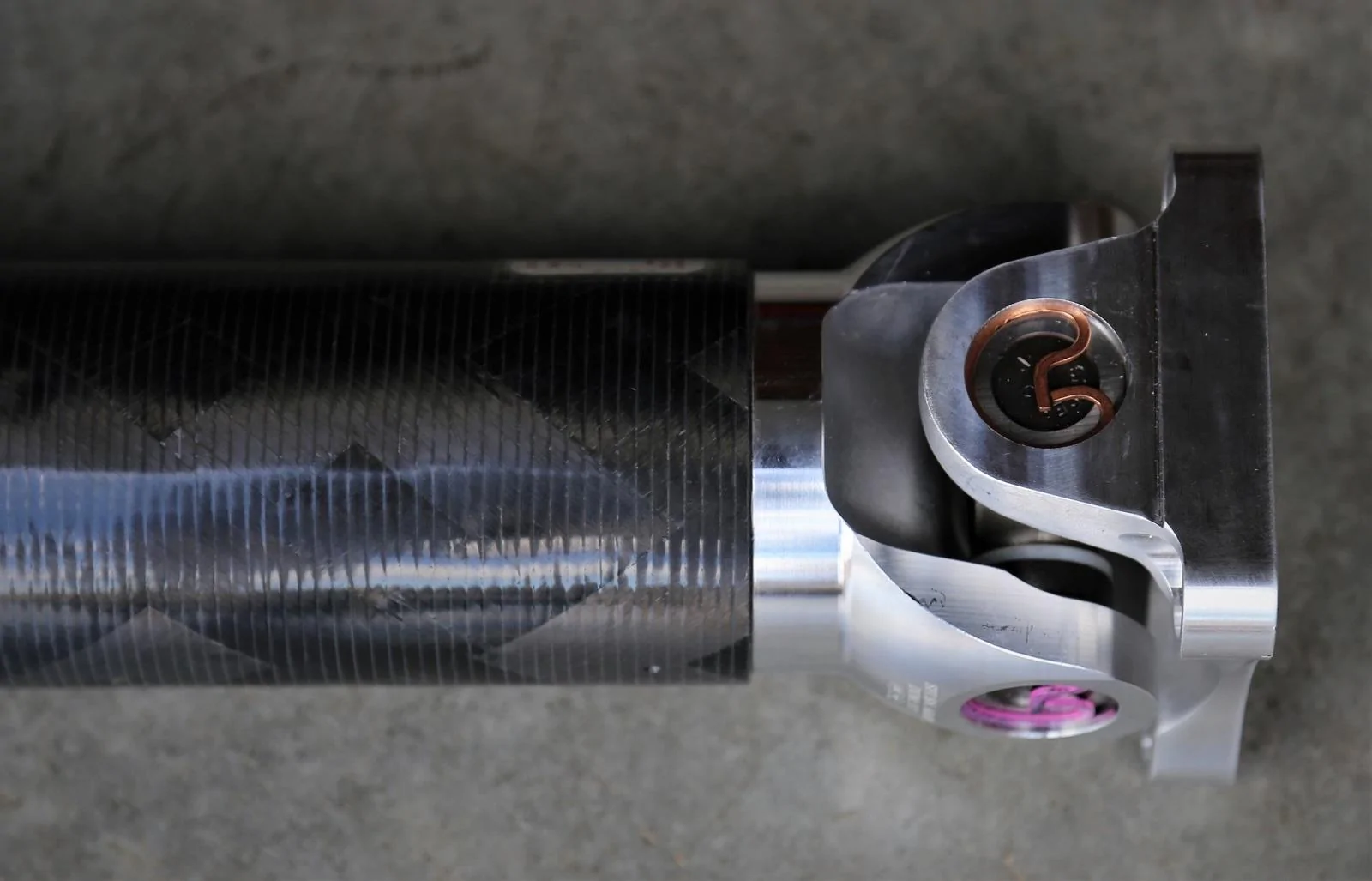
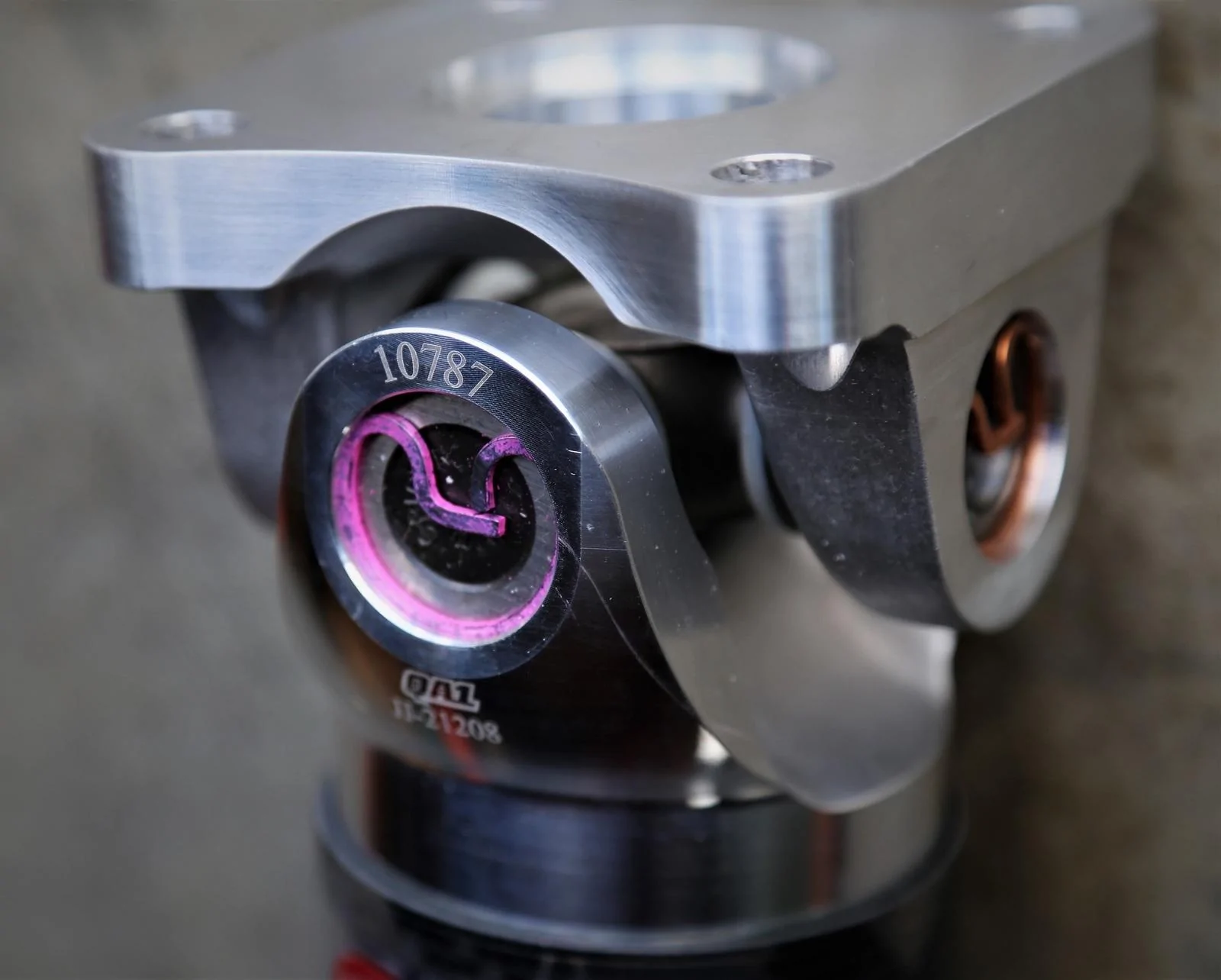
The flange yoke comes from Sonnax, a well respected aftermarket driveline component aftermarket supplier located in Vermont. Scroll down to the bottom of the following link and you'll see the 1350 joint style used for this application.
http://www.sonnax.com/parts?categories[]=1&types[]=Flange+Yoke

QA1 is using a bondable yoke from Sonnax as well that is specifically designed for use with Cf shafts.
http://www.sonnax.com/parts/4424-bondable-yoke

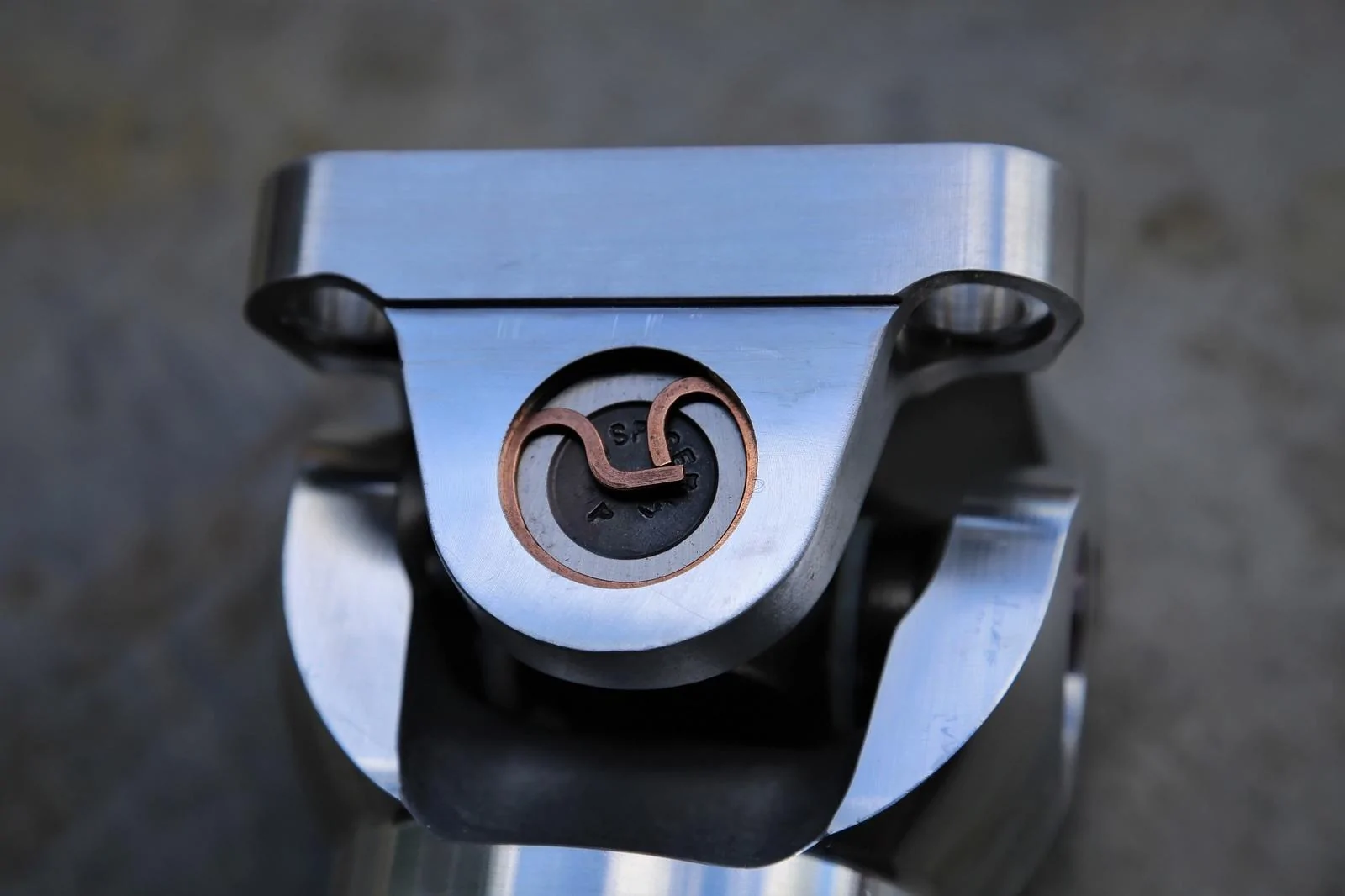
The u-joints are from Dana/Spicer, another well respected company and Tier supplier to the OE's.
http://danaaftermarket.com/part/id/115604?cat1=115&str=5-1350x&cp=0

The CV joints are from GKN, yet another Tier supplier to the OEM's as well as the aftermarket.
Quite a bit of data from GKN in the following link regarding these joints.
http://www.gknservice.com/fileadmin...h/CV_Driveshafts_Industry_SpecialVehicles.pdf
I don't know who is doing the flange adapter for QA1 be it Sonnax, done locally or in-house at QA1 but it is a beautiful piece as well.
With heavy hitters such as Dana, GKN, Sonnax, 3M, providing support to an already well established company in QA1, my confidence level is very high in this piece. The service they are giving me is far more than I would have expected and I cannot wait to add this one to my car.
A few more photos for your viewing pleasure.


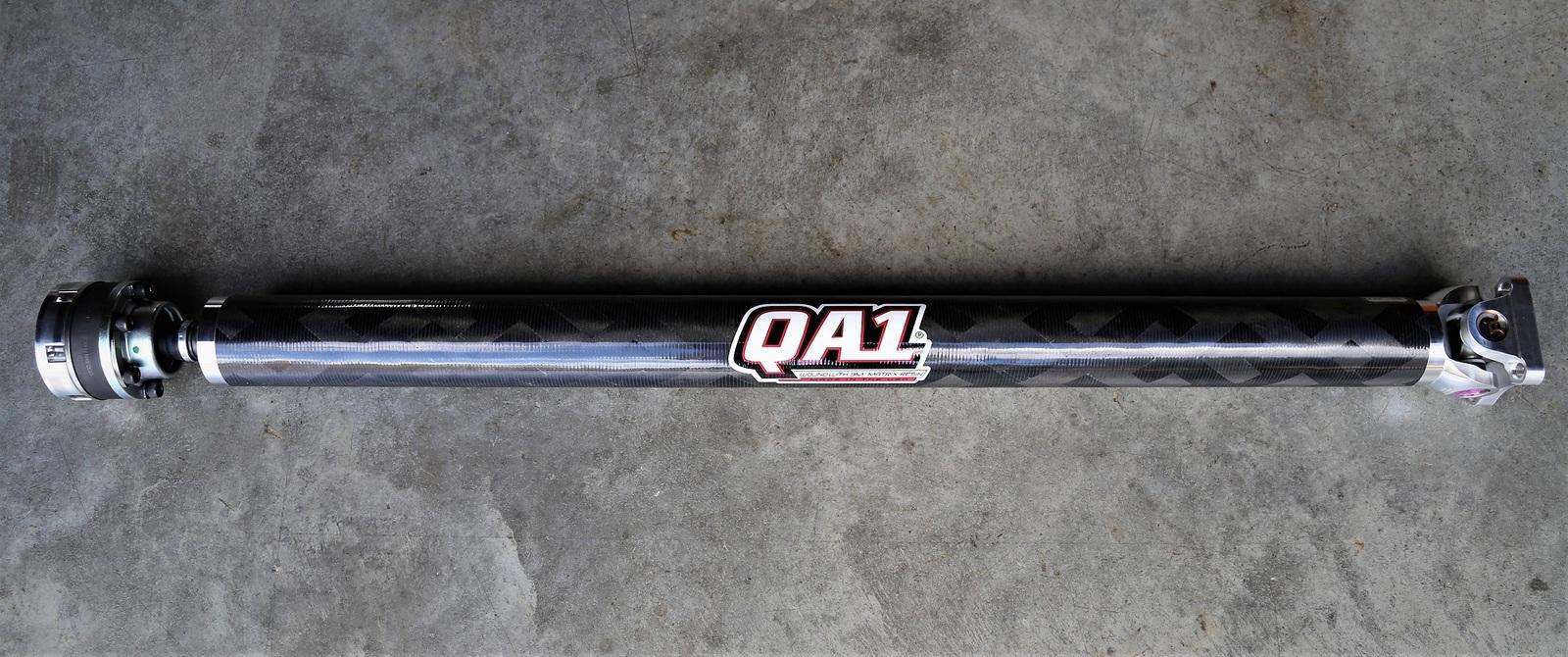
On my low budget WalMart scale the shaft weighed showed as 20.2lbs.
For reference, I pulled out a factory 13/'14 GT500 CF shaft I have and weighed it as well.
While I'd like to discuss the differences/similarities I'm showing both CF shafts here simply so everyone can see how close they are in terms of length.
Ford uses a box that is not much longer than the shaft, double wall. The QA1 box was foam filled for about 1' on the end that nearly sheared off. I wrote QA1 with a couple of suggestions and they responded in kind and promptly at that. Interesting to see in a post up above about a similar shipment issue.
Enough about boxes and on to the details. Again, I paid the additional for the SFI label as much as the construction is the same whether you get a label or not.
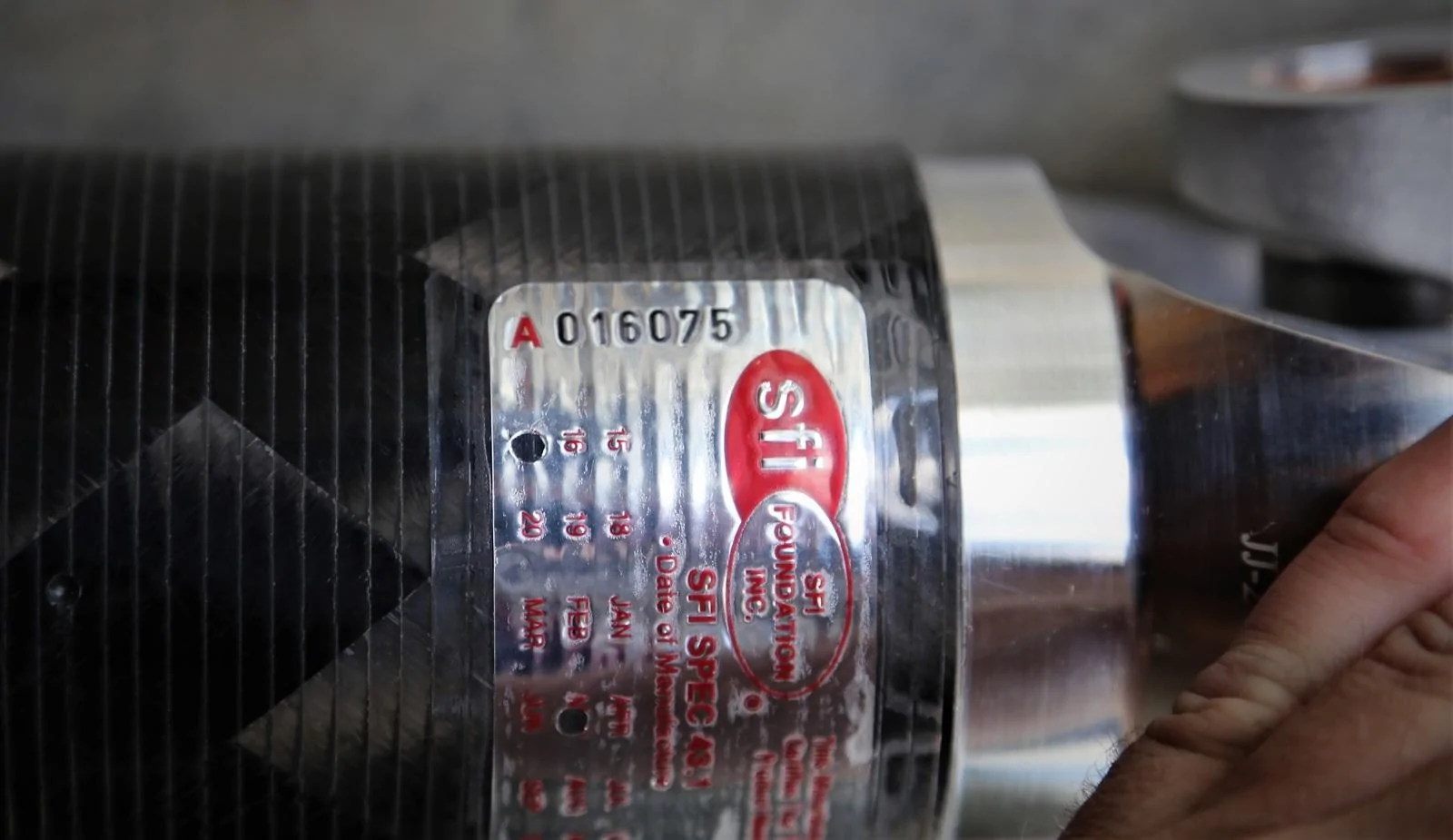
The fact that the shaft was tested and SFI approved was a major factor in terms of my decision to purchase. My concern wasn't the billet aluminum ends, the u-joints, or the fiber tube itself but rather the bond at the joint where the yokes are adhered to the tube. Take a look at the test criteria starting on page 3 of the relevant SFI PDF. Note how both static torque testing and cyclic torque testing are done.
http://www.sfifoundation.com/wp-content/pdfs/specs/Spec_43.1_032409.pdf
I have seen photos in the past of DSS CF shafts where the bond failed and the yoke ends spun inside the tube. Ford used splined ends on the '13/'14 GT500 shaft, the only one I've seen done that way. So the bond at this critical juncture(s) is something I've paid close attention to. When QA1 talks about the 11 step process and the 3M adhesive they use they are in essence stating that they are well aware of the critical nature of the manufacturing process and are going all out to ensure that the bond is a success. The SFI test would expose a failed bond rather quickly. So this silly little sticker that most don't give much attention to means a hell of a lot.
Shaft balance...QA1 doesn't try to bond a weight to the fiber. Instead, they index different thickness horseshoe washers under the bolts for the CV joint. These are carefully placed during balancing and then marked so that the installer can replicate their placement when bolting the shaft to the car. Note the difference in thickness...
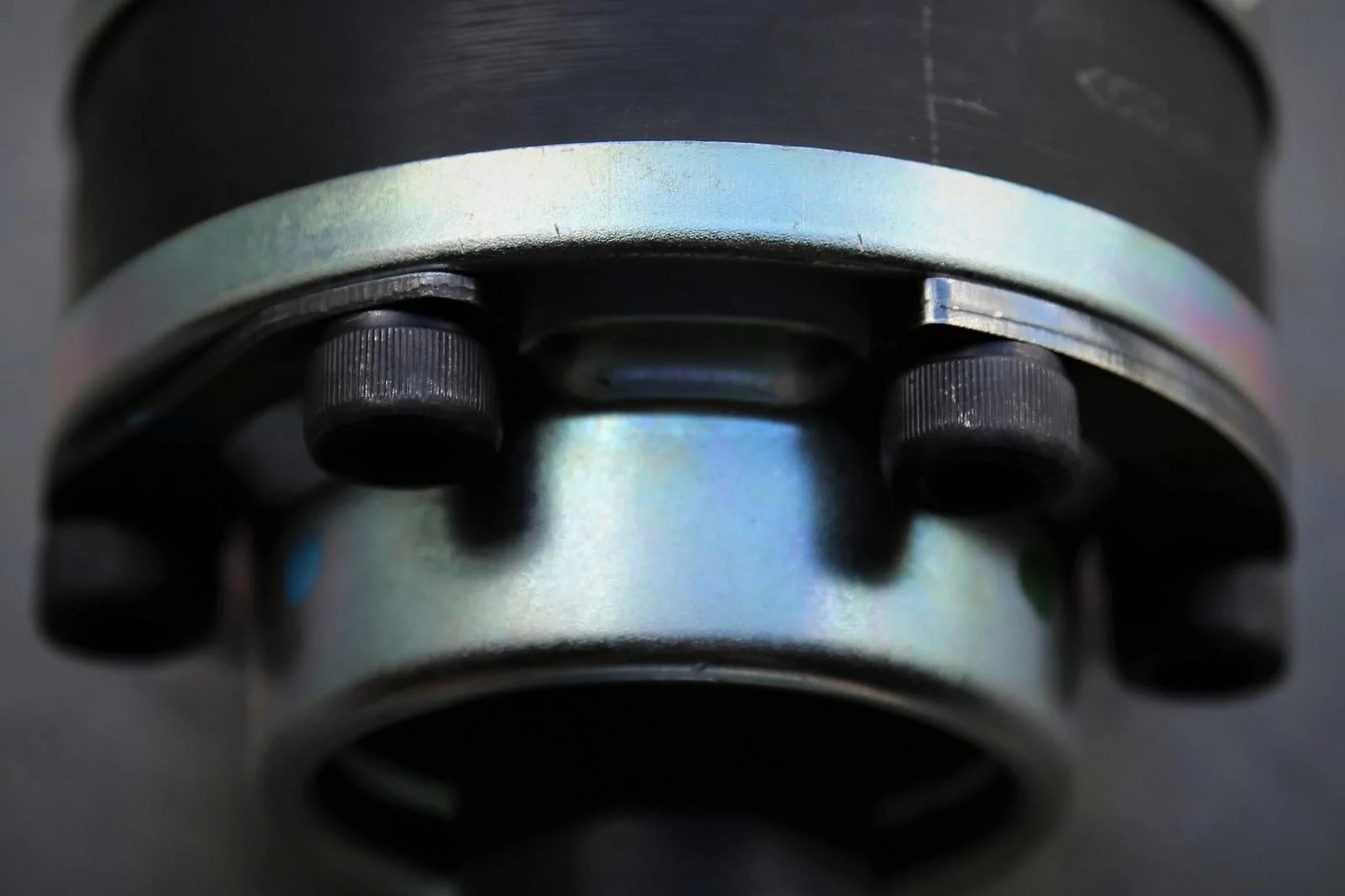
They also drill if and where necessary on the end itself to further fine tune.
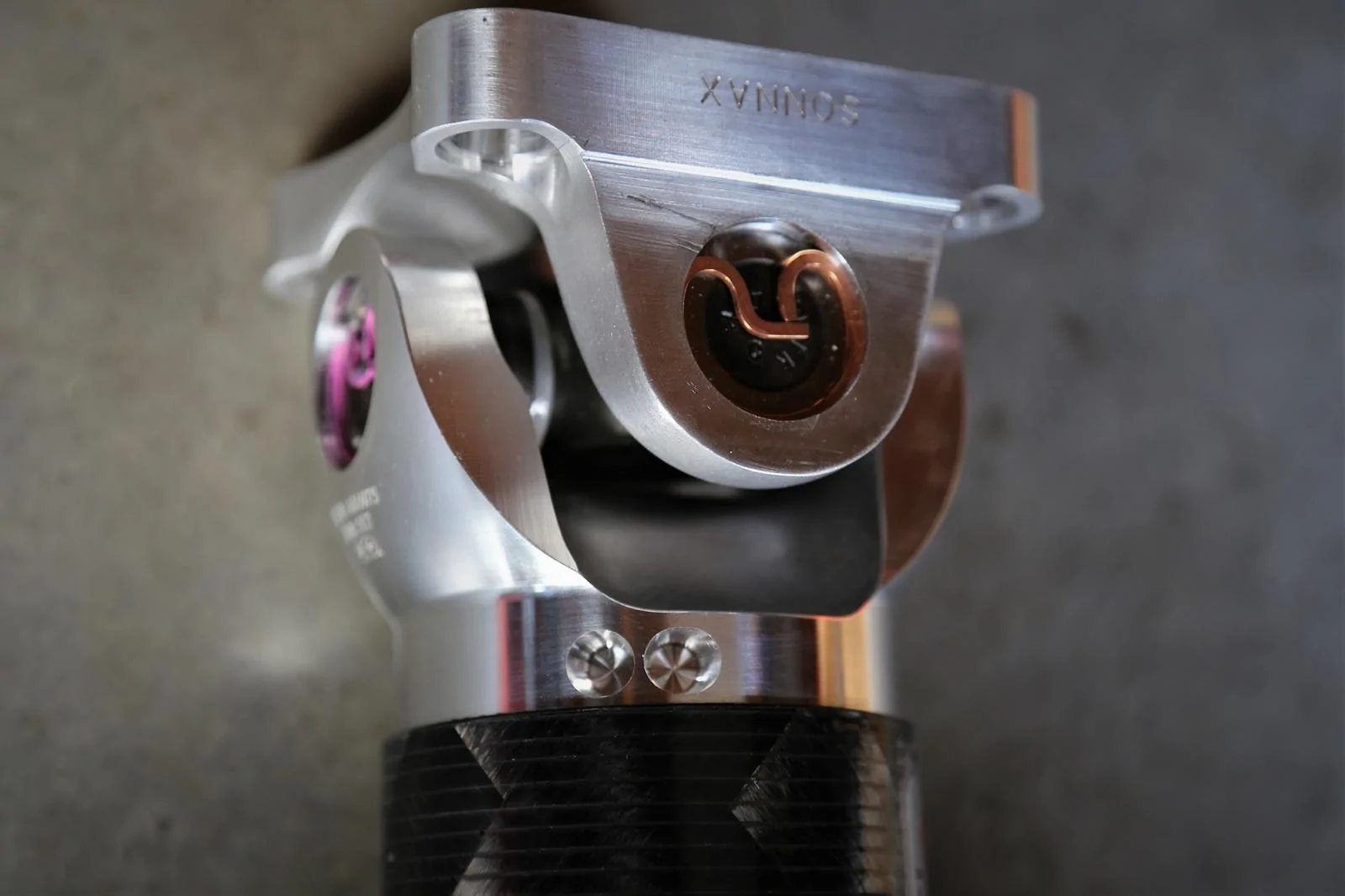
The flange yoke comes from Sonnax, a well respected aftermarket driveline component aftermarket supplier located in Vermont. Scroll down to the bottom of the following link and you'll see the 1350 joint style used for this application.
http://www.sonnax.com/parts?categories[]=1&types[]=Flange+Yoke
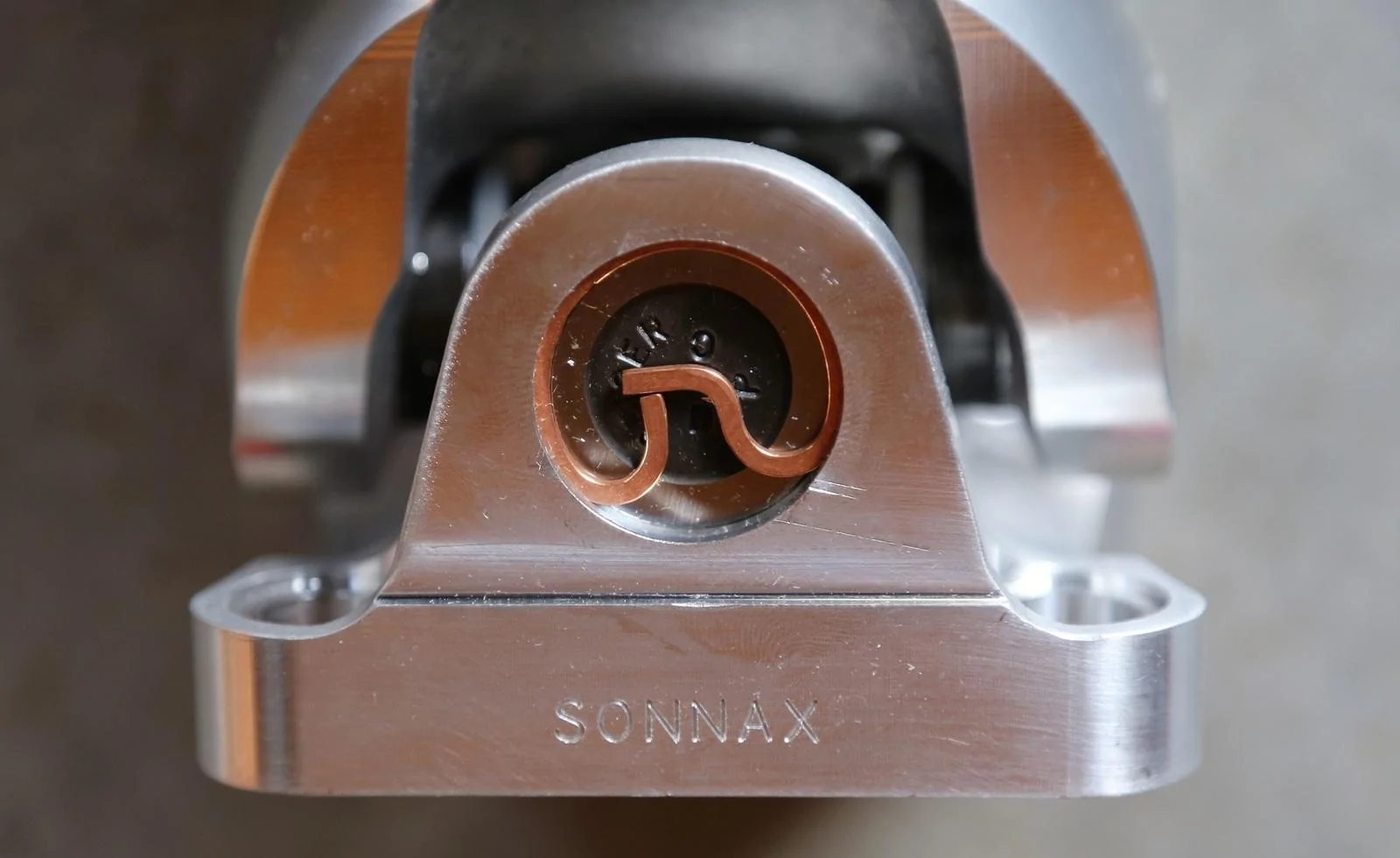
QA1 is using a bondable yoke from Sonnax as well that is specifically designed for use with Cf shafts.
http://www.sonnax.com/parts/4424-bondable-yoke
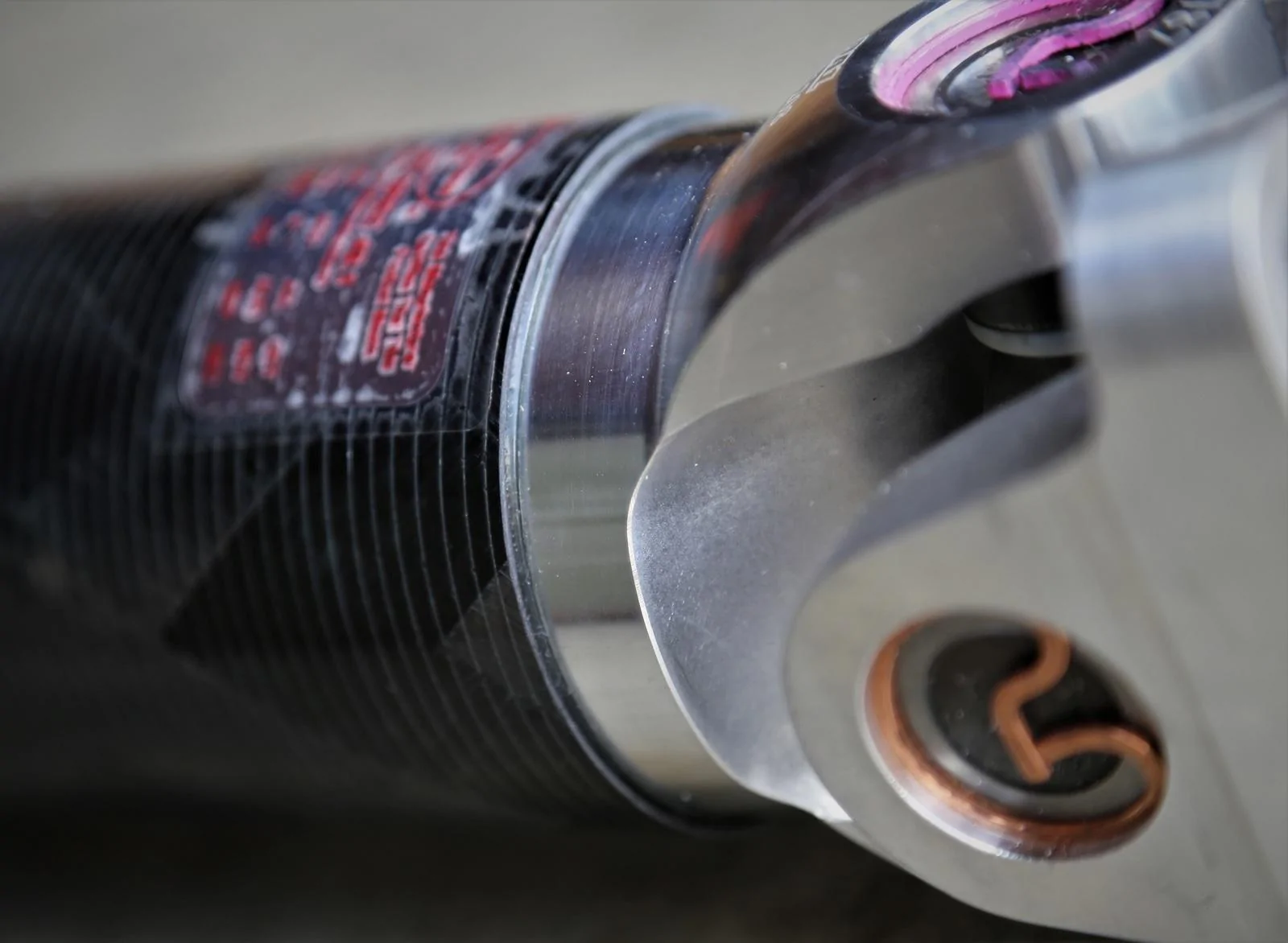
The u-joints are from Dana/Spicer, another well respected company and Tier supplier to the OE's.
http://danaaftermarket.com/part/id/115604?cat1=115&str=5-1350x&cp=0
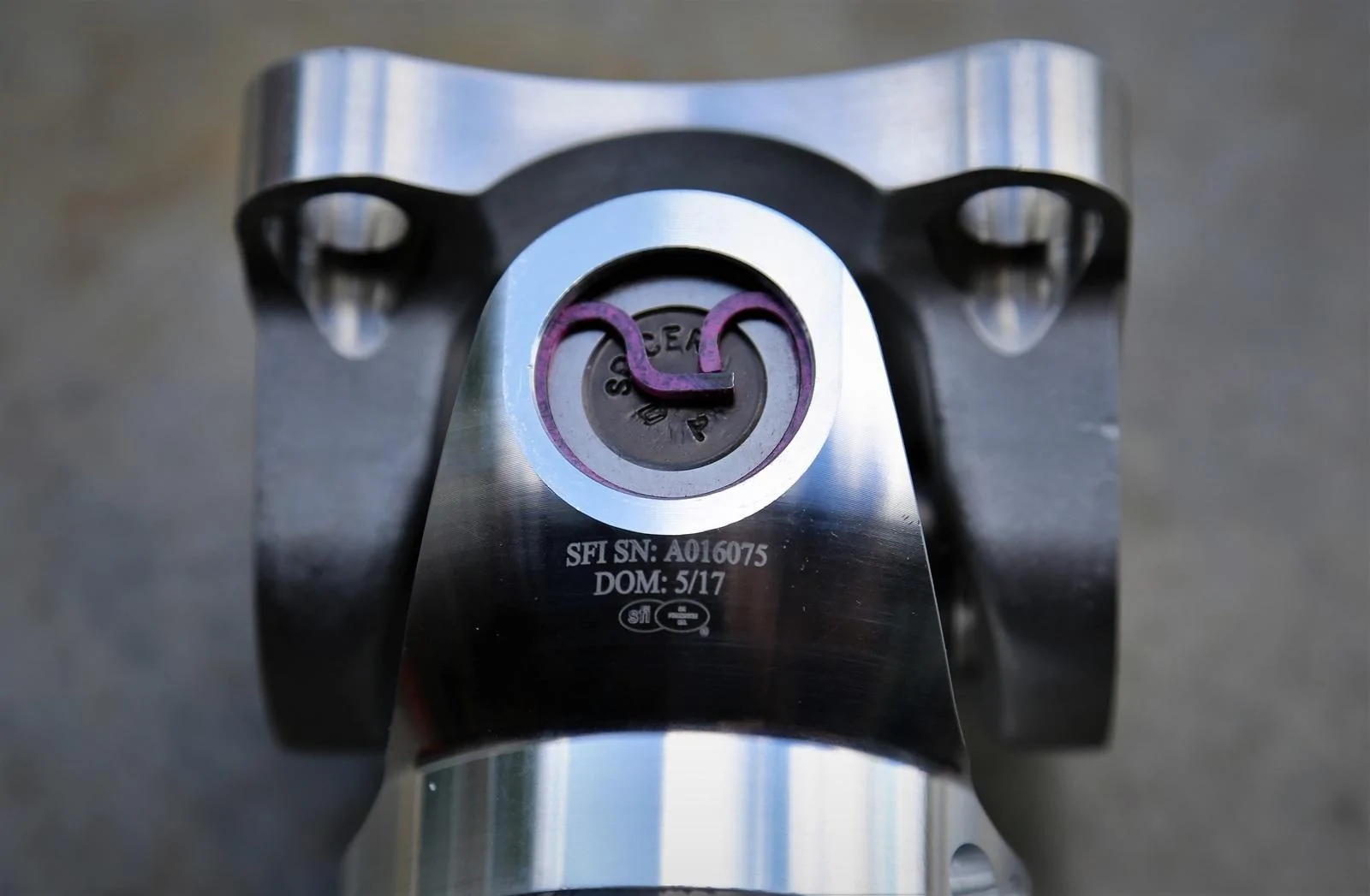
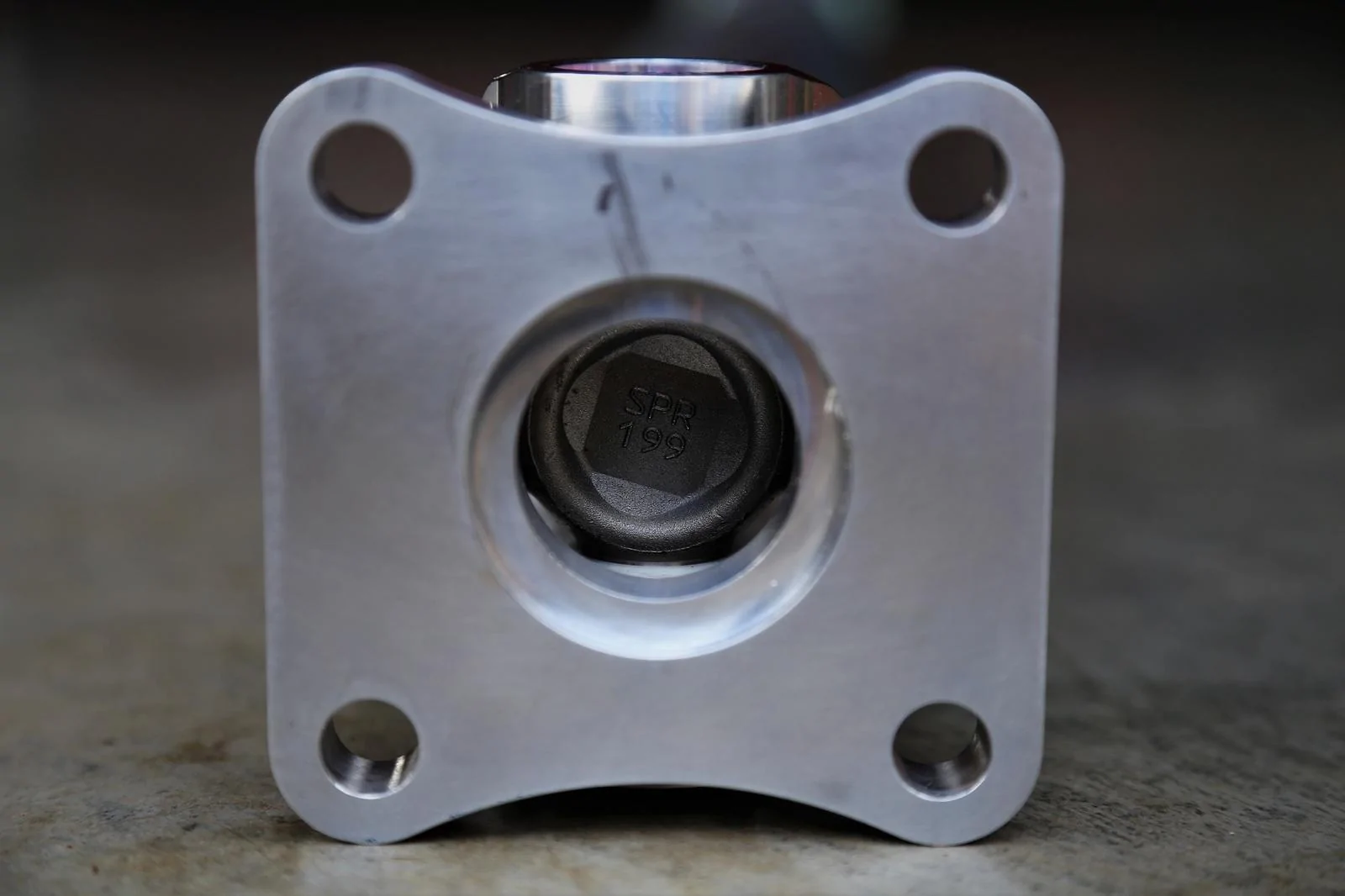
The CV joints are from GKN, yet another Tier supplier to the OEM's as well as the aftermarket.
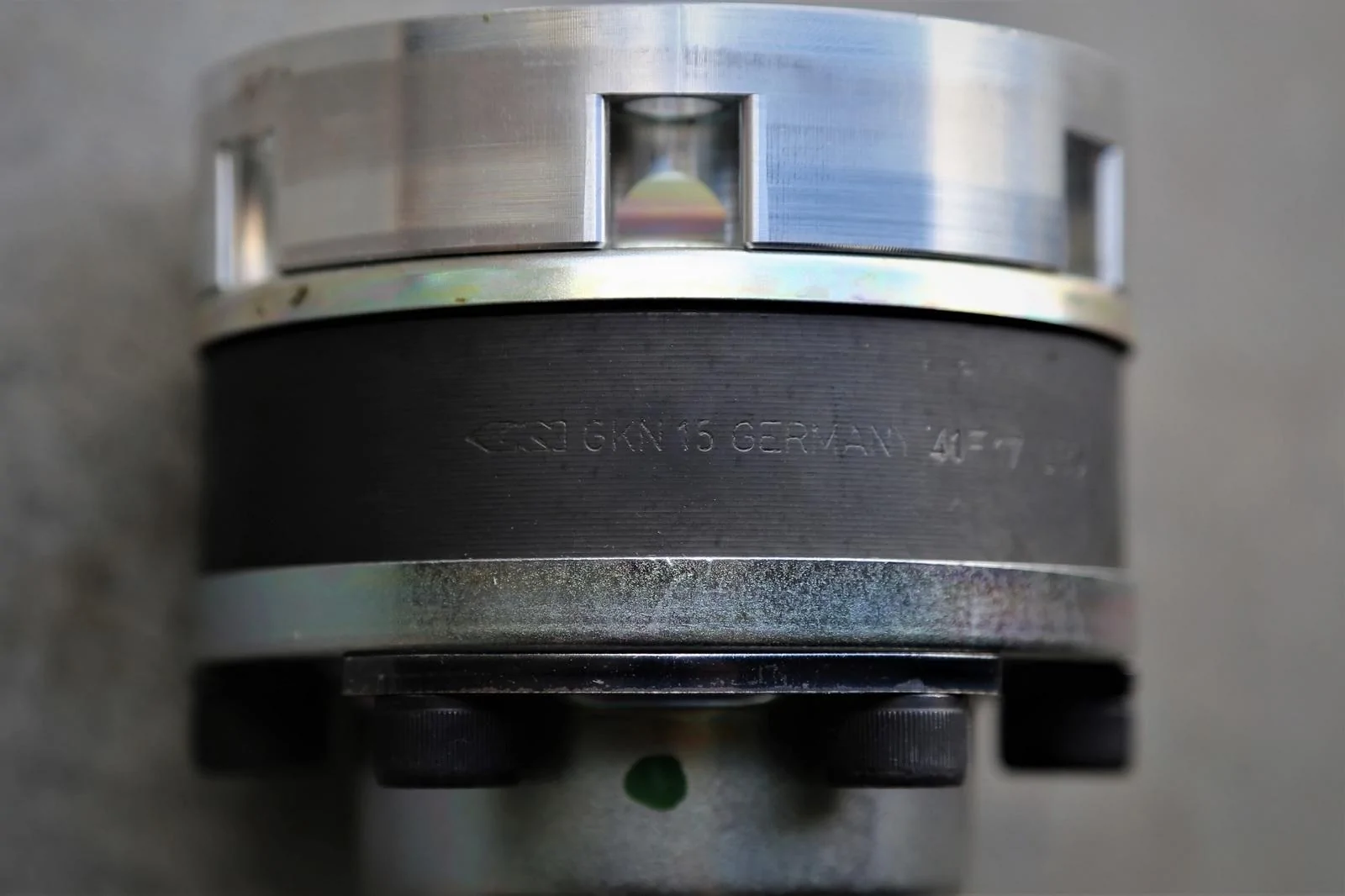
Quite a bit of data from GKN in the following link regarding these joints.
http://www.gknservice.com/fileadmin...h/CV_Driveshafts_Industry_SpecialVehicles.pdf
I don't know who is doing the flange adapter for QA1 be it Sonnax, done locally or in-house at QA1 but it is a beautiful piece as well.
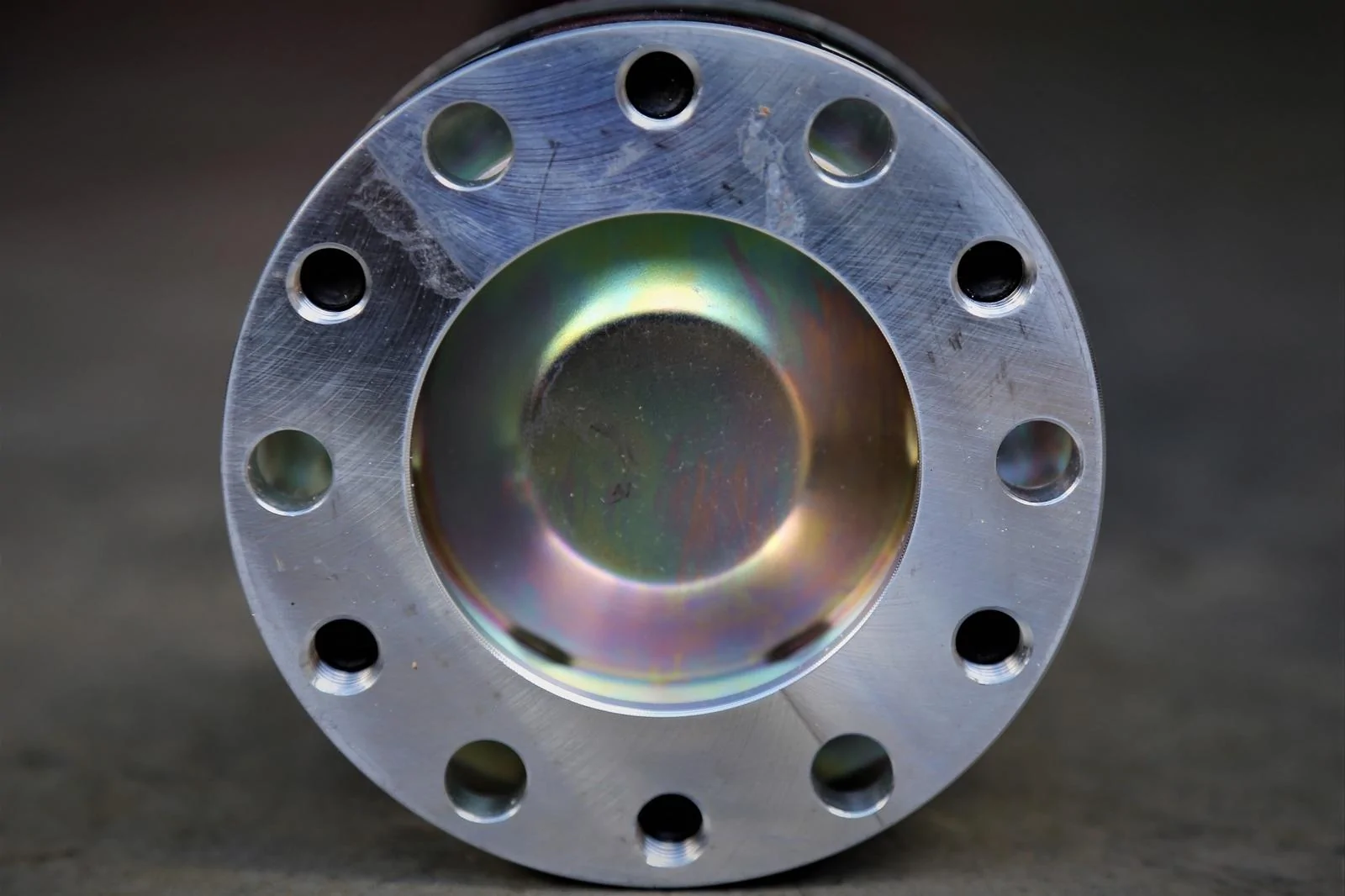
With heavy hitters such as Dana, GKN, Sonnax, 3M, providing support to an already well established company in QA1, my confidence level is very high in this piece. The service they are giving me is far more than I would have expected and I cannot wait to add this one to my car.
A few more photos for your viewing pleasure.
Sponsored
Last edited:
 Look forward to your impressions after install.