Robottrainer
Well-Known Member
- Thread starter
- #1
Hi All,
I've been reading with interest and dismay regarding the number of diff bolt and bushing failures reported on this forum. In the grand scheme of things its probably rare, but when it happens to you and the amount of carnage it causes, it is a concern. I am about to embark on swapping out the bolts and installing either the Steeda or BMR bushing lock outs.
A little back ground. I am a Mechanical Technologist by trade. I do have a bit of structural engineering background. My brother is a Professional Mechanical Enegineer. I was discussing this situation with him at length yesterday and we came up with a take on the whole matter.
The design of this seems bent on a intents. Cost, ease of assembly and driver comfort. Its a compromise. For the average joe or joanne, they will drive for years and never give this a thought or have a problem. A combination of the cars age and the driving style will ultimately decide when the system will give up the ghost. The manufacturer hopes that its after the warranty expires.
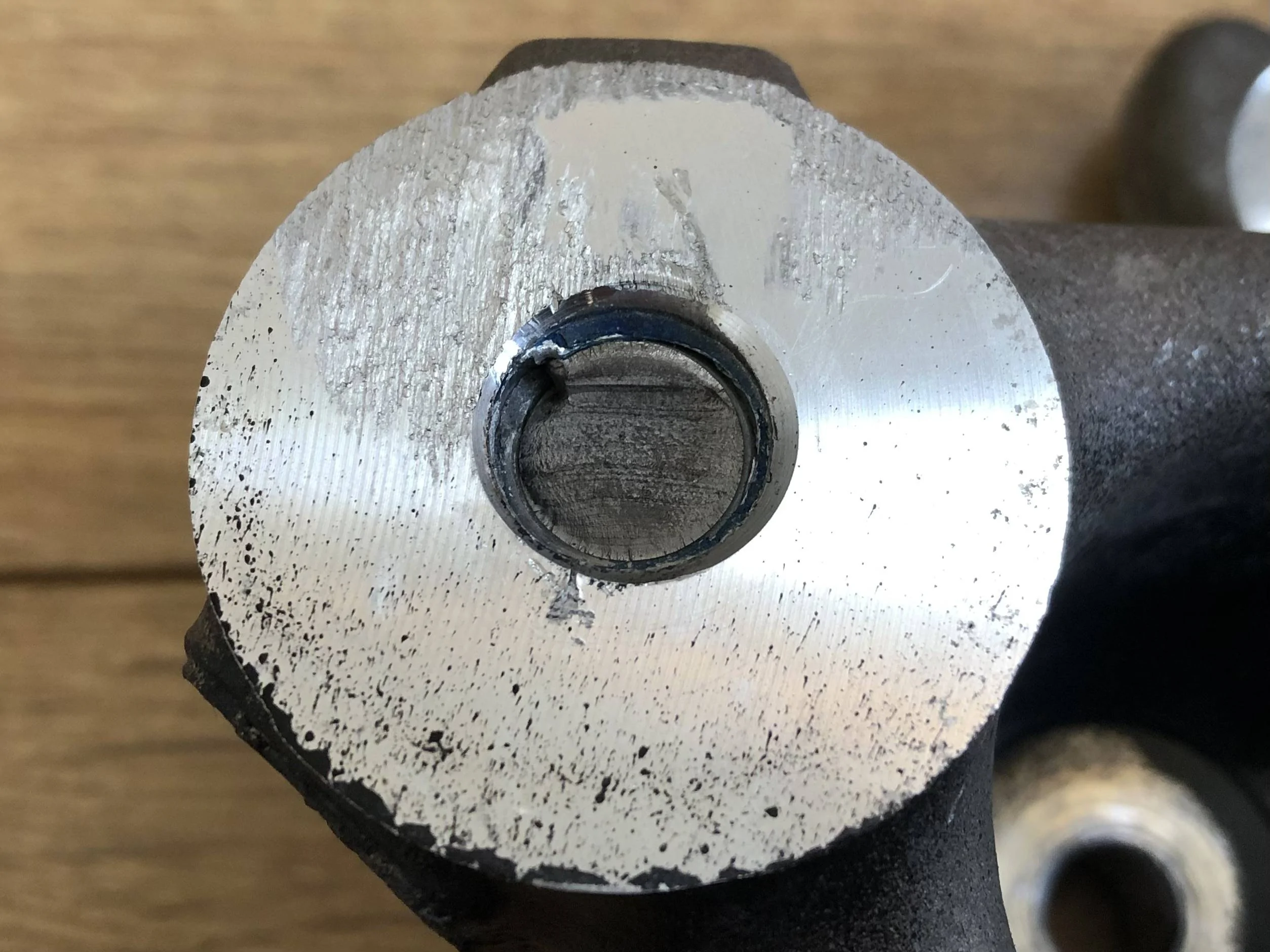
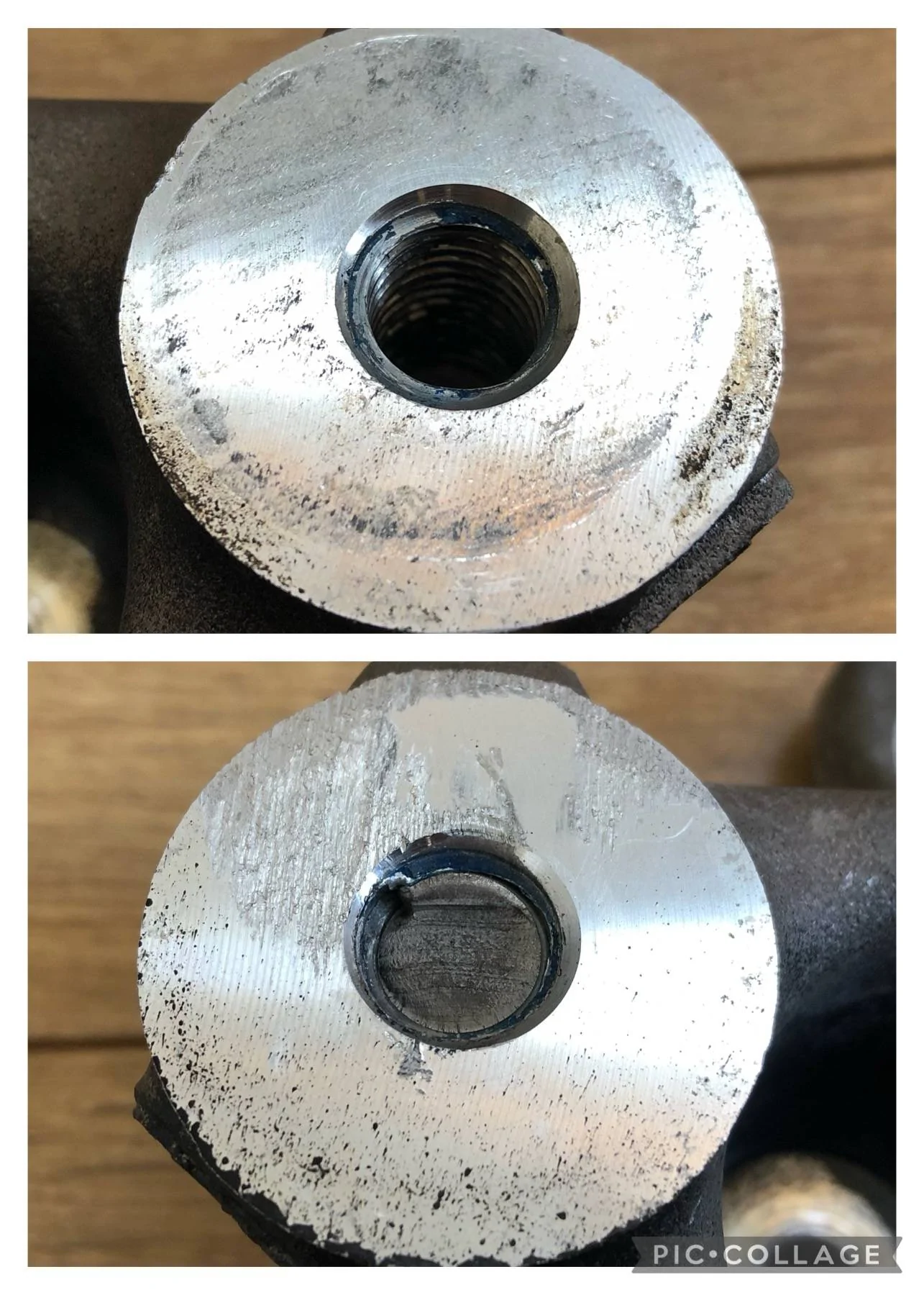
We both looked at these failures. Both of us are convinced it isnt a shear failure but a bending/torsional failure compounded by work hardening. Shear infers that one part of the bolt is stationary (bushing) and the other is moving (diff). This would be true for a solid bushing. In most cases we are dealing with the rubber bushing and sometimes bushing lock out. No matter what you stick in the bushing, there will always be some movement, unless its solid. If it moves, together, the shear is is almost nil.
In OEM form, the bolts clamp the diff to the bushings. The more clamping force the more friction so everything moves together. What happens if the bushing hits its movement limit? The bolt could shear at that point. If you get bellow that point and you hit the yield strength of the bolt (more to do with the grade of the bolts), it will start to bend. Bend it enough times and it will break. Just like when you bend a wire repeatedly over and over. So how do you stop it.
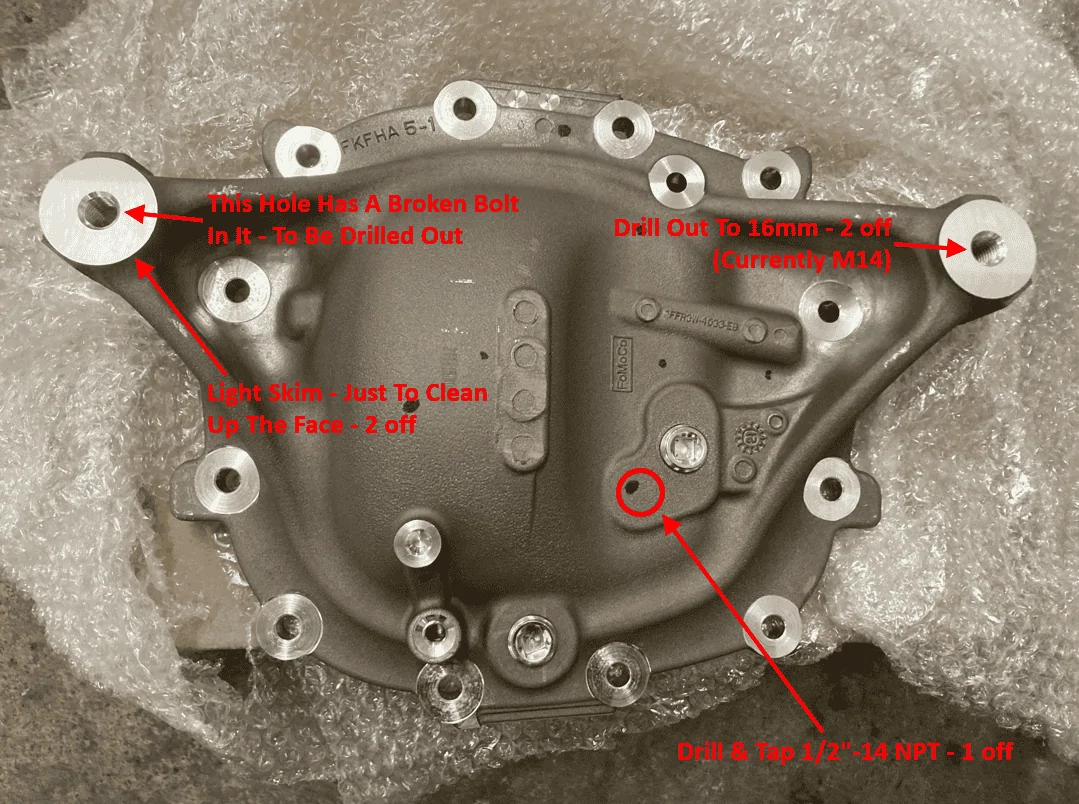
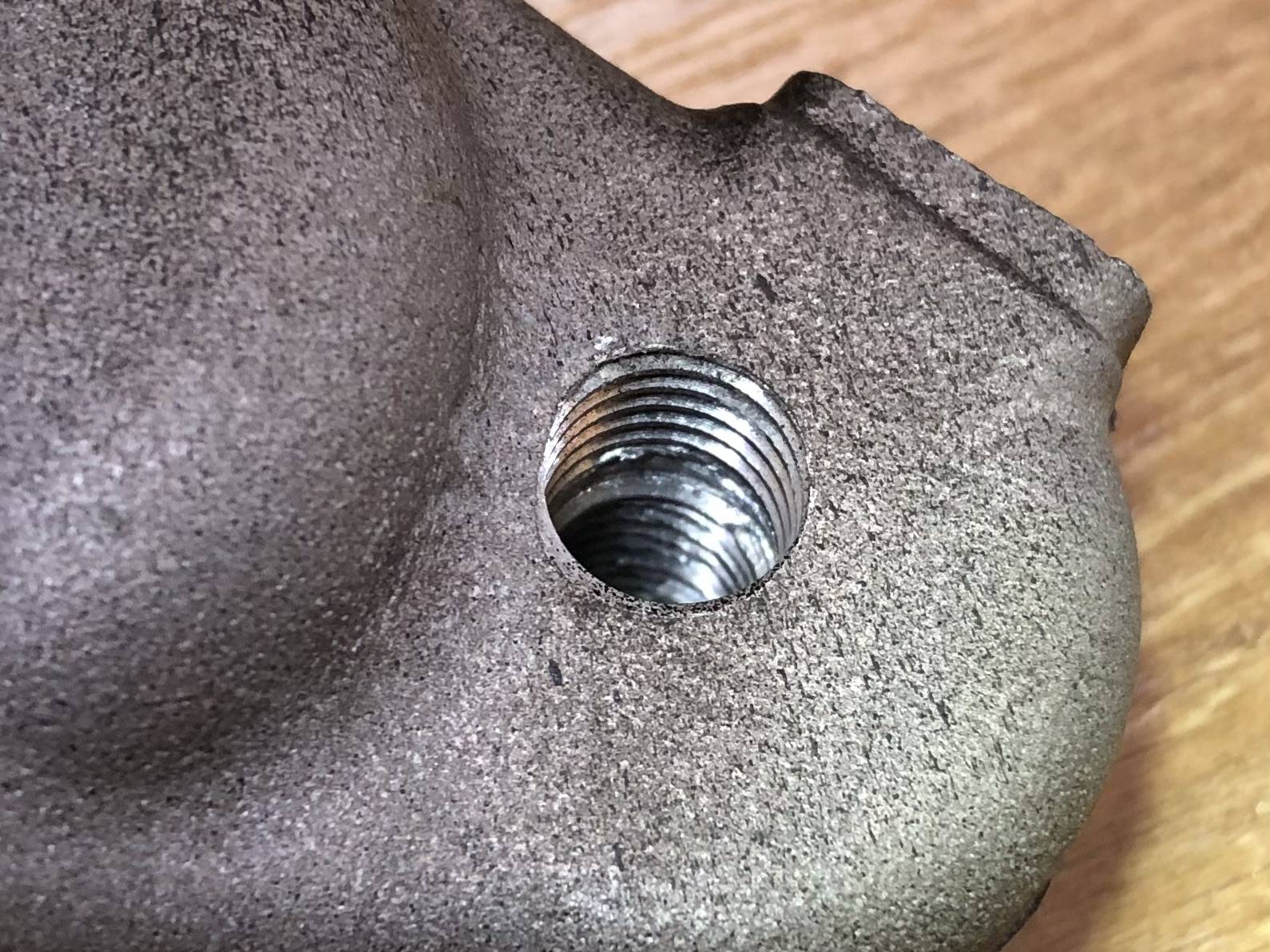
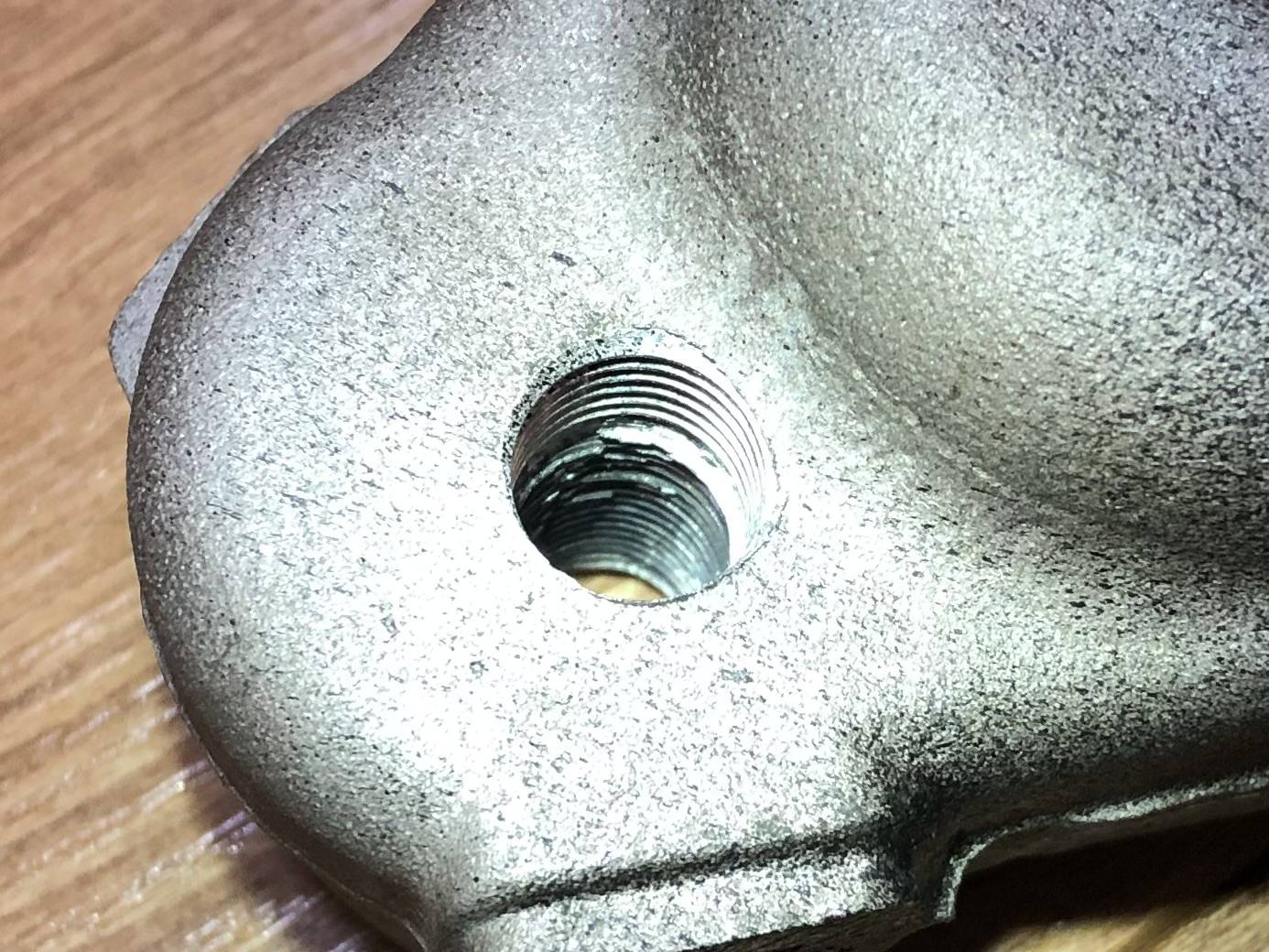
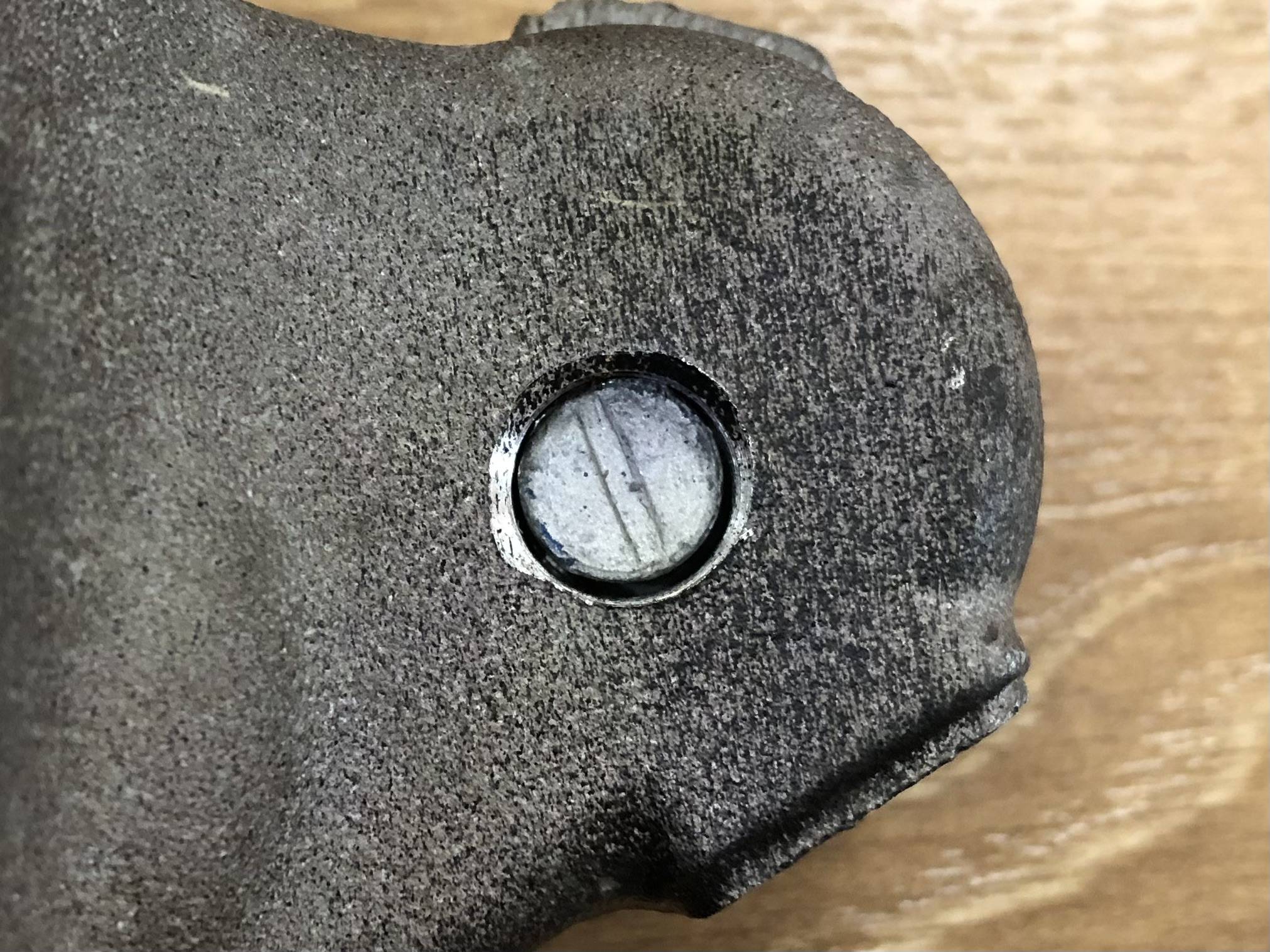
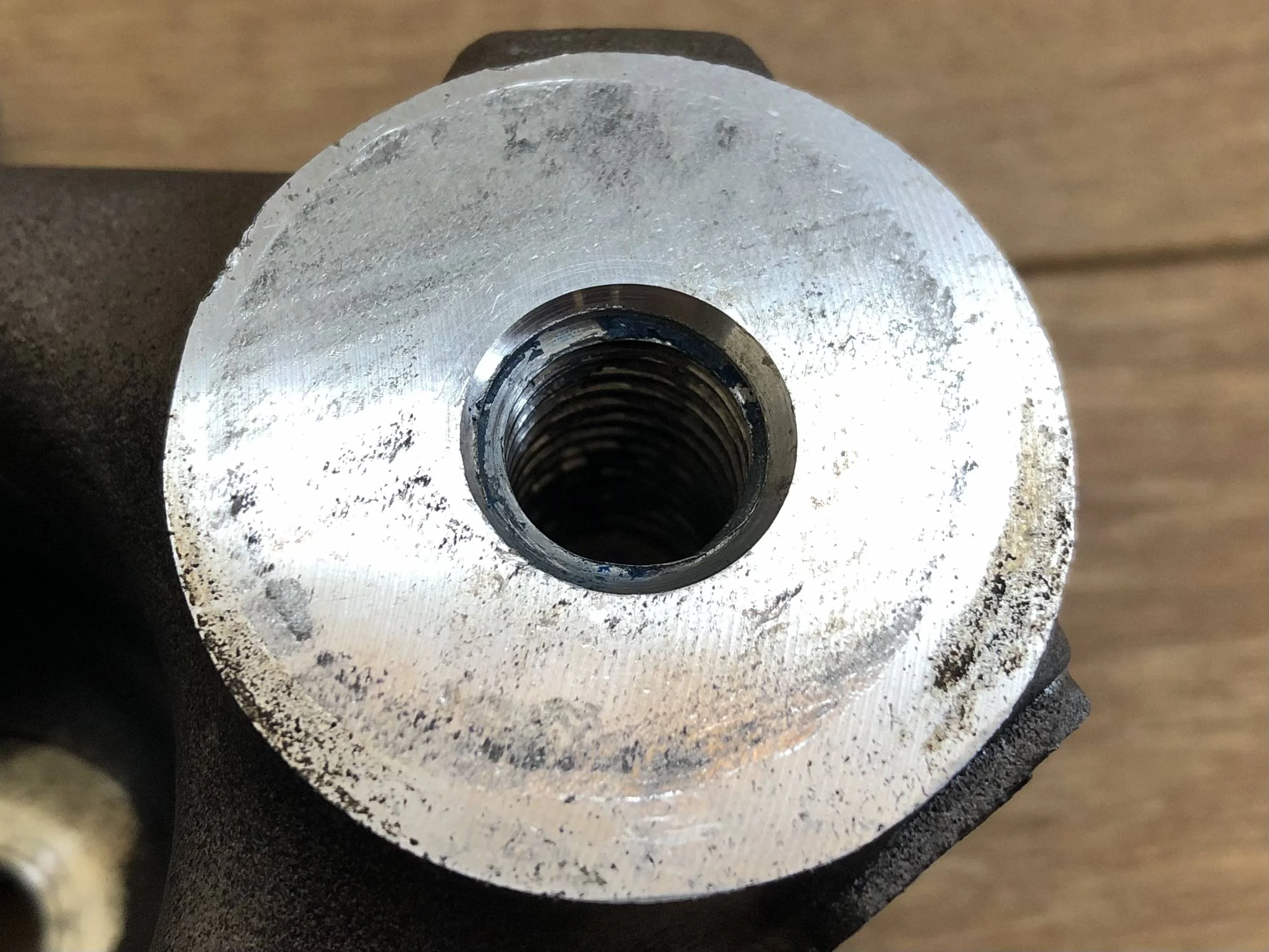
Kelltracs solution seems to be on the right track. It relies more on massive size size (5/8" bolts on the shank) than it does bolt grade, although they do use ASTM 574 bolts. You need more force to get to the yield strength the bigger something is. You could use a hardware grad bolt if it were 2" in diameter. The only draw back I see with this is the reduced material in the front boss and rear cover after drilling. These parts were never designed for holes this big. Extreme loads, will find the weakest link. You could see a spat of broken bosses/lugs with this eventually. Time will tell.
Next option, probably more for the less intense users is the Steeda 555-4051. Their approach is different. Maybe not as effective as Kelltracs, but should work for 90% of us. This uses a fully threaded 4140 M14 bolt and nut at the front and a longer threaded bolt in the read. Having a fully threaded front bolt makes the bolt and threaded bushing insert "one piece". The nut then clapms the front diff boss to the bushing. The clamping force is lower than Kelltracs at 129 lb ft. This sytem relies on the higher yield strength and toughness of 4140 heat treated material
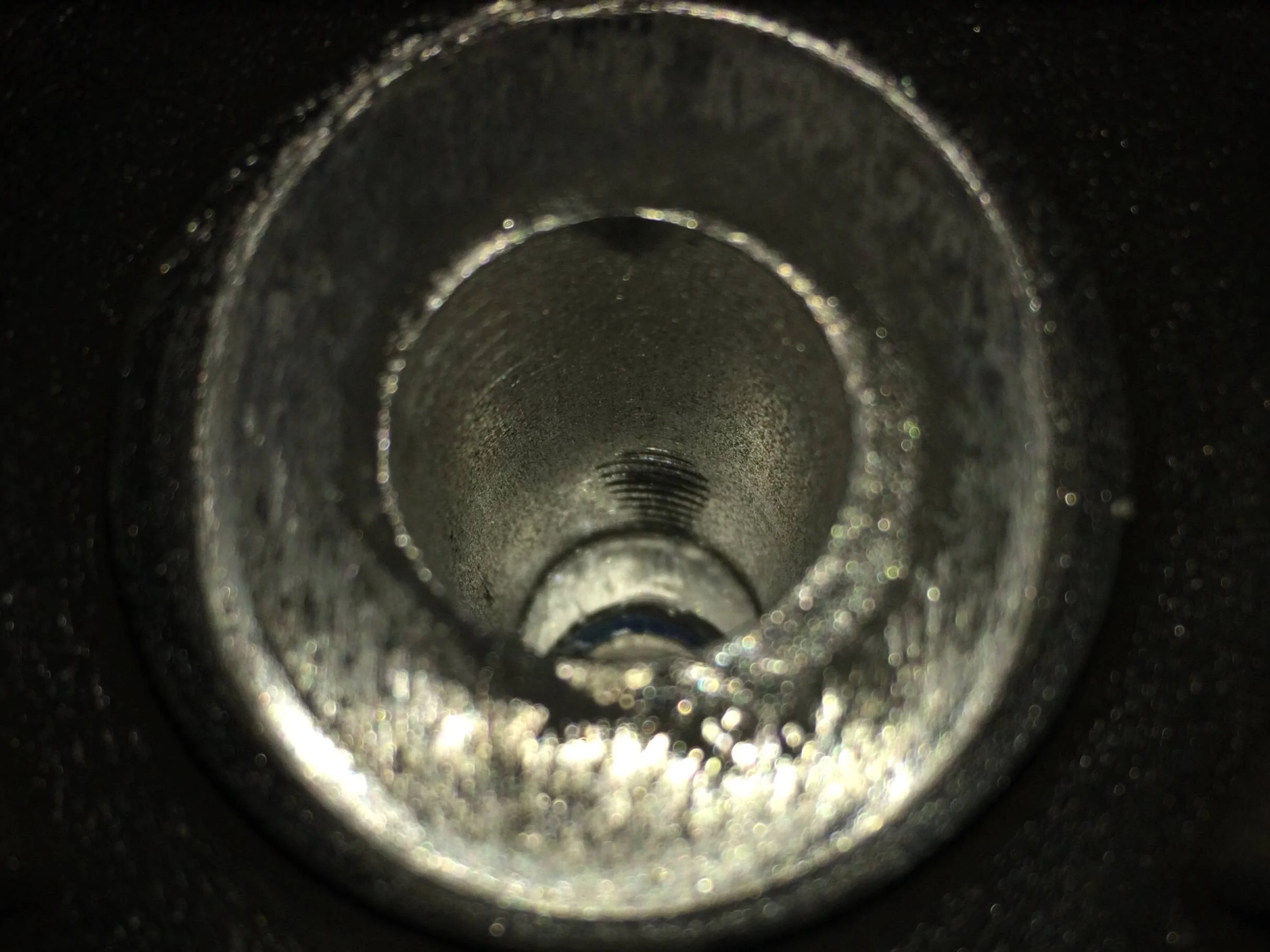
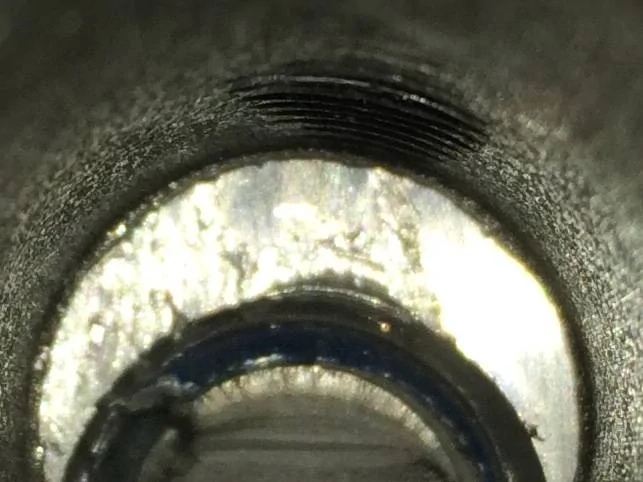
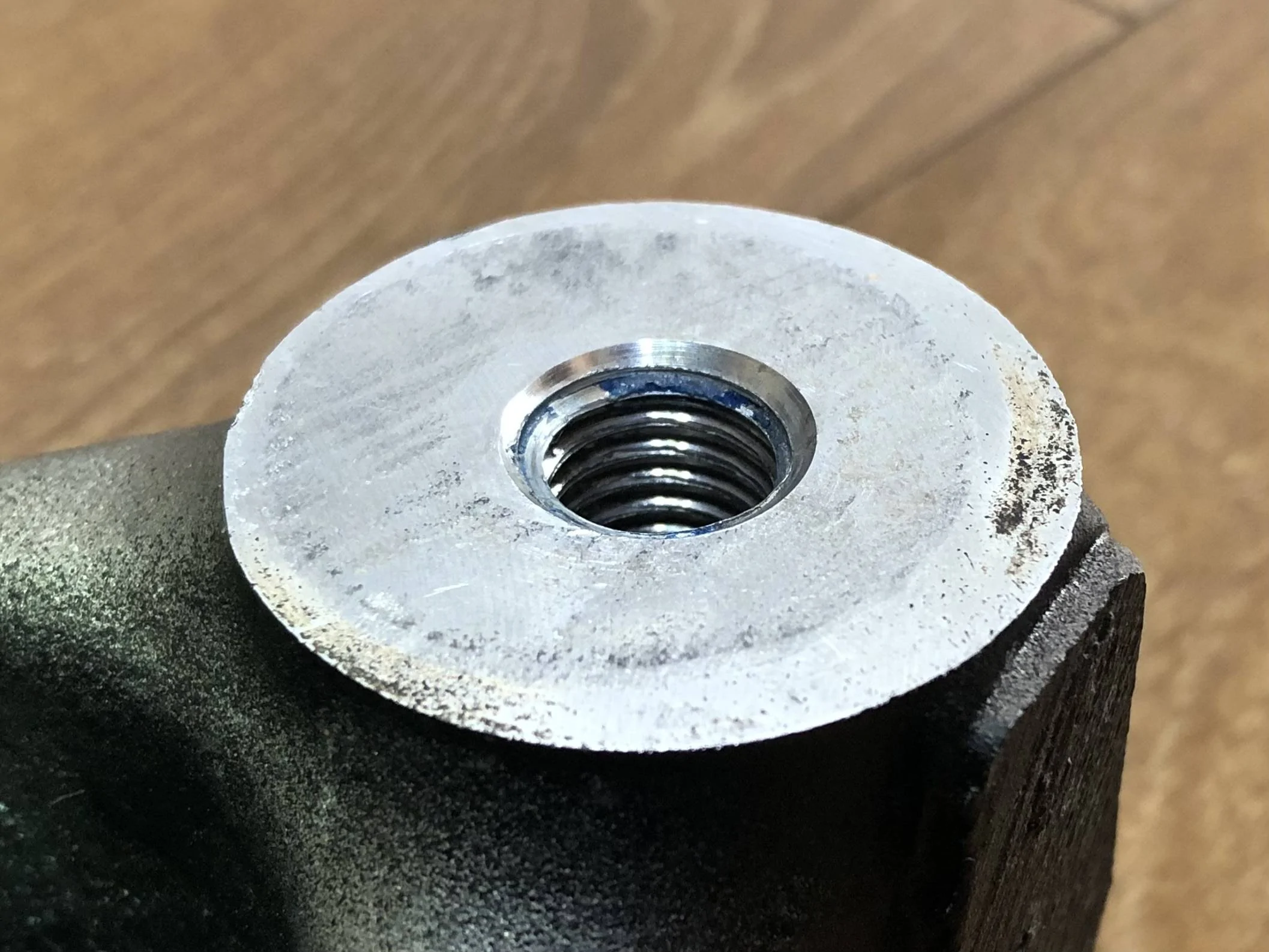
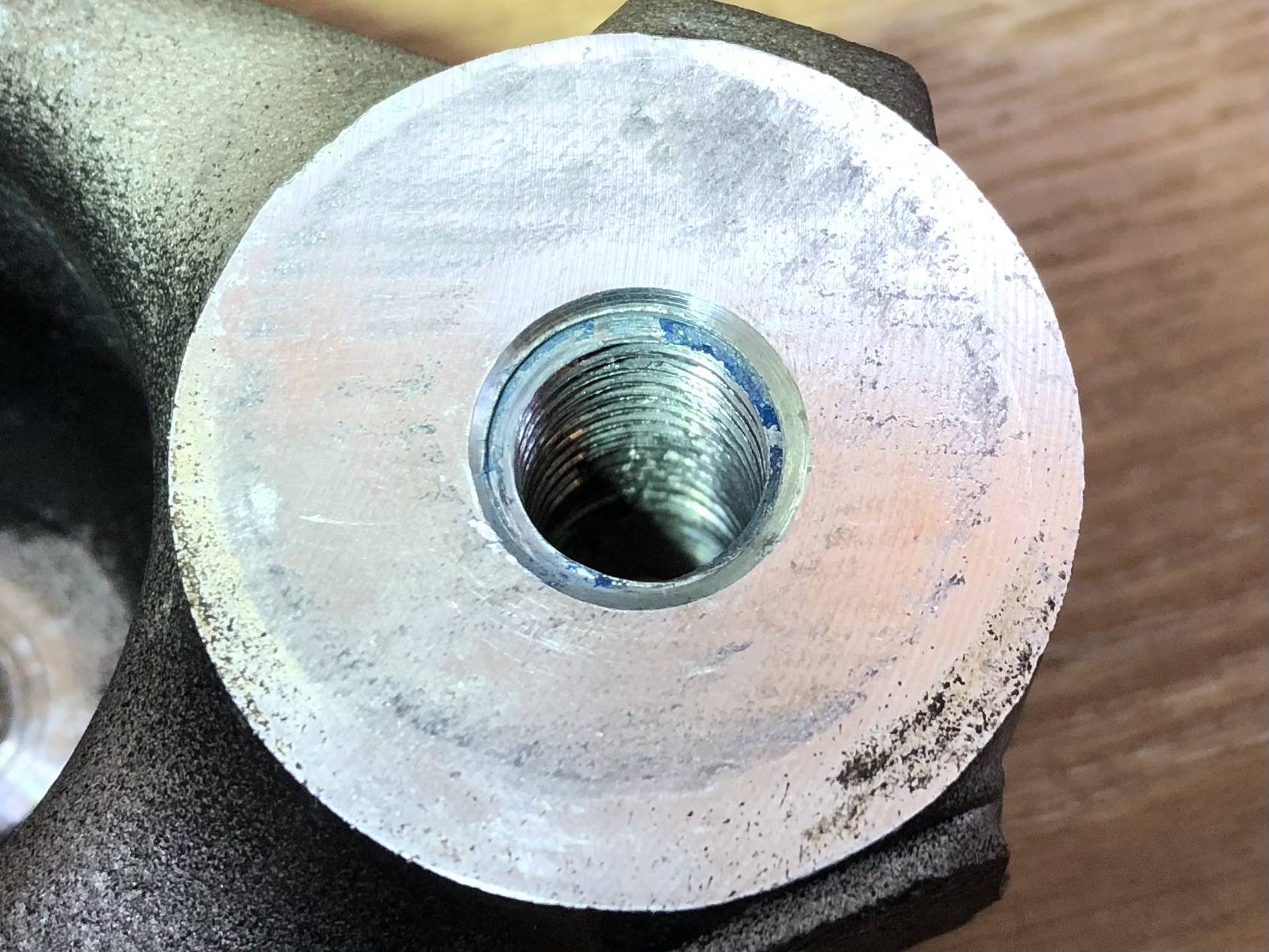
Another issue is slop. Too much clearance between the bolt and the bushing. Kelltrac solves this by drilling everything out to 5/8". The bolts have a closer fit. With the Steeda kit you will need to have an insert for the rear bushings. The front bushing is taken care of by having a fully threaded bolt in the insert. Probably wouldnt hurt to have an insert in the diff boss, but I havent seen any info on what size the oem hole is. Slop in these areas area killer.
Anyhow, opinion are those of the author.
I've been reading with interest and dismay regarding the number of diff bolt and bushing failures reported on this forum. In the grand scheme of things its probably rare, but when it happens to you and the amount of carnage it causes, it is a concern. I am about to embark on swapping out the bolts and installing either the Steeda or BMR bushing lock outs.
A little back ground. I am a Mechanical Technologist by trade. I do have a bit of structural engineering background. My brother is a Professional Mechanical Enegineer. I was discussing this situation with him at length yesterday and we came up with a take on the whole matter.
The design of this seems bent on a intents. Cost, ease of assembly and driver comfort. Its a compromise. For the average joe or joanne, they will drive for years and never give this a thought or have a problem. A combination of the cars age and the driving style will ultimately decide when the system will give up the ghost. The manufacturer hopes that its after the warranty expires.
We both looked at these failures. Both of us are convinced it isnt a shear failure but a bending/torsional failure compounded by work hardening. Shear infers that one part of the bolt is stationary (bushing) and the other is moving (diff). This would be true for a solid bushing. In most cases we are dealing with the rubber bushing and sometimes bushing lock out. No matter what you stick in the bushing, there will always be some movement, unless its solid. If it moves, together, the shear is is almost nil.
In OEM form, the bolts clamp the diff to the bushings. The more clamping force the more friction so everything moves together. What happens if the bushing hits its movement limit? The bolt could shear at that point. If you get bellow that point and you hit the yield strength of the bolt (more to do with the grade of the bolts), it will start to bend. Bend it enough times and it will break. Just like when you bend a wire repeatedly over and over. So how do you stop it.
Kelltracs solution seems to be on the right track. It relies more on massive size size (5/8" bolts on the shank) than it does bolt grade, although they do use ASTM 574 bolts. You need more force to get to the yield strength the bigger something is. You could use a hardware grad bolt if it were 2" in diameter. The only draw back I see with this is the reduced material in the front boss and rear cover after drilling. These parts were never designed for holes this big. Extreme loads, will find the weakest link. You could see a spat of broken bosses/lugs with this eventually. Time will tell.
Next option, probably more for the less intense users is the Steeda 555-4051. Their approach is different. Maybe not as effective as Kelltracs, but should work for 90% of us. This uses a fully threaded 4140 M14 bolt and nut at the front and a longer threaded bolt in the read. Having a fully threaded front bolt makes the bolt and threaded bushing insert "one piece". The nut then clapms the front diff boss to the bushing. The clamping force is lower than Kelltracs at 129 lb ft. This sytem relies on the higher yield strength and toughness of 4140 heat treated material
Another issue is slop. Too much clearance between the bolt and the bushing. Kelltrac solves this by drilling everything out to 5/8". The bolts have a closer fit. With the Steeda kit you will need to have an insert for the rear bushings. The front bushing is taken care of by having a fully threaded bolt in the insert. Probably wouldnt hurt to have an insert in the diff boss, but I havent seen any info on what size the oem hole is. Slop in these areas area killer.
Anyhow, opinion are those of the author.
Sponsored