
Sponsored

What is this "Cottage Cheese" in my oil separator?

mmff88gt

Well-Known Member
Joined
Nov 22, 2019
Threads
1
Messages
152
Reaction score
345
Location
NW Ohio
Vehicle(s)
2019 Mustang GT Convertible
Following are photos of what came out of my passenger-side (my only) oil separator just now, after an oil change with 5,000 on the oil. Total volume -- 2 oz. It all smells like petroleum distillate. The top layer looks like rusty water -- in the photo you can see it is actually two layers on top -- and the particulate below it is white or creamy. Then there is another layer of liquid that looks like rusty water. In the past, the stuff in the oil separator has always just looked like thinned -out used motor oil.

My last oil analysis about 5,000 miles ago showed 0% water, 0% antifreeze, and <0.5% fuel. The antifreeze is not down and I do not get any excess white steam in my exhaust. This car is a daily driver. Is this stuff just a result of condensation from driving in Northern Ohio in the winter? Any thoughts? Has anyone had a similar experience?

PXL_20250402_194943101.webp
PXL_20250402_195252130.webp
Sponsored


Goterr0r

Well-Known Member
Joined
Dec 18, 2018
Threads
5
Messages
410
Reaction score
592
Location
St. Louis
First Name
Chad
Vehicle(s)
2022 Mach 1
What catch can do you have? I've seen some cheap ones wirth janky mesh screens that rust if you look at them. Could be the cause for the discoloration.
 

Wolfys11

Well-Known Member
Joined
Aug 27, 2023
Threads
3
Messages
1,037
Reaction score
753
Location
New york
First Name
Jakub
Vehicle(s)
2023 Mustang Gt
in the winter, all catch cans collect moisture from condensation from cold metal becoming hot and being caught in the speration process in the catch can

Water/ oil plus water mixture is normal

However yours looks rusty, i would agree with @Goterr0r, it looks like the catch can is rusting

If its not a commonly used brand for ford catch can, its likely that that is the issue and you should replace with a name brand, upr is my suggestion but any name brand uses stainless steel
 

RacingRoger

Well-Known Member
Joined
Aug 2, 2022
Threads
9
Messages
130
Reaction score
151
Location
NE Indiana
First Name
Douglas
Vehicle(s)
Lincoln MKZ, F-150 Lariat, 2022 Mustang GT Premium
It's called "crema" and it's CO2 bubbles that comes from roasted coffee beans and the oils that emulsify together with hot water when pulling a shot of espresso.
I'll take mine with cream and sugar.
Irish whiskey would be better....
 

Sponsored

Boosted Pony

Well-Known Member
Joined
May 5, 2022
Threads
27
Messages
231
Reaction score
333
Location
Florida
First Name
Bill
Vehicle(s)
2021 Mustang Ecoboost 2.3 High Performance Package
Condensation inside the oil catch can mixing with the oil vapors. Remember one thing the oil a catch can collects is nothing but a vapor, it is not liquid oil like pouring it out of a bottle. Years ago this vapor was run through a small hose that was open and it dripped onto the ground, the system was changed and was redirected to the intake to burn off the oil vapor in the combustion chamber.

On carburetor equipped engines this was not a problem, it is also not a problem on port injected engines, however on direct injection engines this is a problem because you have no gasoline to wash the intake valve so you end up getting carbon built up on the intake valve with direct injection engines.

Many manufactures have resorted to a combination of direct injection and a port injection to wash the oil vapor off the intake valve.

Anytime you have condensation mixing with oil vapors in an oil catch can you will get the mess you are seeing.

My 2015 Harley had a catch can and due to the catch can being exposed to the open elements it created a lot of condensation and it looked horrible like yours and it was a high quality catch can and was not rusting anywhere.
 

Skye

Well-Known Member
Joined
Jan 18, 2022
Threads
13
Messages
2,923
Reaction score
4,101
Location
≈39N
Vehicle(s)
"Skye" Mach1 N2144
I have a J&L oil separator on the passenger side; it does have a mesh screen in the head end which helps capture the oil from the passing vapor.

I do not daily my car, but when I do drive it, it's often for close to an hour or more each time.

The vehicle sees a wide range of temperatures. The car is stored in the Winter. My thoughts on condensation are, if driven often or long enough, condensation should naturally burn off.

I check my can periodically through the year and empty as needed.

While I did see some "glitter" (presented as gold flakes) from the catch can as it was newly installed, this effect has since faded. Otherwise, it's been nothing but oil.

Returning to your concern, my interest is what has changed. Seeing something like that, makes me wonder if a connection is loose, the PCV valve is not working correctly or the separator itself has failed.

What brand is this separator? Bought and installed new with car?

What did the oil look like during the oil change? The dipstick?
 

jpjr501

Well-Known Member
Joined
Feb 29, 2024
Threads
2
Messages
297
Reaction score
315
Location
Boca Raton, FL
First Name
Joe
Vehicle(s)
2020 Mustang GT - Procharged
Drizzle that on a salad.

That is normal. Mine looks like that all the time. Moisture plus the metal screen drips light orange into the oil that's already in there. They don't mix, creates layers like you have.

Mine also has fuel in there because I run E85. The E85 collects so much moisture my oil cap looks like milkshake sometimes. Hell, under my mufflers puddles of water from E85. I live in South Florida, high humidity. I have videos of the water dripping.
 

Racer5973

Well-Known Member
Joined
Nov 15, 2021
Threads
0
Messages
148
Reaction score
68
Location
Fayetteville, NC
First Name
ray
Vehicle(s)
2017 mustang gt
Following are photos of what came out of my passenger-side (my only) oil separator just now, after an oil change with 5,000 on the oil. Total volume -- 2 oz. It all smells like petroleum distillate. The top layer looks like rusty water -- in the photo you can see it is actually two layers on top -- and the particulate below it is white or creamy. Then there is another layer of liquid that looks like rusty water. In the past, the stuff in the oil separator has always just looked like thinned -out used motor oil.

My last oil analysis about 5,000 miles ago showed 0% water, 0% antifreeze, and <0.5% fuel. The antifreeze is not down and I do not get any excess white steam in my exhaust. This car is a daily driver. Is this stuff just a result of condensation from driving in Northern Ohio in the winter? Any thoughts? Has anyone had a similar experience?
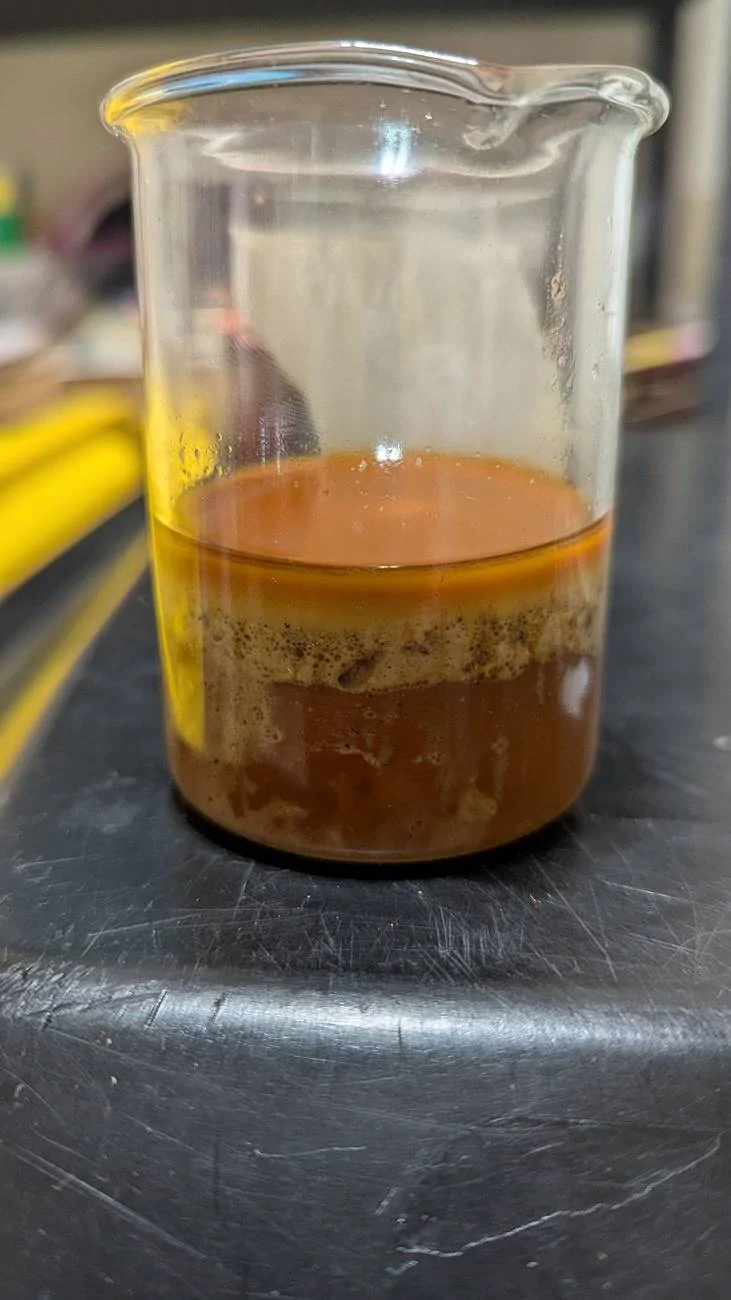
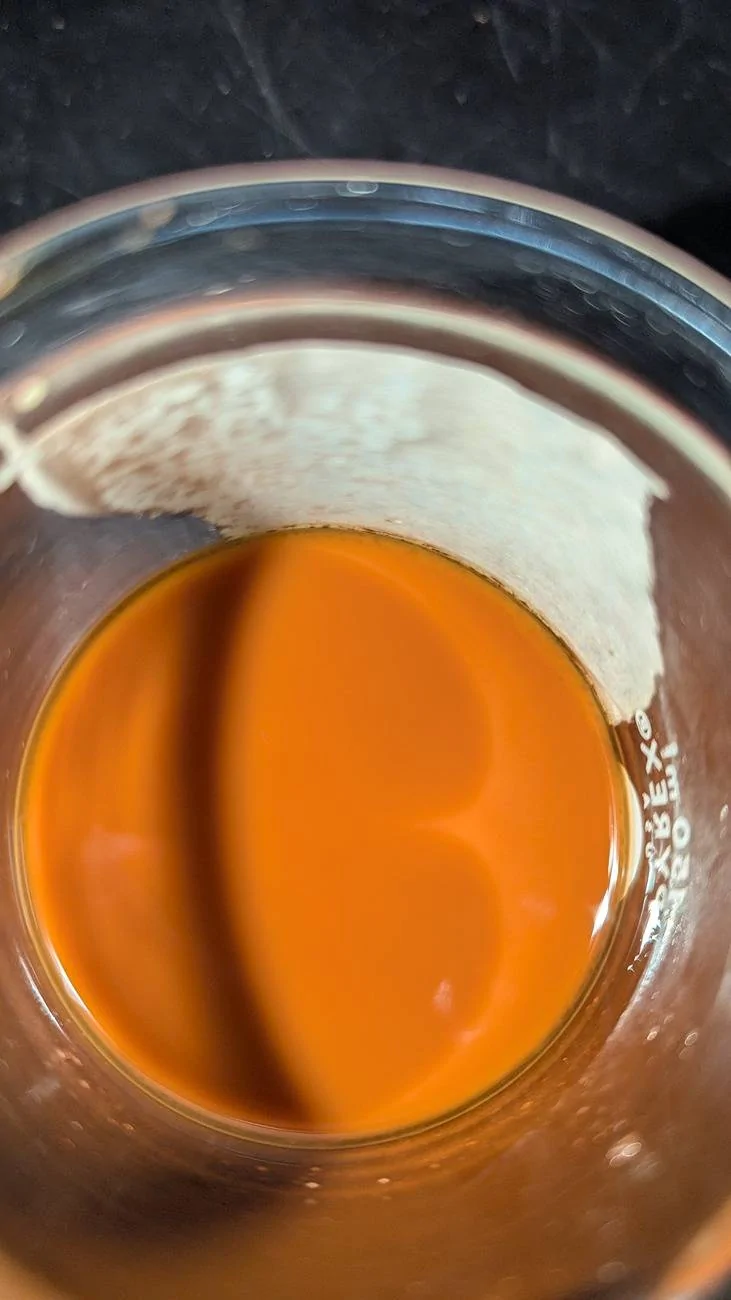
PXL_20250402_194943101.jpg
PXL_20250402_195252130.jpg
Condensation will cause it.
 

ShadesOfBloo

Well-Known Member
Joined
Feb 25, 2021
Threads
3
Messages
1,642
Reaction score
6,605
Location
SE Virginia
Vehicle(s)
1980 Datsun 210 wagon, 1992 Nissan 240SX, 2008 Evo, 2020 Mustang GT
On carburetor equipped engines this was not a problem, it is also not a problem on port injected engines, however on direct injection engines this is a problem because you have no gasoline to wash the intake valve so you end up getting carbon built up on the intake valve with direct injection engines.

Many manufactures have resorted to a combination of direct injection and a port injection to wash the oil vapor off the intake valve.

Anytime you have condensation mixing with oil vapors in an oil catch can you will get the mess you are seeing.
OP has a 2019 GT, so he has the combination injection.
(And, like me, is hoping nothing goes wrong with the 16 injectors 😅 )
 

Sponsored
OP
OP
mmff88gt

mmff88gt

Well-Known Member
Joined
Nov 22, 2019
Threads
1
Messages
152
Reaction score
345
Location
NW Ohio
Vehicle(s)
2019 Mustang GT Convertible
I have a J&L oil separator on the passenger side; it does have a mesh screen in the head end which helps capture the oil from the passing vapor.

I do not daily my car, but when I do drive it, it's often for close to an hour or more each time.

The vehicle sees a wide range of temperatures. The car is stored in the Winter. My thoughts on condensation are, if driven often or long enough, condensation should naturally burn off.

I check my can periodically through the year and empty as needed.

While I did see some "glitter" (presented as gold flakes) from the catch can as it was newly installed, this effect has since faded. Otherwise, it's been nothing but oil.

Returning to your concern, my interest is what has changed. Seeing something like that, makes me wonder if a connection is loose, the PCV valve is not working correctly or the separator itself has failed.

What brand is this separator? Bought and installed new with car?

What did the oil look like during the oil change? The dipstick?
It is a Mishimoto "baffled oil catch can, PVC side" with a lifetime warranty I installed new on the car at about 4,000 miles. I just turned 60,000 miles and have never seen contents in the separator like this before, but maybe I have never looked in the winter/early spring before. My oil looks great. As referenced in the OP, no water, antifreeze, or fuel on last analysis. The filter is bronze. I always assumed the baffle was anodized aluminum, but I will confirm with Mishimoto.
 

Skye

Well-Known Member
Joined
Jan 18, 2022
Threads
13
Messages
2,923
Reaction score
4,101
Location
≈39N
Vehicle(s)
"Skye" Mach1 N2144
So, there are some differences between your setup and mine that could explain everything.

First, you're not witnessing any other tells of problems. :thumbsup: This is probably most important.

You're driving your car in the Winter, checking in the Winter. Mine is stored throughout Winter. The duration of our drives probably differ as well.

I found a video on how to clean the Mishimoto oil separator. You are correct: the Mishi screen is bronze. The JLT unit uses what appears to be a brass (copper and zinc) insert, of a different design.

The display of rusty color was interesting to me. I might have one idea for that. Bronze is an alloy of primarily copper, tin and some other bits. On its way to showing a patina in green, copper first turns a brown, almost rust color. That, and whatever composite of the alloy is, plus Winter moisture, could give off a color you and others are seeing. If kept long enough, would the water ultimately show green? :idea: :giggle:

For confidence, when things in your area begin warming up, I'd empty and clean the can, then check after a few months of warmer temps. While that's going on, keep doing what you're doing.
 
Last edited:

coffeehound

Well-Known Member
Joined
Jan 15, 2025
Threads
1
Messages
80
Reaction score
93
Location
Alabama
First Name
Al
Vehicle(s)
2017 Mustang GT Premium Coupe 5.0L V8
OP has a 2019 GT, so he has the combination injection.
(And, like me, is hoping nothing goes wrong with the 16 injectors 😅 )
Interesting.

I was under the impression that the 2018 and newer S550's didn't need an oil catch can.

I know I read that here on the forum somewhere.
 

Tucker80

Well-Known Member
Joined
Mar 24, 2022
Threads
11
Messages
432
Reaction score
617
Location
45044
First Name
Aaron
Vehicle(s)
2022 Mustang CS, 2024 Civic Type R, SV650
Interesting.

I was under the impression that the 2018 and newer S550's didn't need an oil catch can.

I know I read that here on the forum somewhere.
Passenger side only unless boosted. Driver's side on non-boosted cars won't capture anything of significance.

Most with passenger side catch cans collect about an ounce or so between oil changes.
Sponsored


Top