Sponsored

Anyone put a Engine Pre-Oiler on their car

Hack

Well-Known Member
Joined
Nov 26, 2014
Threads
86
Messages
12,839
Reaction score
8,262
Location
Minneapolis
Vehicle(s)
Mustang, Challenger
This make no sense. If the oil pickup in the sump loses oil supply due to hard cornering, where would this secondary pump system pickup the oil? The Coyote and Voodoo engines have deep sumps/pans, and with 10 quart capacity, so this is very unlikely with the stock baffles and windage tray, but you could fit a dry sump pan and oil tank reservoir or an accusump that keeps a pressurized reserve of oil in cases of starvation. I had one of these on my Saab as well, was a 3 quart capacity if I remember.

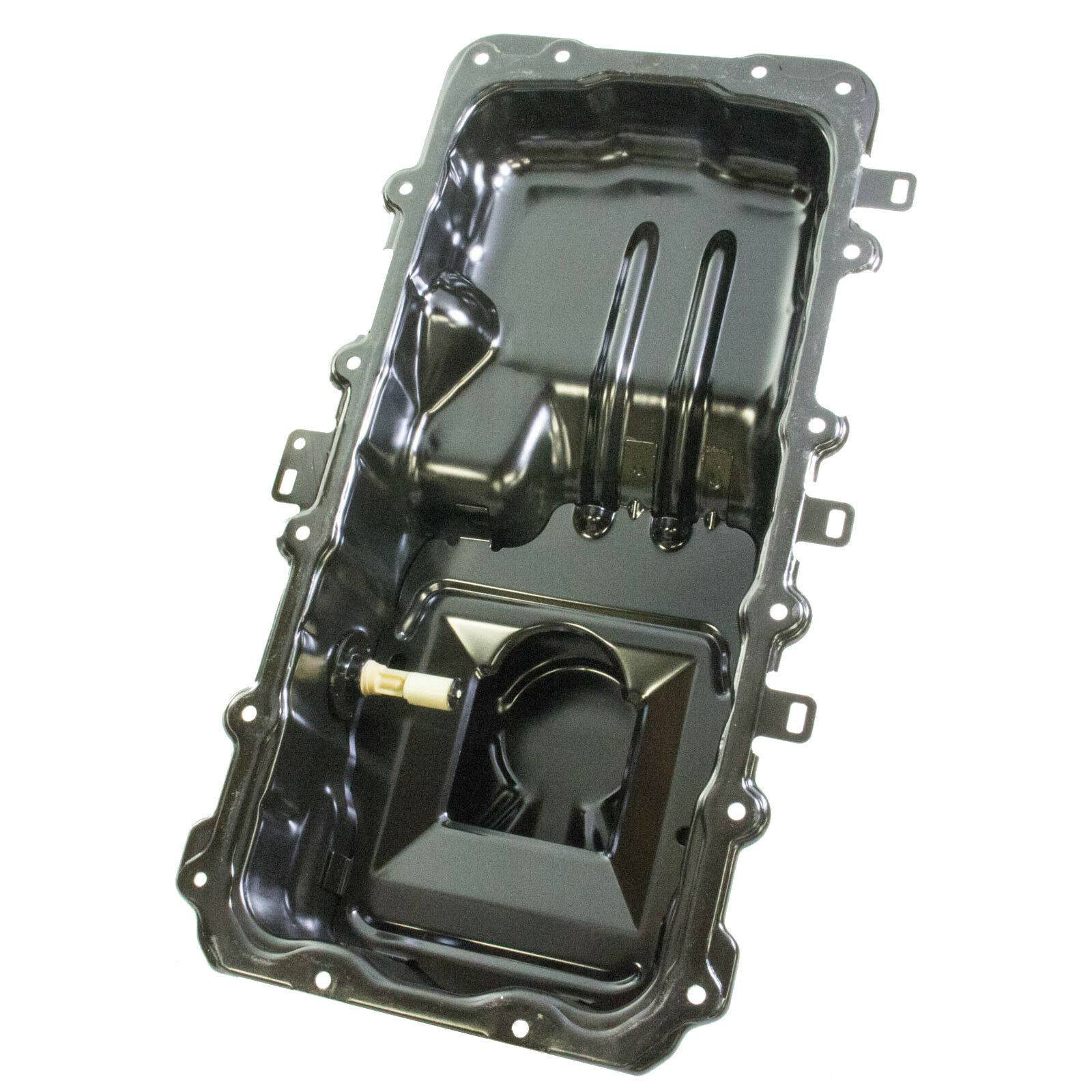
But IMO, this is unnecessary when looking at the stock pickup and pan. Even the GT350 R uses the same pan and pickup as the Coyote. The only way I can see the pickup going dry is if you were extremely low on oil and doing extreme cornering. This pic is from an 11 to 17 Coyote. You can see where the pickup sits, and the baffle/tray that surrounds and traps oil from sloshing out.
s-l1600.jpg
The way it works is the engine oil pump charges the pre-oiler, which is essentially a secondary reservoir of pressurized oil. So lets say you are driving along with 60 psi oil pressure. Then you hit a corner and somewhere during the corner the oil pump pickup is no longer in the oil. As the system oil pressure drops, oil is supplied by the pre-oiler (which has 60 psi oil pressure in it). Obviously this system will only maintain the pressure for a very short time. However that's the theory. The corner doesn't last very long, so the drop in oil pressure (and the need for additional oil supply) also doesn't last very long.

As you exit the corner the engine oil moves back to the pickup and the engine oil pump once again supplies full pressure to the engine and also recharges the pre-oiler.

The pre-oiler function is similar to the pressure tanks used for house plumbing with a well system. You don't want your well pump to have to turn on and off every time you open a faucet, so you have a tank with a pressurized bladder that gets filled by the pump. The bladder gives you water pressure until the tank is emptied, at which point the well pump runs again.

And I agree like I said before, probably not necessary on our cars. Definitely not on the Voodoo, probably not on the Coyote unless you are doing something crazy.
Sponsored

 

Rapid Red

Well-Known Member
Joined
Nov 4, 2019
Threads
45
Messages
5,049
Reaction score
4,096
Location
Woodstock GA
First Name
Greg
Vehicle(s)
GT PP2 RaceRed Roush> Steeda> preformance
Vehicle Showcase
2
There is no pump, a storage tank is plumbed so the oil pump of a running engine fills and pressurizes the storage tank.
I installed a pre-oiler in my car. It's right next to my short-throw dipstick that I put in when I did the carburetor swap. Car is automatic so it doesn't need a choke either.
I think the post about the way the system works. Is a result of a post talking about a need for a second oil pump.

I actually started explain the same. To be clear not advocating a need for a pre-oiler, just what it is .

After writing it, deleted it knowing it was a waste of time. Why do anything pro-active, when the internals are moist?
 

Bulldog9

Well-Known Member
Joined
Jul 11, 2020
Threads
37
Messages
913
Reaction score
1,062
Location
Northern Virginia
First Name
Steve
Vehicle(s)
2020 Bullitt, 2017 Tundra TRDPRO, 1976 Porsche 912, 1989 Porsche 944S2
The way it works is the engine oil pump charges the pre-oiler, which is essentially a secondary reservoir of pressurized oil. So lets say you are driving along with 60 psi oil pressure. Then you hit a corner and somewhere during the corner the oil pump pickup is no longer in the oil. As the system oil pressure drops, oil is supplied by the pre-oiler (which has 60 psi oil pressure in it). Obviously this system will only maintain the pressure for a very short time. However that's the theory. The corner doesn't last very long, so the drop in oil pressure (and the need for additional oil supply) also doesn't last very long.

As you exit the corner the engine oil moves back to the pickup and the engine oil pump once again supplies full pressure to the engine and also recharges the pre-oiler.

The pre-oiler function is similar to the pressure tanks used for house plumbing with a well system. You don't want your well pump to have to turn on and off every time you open a faucet, so you have a tank with a pressurized bladder that gets filled by the pump. The bladder gives you water pressure until the tank is emptied, at which point the well pump runs again.

And I agree like I said before, probably not necessary on our cars. Definitely not on the Voodoo, probably not on the Coyote unless you are doing something crazy.
I get it, I thought you were talking about an electric pump. The pressurized reservoir would have potential benefit, but as you said, likely unnecessary.
 

Sponsored

NoVaGT

Banned
Banned
Banned
Joined
Sep 29, 2016
Threads
115
Messages
5,621
Reaction score
4,377
Location
Northern Virginia
Vehicle(s)
2019 PP1 GT Kona
The only thing that could be done to actually help oiling a cold motor, is if you create a way in which the oil pump works without the rotating assembly moving.

Is that what is considered a "pre oiler", or am I miss-understanding?
 

Hack

Well-Known Member
Joined
Nov 26, 2014
Threads
86
Messages
12,839
Reaction score
8,262
Location
Minneapolis
Vehicle(s)
Mustang, Challenger
The only thing that could be done to actually help oiling a cold motor, is if you create a way in which the oil pump works without the rotating assembly moving.

Is that what is considered a "pre oiler", or am I miss-understanding?
The pre-oiler typically is set up so it stores pressurized oil and then you push a button to let that oil flow into the engine right before start up.
 

Vegas5OH

Well-Known Member
Joined
Aug 19, 2016
Threads
2
Messages
372
Reaction score
299
Location
Las Vegas
Vehicle(s)
2016 5.0 PP
cranking the engine with the starter doesn't spin the oil pump gears fast enough to make any oil pressure. Tried it on my own car because I was curious and I have an autometer oil pressure gauge. Flooring the gas pedal and cranking the engine didn't move my oil pressure gauge off 0, didnt even twitch the needle lol.
 

shogun32

Well-Known Member
Joined
Feb 8, 2019
Threads
92
Messages
16,223
Reaction score
14,019
Location
Northern VA
First Name
Matt
Vehicle(s)
'19 GT/PP, '23 GB Mach1, '12 Audi S5 (v8+6mt)
Vehicle Showcase
2
cranking the engine with the starter doesn't spin the oil pump gears fast enough to make any oil pressure.
there you go bringing observation to unassailable Forum Engineering.

I don't think pressure was the intended goal as much as pushing oil up thru the pipes so things are 'primed'. On a motorcycle after I change oil I do dry-crank it for the 3-5 seconds for the low-oil pressure light to go off and then add fuel. After a car oil change dry-cranking would presumably run oil sufficiently to fill the filter and up the passage ways enough to dispel some of the air pockets.
 

Bulldog9

Well-Known Member
Joined
Jul 11, 2020
Threads
37
Messages
913
Reaction score
1,062
Location
Northern Virginia
First Name
Steve
Vehicle(s)
2020 Bullitt, 2017 Tundra TRDPRO, 1976 Porsche 912, 1989 Porsche 944S2
The pre-oiler typically is set up so it stores pressurized oil and then you push a button to let that oil flow into the engine right before start up.
They have varied over the years, I had one on my 1982 Saab 900T I raced and autocrossed that had the pressurized tank, but also an electric pump you could pre-oil, but it was used mostly to circulate the oil on shutoff, mainly to preserve the turbo bearings which were pre water jacket cooled. I think it was a custom unit we cobbled together. That turbo would get cherry red some days. I think most of the systems today have the pressurized tank only.
 

Sponsored

olerodder

Well-Known Member
Joined
May 20, 2019
Threads
6
Messages
173
Reaction score
191
Location
Arizona
First Name
John
Vehicle(s)
2019 Mustang GT PP1/A10
I've used an Accusump in my drag cars for decades and I'm not sure some people understand that as the oil drains back and the engine is cold the amount of oil on the bearings is so minimal that within one revolution the oil is gone. I've always used a 3qt Accusump and yes, during normal conditions the oil is stored pressurized, you have an electric solenoid that is wired to the ignition and a low oil pressure switch, so you have 3 qts of oil protection if you loose oil pressure and it drops below whatever pressure you choose. When you get in the car and turn on the ignition...not turning over the motor...the motor is pressurized to 30/40psi instantly, then you hit the button. Other than good machine work and and correct tolerlances, the most wear on the crank and rod bearings comes from startup, and if you didn't realize that, I forgive you from watching the internet too much and believing everything you read.
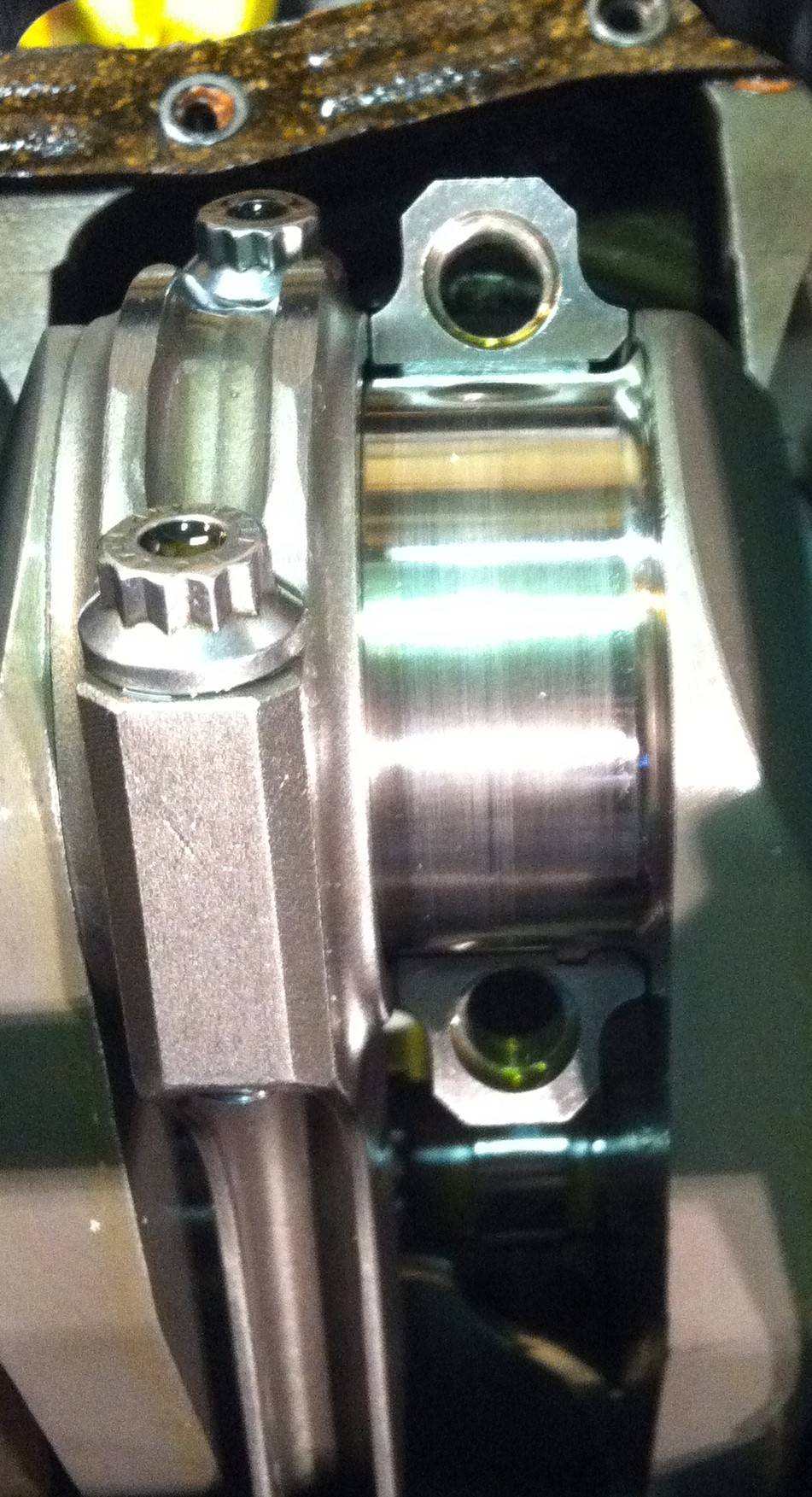
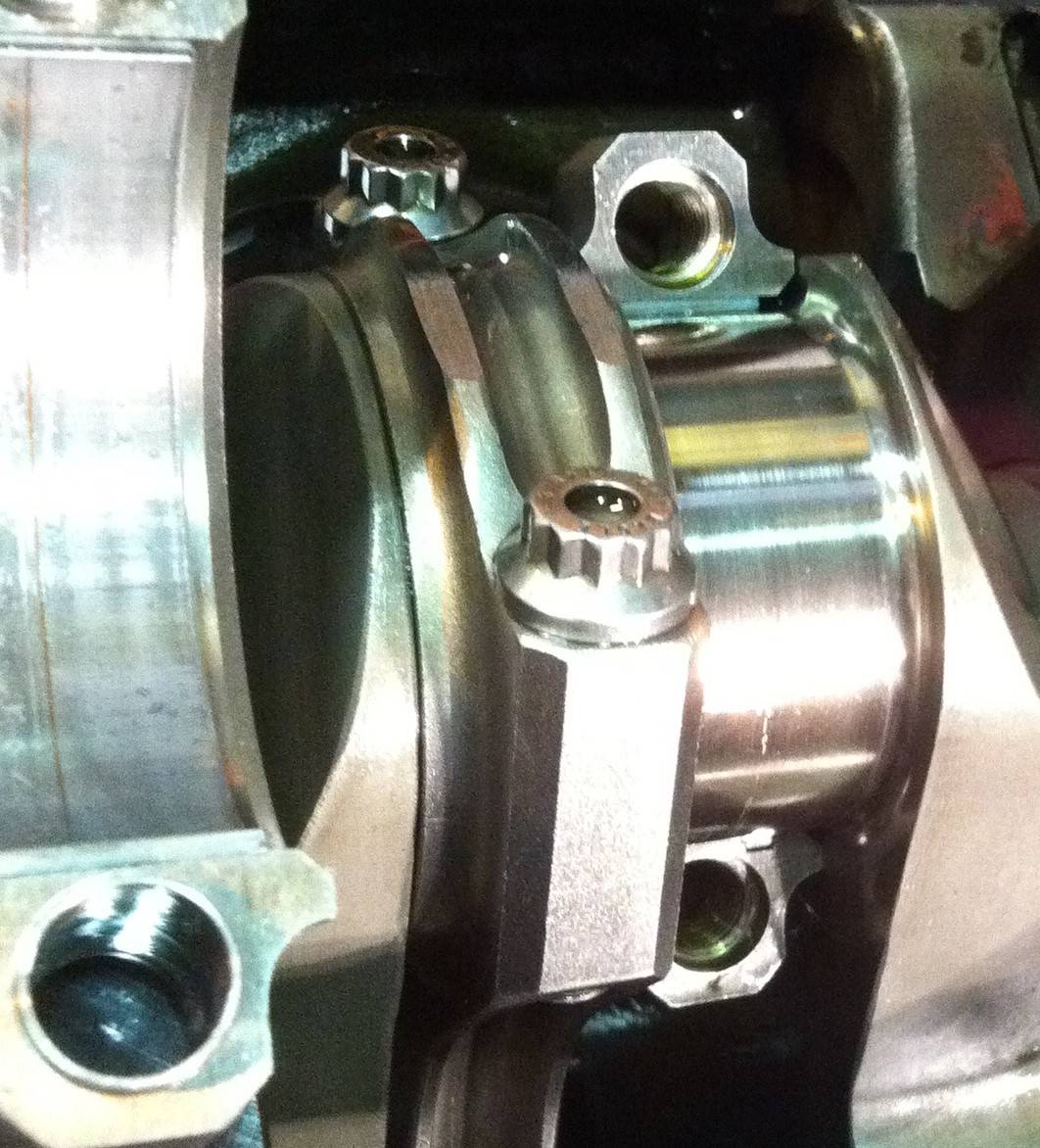
Here is a picture of one of my race engines and the condition of the rod bearings after 5 seasons of hard high 9.80's in the quarter...yes, if a 408w with a single carb and making 650hp@6800 and 544lbft@5700 and is in a 3200 Maverick. Oh yes, it had a 3qt Accusump on it since new!
Does this or would this work on a Coyote?, for the answer take a close look at the Mustang Cobra Jet drag cars.

408 rodbearings in 2010.jpg


408 rodbearings in 20102.jpg
 

Kleiss1

Well-Known Member
Joined
Feb 25, 2019
Threads
15
Messages
301
Reaction score
221
Location
Anthem, Arizona
First Name
Gary
Vehicle(s)
2018 Mustang GT 6- speed
i tried the peddle to the floor trick today on my ‘18 GT.
bee sit about a month. It cranked until I let up on the gas pedal then started right up.
 

Spart

Well-Known Member
Joined
Jul 29, 2016
Threads
18
Messages
1,257
Reaction score
638
Location
Midwest
Vehicle(s)
17 GT350
But IMO, this is unnecessary when looking at the stock pickup and pan. Even the GT350 R uses the same pan and pickup as the Coyote.
This is incorrect. The pan you show is a BR3Z-6675-A for (I believe) 2011-2017 GT's and F150's.

The GT350 (all years) has a composite pan GR3Z-6675-E with an integrated pickup and windage tray. This part is unique to the GT350.

The 2018+ Mustang GT pan (JR3Z-6675-E) is similar, but not identical to, the GT350 pan. It also has an integrated pickup and windage tray, but less capacity than the GT350 pan.

The 2020+ GT500 has yet another pan, made from aluminum instead of composite. It is available in a kit as Ford Performance part number M-6675-M52S.
Sponsored


Top