Sponsored

Is a catch can really needed for a 2017?

Arno_ecobeast

Active Member
Joined
Nov 28, 2016
Threads
2
Messages
38
Reaction score
2
Location
Brisbane Australia
Vehicle(s)
2017 Mustang Ecoboost
Lion I live in australia, can you please tell me what NOAC oil is or give me an equivant rating perhaps?
Over here due to always being a hotter climate i am inclined to always use a 5w-40 full synthetic oil in my cars (always have) and haven't ever had build up issues. I previously owned a VW Scirocco R(5 years) and Nissan Pulsar GtiR(7 years).
Would this excess blowby be caused from low quality oils or??
Sponsored


 

ForYourOwnGood

Well-Known Member
Joined
Jun 28, 2016
Threads
41
Messages
1,396
Reaction score
627
Location
Central MA
Vehicle(s)
2017 Grabber Blue 5.0
Lion I live in australia, can you please tell me what NOAC oil is or give me an equivant rating perhaps?
Over here due to always being a hotter climate i am inclined to always use a 5w-40 full synthetic oil in my cars (always have) and haven't ever had build up issues. I previously owned a VW Scirocco R(5 years) and Nissan Pulsar GtiR(7 years).
Would this excess blowby be caused from low quality oils or??
You really only need to worry about it on DI motors, you don't have any fuel hitting the back of the intake valves to keep carbon/gunk from building up badly.

What he is talking about is actually a test to determine how fast oils evaporate when exposed to heat, not an actual chemical component to the oil itself (consequently it is called "Noack" not NOAC).

ASTM D5800 - 08 Standard Test Method for Evaporation Loss of Lubricating Oils by the Noack Method
 

TheLion

Well-Known Member
Joined
Jul 1, 2016
Threads
68
Messages
1,621
Reaction score
601
Location
US
Vehicle(s)
Ruby Red 2016 Mustang GT PP 6-MT
You really only need to worry about it on DI motors, you don't have any fuel hitting the back of the intake valves to keep carbon/gunk from building up badly.

What he is talking about is actually a test to determine how fast oils evaporate when exposed to heat, not an actual chemical component to the oil itself (consequently it is called "Noack" not NOAC).

ASTM D5800 - 08 Standard Test Method for Evaporation Loss of Lubricating Oils by the Noack Method
Correct, NOAC is a rating of an Oil's resistance to boiling off. A higher NOAC score means a higher percentage of the oil will boil off and become a vapor. That vapor, once it cools down, re-constitutes back into a liquid as opposed to gaseous particles.

Typically as it travels through your intake tract via the PCV valve in a gaseous state after boiling off, it will then condense and over time coat the intake tract and intake valves. Typically in Europe, the solution is to blast the intake with walnut shells every 40k to 60k miles to clean them off (as in a cleaning service you have done at the dealership). However you can extend the interval or possibly eliminate the need for such services by mitigating the causes of valve deposits by using an oil that is not prone to boiling off in combination with a dual valve catch can.

The two concepts work together symbiotically, the low boil off rate of a high quality oil such as AMSOIL Signature series 5W-30 means little oil is vaporized in the first place, what little oil ends up as vapor is then filtered out into the catch can. A good quality catch can will generally filter out higher rates of boil off, however then your constantly emptying the can.

As "ForYourOwnGood" stated, this is problematic on Direct Injection engines because there's no atomized fuel being sprayed in the intake (unlike traditional Port Injection, where fuel is mixed with air in the intake tract, not in the combustion chamber).

I would recommend running a high quality low NOAC rated oil and a Thermostatic Oil cooler instead of using a higher viscosity oil. Take a look at my TST 2.3L Optimization thread and scroll down a bit and you'll see some reasoning as to why: http://www.mustang6g.com/forums/showthread.php?t=71858
 

dgc333

Well-Known Member
Joined
Dec 6, 2014
Threads
13
Messages
1,637
Reaction score
461
Location
MA
First Name
Dave
Vehicle(s)
15 Mustang Ecoboost Premium
Wow... Okay I guess that answers that. Did all of that come from the first CC, or did the dual second one still catch a good bit too? In other words would the single CC work or do you think I need to spring for the DVCC?
The UPR DVCC is just one can, it is plumbed in such a way that it is still pulling fumes from the crank case when the engine is under boost by using the low pressure source in front of the turbo inlet.

The intent of this design is so you don't have oily fumes traveling into the intake through the clean side vent line. I have the single valve UPR on my Ecoboost and have not seen any signs of oil buildup on the intake where the clean side attaches so I don't think the DVCC makes a significant improvement in reducing oil from getting into the intake.

I check my can once a month and I get about 1/2 an ounce oil. Now that it has gotten cold the volume is up to an ounce but it's mostly moisture and actually had a chunk of ice at the bottom the can when I checked it the other day.
 

kwpony

Well-Known Member
Joined
Jan 29, 2016
Threads
1
Messages
756
Reaction score
477
Location
Germany
Vehicle(s)
2022 Mach1
I expect a lot of conflicting views but was hoping for replies from those with direct experience, thanks Bennington for starting this off right.

Grab popcorn a let's continue :D
I am also very interested because I have a 2017 Ecoboost. :shrug:
 

Sponsored

dgc333

Well-Known Member
Joined
Dec 6, 2014
Threads
13
Messages
1,637
Reaction score
461
Location
MA
First Name
Dave
Vehicle(s)
15 Mustang Ecoboost Premium
FWIW, CRC makes and intake an valve cleaner in an aerosol can specifically for DI engines.

At each oil change I disconnect the line from the catch can that goes to the intake and spray an can through the engine per the instructions. I did this on my Focus ST for 35k miles and now have 32k Mike's on the Mustang and have not detected any drop off in performance.

I keep saying I am going to buy an inspection camera that will let me see the back of the valves without taking the manifold off to confirm if what I am doing is really of any benefit. But until I do I will continue to use the CRC spray and high quality oil.
 

kwpony

Well-Known Member
Joined
Jan 29, 2016
Threads
1
Messages
756
Reaction score
477
Location
Germany
Vehicle(s)
2022 Mach1
No, you NOT have to run a catch can, the car did not come from the factory with a catch can and Ford does not except you to add one.
Sir, I like your answer best. Makes good common sense. :cheers:
 

Rod Schneider

Well-Known Member
Joined
Oct 17, 2016
Threads
13
Messages
243
Reaction score
192
Location
Ball Ground, GA
First Name
Rod
Vehicle(s)
2016 Mustang EcoBoost
FWIW, CRC makes and intake an valve cleaner in an aerosol can specifically for DI engines.

At each oil change I disconnect the line from the catch can that goes to the intake and spray an can through the engine per the instructions. I did this on my Focus ST for 35k miles and now have 32k Mike's on the Mustang and have not detected any drop off in performance.

I keep saying I am going to buy an inspection camera that will let me see the back of the valves without taking the manifold off to confirm if what I am doing is really of any benefit. But until I do I will continue to use the CRC spray and high quality oil.
Be careful doing this. If the cleaner loosens up any hard deposits on the valve, the deposits will pass through the cylinder and can cause damage to the turbine in the turbocharger. It may not be as risky if the cleaner is used often to prevent the buildup from happening in the first place, but I wouldn't use it on an engine that has 20,000+ miles and has never been cleaned.......
 

Marvinmadman

Well-Known Member
Joined
Dec 9, 2016
Threads
8
Messages
841
Reaction score
166
Location
Louisiana
Vehicle(s)
16 EBM
Or just pull the intake manifold and soak and scrub the valves a set at a time. Did that in my 3.5 ecoboost with no ill effects at 110k miles. The 2.3 should be wayyyy easier
 

dgc333

Well-Known Member
Joined
Dec 6, 2014
Threads
13
Messages
1,637
Reaction score
461
Location
MA
First Name
Dave
Vehicle(s)
15 Mustang Ecoboost Premium
Be careful doing this. If the cleaner loosens up any hard deposits on the valve, the deposits will pass through the cylinder and can cause damage to the turbine in the turbocharger. It may not be as risky if the cleaner is used often to prevent the buildup from happening in the first place, but I wouldn't use it on an engine that has 20,000+ miles and has never been cleaned.......
If you had enough build up that a piece of carbon large enough to to potentially cause damage the car would barely run.

In any case the carbon build up is no where near as strong as the turbine wheel so the chance of damage is virtually zero.
 

Sponsored

Regs

Well-Known Member
Joined
Jun 4, 2016
Threads
5
Messages
546
Reaction score
79
Location
NJ
Vehicle(s)
Mustang 2016 Echoboost
They are using high-pressure solenoid injectors and precision measured computer timing to limit the carbon deposits in the valves.

If you are using aftermarket intakes with bad gaskets or cheap fittings, it could happen more often. Though to have oil fumes pool up around the sides are normal around the intake/TB, even the intercooler. Excessive build up could mean a bad fit, gasket, or connection though. But that is if you have to add qt of oil in a month or so.

It's all about how you maintain your car. Some people can live with it, while some can't. Some people want their 10 year old cars as sparkling new when they trade them in for 1k-2k.

Don't forget too that the systems in these cars are designed to contain oil fumes. If they were to constantly release oil fumes, they would fail emissions which is not applicable to most modders anyway.

I would only advise catch cans if you into seriously altering your car (big turbo, higher PSI) to the limits and drag racing it. The more pressure your turbo is generating, the more oil it is being pressured through the system. To me, it seems at that point you're jeopardizing the longevity of your car enough that the catch can is an after thought.
 
Last edited:

dgc333

Well-Known Member
Joined
Dec 6, 2014
Threads
13
Messages
1,637
Reaction score
461
Location
MA
First Name
Dave
Vehicle(s)
15 Mustang Ecoboost Premium
Injectors don't help with keeping the back side of the intake valves clean with a direct injection engine because the fuel is injected directly into the cylinders so no fuel is washing over the valves to keep them clean.

All engines whether they are modified or not whip up oil into oily fumes in the crank case. The PCV system is there to keep those fumes from escaping into the atmosphere by recirculating them back into the engine. With Direct Injection you don't have the fuel washing across the valves to help keep the intake valves clean, so, anything you do to scrub the oil out of fumes going back into the engine. A well designed catch can will remove a big percentage of the oil.

From a performance standpoint oil in the cylinders mixing with the fuel reduces the fuels octane which can reduce performance.

Any internal combustion engine with a PCV system will benefit from a catch can. A DI engine will benefit the most and anyone planing to keep the car for a long time really needs to consider installing one.

Manufacturers don't install them because they require more maintenance and they can't ensure they will be serviced. If they aren't emptied and a solid slug of oil is allowed to be sucked into the engine damage can happen.
 

dgc333

Well-Known Member
Joined
Dec 6, 2014
Threads
13
Messages
1,637
Reaction score
461
Location
MA
First Name
Dave
Vehicle(s)
15 Mustang Ecoboost Premium
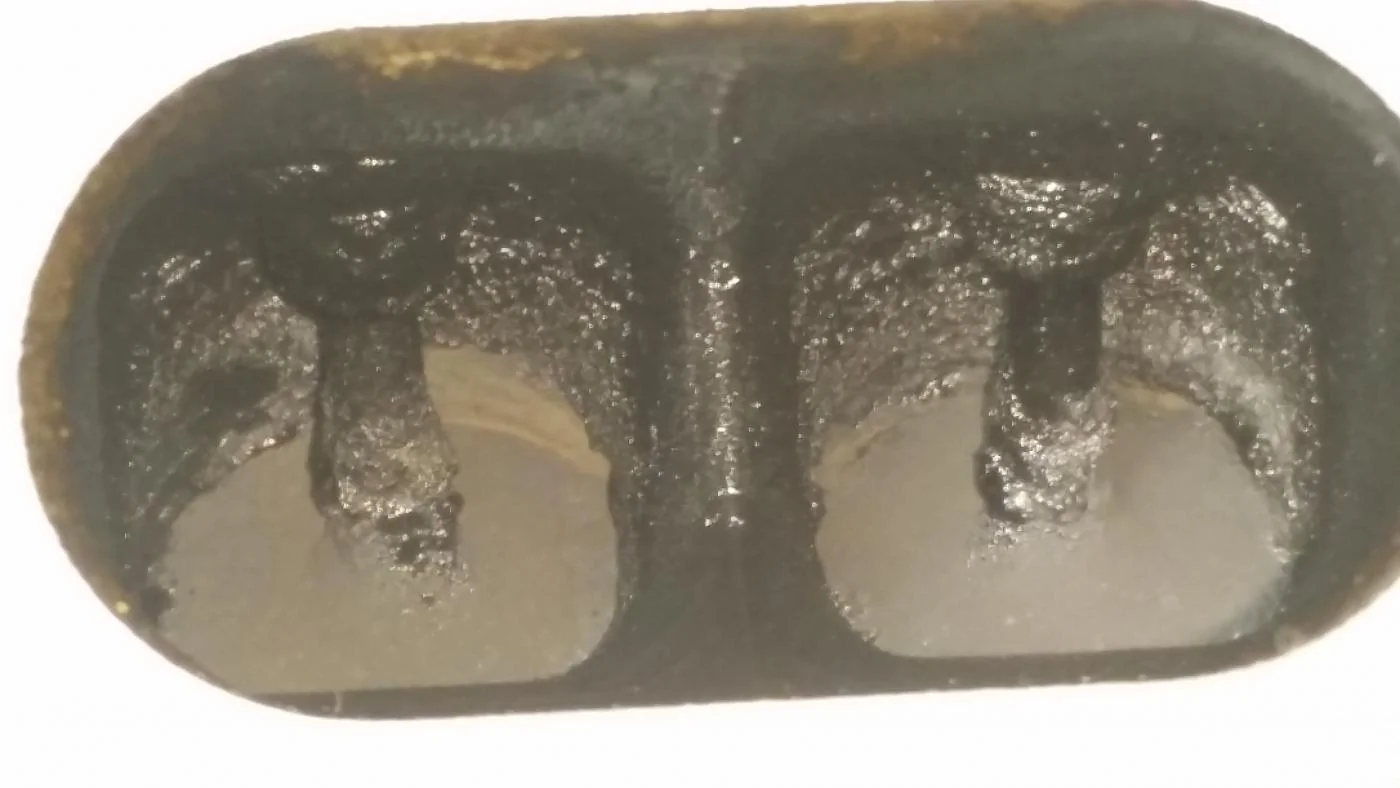
I expect my cars to go past 150,000 miles without any significant repairs and to 250,000+ before I think about replacing them. 80k isn't even mid life, if the picture you attached are of your valves you won't make 150k without tearing into it to clean those ports.
 

Marvinmadman

Well-Known Member
Joined
Dec 9, 2016
Threads
8
Messages
841
Reaction score
166
Location
Louisiana
Vehicle(s)
16 EBM
Just a few posts up I stated that I cleaned them via solvent and scrubbing one set at a time.
Sponsored


Top