Sponsored

First oil change and analysis

markayash

Well-Known Member
Joined
Dec 29, 2019
Threads
13
Messages
444
Reaction score
587
Location
atlanta
First Name
Marc
Vehicle(s)
2021 Mustang
This thread is nice to display and detail what goes on within a new engine or the results of an analysis. Attached are some recent findings to add to that.

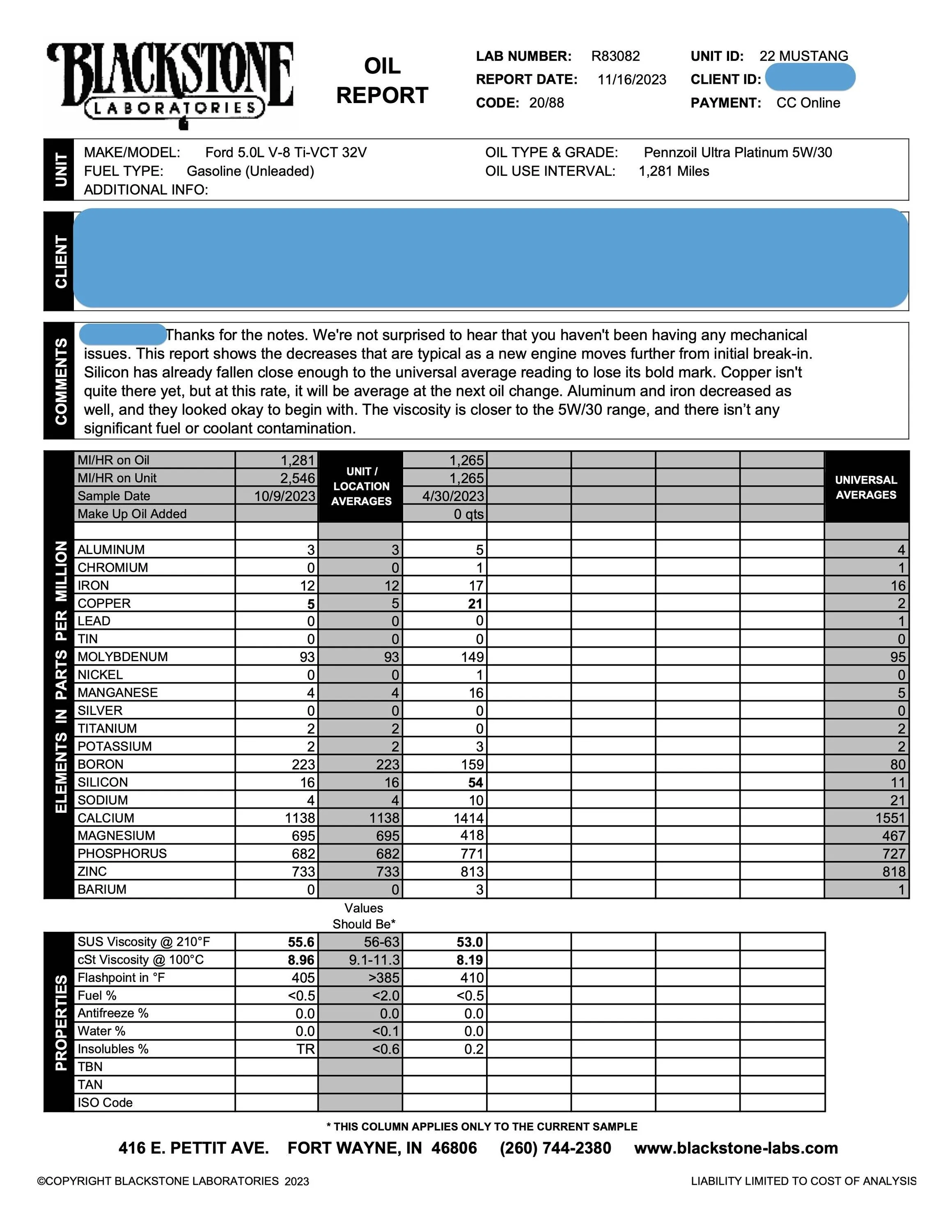
Several commented of a flushing effect present in any new engine. That can be seen in the attached. Contaminants leftover from machining, the build itself and break-in, take several oil changes to be removed. Even when draining the oil and removing the filter, there's still .5 quart / .47 liter plus of oil left in the engine. If a cooler is being used, more still.

The analysis highlights the lessening presence of the factory fill and the arrival of Pennzoil Ultra Platinum. I believe it's a good idea to select one brand of oil and stick to it. The results show what all goes into designing an oil.

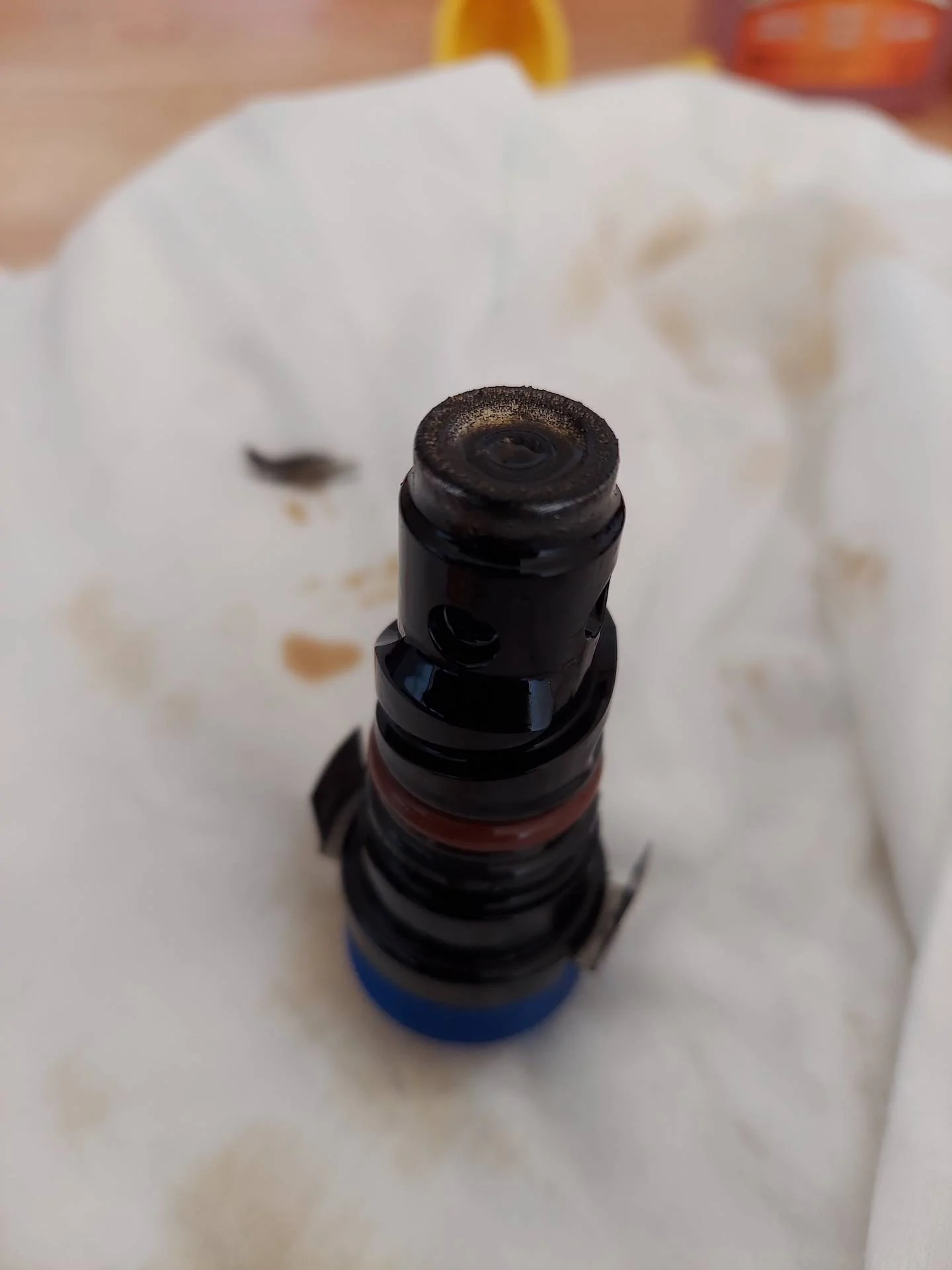
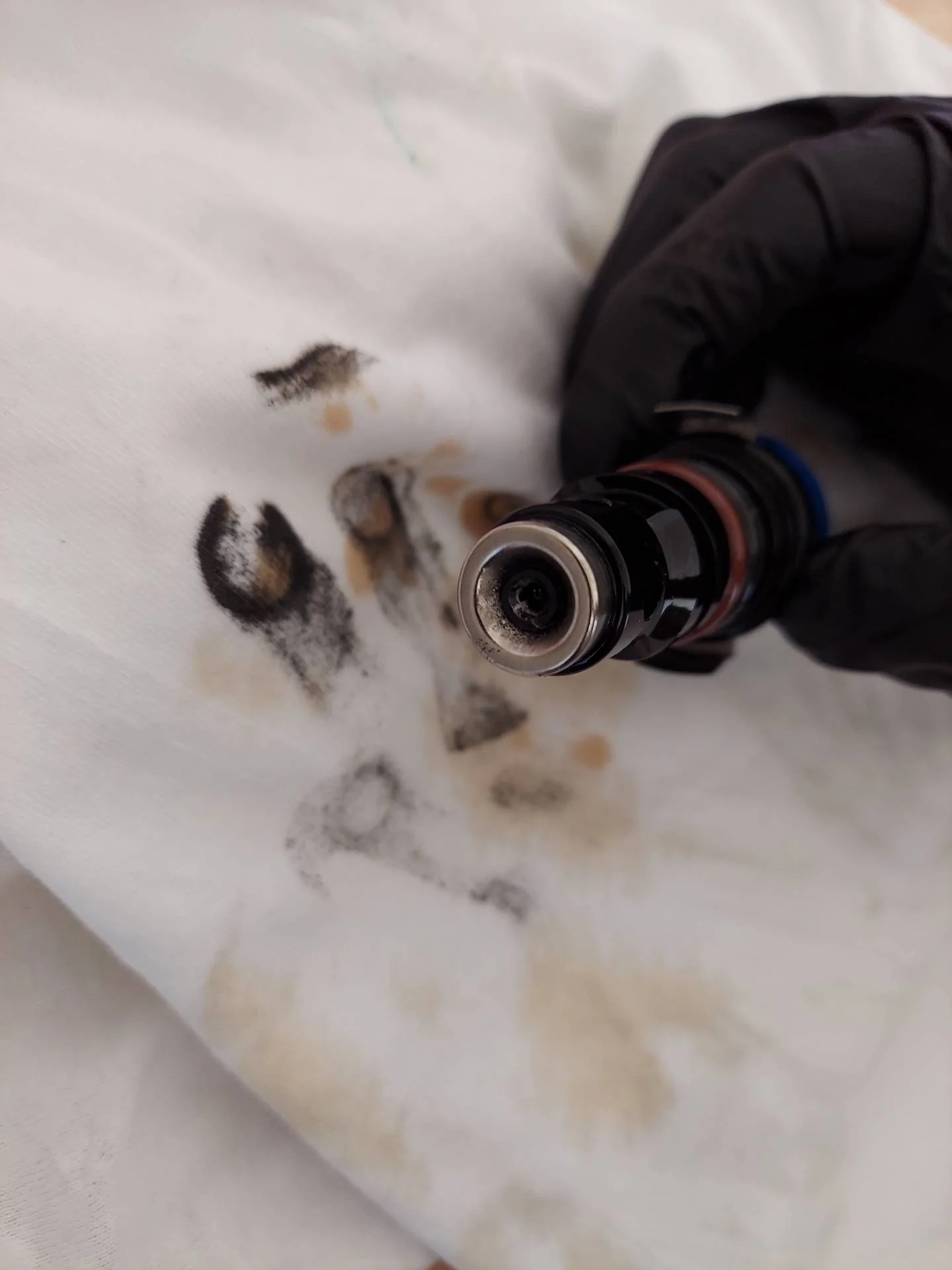
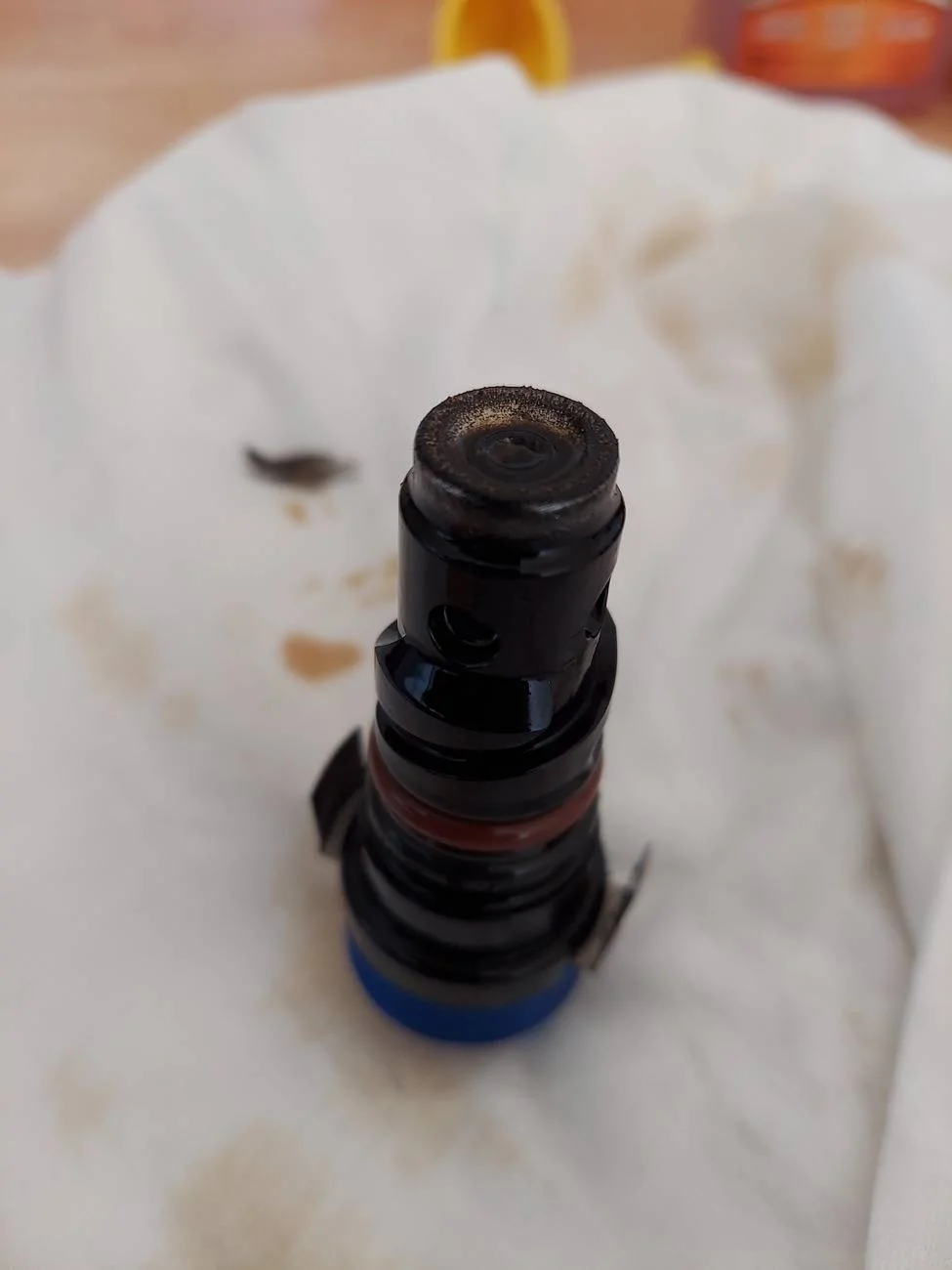
Attached is a photo of the UPR drain plug, installed during the first oil change. The material on the plug was quite course and black. Reminded me of piston compression rings, but it's mix of leftovers and the internals shedding material. Happy to see it. It confirms the components are wearing in. I expect to continue to see material, but in lesser amounts and/or finer particles.

Some requesting oil analysis might be on a compressed timeline. From drop-off to results, mine took five weeks. Last year, it was a bit over two. Tracking the package, this sample took three days to reach Indianapolis. Then, it sat for two weeks before reaching Blackstone. There's a heavy construction project between Indianapolis and Ft. Wayne. I assume USPS has changed its schedules to compensate. Once the pile arrives at Blackstone, they could have a large group of samples to work off, versus the smaller batches previously.


skye oil analysis 2023.jpg


skye upr 001.jpg


skye upr 002.jpg
The more I read about Ultra Platinum the more I like it.
Sponsored


Cory S

Well-Known Member
Joined
Dec 10, 2019
Threads
47
Messages
3,355
Reaction score
3,751
Location
Bradford, NH
First Name
Cory
Vehicle(s)
2016 Mustang GT Premium
The more I read about Ultra Platinum the more I like it.
If your OCI is less than 6000 miles, just use PP. PUP will extended OCI’s, nothing more.
 

markayash

Well-Known Member
Joined
Dec 29, 2019
Threads
13
Messages
444
Reaction score
587
Location
atlanta
First Name
Marc
Vehicle(s)
2021 Mustang
If your OCI is less than 6000 miles, just use PP. PUP will extended OCI’s, nothing more.
I will probably change mine around 7000 or when ever the car tells me its due. I drive very conservative :)
 

Skye

Well-Known Member
Joined
Jan 18, 2022
Threads
13
Messages
2,926
Reaction score
4,103
Location
≈39N
Vehicle(s)
"Skye" Mach1 N2144
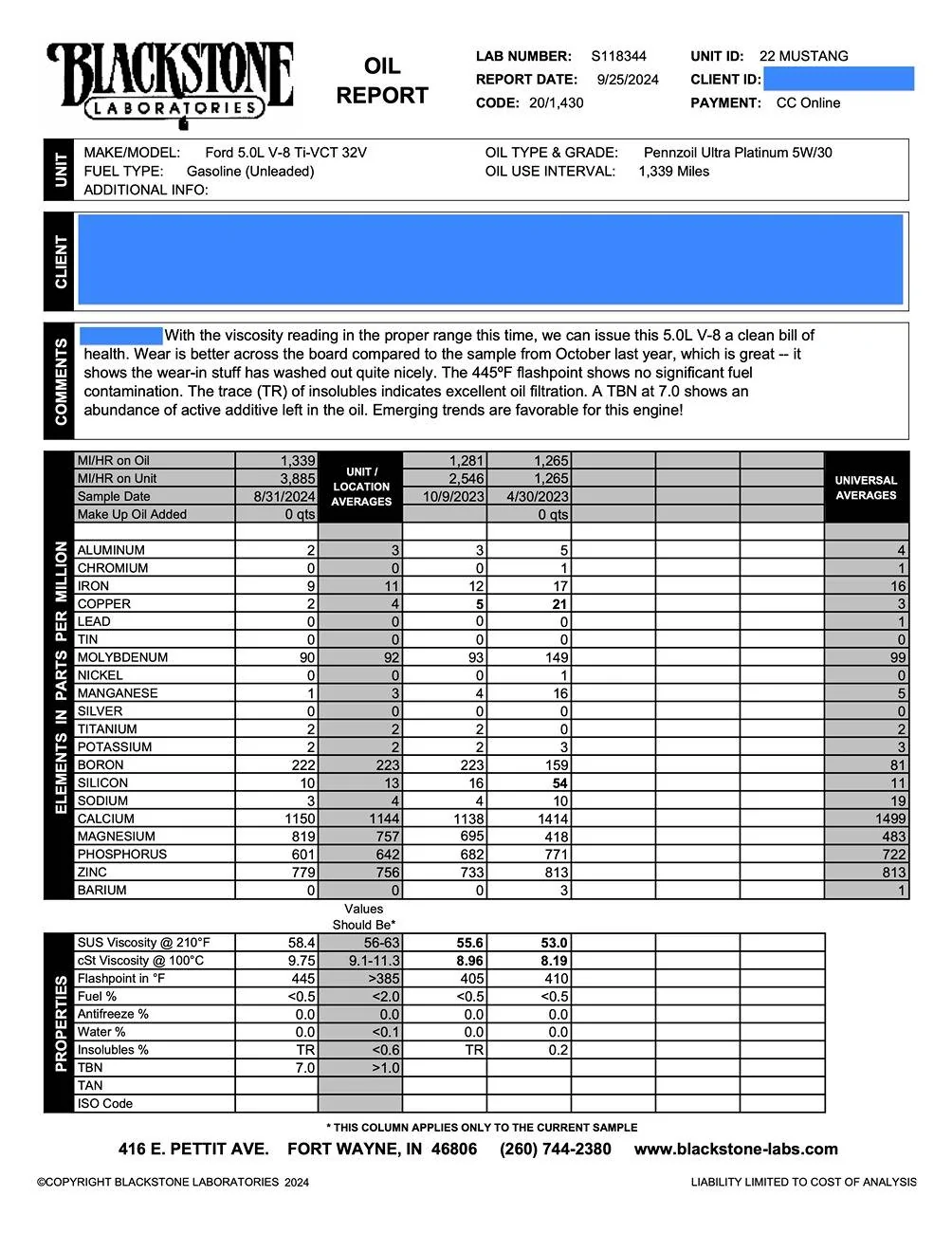
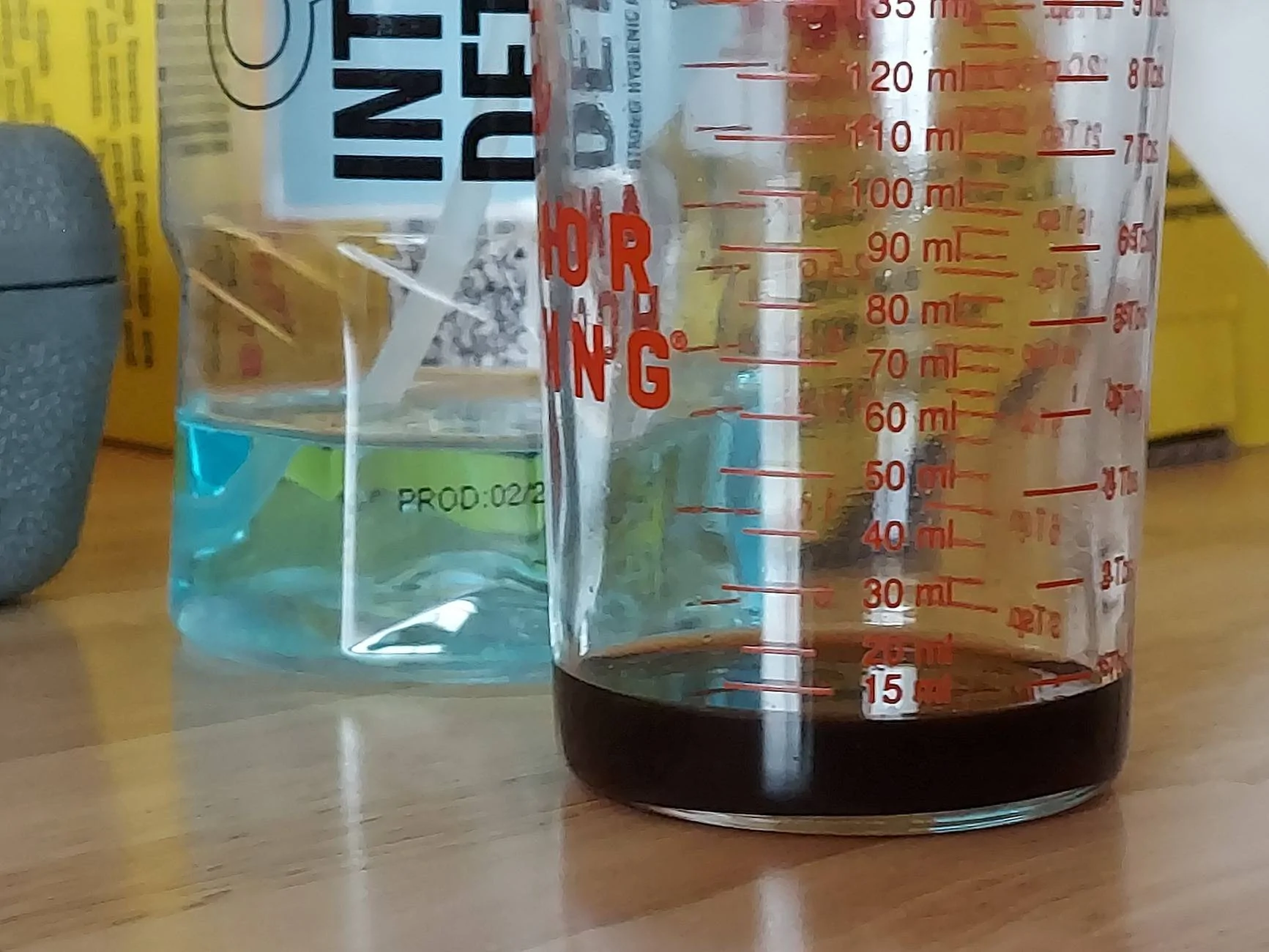
A few weeks ago, I completed an oil change for this season. A few days ago, I received the oil analysis results from Blackstone. Along with their analysis, I'm attaching photos of the amount seen in the catch can (15 ml), drain plug (magnetic), and oil jug residue.

Are oil samples worth it? I think so, for at least two reasons:

- I know what's going on in the engine. I can confirm certain conditions, with measurement. From these initial samples, I've characterized my engine

- When the car does change hands, the analysis will facilitate a sale. "Oh yea, I took good care of the car." These reports give confidence to that. Broad tells from the attached are I had a good break-in, used a high-quality oil and followed the maintenance schedule

The following read is my interpretation of the results.

Overall Highlights:

- Analysis and trend captures the flushing effect that occurs in all new engines. It takes at least two-to-three oil changes (Blackstone's previous guidance) to remove the factory fill, replace and stabilize that with something else. In my example, after draining the original oil, over two seasons, I ran 20 additional quarts, 19 liters of oil through the engine before results began approaching "normal" characteristics of 5W30. I do have an oil cooler; I'm sure it extended the amount of time before arriving at average or better for the expected viscosity

- Trends in the analysis also capture the effects of changing brand or weight of oil. The profile of the oil in the engine will slowly change, and if continuing to use the same oil and weight, stabilize at those characteristics. But if the Operator is selecting the flavor of the month, the make-up of that oil will be a mix of different oils and never "settle"

- You'd think after three filters, 30 quarts of oil and a break-in the drain plug would appear clean, but no. I'm not concerned by what I'm seeing, but it does show how an oil filter will not capture everything

- The points above and element analysis below give me confidence performing an initial oil change early on, in this case at 1,265 mi / 2,024 km, is worthwhile

Element Highlights:

- Some of these elements (primarily wear metals) changed quickly after the first oil change, others, (mainly engine oil additives) not so much

- Aluminum. Primarily from piston wear. The engine's initial report showed a 25% greater than average amount of aluminum in the oil. Current reading is half the average. A good sign break-in occurred and wearing has since stopped

- Iron. Most likely from crankshaft bearings. Initial reading was 6% above average. Current reading is close to half the averages

- Copper. One of Ford's engine element signatures is high copper in the initial report, in this example, 7X more than average. Copper in the current report is showing 30+% less than average. New copper forms a protective coating on the surface, through a process known as passivation (see posts above). Numbers support the notion of break-in and stabilization

- Molybdenum. I believe the initial reading, 50% higher than average, was due to piston ring wear. Current reading is 10% lower than the universal average

- Manganese. A metal often alloyed with iron for bearings, I suspect the manganese is from just that: bearing break-in and initial wear. Initial reading was 3+X greater than average. Now, 80% less than average

- Boron. Associated with engine oil additives (reduced friction, sludge prevention, higher boiling point, corrosion inhibition). Ceratec uses a form of boron. I am not using any oil additives, only Pennzoil Ultra Platinum, 5W30. High amounts of boron, sodium and potassium are often indicative of an internal coolant leak

- Silicon. Another characteristic of a new Ford engine. As with the copper, the silicon seals were initially leaching into the oil, but have since stopped

- Calcium. Current sample is 25% lower than average. While calcium can be used an a detergent and ant-acid additive in engine oils, it's also associated with Low-Speed Pre-Ignition. Some vendors are moving towards low-calcium products, favoring other additives like magnesium instead

- Magnesium. Can be related both engine blocks and oil additives. As all signs point to good engine internals, I'll take my higher-than-average readings (+70%) are a sign of the PUP

- Phosphorous. Sample is 17% lower-than-average. Phosphorous can be used as an anti-wear additive, but high concentrations can have a negative impact on catalytic converters

- Zinc. Previous generations of oil might have used higher-than-average amounts as an anti-wear agent. But like phosphorous, zinc can result in higher emissions and have negative effects on cats. The industry is moving away from phosphorous and zinc and towards boron and molybdenum

Properties Highlights:

- Viscosity. Oil's viscosity is measured as the resistance to flow, at a given temperature. Different weights of oil have differing viscosities. While listed as 5W-30, the initial reports indicated lower-than-expected viscosity. After two rounds of the oil I prefer, this reading is now where it should be

- Flashpoint. The oil's flashpoint is a measure of what temperature the oil's vapor will ignite. It's a tell of fuel contamination. Latest sample shows flashpoint has been increasing over time. I expect it to level out and stabilize

- Insolubles. This category is a measure of solids in the samples which will not mix with other elements

- Total Base Number. Virgin PUP has a TBN of 8.9. This sample has a TBN of 7.0. When an engine spends fuel, two oxides are created: Nitrogen Oxide (from the air) and Sulphur Oxide (from the fuel). Combined with moisture, these oxides become acidic. Oils contain additives, antacids, to combat that. These and other additives are used up over time and need to be replaced or replenished by an oil change. TBN decreases with miles. This sample's TBN tells me I had plenty of life left in the oil. Given the miles, I expected that. TBN was taken this round as a baseline measure

Related to the topic of oil and samples: oil filters. Study the make-up of the oil filter you're currently using, its physical characteristics and logical design. Due to the high pressures and demands, most of us prefer a wire-backed or metal-backed filter core. Low-quality filters will use plastic or cardboard (see Fram's "Orange Cans Of Death" (OCOD)). The media in some filters is designed for high flow or high mileage, but sacrifice filtering as a result. Vendors change their designs and materials over time. The same filter you gravitated to five years ago might not be the same filter being made today. There are plenty of tear-down videos on YouTube, showing the internals of virtually every major filter.

Catch Can. Another tell of how the engine is doing. I'm consistently pulling 15 ml with the mileage shown. No moisture or residue. While light in miles and capture, you can do the math to see what you'd catch, given your mileage intervals.

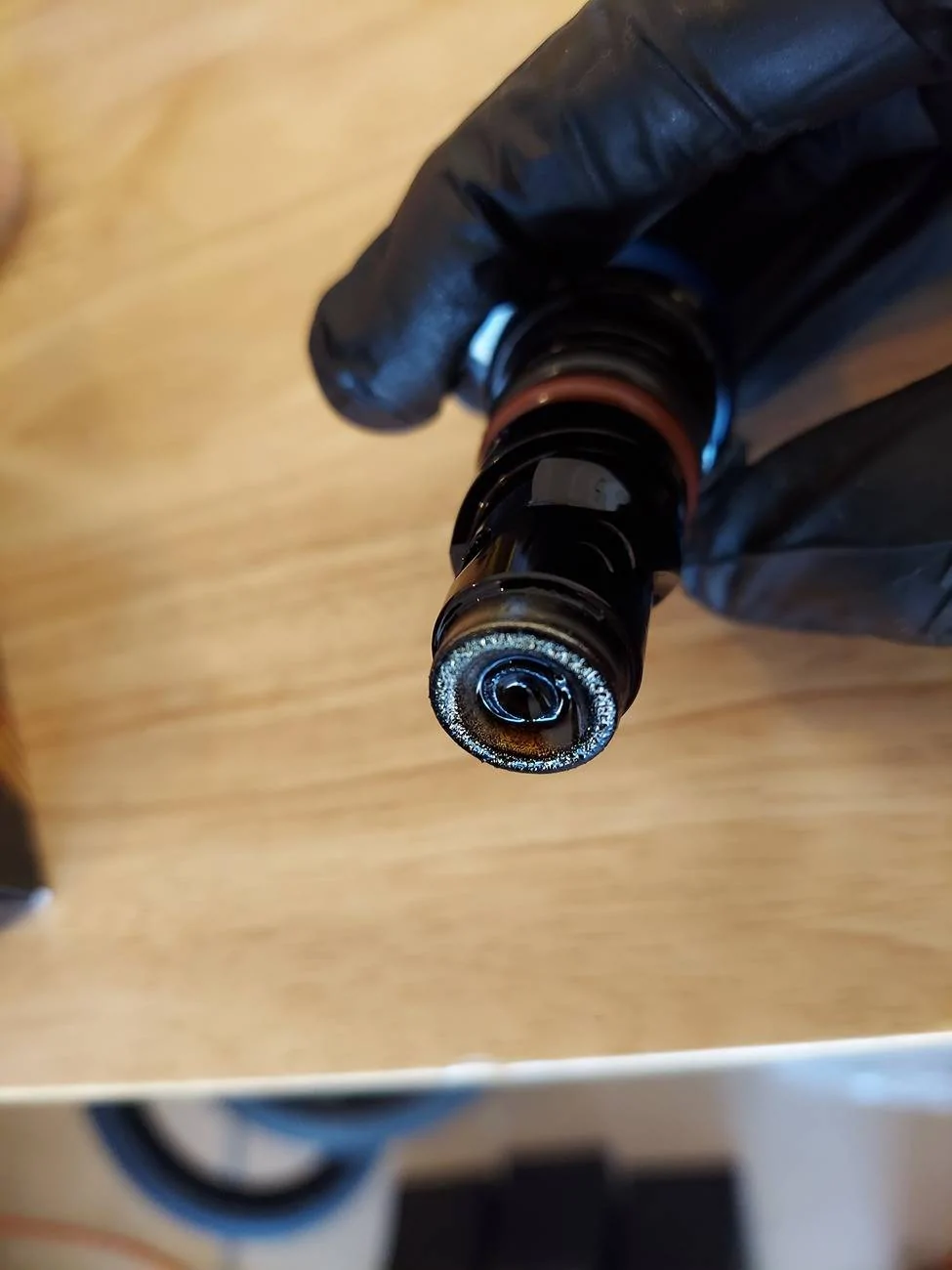
Drain plug. I've attached two photos, one from 2023 and one from 2024, of the drain plug. With the analysis showing fine, I'm not concerned by the particulate matter on the plugs. I expect this to fade over time. These photos show an engine's oil system and filter do not capture everything. Some items, I suspect due to weight, generally sit where they fall. I'm glad I bought the plug. It makes oil changes very simple, while scavenging these bits.

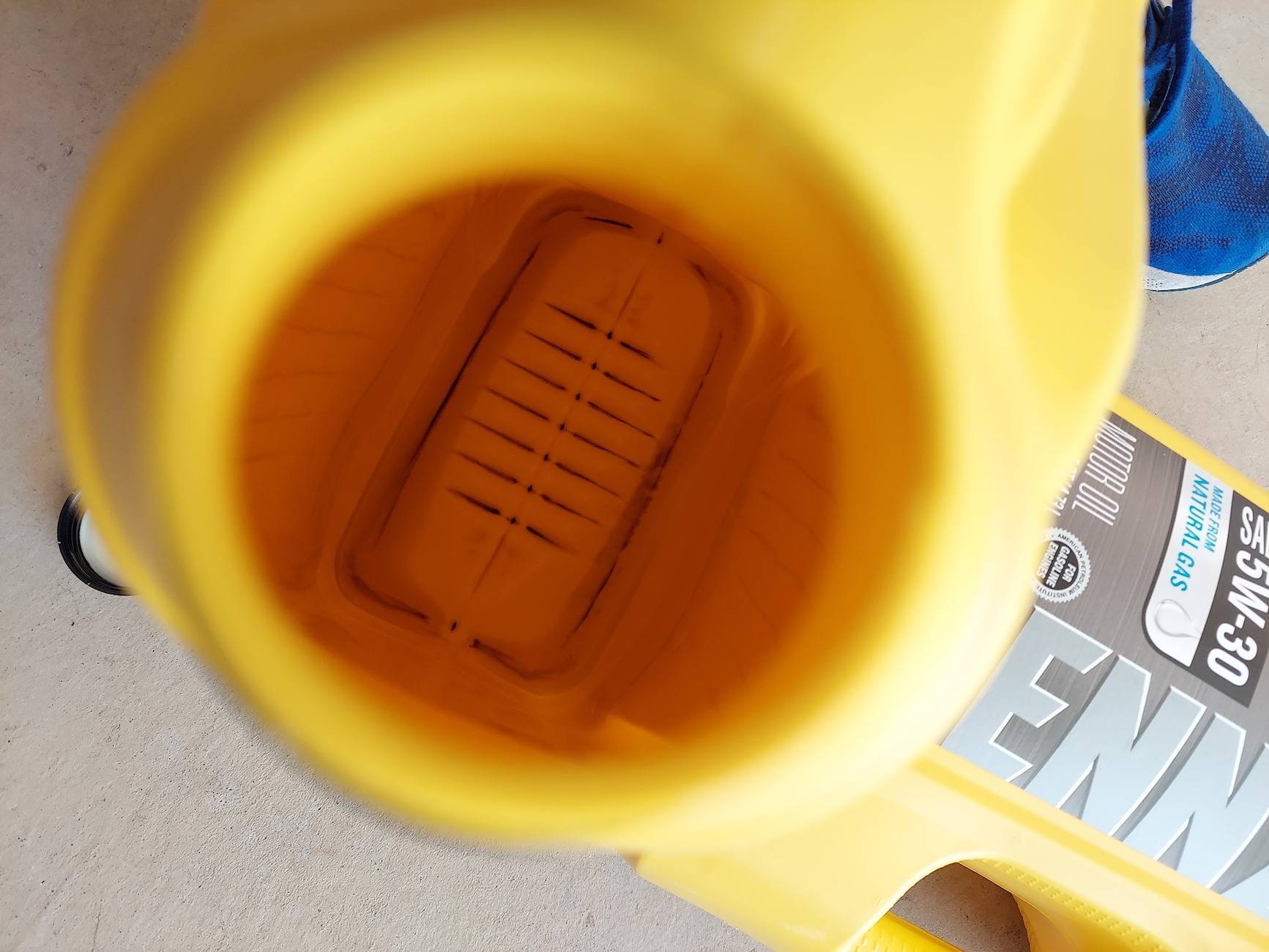
Oil Jug. As I was cleaning up, I noticed the inside of the Pennzoil jug. "Man. I hope that's not all the slippery sh!$. I might need that." :giggle: Some googling shows these residues are normal and not significant. Again, look to the sample analysis. Feedback seen in other forums does highlight most shake their containers before emptying into the engine.
oil analysis skye 2024.jpg


oil catch can skye 2024.jpg


oil change skye 2023.jpg


oil change skye 2024.jpg


oil jug skye 2024.jpg
 
Last edited:

S550HPP

Well-Known Member
Joined
Jun 6, 2024
Threads
32
Messages
1,954
Reaction score
1,025
Location
PDC
Vehicle(s)
2022 HPP Vert
I always run new engine hard with 93 or 94 from delivery not quite hitting rev limiter, change oil and filter at 1000 miles with Pennzoil Euro Synthetic 5W 40 then every 3000 miles afterwards.

It seems to work well because my cars always perform beyond expectations and flawlessly.
 

markayash

Well-Known Member
Joined
Dec 29, 2019
Threads
13
Messages
444
Reaction score
587
Location
atlanta
First Name
Marc
Vehicle(s)
2021 Mustang
I always run new engine hard with 93 or 94 from delivery not quite hitting rev limiter, change oil and filter at 1000 miles with Pennzoil Euro Synthetic 5W 40 then every 3000 miles afterwards.

It seems to work well because my cars always perform beyond expectations and flawlessly.
The oil geek did a video on his daughters Toyota and if I remember he found that 1st around 1000 then 2nd around 3000 then the metals started to drop off dramatically.
He did it to show that’s new engines needs a short oil change when new.
When I bought my new accord a few years back everyone said “ it has a special break in oil” which now sounds stupid :)
Sponsored


Top