Robottrainer
Well-Known Member
Yes! My understanding it adapt to keep things within operational design parameters.The 10r80 does not adapt to driving styles.
Sponsored

Yes! My understanding it adapt to keep things within operational design parameters.The 10r80 does not adapt to driving styles.
Exactly. For instance, stroke is the phase of the shift when it's moving the clutch plates into position. The pressure is specified in the tune, but the time is calculated based on the volume of fluid that is needed. If it detects the plates start to engage early or late, it will add or subtract from the stroke time. As plates wear, it has to adjust the time. This is the adaptive part. It also has tie-up (2 gears engaged) and flare (neither gear engaged) detection, and it will adjust torque transfer ramp rates to address these. These have nothing to do with driving style. The shift points and firmness are fully specified in the tune and do not "learn". As I stated earlier, Dodge/Ram do adjust firmness and shift points based on a driver aggressiveness "score" that it determines for you. As such, tuners are trying to tune to a moving target.Yes! My understanding it adapt to keep things within operational design parameters.
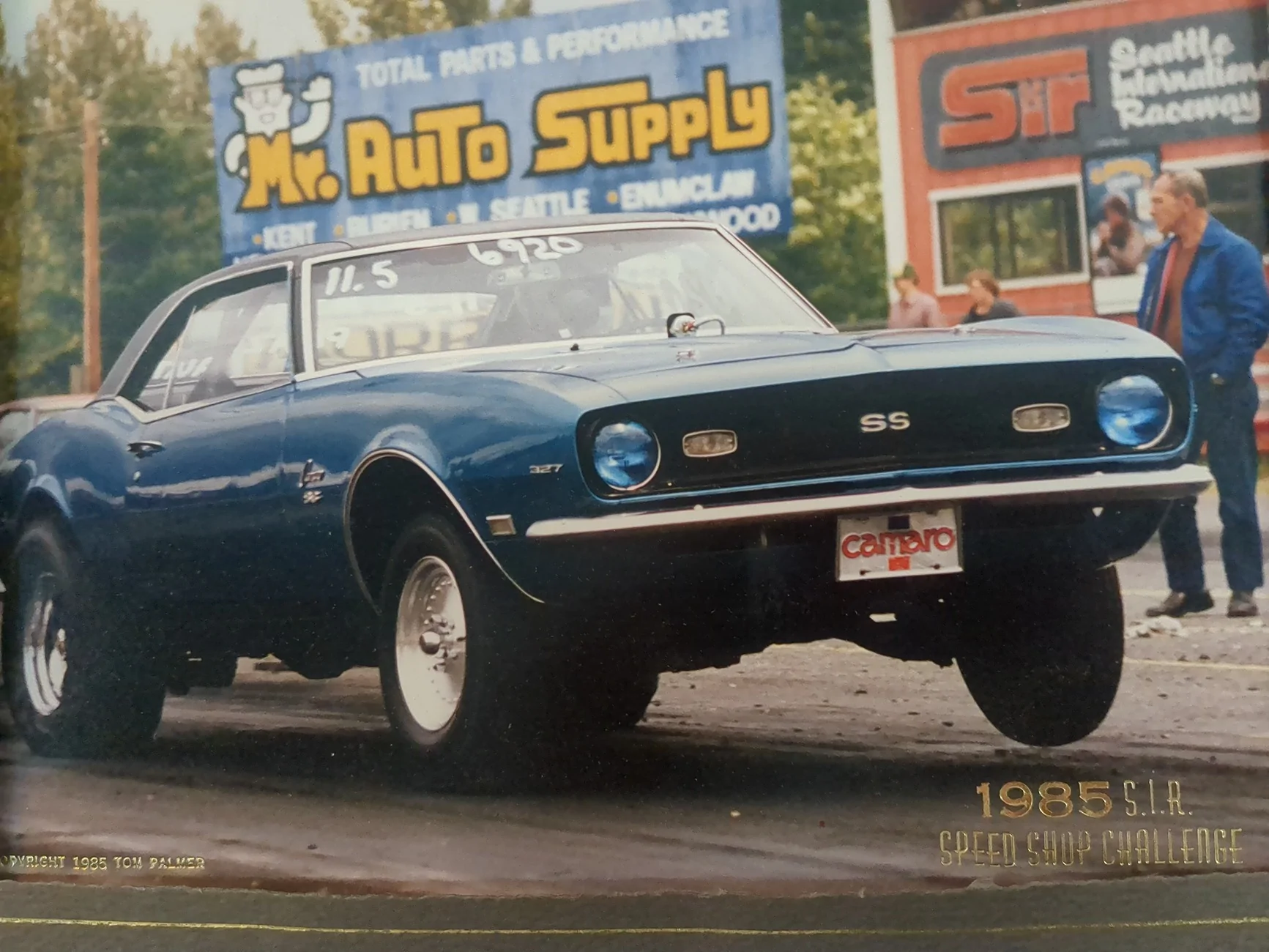
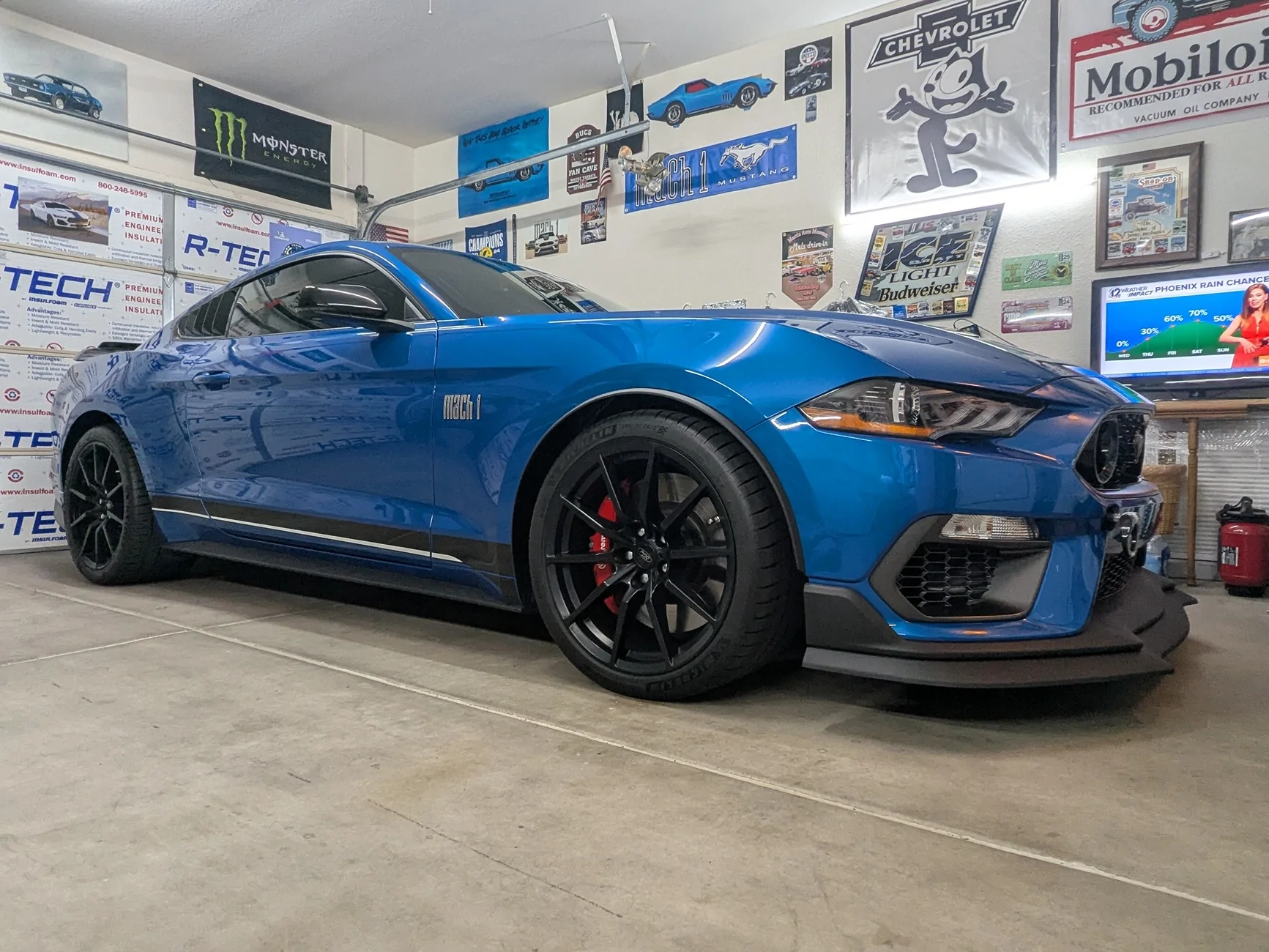
Thanks Mike , this is what I understand,( but at the time it was a learning experience) 1976 til 2005 I sure had a great time. Looking back the combination is so simple . At 70 I can't do anymore. So stepped up and bought my first Ford Car. So do they need to be this complicated?@Gen 6 Mach1 no worries. The entire drivetrain control is immensely complicated and very often misunderstood. Most people believe it adapts to driving style so it’s a common misconception.
Then it is doing what is supposed to do. Paddle shifting is delayed when under less throttle, and snappy when under more throttle.The only similarity to mine is the delay in the paddles, but it doesn't seem to be as bad as yours. In normal mode mine does take a bit too much throttle input to downshift, but it's very responsive in sport or track mode. No clunkiness or harsh engagement. I guess I got lucky.
That's interesting to hear because I had noticed slow upshifts while using the paddles, and noted that it was as I was easing off the throttle, and wondered if that was intentional. I hadn't heard any official statement to that effect, but it seemed like a logical possibility, though I am not sure why.Then it is doing what is supposed to do. Paddle shifting is delayed when under less throttle, and snappy when under more throttle.
This is just from personal experience with y 10r80, and taking the time to drive it in all modes, and different driving styles. I have found that in normal mode and driving normally, it will lag, sport mode under throttle it is way snappier. go mess with yours and see if that is the case.That's interesting to hear because I had noticed slow upshifts while using the paddles, and noted that it was as I was easing off the throttle, and wondered if that was intentional. I hadn't heard any official statement to that effect, but it seemed like a logical possibility, though I am not sure why.
It's because the paddle shift can only initiate the shifting process. It has to go through prime/boost phase, stroke phase, and torque transfer phase before the ratio changes. At light load and low rpm, those phases take longer by design. There is no reason to execute the torque transfer phase and others quickly under those conditions.... I hadn't heard any official statement to that effect, but it seemed like a logical possibility, though I am not sure why.
In principle yes, but upshifts were delayed too much unless you were at 80-100% throttle, to the point of being annoying and unusable. Fortunately the transmission behaved very well in automatic mode. (I'm using past tense because I recently sold the car.)Then it is doing what is supposed to do. Paddle shifting is delayed when under less throttle, and snappy when under more throttle.
My memory sucks but I think sport SST is characterisric 1. Its also 1 in normal mode...I think.It's because the paddle shift can only initiate the shifting process. It has to go through prime/boost phase, stroke phase, and torque transfer phase before the ratio changes. At light load and low rpm, those phases take longer by design. There is no reason to execute the torque transfer phase and others quickly under those conditions.
If you wanted to go deep in the trans tuning, you could set up one of the shift characters to execute low rpm, low torque shifts quickly and switch to that character when entering LID or SST modes. Might be a fun science project.
Yeah, that is weird.In principle yes, but upshifts were delayed too much unless you were at 80-100% throttle, to the point of being annoying and unusable. Fortunately the transmission behaved very well in automatic mode. (I'm using past tense because I recently sold the car.)
I also found that in lower gears, when accelerating harder, it responded to manual shifts quickly, and also while down-shifting, but as I approached the top speed I wanted to hit, and began lifting on the throttle, the upshifts were less responsive. Because my speed was stabilizing at that point, it didn't really impact performance much, but was kind of annoying.In principle yes, but upshifts were delayed too much unless you were at 80-100% throttle, to the point of being annoying and unusable. Fortunately the transmission behaved very well in automatic mode. (I'm using past tense because I recently sold the car.)


