Angrey
Well-Known Member
- Joined
- Jun 21, 2020
- Threads
- 104
- Messages
- 2,794
- Reaction score
- 2,984
- Location
- Coral Gables
- Vehicle(s)
- 2016 GT350
- Thread starter
- #1
So it's been a long time coming, but I've finally come to rest on my fuel setup and ready to report and discuss. There's a lot to unpack, so I'll lay out the big picture in this first post and then we can expand and discuss further as we go.
A little background, I planned on creating a fuel system for my GT350, that would accommodate boosted power levels, but I also wanted it to continue to provide features and capabilities of the GT350 and not just a drag car, but a daily driver with all the refinement and acumen associated with typical use (i.e. long trips). I also wanted E85, which significantly reduces the typical range of a full tank. I also wanted it to be capable for 4 digit power, so returnless systems (currently) were not really an option.
Although there are many tried and true return style systems on the market, I couldn't get past the limitations that most guys running high horsepower just accept as life in the big city. I didn't want a fuel system that had to be above 1/2 tank in order to be assured the pumps wouldn't starve under acceleration. Combined with the E85 range referenced above, this would mean that on long trips, I'd get maybe 75 miles of driving before I'd either have to refill OR drive the rest of the tank out like an old woman (what if I wanted to stomp the car with 1/3 of a tank remaining?).
Additionally, even the OEM system has inherent limitations/flaws that I wanted to correct. The current generation of mustang with IRS necessitated a mid-car fuel tank location which leads to a "saddle" style tank, which is essentially two separate reservoirs separated/combined by an elevated connection between them over the drive shaft tunnel. Ford isn't alone here, the GM/Corvette crowd deals with the same frustrating setup (more on that later). This saddle style system means that either a siphon system or a separate lift pump is required to move fuel from the "passive" side over to the active side where the fuel pumps are located. It also means that during certain driving conditions (hard left turns) fuel can and does flow up and over the saddle into the passive side (lowering the level of the active side and increasing the concern of naked fuel pumps and fuel starvation).
Given that I would be spending a large amount of money on building the power train, reliable and unfailing fuel delivery was a top priority and I didn't like the typical limitations of current aftermarket offerings.
I also didn't like the idea that driving the car hard in left turns would also exacerbate fuel delivery safety concerns.
I also didn't like the current tradeoffs with staged pumps (risking a failed Hobbs switch or running multiple pumps at 100% duty while heating the fuel and straining the electrical system for long periods of time on long trips).
I looked very hard at surge tank options which would essentially eliminate virtually all of the starvation concerns. But I couldn't find a suitable place under the car/firewall to mount available surge tanks and I wasn't crazy about having an additional fuel assembly inside the cabin (or losing the functional space in the trunk).
Additionally, I was very attracted to the new(er) brushless style pumps that had many advantages over the old brush style pumps. From durability, to true variable capability to reduced electrical draw and efficiency.
It seemed one of the first pioneers of an in-tank, brushless fuel pump return style system, capable of 4 digit power fuel delivery was Fuelab. They offered a 1200 hp capable in tank/bucket brushless pump for a very reasonable price. The problem is, they stopped making them because no one bought them. They were figuratively a decade ahead of the market. After speaking with them, they put a lot of R/D into that system/kit and virtually no one bought it. So they weren't interested in the effort to replicate the system on an S550 bucket.
So I set out to replicate my own version of their setup, and use their brilliant electronic fuel pressure regulation. Fuelab has a patent on their electronic FPR which indexes pump duty based upon return line pressure. There are many ways to increase the fuel delivery on a variable system, you could reference RPM, you could reference a hobbs/pressure switch, etc. But to have true variability that's incremental (and not just some stepped effort), the best solution on a return style setup is to monitor the return line. When the return line is flowing too much, the system can reduce pump duty. When the return line is flowing too little, the system knows the motor is consuming more fuel and can increase pump duty.
I also set out to resolve the "left turn" issue and issues surrounding passive/active separate tanks. Many guys over on Trackmustangsonline have tried everything from surge tanks (not a preferred option) to hydramat in the saddle to fuel foam surrounding the primary pump buckets. I wasn't a fan of the siphon system, both from a flow standpoint (it's more a trickle than a flow) or the pressure/flow bleed off the primary pumps required to power it.
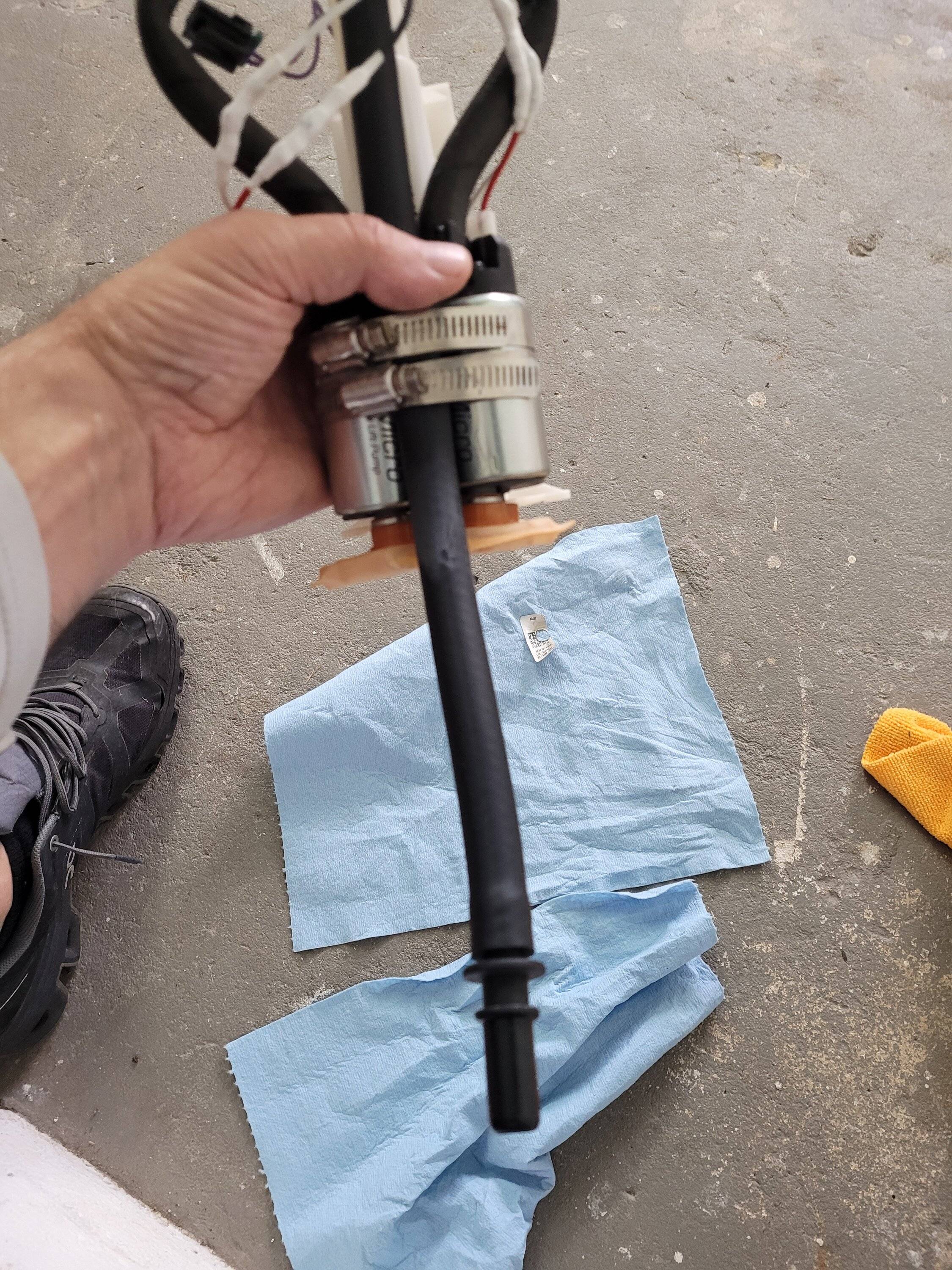
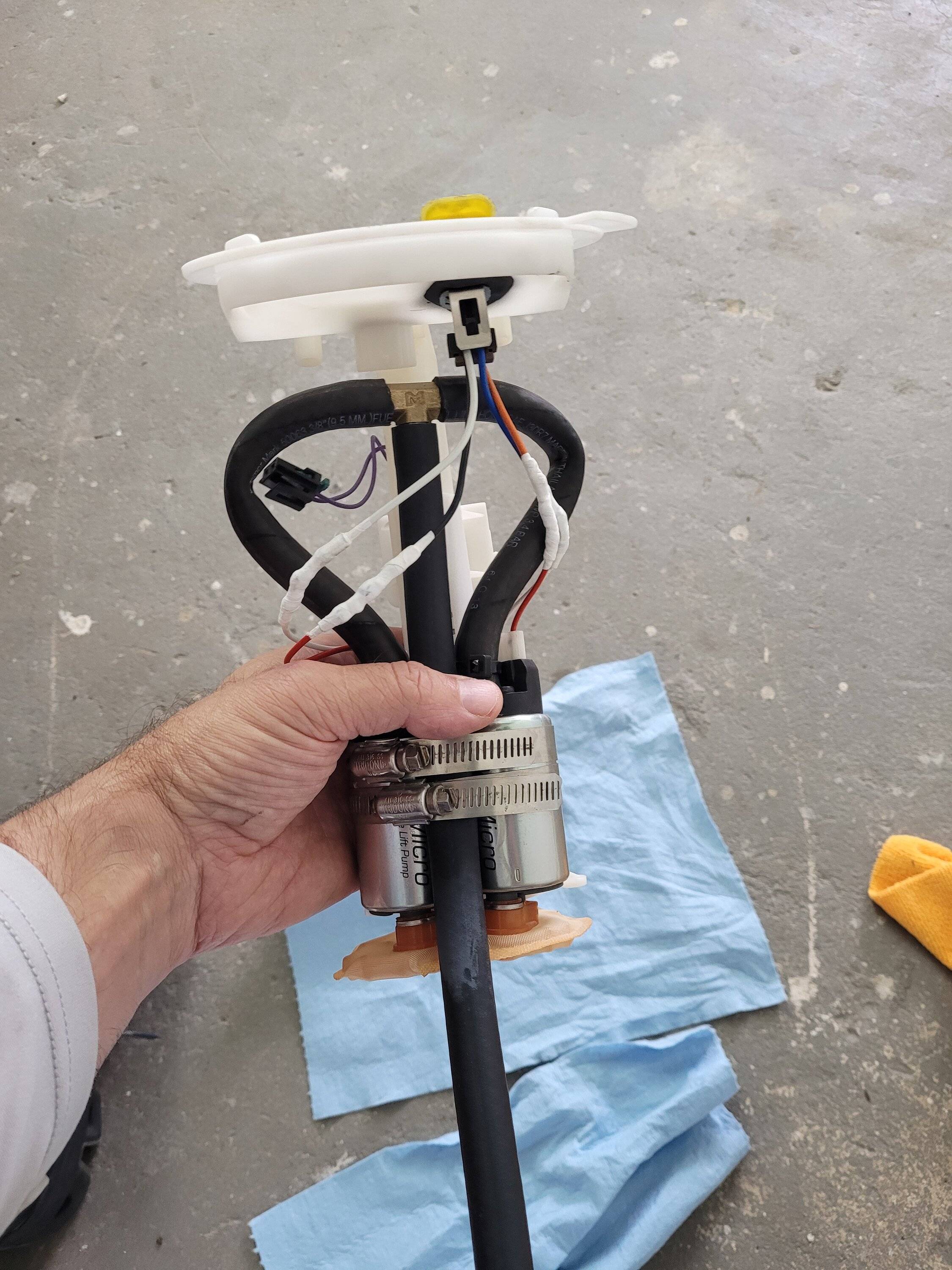
The result is a set of low pressure lift pumps on the passive side which actively pump fuel from the passenger side over to the active side. Not only do they flow about 400 liters/hour combined, but now the primary pumps can focus on providing engine fuel and not bleeding flow off on a siphon setup.
These low level pumps draw about 3.5 amps each. Combined with the efficiencies of brushless pumps, this means at full power draw/flow, the entire system would draw about the same power as a pair of TI285 pumps, and at idle/low load, would result in the current draw just a little more than a single 285 pump running full power.
So I had the roadmap to a system that would deliver gobs of power on E85, would run much cooler at idle/cruising, would only increase heat/power draw at WOT and spirited conditions, would be more reliable and resistant to pump wear/failure, and would continuously move fuel from the passive to the active side, without reducing the primary pump output.
Combined with the Radium bucket, which acts as a miniature surge tank (that has a one way baffle at the bottom to allow fuel in, but not out during acceleration or turning), the whole system is NEARLY perfect for what I wanted and not markedly more expensive than a top of the line triple pump return style system with controllers, regulator, lines, etc.
Here's a list of the final setup:
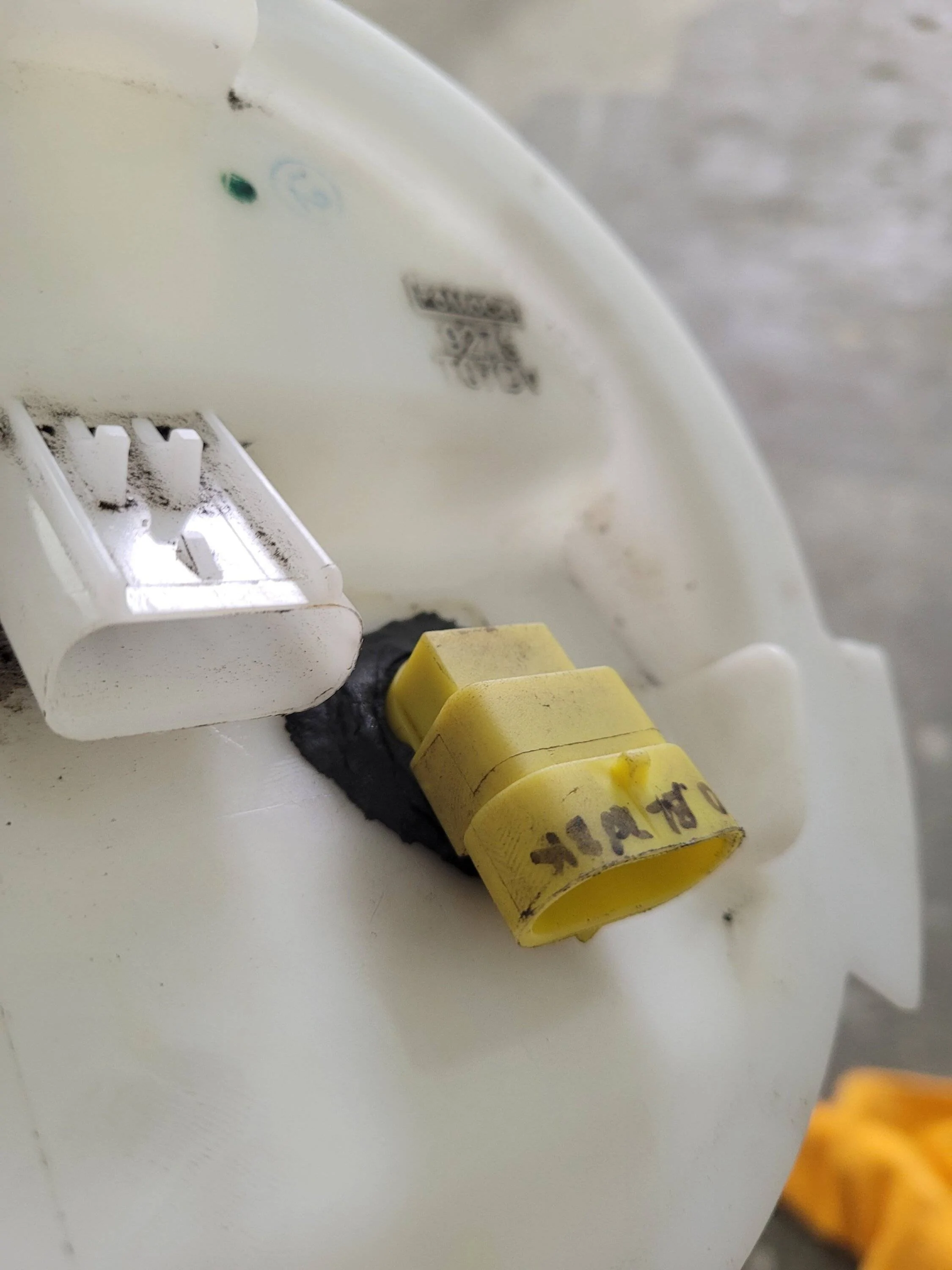
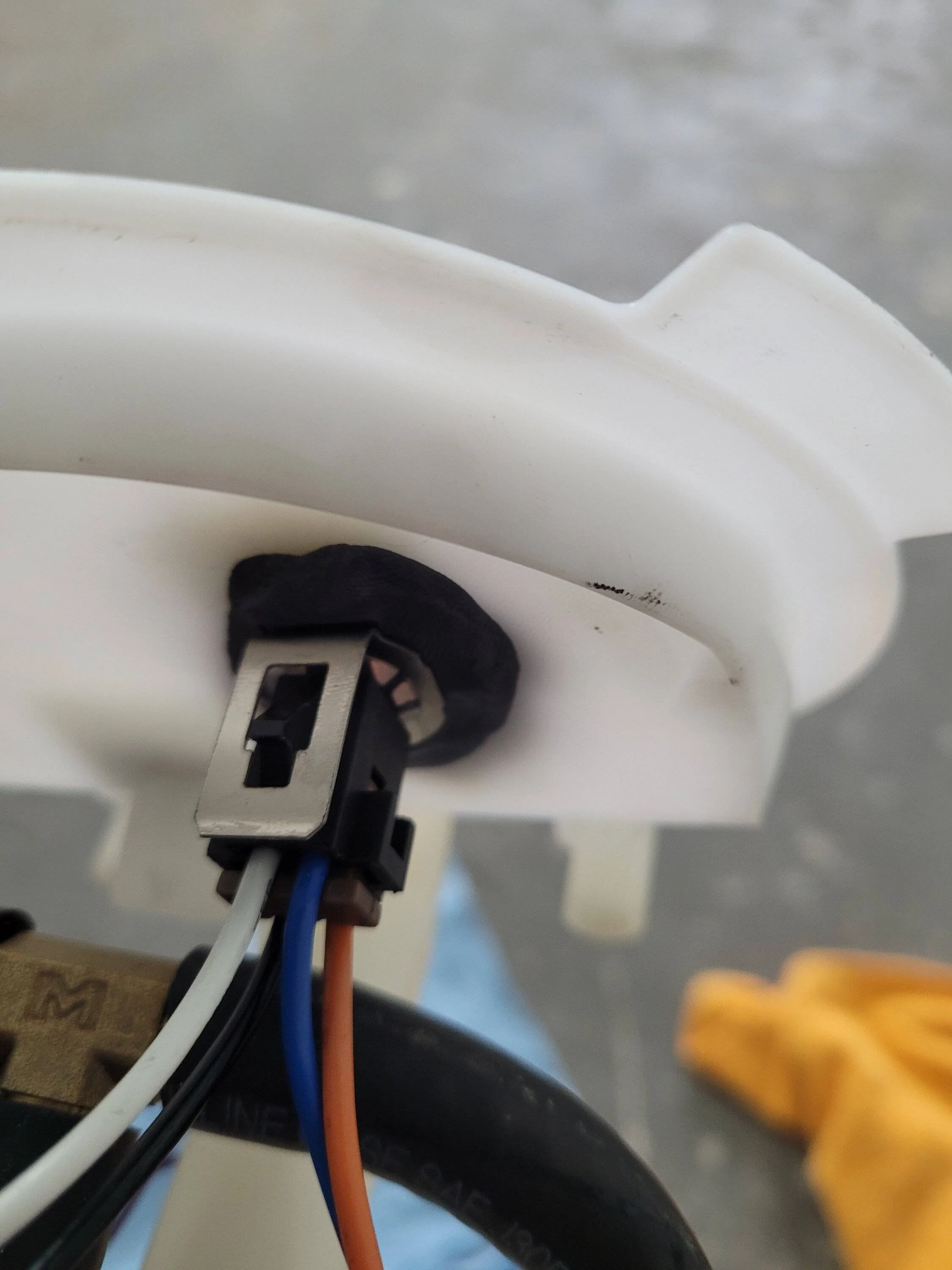
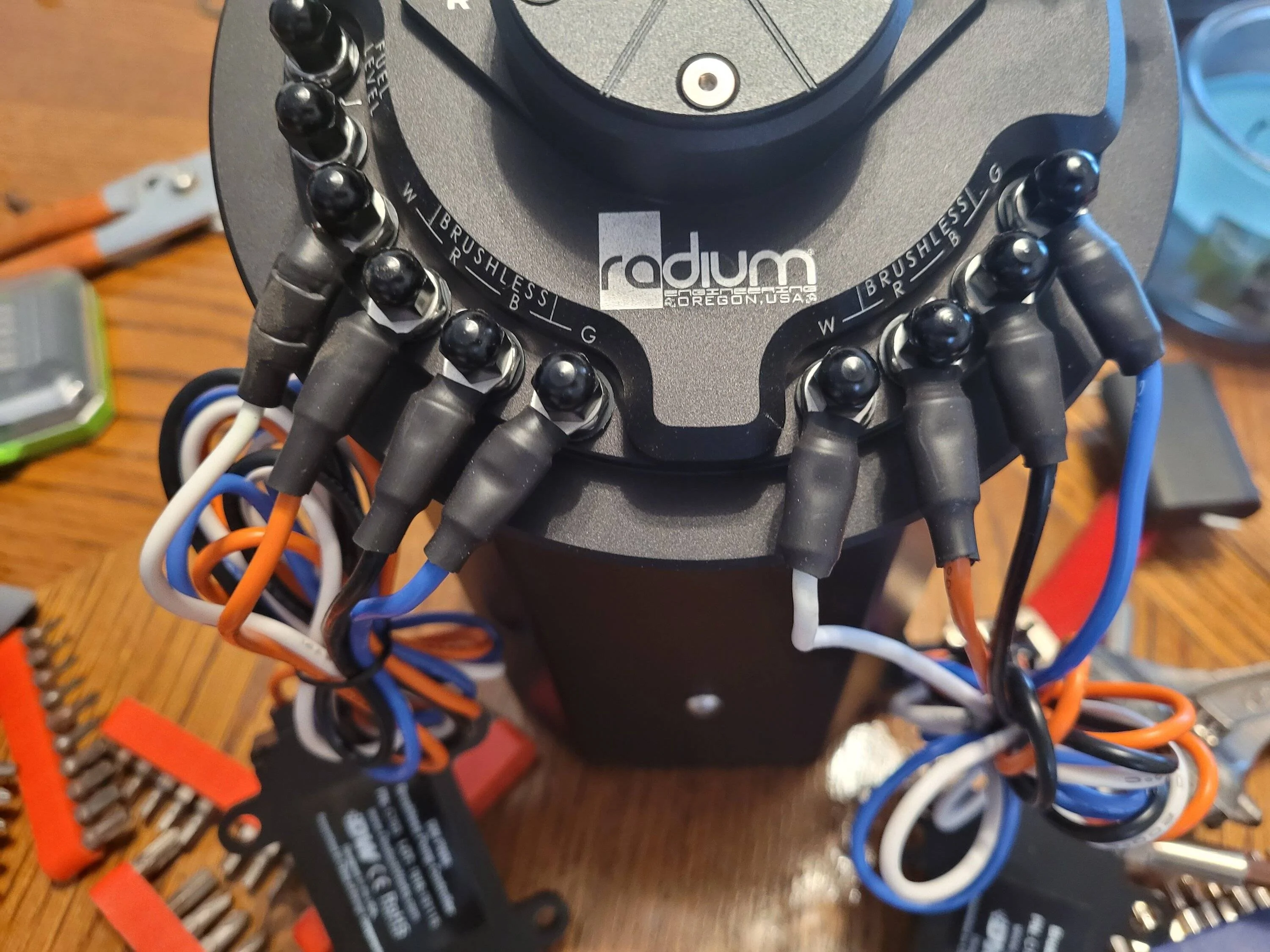
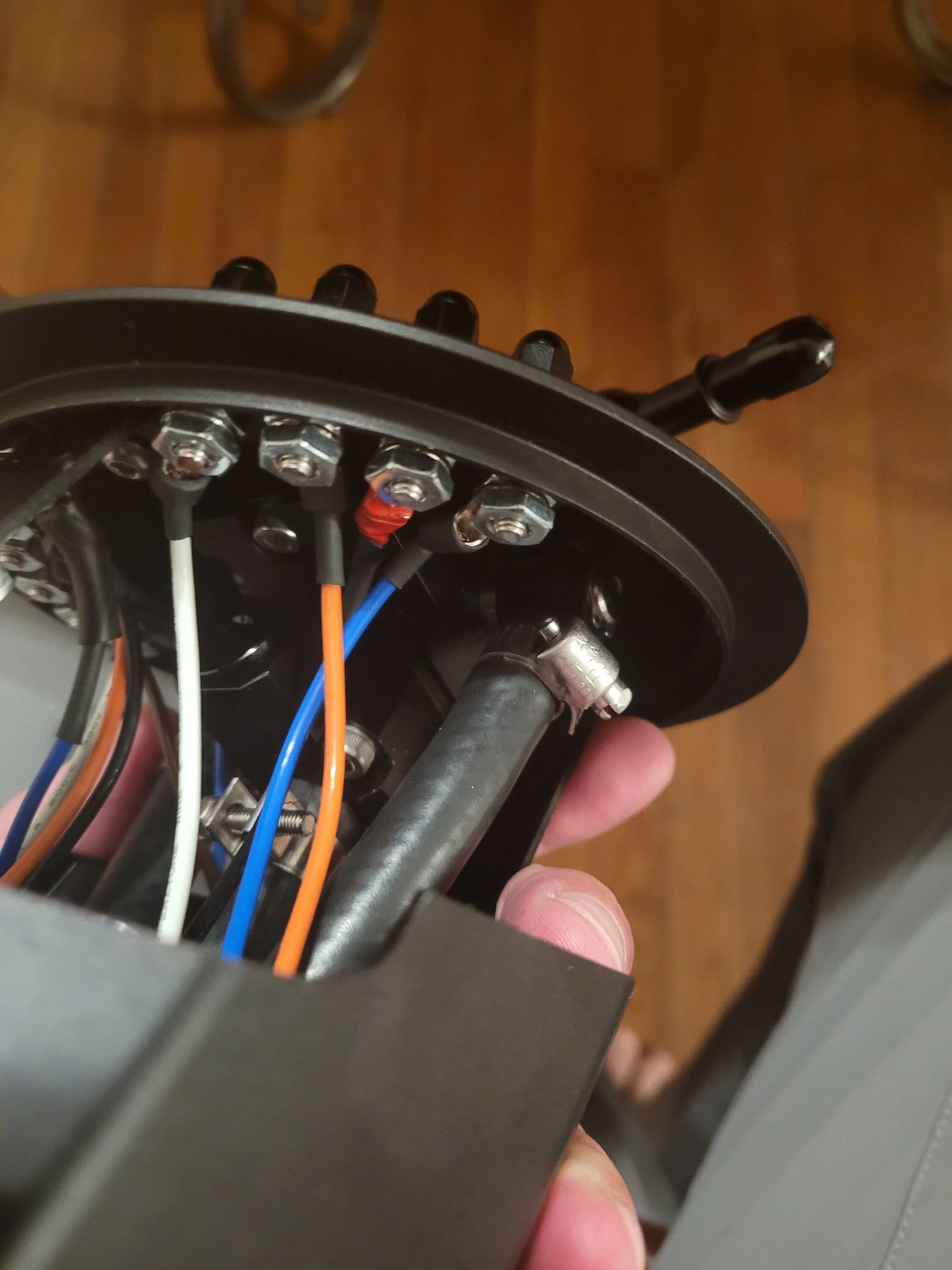
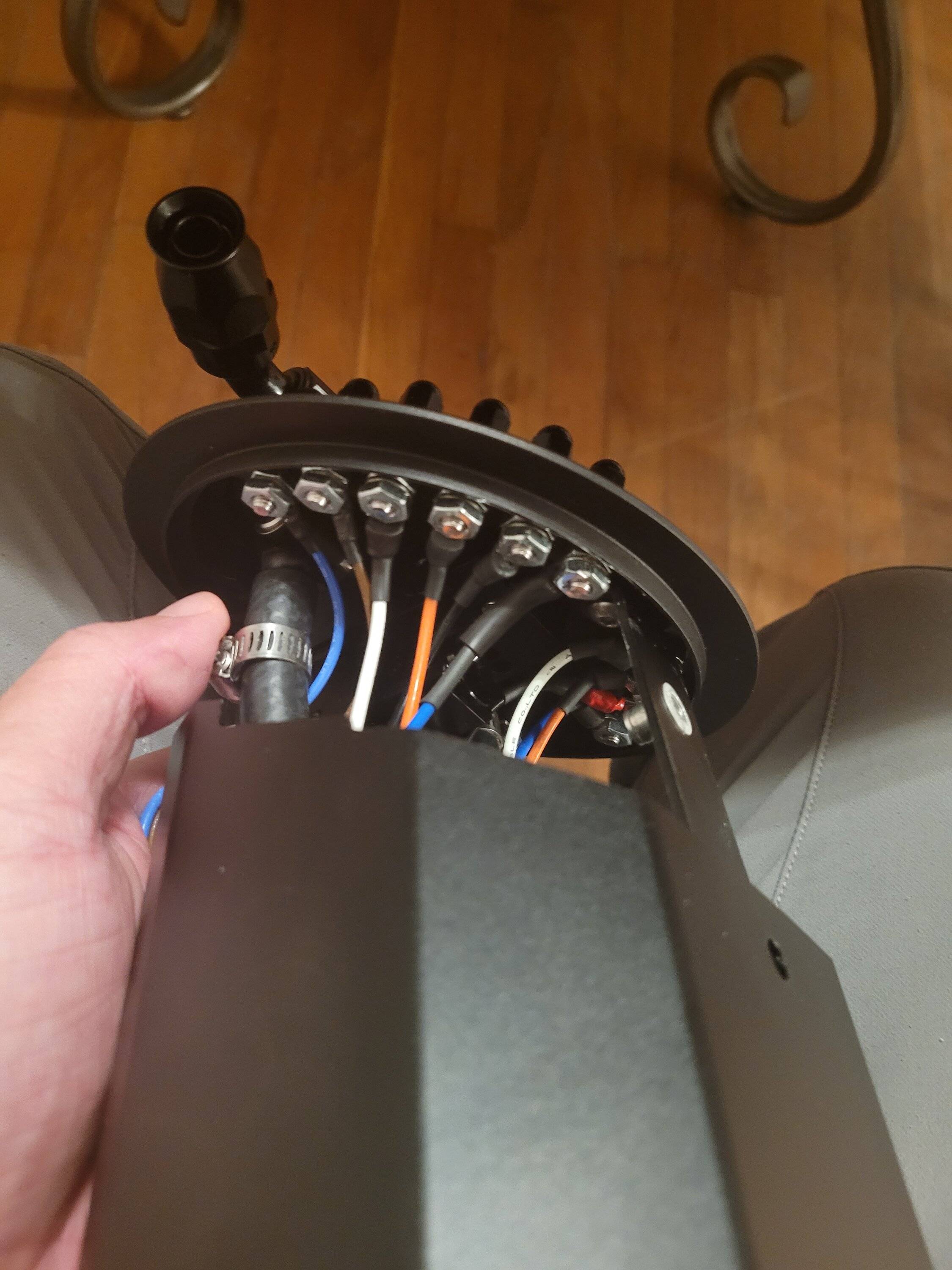
1) Radium bucket with integral 8 electrical posts for pumps and 2 electrical posts for level sender.
2) 2 each DW 440 brushless fuel pumps with variable PWM controllers.
3) Fuelab electronic pressure regulator (for PWM signal), with vacuum line boost reference
4) 2 each DW micro lift pumps for transferring fuel from passive to active side
5) The rest are pretty common wiring and fuel line arrangements. 8 A/N feed line/fittings. Typical dual pump wiring kit with relays and fuses. The exception is that I repurposed the OEM feed line to use as my return line (equivalent to a 6 AN)
6) Radium Microglass in line fuel filter.
7) Whipple fuel rails (I researched and tried to figure out how to run aftermarket on a whipple Gen5 but gave up. The whipple rails aren't that big of a restriction).
I tried to feature fuel pulse dampeners (Radium) but they need to be close to the rails to be fully effective and there just isn't room to plumb them close to the rails without making the engine bay look crowded and tacky).
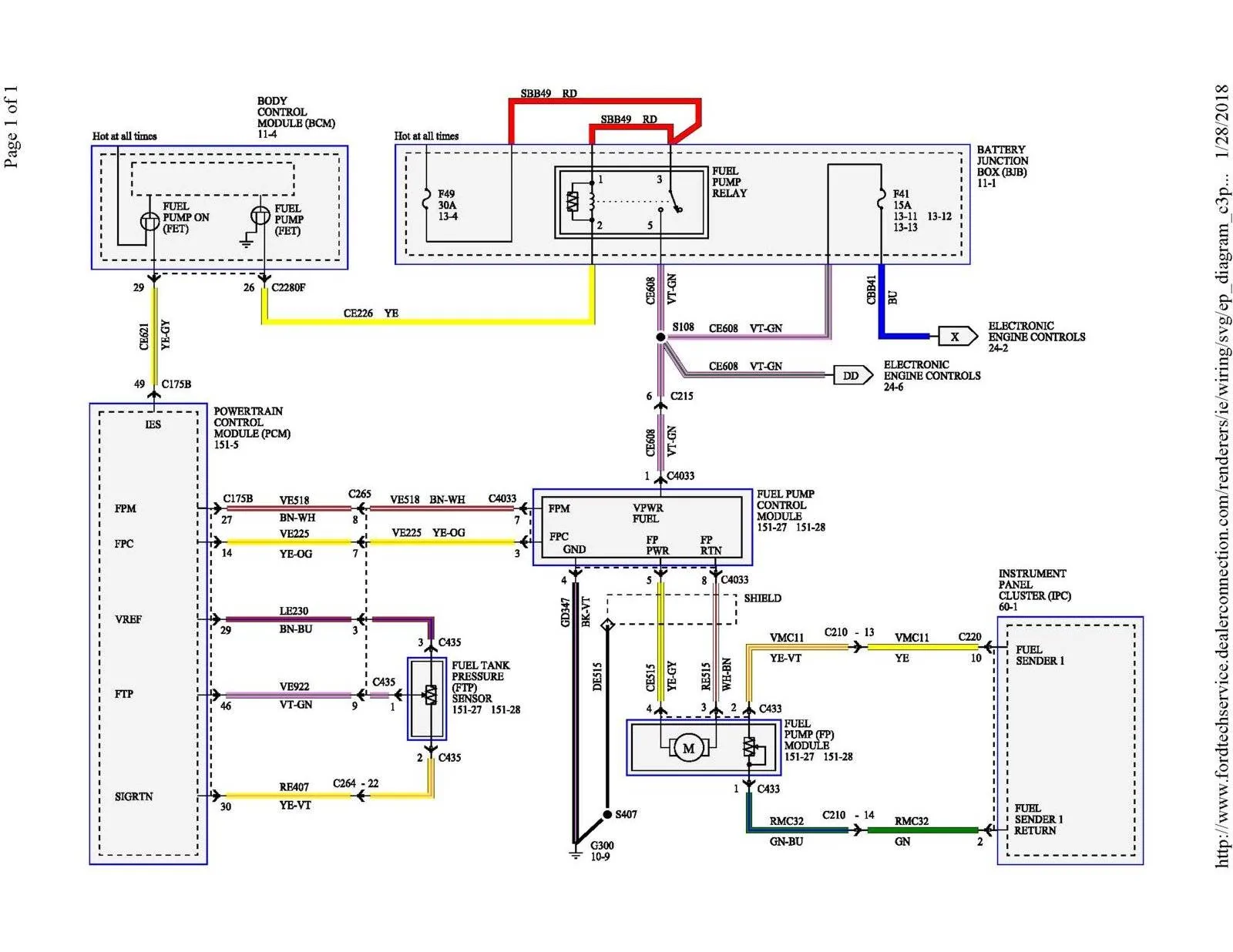
The last issue I've been trying to resolve (frustratingly) is the issue of running the passive lift pumps dry. I found an Autometer Elite Pro Control Fuel level gauge that IN THEORY will control the pumps and ask them to run when the fuel level on the passenger side is there, but shutoff automatically when it's empty. After much brain damage trying to get an autometer fuel level gauge to work with Ford's overly complex fuel sender design, I was able to get the fuel gauge to work, however not without disconnecting the passenger side sending from the BCM/PCM. Additionally, even after 3 calls with Autometer, I can't get their product to work as advertised. In the end, I punted and installed a toggle switch that I can manually turn the lift pumps on/off. The autometer gauge triggers them when the level is high, but it turns off at about 3/4 level (instead of 1/8 or lower where I want it). That's what I've been trying to debug for the last few weeks.
So in the end, I now have a fuel system that will support over 1100 rwhp (verified) on an 8 AN Feed, 6 AN return with no booster. It runs low draw (about 7 amps each DW and 3.5 amps each lift pump) at idle/cruising and draws about 35 amps at full tilt (less than two TI285s at full boogie). I don't have to worry about fuel starvation even at very low fuel levels as the bucket surrounds the pumps and the lift pumps are supplying the bucket as well as the one way check valve. I don't have to lose any space in the trunk (or have a fuel tank inside the firewall with me).
So now I have a car that's detuned to 1000 rwhp that I can turn or stomp whenever I want down to very low fuel levels and not worry about leaning out and destroying my motor. I'm going to continue working on the automated setup for the lift pumps with the Autometer gauge.
A little background, I planned on creating a fuel system for my GT350, that would accommodate boosted power levels, but I also wanted it to continue to provide features and capabilities of the GT350 and not just a drag car, but a daily driver with all the refinement and acumen associated with typical use (i.e. long trips). I also wanted E85, which significantly reduces the typical range of a full tank. I also wanted it to be capable for 4 digit power, so returnless systems (currently) were not really an option.
Although there are many tried and true return style systems on the market, I couldn't get past the limitations that most guys running high horsepower just accept as life in the big city. I didn't want a fuel system that had to be above 1/2 tank in order to be assured the pumps wouldn't starve under acceleration. Combined with the E85 range referenced above, this would mean that on long trips, I'd get maybe 75 miles of driving before I'd either have to refill OR drive the rest of the tank out like an old woman (what if I wanted to stomp the car with 1/3 of a tank remaining?).
Additionally, even the OEM system has inherent limitations/flaws that I wanted to correct. The current generation of mustang with IRS necessitated a mid-car fuel tank location which leads to a "saddle" style tank, which is essentially two separate reservoirs separated/combined by an elevated connection between them over the drive shaft tunnel. Ford isn't alone here, the GM/Corvette crowd deals with the same frustrating setup (more on that later). This saddle style system means that either a siphon system or a separate lift pump is required to move fuel from the "passive" side over to the active side where the fuel pumps are located. It also means that during certain driving conditions (hard left turns) fuel can and does flow up and over the saddle into the passive side (lowering the level of the active side and increasing the concern of naked fuel pumps and fuel starvation).
Given that I would be spending a large amount of money on building the power train, reliable and unfailing fuel delivery was a top priority and I didn't like the typical limitations of current aftermarket offerings.
I also didn't like the idea that driving the car hard in left turns would also exacerbate fuel delivery safety concerns.
I also didn't like the current tradeoffs with staged pumps (risking a failed Hobbs switch or running multiple pumps at 100% duty while heating the fuel and straining the electrical system for long periods of time on long trips).
I looked very hard at surge tank options which would essentially eliminate virtually all of the starvation concerns. But I couldn't find a suitable place under the car/firewall to mount available surge tanks and I wasn't crazy about having an additional fuel assembly inside the cabin (or losing the functional space in the trunk).
Additionally, I was very attracted to the new(er) brushless style pumps that had many advantages over the old brush style pumps. From durability, to true variable capability to reduced electrical draw and efficiency.
It seemed one of the first pioneers of an in-tank, brushless fuel pump return style system, capable of 4 digit power fuel delivery was Fuelab. They offered a 1200 hp capable in tank/bucket brushless pump for a very reasonable price. The problem is, they stopped making them because no one bought them. They were figuratively a decade ahead of the market. After speaking with them, they put a lot of R/D into that system/kit and virtually no one bought it. So they weren't interested in the effort to replicate the system on an S550 bucket.
So I set out to replicate my own version of their setup, and use their brilliant electronic fuel pressure regulation. Fuelab has a patent on their electronic FPR which indexes pump duty based upon return line pressure. There are many ways to increase the fuel delivery on a variable system, you could reference RPM, you could reference a hobbs/pressure switch, etc. But to have true variability that's incremental (and not just some stepped effort), the best solution on a return style setup is to monitor the return line. When the return line is flowing too much, the system can reduce pump duty. When the return line is flowing too little, the system knows the motor is consuming more fuel and can increase pump duty.
I also set out to resolve the "left turn" issue and issues surrounding passive/active separate tanks. Many guys over on Trackmustangsonline have tried everything from surge tanks (not a preferred option) to hydramat in the saddle to fuel foam surrounding the primary pump buckets. I wasn't a fan of the siphon system, both from a flow standpoint (it's more a trickle than a flow) or the pressure/flow bleed off the primary pumps required to power it.
The result is a set of low pressure lift pumps on the passive side which actively pump fuel from the passenger side over to the active side. Not only do they flow about 400 liters/hour combined, but now the primary pumps can focus on providing engine fuel and not bleeding flow off on a siphon setup.
These low level pumps draw about 3.5 amps each. Combined with the efficiencies of brushless pumps, this means at full power draw/flow, the entire system would draw about the same power as a pair of TI285 pumps, and at idle/low load, would result in the current draw just a little more than a single 285 pump running full power.
So I had the roadmap to a system that would deliver gobs of power on E85, would run much cooler at idle/cruising, would only increase heat/power draw at WOT and spirited conditions, would be more reliable and resistant to pump wear/failure, and would continuously move fuel from the passive to the active side, without reducing the primary pump output.
Combined with the Radium bucket, which acts as a miniature surge tank (that has a one way baffle at the bottom to allow fuel in, but not out during acceleration or turning), the whole system is NEARLY perfect for what I wanted and not markedly more expensive than a top of the line triple pump return style system with controllers, regulator, lines, etc.
Here's a list of the final setup:
1) Radium bucket with integral 8 electrical posts for pumps and 2 electrical posts for level sender.
2) 2 each DW 440 brushless fuel pumps with variable PWM controllers.
3) Fuelab electronic pressure regulator (for PWM signal), with vacuum line boost reference
4) 2 each DW micro lift pumps for transferring fuel from passive to active side
5) The rest are pretty common wiring and fuel line arrangements. 8 A/N feed line/fittings. Typical dual pump wiring kit with relays and fuses. The exception is that I repurposed the OEM feed line to use as my return line (equivalent to a 6 AN)
6) Radium Microglass in line fuel filter.
7) Whipple fuel rails (I researched and tried to figure out how to run aftermarket on a whipple Gen5 but gave up. The whipple rails aren't that big of a restriction).
I tried to feature fuel pulse dampeners (Radium) but they need to be close to the rails to be fully effective and there just isn't room to plumb them close to the rails without making the engine bay look crowded and tacky).
The last issue I've been trying to resolve (frustratingly) is the issue of running the passive lift pumps dry. I found an Autometer Elite Pro Control Fuel level gauge that IN THEORY will control the pumps and ask them to run when the fuel level on the passenger side is there, but shutoff automatically when it's empty. After much brain damage trying to get an autometer fuel level gauge to work with Ford's overly complex fuel sender design, I was able to get the fuel gauge to work, however not without disconnecting the passenger side sending from the BCM/PCM. Additionally, even after 3 calls with Autometer, I can't get their product to work as advertised. In the end, I punted and installed a toggle switch that I can manually turn the lift pumps on/off. The autometer gauge triggers them when the level is high, but it turns off at about 3/4 level (instead of 1/8 or lower where I want it). That's what I've been trying to debug for the last few weeks.
So in the end, I now have a fuel system that will support over 1100 rwhp (verified) on an 8 AN Feed, 6 AN return with no booster. It runs low draw (about 7 amps each DW and 3.5 amps each lift pump) at idle/cruising and draws about 35 amps at full tilt (less than two TI285s at full boogie). I don't have to worry about fuel starvation even at very low fuel levels as the bucket surrounds the pumps and the lift pumps are supplying the bucket as well as the one way check valve. I don't have to lose any space in the trunk (or have a fuel tank inside the firewall with me).
So now I have a car that's detuned to 1000 rwhp that I can turn or stomp whenever I want down to very low fuel levels and not worry about leaning out and destroying my motor. I'm going to continue working on the automated setup for the lift pumps with the Autometer gauge.
Sponsored