2015 Ford Mustang Gets Grille Shutters To Improve MPGs
March 3rd, 2014 by Christopher DeMorro, Detroit News
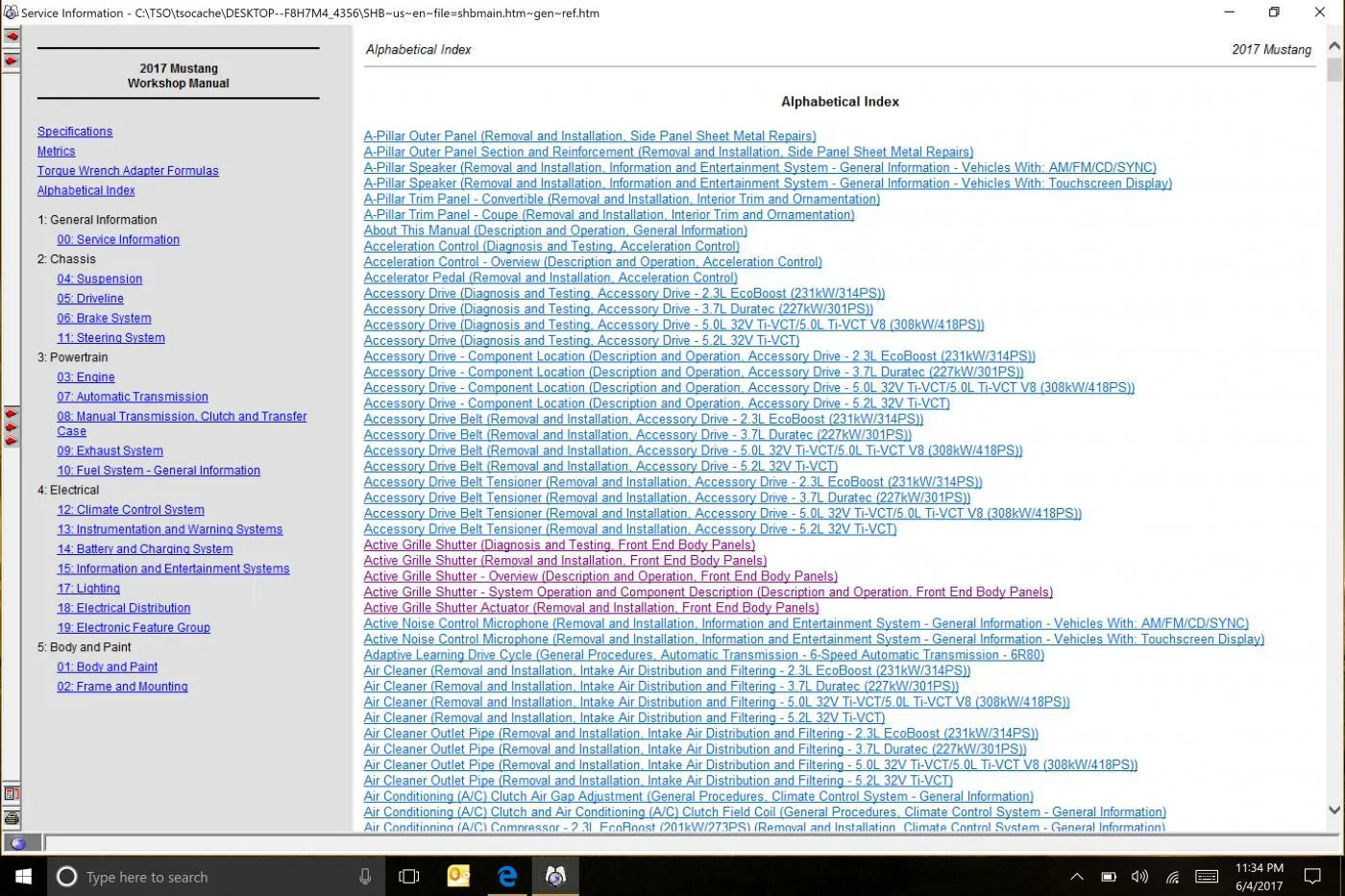
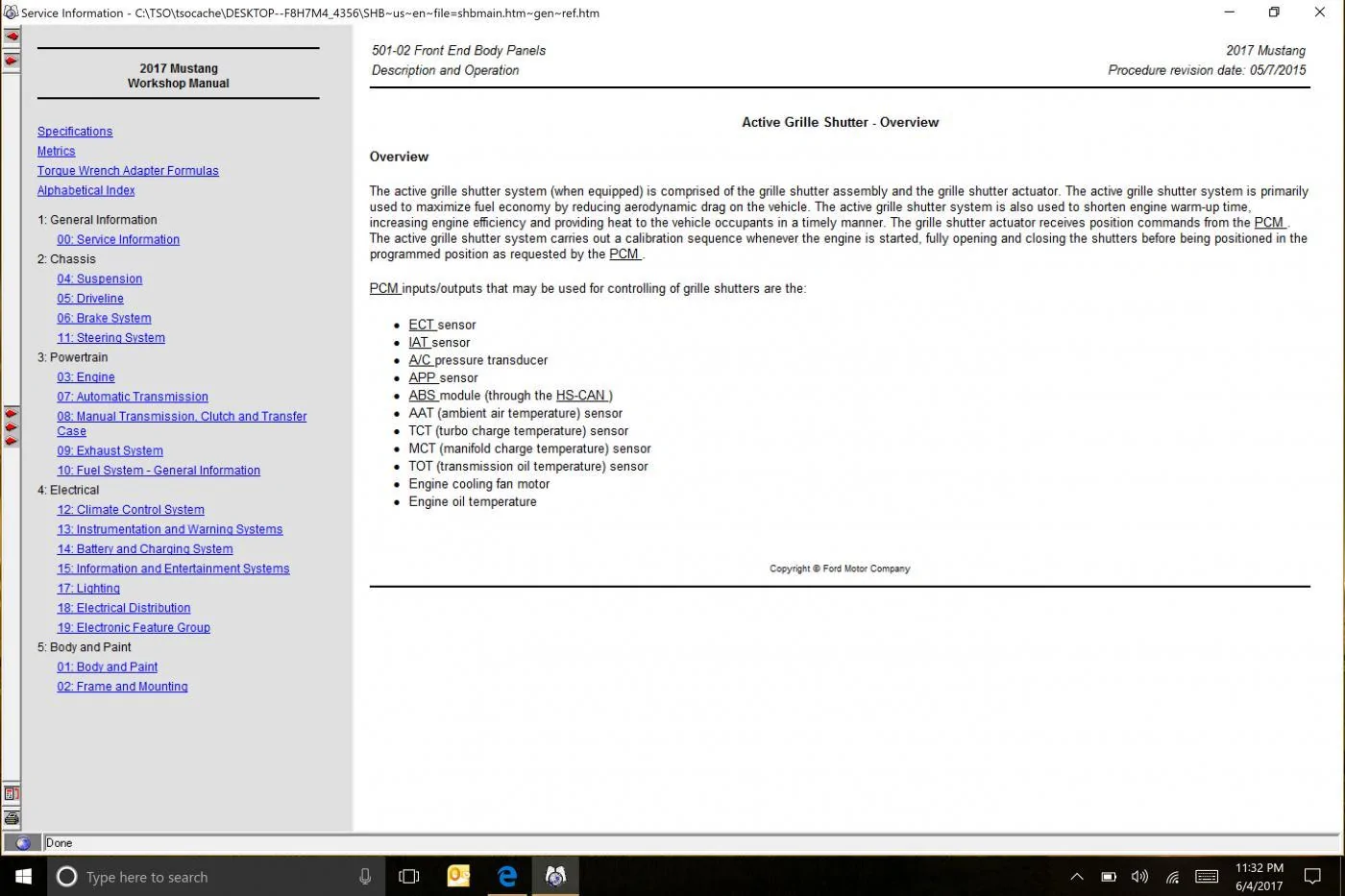
"Fuel economy never used to matter to muscle cars, but the 2015 Ford Mustang is a new breed with features like active grille shutters to boost MPGs. It’s one of many ideas designed to make the new Mustang both more aerodynamic and fuel efficient, a double boon for fans, even if they don’t realize it.
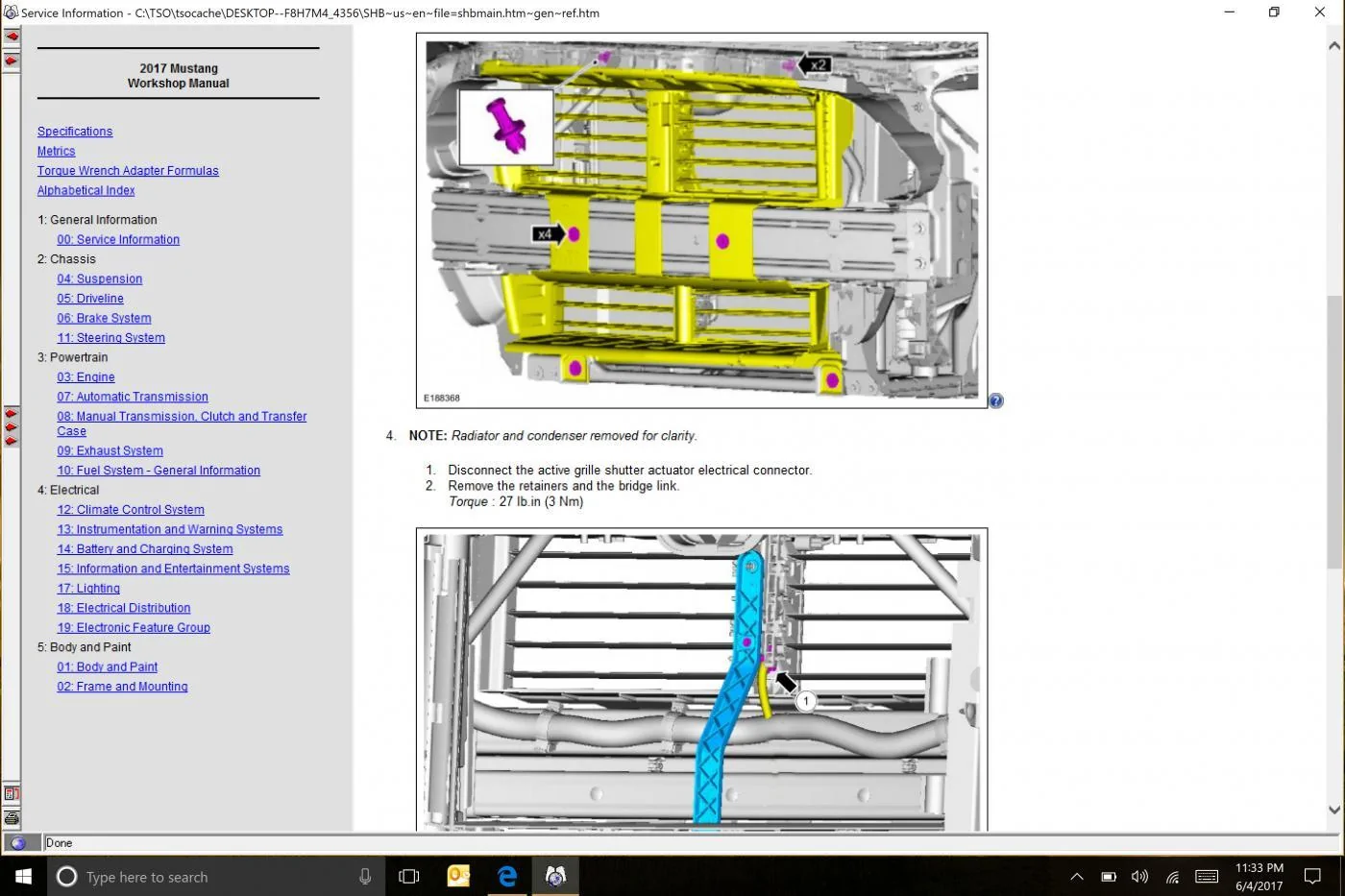
Active grille shutters are becoming quite popular within the industry as a means of improving aerodynamics on models across the lineup. The active grille shutters are especially important for the new 2.3 liter EcoBoost four-cylinder that the 2015 Mustang will debut with. This new engine requires additional cooling and atmospheric pressure because of the turbocharger, but takes up less space under the hood than the bigger V6 and V8 engine options.
This means a lot of open space behind the grille, which can cause a lot of underhood drag, reducing both fuel economy and performance. The active grille shutters allow air in when needed, but close off to increase aerodynamics when cooling demands are met, and will be employed by most Ford models, including the 2015 F-150. Even with these and other improvements though, like new placement for the sideview mirrors and “aero curtains” that draw air away from the wheel wells, Ford managed to make the 2015 Mustang 3% slippier, and about 1% more fuel efficient.
Sounds like a lot of work for small returns, but rumor has it the 2015 Mustang EcoBoost should be good for at least 35 MPG, and all told, a more aerodynamic Mustang also means a faster Mustang. It also leaves plenty of room for improvement from a diesel, hybrid, or even electric-poweredMustang sometime down the road.
It’s a win-win for Mustang fans, who save money and get to go faster thanks to a few new features nobody would have expected on a Mustang just a few years ago."
You would think with todays technology that Manufacturers could make VIN specific manuals.
Here is how I see this happening:
Every part that is put into a car these days pretty much has a bar code and is scan when installed.
That identifies and builds a e-copy of the manual according to a general format (i.e. these parts in these chapters)
At the end of the build you have a manual built for that VIN which can be burnt to a CD which gives the customer to print their own manual or view it from a computer. If you really want to get fancy then you can add a "reader" program to the in-dash system and the individual to look at it in the car.