
Sponsored
1320'
Well-Known Member
- Joined
- Aug 26, 2014
- Threads
- 19
- Messages
- 3,758
- Reaction score
- 1,616
- Location
- Medford,Oregon
- Vehicle(s)
- 2011 Avenger...sadly
It was confirmed the 5.2 does NOT have dry sump or DI.

Grimace427
Well-Known Member
Jamal Hameedi already said there is no dry sump.
From the Q&A:
From the Q&A:
- No dry sump
- No direct injection
- Extra engine displacement is all bore
- Everything from the A pillar forward is different from the GT. In the rear, the rear lower diffuser is different but rear quarter panels are the same.
- Benchmarked against 4 cars: 911 Carrera S (main benchmark), Ferrari California (since it is a front engine FPC), C7, and Z28.
- "It is its own beast." Do not want to equate it as a Boss replacement or GT500.
- How does it compare to the 302 or GT500 on the track? "Not really comparable. Way faster.. an order of magnitude faster"
- About same production numbers as the GT500
1320'
Well-Known Member
- Joined
- Aug 26, 2014
- Threads
- 19
- Messages
- 3,758
- Reaction score
- 1,616
- Location
- Medford,Oregon
- Vehicle(s)
- 2011 Avenger...sadly
The lack of dry sump is an issue, but I'm sure Ford took it into account when they redesigned the engine to avoid oil starvation.Thank you both. That would seem to make it less of a track specific car.
Time will tell

Sponsored
jjw
Well-Known Member
- Joined
- Jun 12, 2013
- Threads
- 5
- Messages
- 498
- Reaction score
- 46
- Location
- upper midwest
- Website
- www.shelbyparts.com
- Vehicle(s)
- '19 PP2, 05 STI 475whp, 04 cayenne turbo, Shelbys
I'm pretty sure they skipped certain features on this car to keep the price reasonable (between B302 and GT500) and production numbers around 4k/year. It seems they were very specific about where they put the $, and didn't waste anything on "trinkets" like CF trim etc. But, that also means they also had to leave out features like dry sump. Its looking pretty apparent that there will be an up-spec'd "R" model that could be more in the Z28 range. Besides the carbon wheels, "cheater slicks", ceramic brakes etc, I would also suspect more CF in general, maybe dry sump, more aggressive exhaust, more aero and a fairly stripped interior. I'd love to see ITB's, but I don't see that happening at this point.
I think this "base" version of the GT350 is going to be a hell of a car at a very aggressive price point that Ford is building to be relatively attainable. It may not crush the competition in every metric, but more importantly I think it will be a fantastic drivers car at a great price.
I'm pretty sure there is a nuttier "track car" not too far behind.
I think this "base" version of the GT350 is going to be a hell of a car at a very aggressive price point that Ford is building to be relatively attainable. It may not crush the competition in every metric, but more importantly I think it will be a fantastic drivers car at a great price.
I'm pretty sure there is a nuttier "track car" not too far behind.
Momentum
Well-Known Member
Ford Racing doesn't install one with the Boss 302R either. But just about every serious competitor installs one. We did after having oil foaming and other issues.
Momentum
Well-Known Member
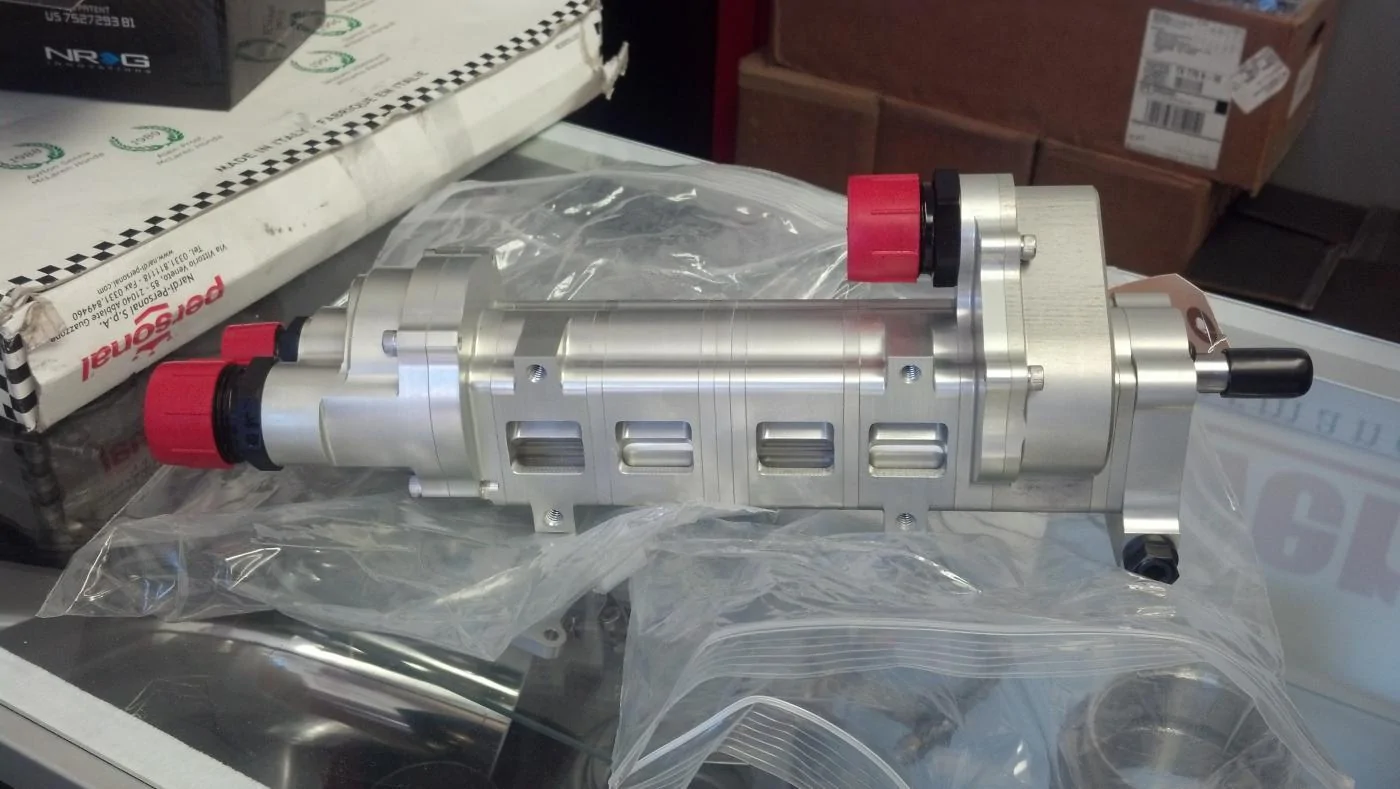
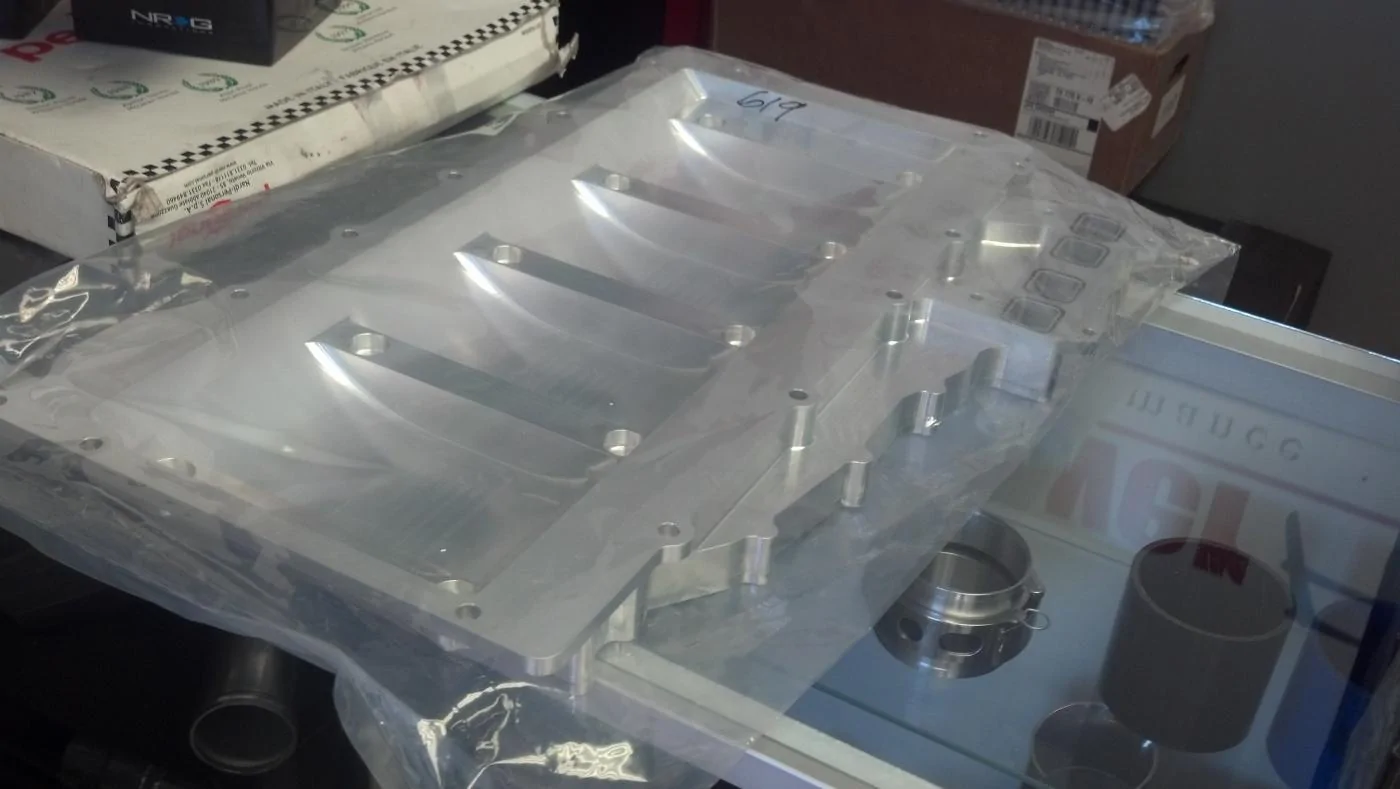
The LS7 in the Z06 and Z28 has what you would describe as a bare minimum type of dry sump oiling system. There is a single scavenge and single pressure pump. The remote oil tank does help prevent starving the pressure pump during high g turns. But most people consider a true high performance dry sump system to have at least 3 scavenge pumps because your sucking a lot of air with the oil when scavenging. Real ones aren't cheap. Here's some pics of the 5 stage system from Daily Engineering I put on my ERL 8.2 liter motor.
My concern is how Ford is going to handle any warrantee issues if you blow your FPC 5.2 while at the track. I am hoping that as long as you're not "racing" as they deem it to be defined, then they will stand behind the warrantee. "Racing" is not only wheel to wheel, but can include any "timed" events too.

My concern is how Ford is going to handle any warrantee issues if you blow your FPC 5.2 while at the track. I am hoping that as long as you're not "racing" as they deem it to be defined, then they will stand behind the warrantee. "Racing" is not only wheel to wheel, but can include any "timed" events too.
Grimace427
Well-Known Member
My concern is how Ford is going to handle any warrantee issues if you blow your FPC 5.2 while at the track. I am hoping that as long as you're not "racing" as they deem it to be defined, then they will stand behind the warrantee. "Racing" is not only wheel to wheel, but can include any "timed" events too.
That is an interesting topic and the way I feel is that this engine being such a new venture for Ford that it will motivate them to be more committed to their warranty. Imagine an FPC engine failing and they don't cover it. The forum and media frenzy would be worse for Ford than simply covering the failure to begin with. This engine will get way too much attention for them to ignore.
Sponsored
Momentum
Well-Known Member
I, personally, am disappointed they didn't go with a dry sump oiling system. When I heard they lowered the front hood line, I was hoping they were also able to lower the cars CG by lowering the motor and installing a dry sump. Ford certainly ran their numbers regarding how many people will truly take this car for serious road tracking vs potential failure rates, etc. They are obviously confident they are producing a great car without a dry sump. I know its apples, oranges and bananas, but Chevy, Porsche, Ferrari, et al use dry sump oiling systems in their high performance track cars. Maybe we will see it in the R.
FStephenMasek
Well-Known Member
- Joined
- Aug 20, 2013
- Threads
- 1
- Messages
- 112
- Reaction score
- 3
- Location
- southern California
- Vehicle(s)
- 2014 Jeep Grand Cherokee Overland V8 '02 M-B c230K
Ford also did not install a faster-shifting automatic or automated manual. Both facts suggest it is more for show on the street than for actual racing.

Jimdohc
Well-Known Member
- Joined
- Sep 28, 2014
- Threads
- 2
- Messages
- 295
- Reaction score
- 4
- Location
- Texas and Japan
- Vehicle(s)
- Silverado and R32 GTR
Baffled oil pan can control oil well.
Windage tray & crank scrapper can help prevent oil foaming.
Probably what they're using to control oil.
Windage tray & crank scrapper can help prevent oil foaming.
Probably what they're using to control oil.

Mazda
Well-Known Member
- Joined
- Nov 16, 2014
- Threads
- 1
- Messages
- 84
- Reaction score
- 1
- Location
- california
- Vehicle(s)
- dumb honda
I was dissapointed also when they said that they didn't include a dry sump oil system, I thought with the lower hood they would have dropped the engine for a better c/g but I guess notI, personally, am disappointed they didn't go with a dry sump oiling system. When I heard they lowered the front hood line, I was hoping they were also able to lower the cars CG by lowering the motor and installing a dry sump. Ford certainly ran their numbers regarding how many people will truly take this car for serious road tracking vs potential failure rates, etc. They are obviously confident they are producing a great car without a dry sump. I know its apples, oranges and bananas, but Chevy, Porsche, Ferrari, et al use dry sump oiling systems in their high performance track cars. Maybe we will see it in the R.
Sponsored
Similar threads


- Replies
- 22
- Views
- 2,546


- Replies
- 32
- Views
- 2,781
