VargasTurboTech
Well-Known Member
- Joined
- Jun 25, 2015
- Threads
- 27
- Messages
- 557
- Reaction score
- 380
- Location
- Hayward, CA
- Vehicle(s)
- Turbo everything
- Thread starter
- #1
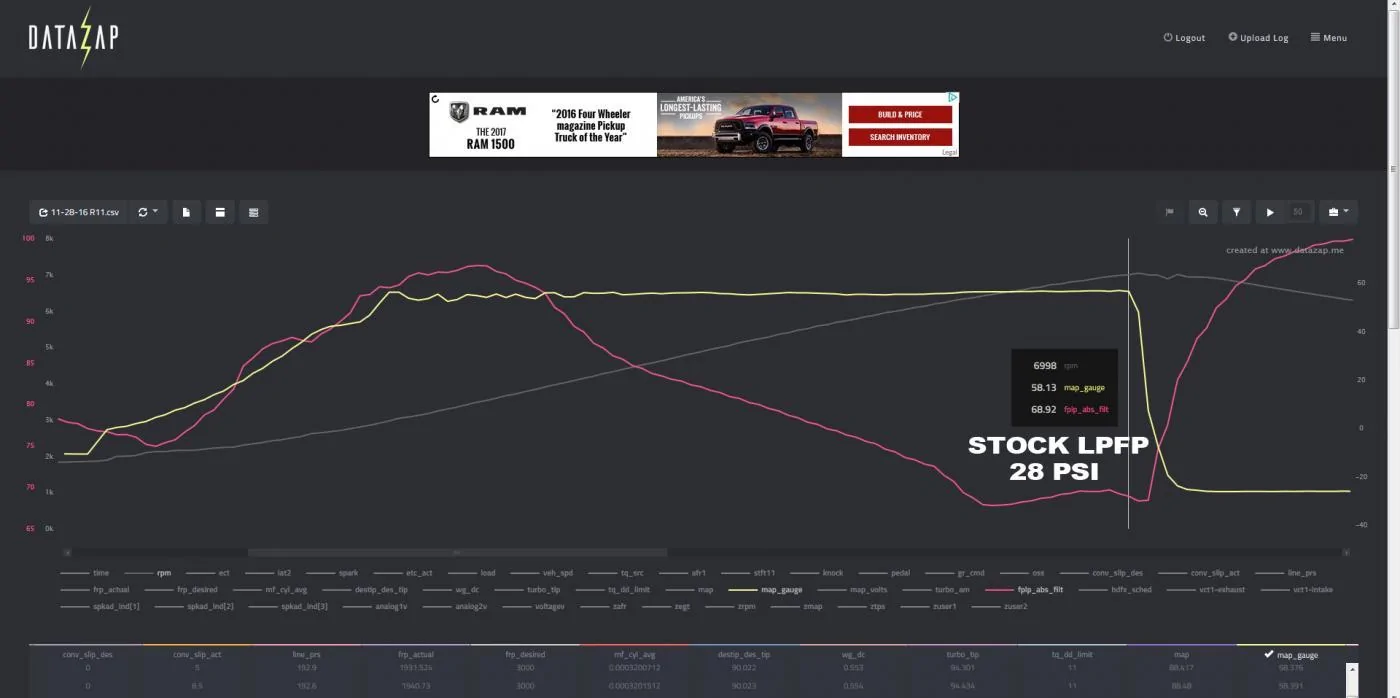
Hey guys! So in our S2 TS testing we were finding the stock LPFP pressure was dropping into the 60's psi wise when it was commanded to stay above 100psi. This is a clear sign of a fuel pump not being up to the task that is being asked of it. Namely supplying enough fuel for 8 injectors, on 100% E85, for over 450WHP.
What this means is, the HPFP is not being provided the fuel pressure its needs to flow the fuel required. This compounds the issue already seen of the HPFP's falling off on the initial TQ hit, and up top. Going to a LPFP upgrade alone wont fix this, but it helps tremendously by keeping fuel pressure stable to everything its feeding.
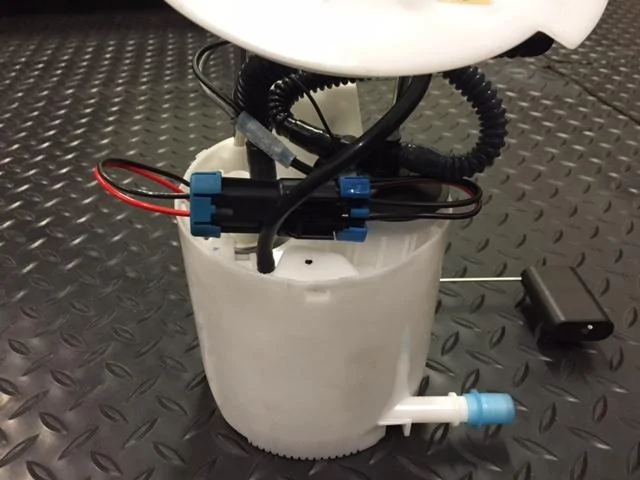
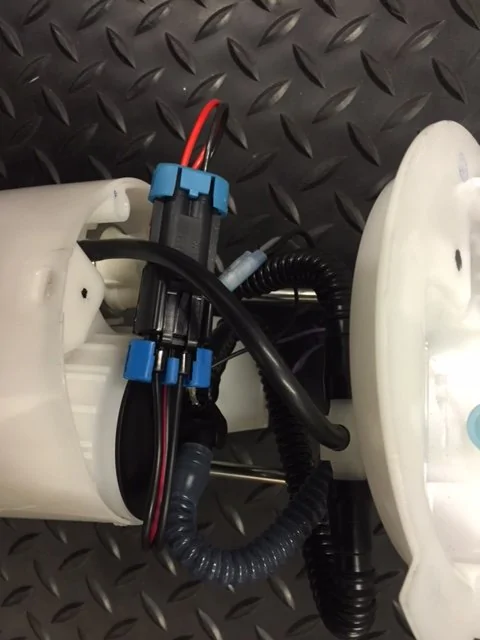
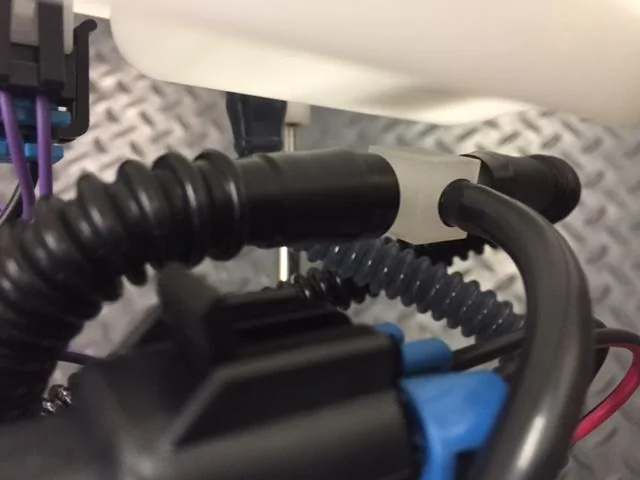
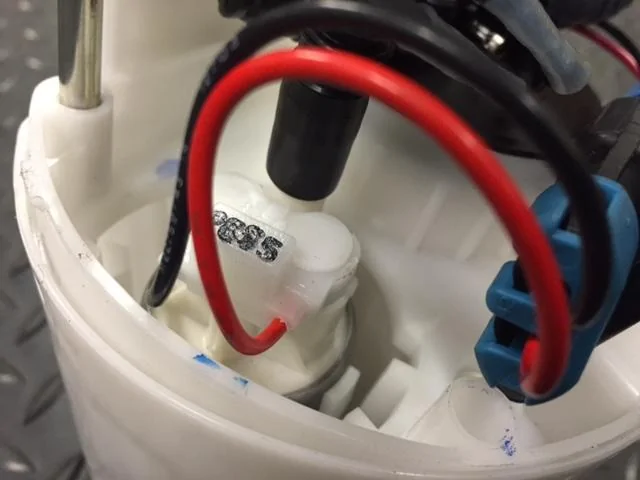
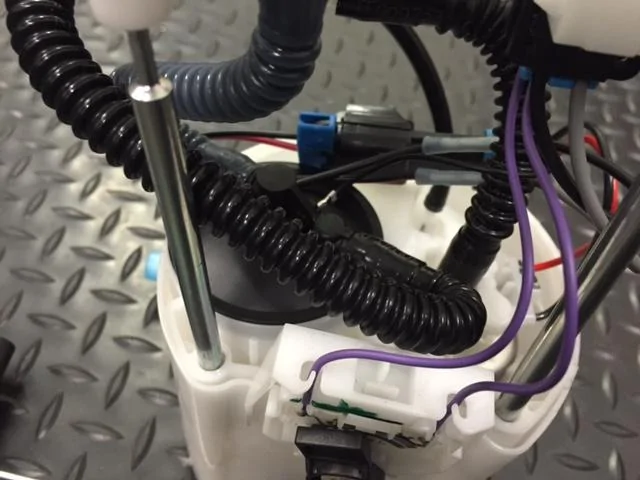
So what exactly is the pump, and why is it better. Good question. What we do is buy brand new factory buckets, and install a brand new 450LPH E85 certified pump into them, using ONLY factory style E85 approve flex tube, NO RUBBER is used anywhere (see attached photos). This is not the average 450LPH you can get for under $100 this is different model with a 140psi pressure relief instead of the normal 90 psi or so. We found the EBM commands so much pressure, it would pop the pressure relief of the standard pump, and you still see pressure drops. With the high relief pump it holds commanded perfectly. We built a flow test bench in house, when building these to test the flow rates of different pumps, we will include results of those tests below.
How hard it is to install? Also a great question. Simple, you can literally swap the bucket in 15 minutes, with a couple hand tools. Since its a factory bucket, you simply pull the old one out, and put the new one in. One hose connection, one plug, done. There are some people out there selling "surge tank" fuel systems for these cars. The first question is why? The factory bucket is a built in surge tank, and hold as much more fuel than aftermarket surge tanks, and does so right in your fuel tank. It also is self filling by using a siphon pump we keep intact when upgrading the pump. This means you never run out of fuel, not on hard cornering, not under hard acceleration.
Whats the price on the pump. Well we have two. The first we call the single shot, and it is a single pump, drop in bucket, the second is twin pumps in the factory bucket. We are still working on that one. details are as follow
Single shot LPFP bucket flows enough for 500-550WHP on 100%: $599
(Available now on the website, about 7 days for shipping.)
Double Shot LPFP bucket flows enough for 700-800WHP on 100% E85 $1199 (not yet available)
If you want to return us your old bucket we will refund you $75, as we will be offering rebuilt buckets at some point.
Both of these will be drop in buckets, the double shot may require line upgrades, etc. We are still working on that one.
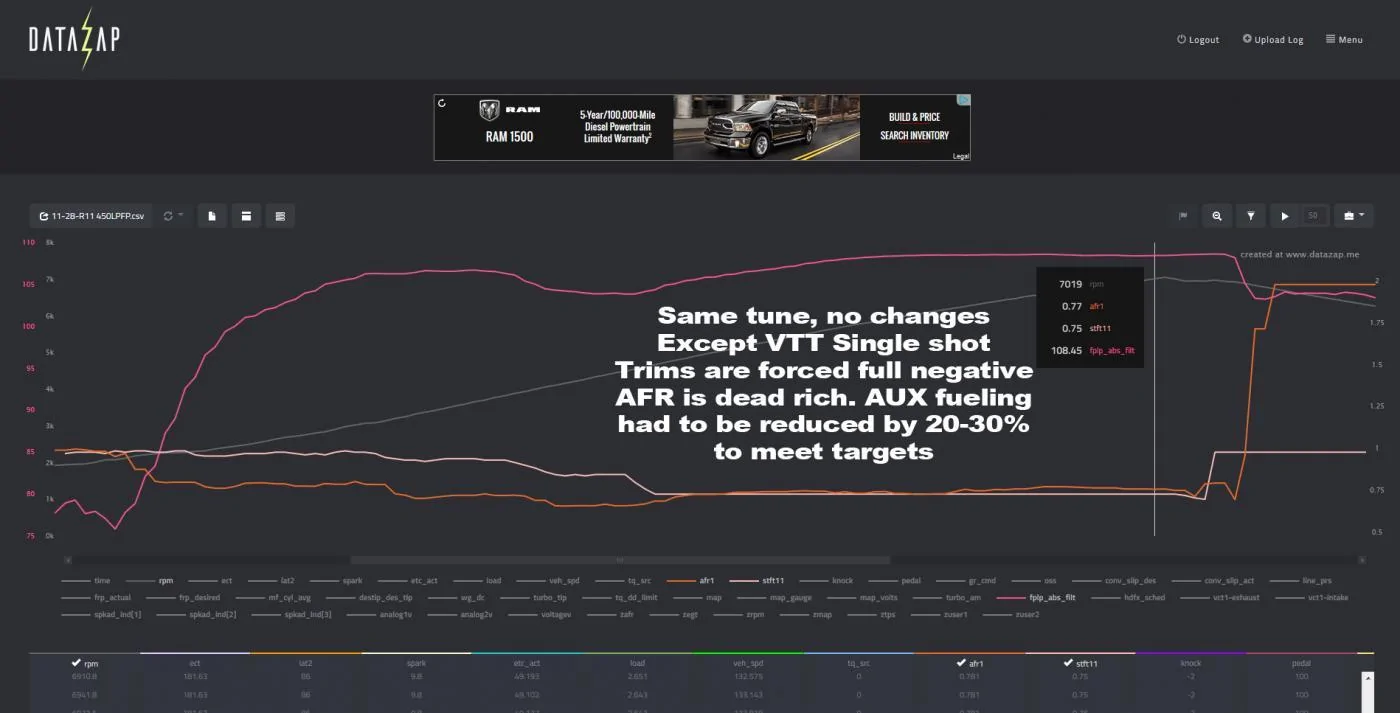
Here are some things we found in the logs, as well as flow rates of the pumps.
Log 1 shoes stock LPFP
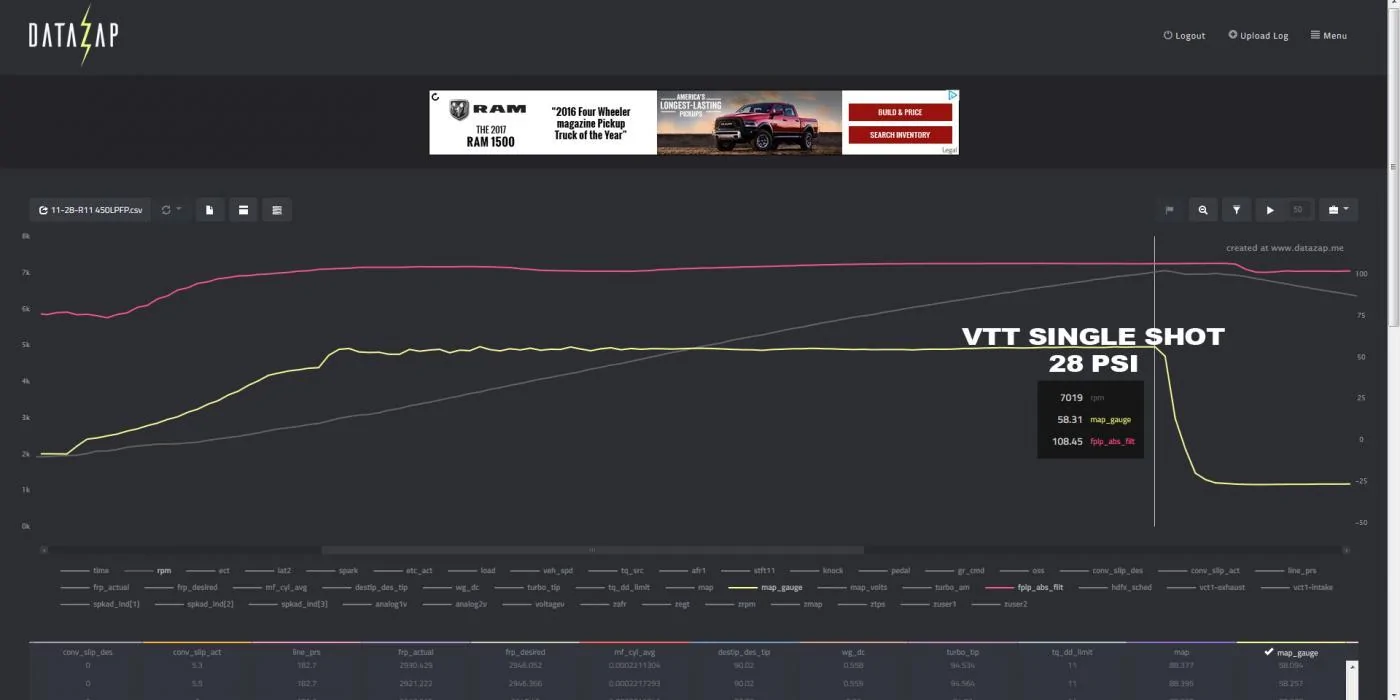
Log 2 same tune back to back but with single shot installed.
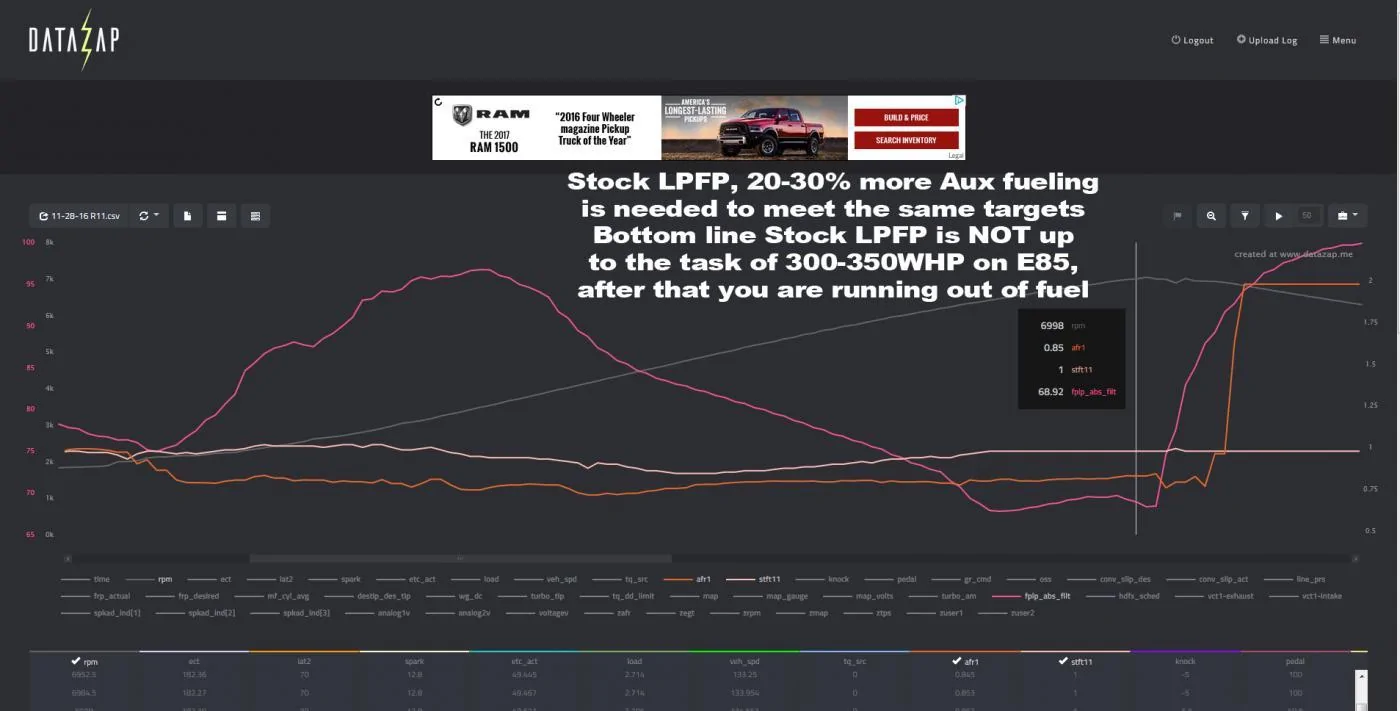
Log 3 is the stock log just with AFR, and trims added. You can see they are fine.
Log 4, NO TUNING CHANGES! The car went DEAD RICH, so bad I had to leave the dyno room cause of the unburned fuel. We had to pull 30% Aux fuel out across the board just to get the trims, and AFR's back in line. That's how much head room the pump is adding. The factory DI system was able to do that much more work without the help of the Aux system. This means a more efficient burn, and better knock reduction.
Lastly we have pump flow numbers. We do 3 tests. A flow test with no pressure, which is what fuel pump manufactures rate their pumps at, we did 60 psi, then 72 psi. Adding pressure to a pump really kills its flow. The stock pump gets very weak at high pressures. We will post The double shot numbers once we finish its testing.
Here are the results.
Stock LPFP:
No pressure [FONT="] 350LPH at 13.5V
60 PSI 240LPH at 13.5V
72 Psi 210LPH at 13.5V
VTT Single Shot:
No Pressure 465LPH at 13.5V 33% more flow than stock
60 PSI 315LPH at 13.5V 30% more flow than stock
72 PSI 300LPH at 13.5V 43% more flow than stock
Here is a decent calculator is you are interesting in gauges LPH requirements for horsepower. Its not perfect, but it gives a ball park.
[/FONT] http://www.raceworks.com.au/calculators/fuel-pump-calculator/


What this means is, the HPFP is not being provided the fuel pressure its needs to flow the fuel required. This compounds the issue already seen of the HPFP's falling off on the initial TQ hit, and up top. Going to a LPFP upgrade alone wont fix this, but it helps tremendously by keeping fuel pressure stable to everything its feeding.
So what exactly is the pump, and why is it better. Good question. What we do is buy brand new factory buckets, and install a brand new 450LPH E85 certified pump into them, using ONLY factory style E85 approve flex tube, NO RUBBER is used anywhere (see attached photos). This is not the average 450LPH you can get for under $100 this is different model with a 140psi pressure relief instead of the normal 90 psi or so. We found the EBM commands so much pressure, it would pop the pressure relief of the standard pump, and you still see pressure drops. With the high relief pump it holds commanded perfectly. We built a flow test bench in house, when building these to test the flow rates of different pumps, we will include results of those tests below.
How hard it is to install? Also a great question. Simple, you can literally swap the bucket in 15 minutes, with a couple hand tools. Since its a factory bucket, you simply pull the old one out, and put the new one in. One hose connection, one plug, done. There are some people out there selling "surge tank" fuel systems for these cars. The first question is why? The factory bucket is a built in surge tank, and hold as much more fuel than aftermarket surge tanks, and does so right in your fuel tank. It also is self filling by using a siphon pump we keep intact when upgrading the pump. This means you never run out of fuel, not on hard cornering, not under hard acceleration.
Whats the price on the pump. Well we have two. The first we call the single shot, and it is a single pump, drop in bucket, the second is twin pumps in the factory bucket. We are still working on that one. details are as follow
Single shot LPFP bucket flows enough for 500-550WHP on 100%: $599
(Available now on the website, about 7 days for shipping.)
Double Shot LPFP bucket flows enough for 700-800WHP on 100% E85 $1199 (not yet available)
If you want to return us your old bucket we will refund you $75, as we will be offering rebuilt buckets at some point.
Both of these will be drop in buckets, the double shot may require line upgrades, etc. We are still working on that one.
Here are some things we found in the logs, as well as flow rates of the pumps.
Log 1 shoes stock LPFP
Log 2 same tune back to back but with single shot installed.
Log 3 is the stock log just with AFR, and trims added. You can see they are fine.
Log 4, NO TUNING CHANGES! The car went DEAD RICH, so bad I had to leave the dyno room cause of the unburned fuel. We had to pull 30% Aux fuel out across the board just to get the trims, and AFR's back in line. That's how much head room the pump is adding. The factory DI system was able to do that much more work without the help of the Aux system. This means a more efficient burn, and better knock reduction.
Lastly we have pump flow numbers. We do 3 tests. A flow test with no pressure, which is what fuel pump manufactures rate their pumps at, we did 60 psi, then 72 psi. Adding pressure to a pump really kills its flow. The stock pump gets very weak at high pressures. We will post The double shot numbers once we finish its testing.
Here are the results.
Stock LPFP:
No pressure [FONT="] 350LPH at 13.5V
60 PSI 240LPH at 13.5V
72 Psi 210LPH at 13.5V
VTT Single Shot:
No Pressure 465LPH at 13.5V 33% more flow than stock
60 PSI 315LPH at 13.5V 30% more flow than stock
72 PSI 300LPH at 13.5V 43% more flow than stock
Here is a decent calculator is you are interesting in gauges LPH requirements for horsepower. Its not perfect, but it gives a ball park.
[/FONT] http://www.raceworks.com.au/calculators/fuel-pump-calculator/
Sponsored