Sponsored

Tire pressure sensing valves

klumpikat

Chick driver
Joined
Jan 11, 2015
Threads
124
Messages
3,154
Reaction score
1,481
Location
La Jolla, CA
First Name
Liz
Vehicle(s)
2015 GT Premium, 2023 Mach 1 Premium
So I bought a couple sets of funky tire valve caps.
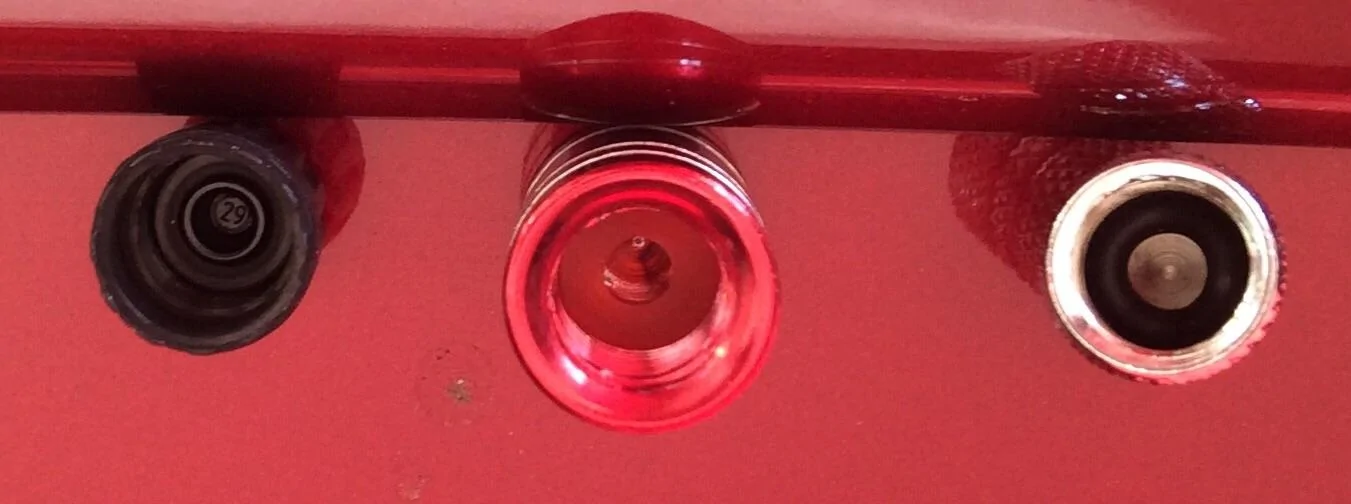
The first one pictured, of course, is stock.
The second one is your basic cylindrical shape, very lightweight, may also be plastic.
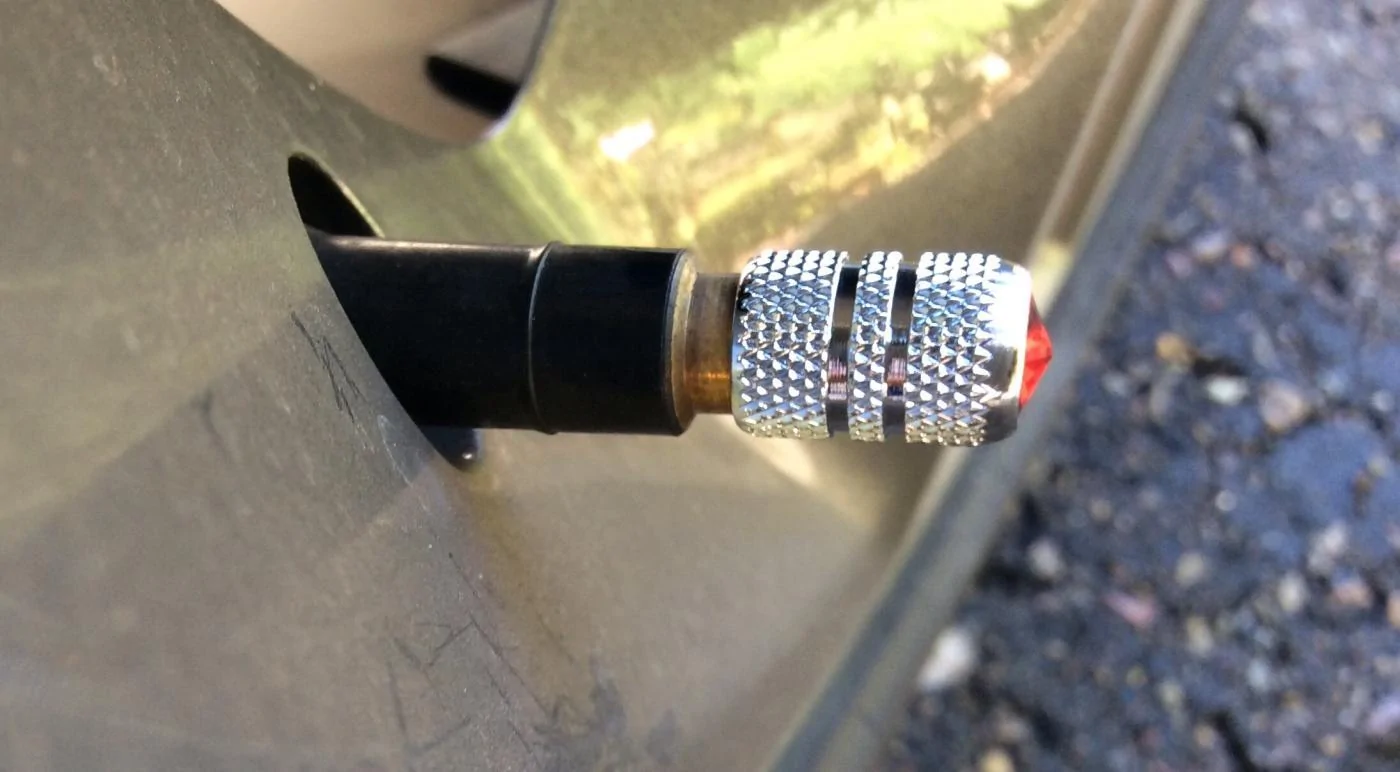
The third one is chrome with ruby tip (my fave, natch) but, unbeknownst to me until receiving the package, came with the warning: "Not for use on pressure sensing valves."

Can someone please explain why the manufacturer would state this? If it helps, the third one appears to have a rubber o-ring inside, which several people complained about on amazon can cause air to escape, but that was regarding a completely different design (skulls :)). I think this may be a separate issue, however.

Please pardon my ignorance on the matter. Thank you!
.
image.webp
Sponsored


Zodiac

Sarcasm Personified
Joined
May 13, 2015
Threads
20
Messages
1,824
Reaction score
585
Location
Cary, NC
Vehicle(s)
2017 Charger R/T Scat Pack
I'm assuming because TPMS valve stems are slightly longer and you will probably have some exposed threads. I don't think it will be an issue, screw it on and see.

Found this info too on the web, not sure how accurate, as I've never had any issues before.

Another issue with TPMS valve stems, according to Whitt, is that some aftermarket valve stem caps are made of brass or have thread inserts that are made of brass. This sets up a natural corrosion between the aluminum valve stem of the TPMS sensor unit and the brass threads of the valve stem cap.

Whitt and Schrader also recommend using new grommets, nuts, plastic or nickel-plated valve caps and electroless, nickel-plated valve cores when performing any tire service. “You should never use a brass valve core or unplated brass cap with an aluminum TPMS sensor stem,” Whitt said.

“Contact between dissimilar metals can cause galvanic corrosion, which can lead to loss of air pressure and potential damage to the valve stem. That will warrant replacing the sensor.

“The corrosion can cause them to fuse together, becoming difficult to remove by hand,” said Whitt. “Then, when force is used to remove the valve stem cap, the aluminum valve stem of the wheel sensor unit will break off and the TPMS wheel unit will need to be replaced.”
 
OP
OP
klumpikat

klumpikat

Chick driver
Joined
Jan 11, 2015
Threads
124
Messages
3,154
Reaction score
1,481
Location
La Jolla, CA
First Name
Liz
Vehicle(s)
2015 GT Premium, 2023 Mach 1 Premium
It is screwed on all the way.
image.webp
 
OP
OP
klumpikat

klumpikat

Chick driver
Joined
Jan 11, 2015
Threads
124
Messages
3,154
Reaction score
1,481
Location
La Jolla, CA
First Name
Liz
Vehicle(s)
2015 GT Premium, 2023 Mach 1 Premium
Huh. Interesting...

I figured they would fly off at some point before ever having a chance to fuse ;)
 

MikeD1

Well-Known Member
Joined
Sep 26, 2015
Threads
18
Messages
1,170
Reaction score
295
Location
Central FL
Vehicle(s)
2016 Challenger Hellcat
I'm assuming because TPMS valve stems are slightly longer and you will probably have some exposed threads. I don't think it will be an issue, screw it on and see.

Found this info too on the web, not sure how accurate, as I've never had any issues before.

Another issue with TPMS valve stems, according to Whitt, is that some aftermarket valve stem caps are made of brass or have thread inserts that are made of brass. This sets up a natural corrosion between the aluminum valve stem of the TPMS sensor unit and the brass threads of the valve stem cap.

Whitt and Schrader also recommend using new grommets, nuts, plastic or nickel-plated valve caps and electroless, nickel-plated valve cores when performing any tire service. “You should never use a brass valve core or unplated brass cap with an aluminum TPMS sensor stem,” Whitt said.

“Contact between dissimilar metals can cause galvanic corrosion, which can lead to loss of air pressure and potential damage to the valve stem. That will warrant replacing the sensor.

“The corrosion can cause them to fuse together, becoming difficult to remove by hand,” said Whitt. “Then, when force is used to remove the valve stem cap, the aluminum valve stem of the wheel sensor unit will break off and the TPMS wheel unit will need to be replaced.”
It's a common & known issue - you can't mix many metals without causing galvanic corrosion to set in. It's why you can't mix galvanized & copper plumbing pipes or copper & AI wiring in a house.

Valve stem/cap fusing has been an issue now for years, and those living in a corrosive environment (i.e. up north where there are road salts/chemicals used to melt ice or near the ocean exposed to sea fog or salt water spray) are especially prone to the problem.

If you are not in any of those environments, you're probably safe. But to be sure, I'd check them monthly (at least for a while, then quarterly) to make sure corrosion is not setting in !
 

Sponsored

GT Pony

Well-Known Member
Joined
Mar 13, 2015
Threads
77
Messages
9,402
Reaction score
4,839
Location
Pacific NW
Vehicle(s)
2015 GT Premium, Black w/Saddle, 19s, NAV
The third one is chrome with ruby tip (my fave, natch) but, unbeknownst to me until receiving the package, came with the warning: "Not for use on pressure sensing valves."
The 3rd one looks to be made of aluminum (post #3). Hard to say if they are plated or anodized. The warning statement is somewhat nebulous because all rubber valve stems have brass or bronze threads.

Here's a metal compatibility chart. Brass/bronze has an AI = 0.40 and aluminum has an AI = 0.75 for a difference of 0.35, which is a little higher than the limit for "normal environments". Since you're in CA, I'd think you'll be fine using these ... just check them once and awhile.

http://engineersedge.com/galvanic_capatability.htm


Top