
Sponsored

19 vs 20 wheels for traction

Grintch

Well-Known Member
Joined
Nov 7, 2014
Threads
15
Messages
1,920
Reaction score
823
Location
Hunstville
Vehicle(s)
2015 GT PP

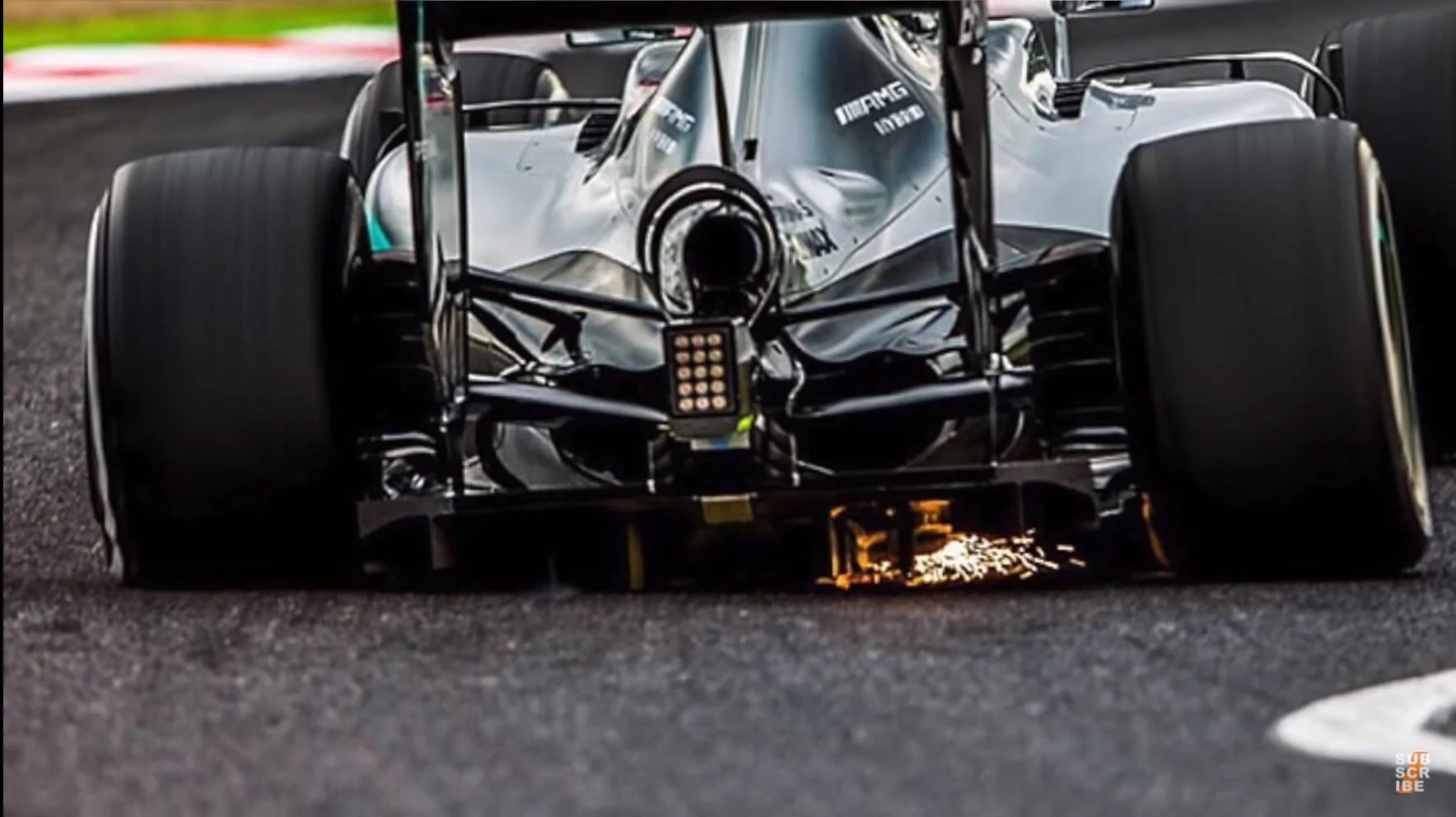
Look at what GT cars race on, or F1 cars, and Indy Cars. 18's, 13,'s, 15's. Basically you can't get race slicks in 20" sizes. Seems odd given everyone thinks they are better. While there are benefits to smaller side walls, there are cons as well. Too thin is as bad as too thick.

If someone really thinks bigger diameters are always better. I will be happy to race your Donk with 24" wheels with my SRF with 13" wheels.

Big wheels are all about fashion, not function. But as someone already said, the specific tire construction and compounds matter a lot more than what is stamped on the sidewall. All season tires will get outrun by R compounds pretty much regardless of the size.
Sponsored

 
Last edited:
WildHorse

N/A or GO HOME
Joined
Jun 28, 2017
Threads
270
Messages
10,297
Reaction score
8,350
Location
Home World: CLASSIFIED
First Name
Puddintane
Vehicle(s)
'17 S550
Vehicle Showcase
1
Oh yah ? Notice all that roll on the left tire, & how the cross section of the tire are wider that the rim. These sidewalls are intentional made very thin, and to flex. As again if you look at the left tire, it's entire contact patch is on the road. You'd never get that with ultra stiff sidewalls, nor will you get better cornering speeds with ultra stiff sidewalls.

The sidewall is much thinner, and made purely of rubber. It's built to flex under high load. The contact patch is the part that actually touches the road, so it needs to be tough enough to handle impacts (but not so tough that it can't flex at all). It has thin steel bands throughout.

Lets make tall sidewalls great again.

make big sidewalls great again.jpg
 

Littleredd

Well-Known Member
Joined
Nov 8, 2020
Threads
7
Messages
101
Reaction score
151
Location
Las Vegas, NV
First Name
Casey
Vehicle(s)
2020 Mustang GT W/PP2
My only qualifications here is I'm an avid F1 fan...

F1 tires run on 13" rims and are an integral part of their suspension systems. The tires are responsible for about ~50% of the suspension travel (please don't quote me on that number, but it is significant) when cornering. That's why the F1 cars are so sensitive to pressure changes and why all the teams struggle when Pirelli mandates minimum tire pressures for reliability reasons. It changes how they have to set up the car to get cornering grip and that has huge effects on degradation. It's also why F1 is the last to still run such high profile tires despite the rest of the world moving on. The teams have decades worth of experience optimizing the tire/torsion bar suspension combo and the change to larger rim/lower profile tires (18" rims in 2021, finally) is going to require a rethink of the systems and have a learning curve.

I can't wait to see how they cope with the new dimensions next year and in 2022 with the big "formula" change.
 

Grintch

Well-Known Member
Joined
Nov 7, 2014
Threads
15
Messages
1,920
Reaction score
823
Location
Hunstville
Vehicle(s)
2015 GT PP
Notice F1 aren't going to 20's or 22's or 28's? Why not if bigger is better? If they do it, they have been talking about making the change for a while. And quite a bit of the talk has been about fashion/looks.

I agree that the F1 suspension will need a complete revamp if they go to bigger wheels. The good news is the brake guys will now have a lot more room to build a better system with better cooling. The one clear performance advantage of bigger wheels. And why road racing cars tend to use bigger wheels than other forms of racing (bigger brakes are of no help to drag cars, rally cars, etc.).

But I think the OP was asking about drag type traction. So look at top flight drag cars. Smallish wheel diameters (16" for top fuel), and BIG sidewalls.

So to review:
Drag cars use smaller (<<20") wheels.
Road race cars use smaller wheels.
Oval track cars use smaller wheels.
Rally (dirt) cars use smaller wheels (we haven't talked about them, but feel free to look it up).

So guess which has better traction...

But if you like 20's better, go ahead and buy them. Just quit claiming it was because of their superior performance.

P.S. I just bought a set a smaller than stock wheels for my Focus ST to use in GS class autocrossing. Went from the stock 18"s to 17's. Like all the prior 4 championship winning Focus ST's did. But naturally after I bought a ST, the updated Civic Si started dominating the class.
 
Last edited:

WildHorse

N/A or GO HOME
Joined
Jun 28, 2017
Threads
270
Messages
10,297
Reaction score
8,350
Location
Home World: CLASSIFIED
First Name
Puddintane
Vehicle(s)
'17 S550
Vehicle Showcase
1
They all work on the same principle, physics. Typical cornering F1 car 790 kg weight * 4-6 g's = 3160 kg - 4740 kg of force. GT500 1905 kg * 1.1 g's = 2096 kg of force. BTW, there's nothing terribly special about F1 tires other than the bead & tread compound, and typically run at 15 psi.
Sponsored

 
Last edited:


Top