Try this link: http://www.colorhexa.com/ffff00
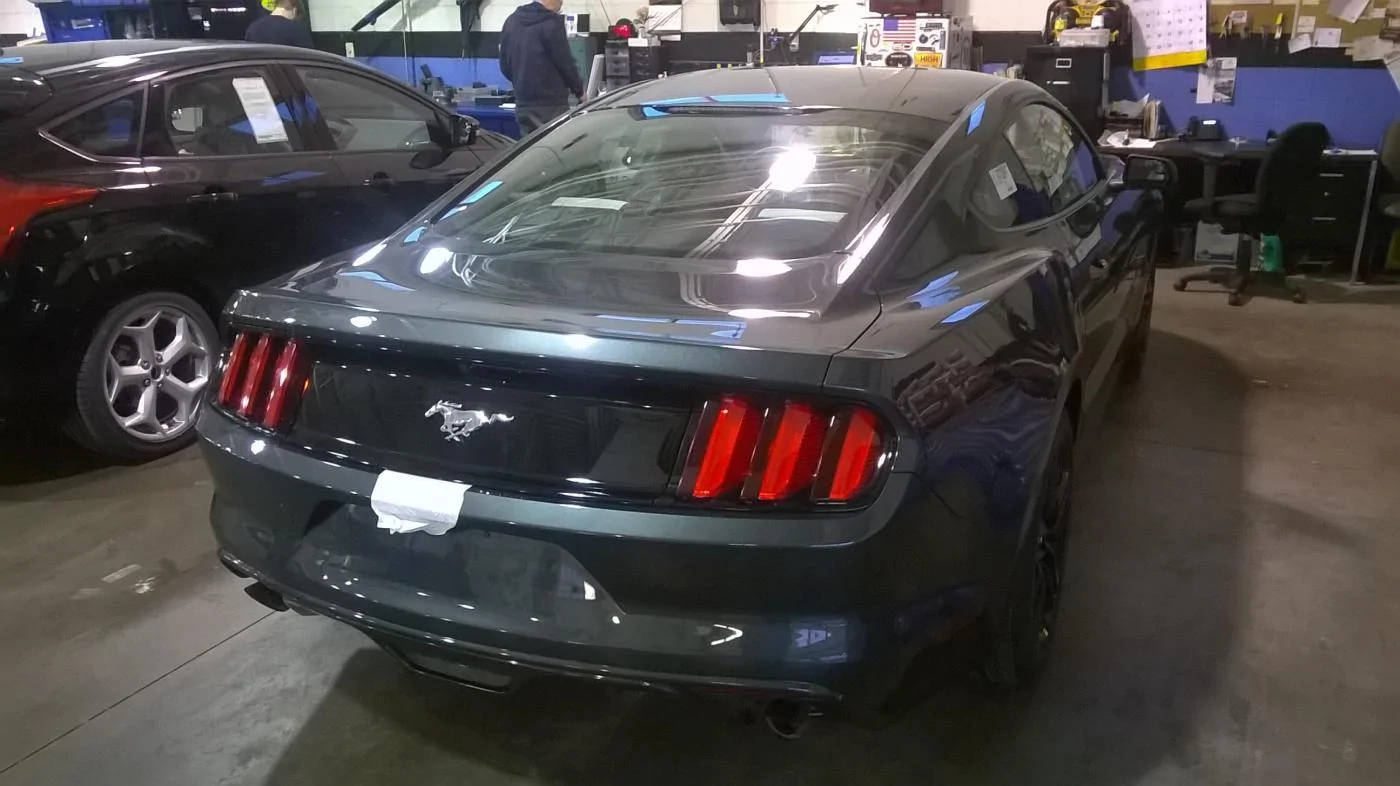
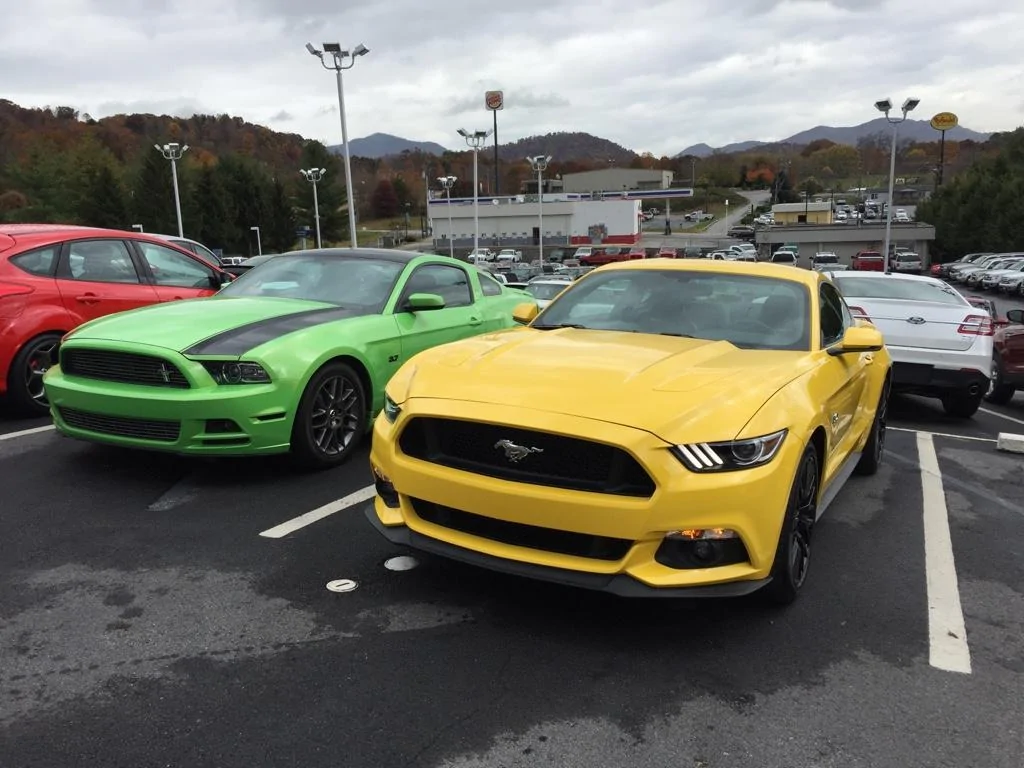
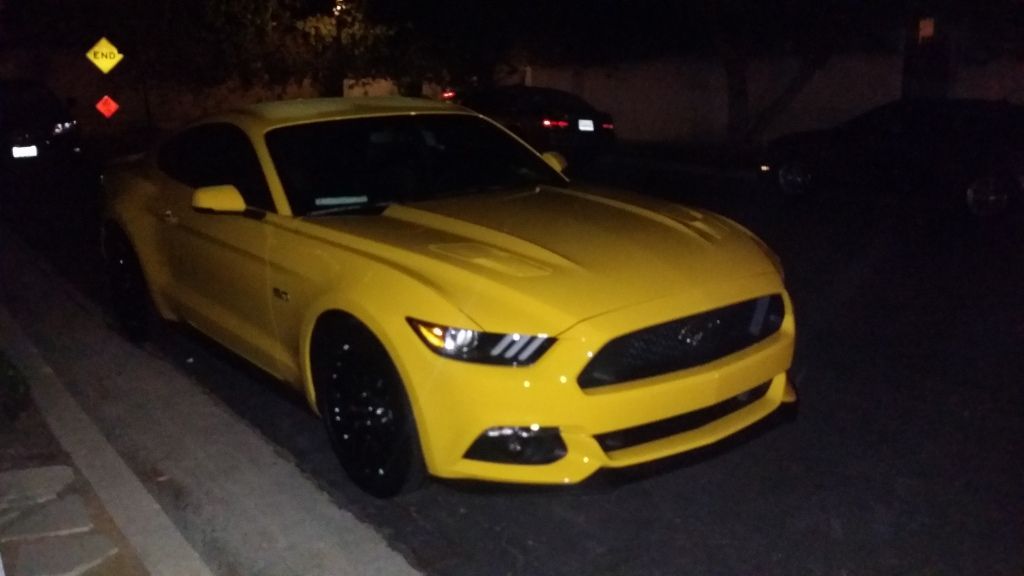
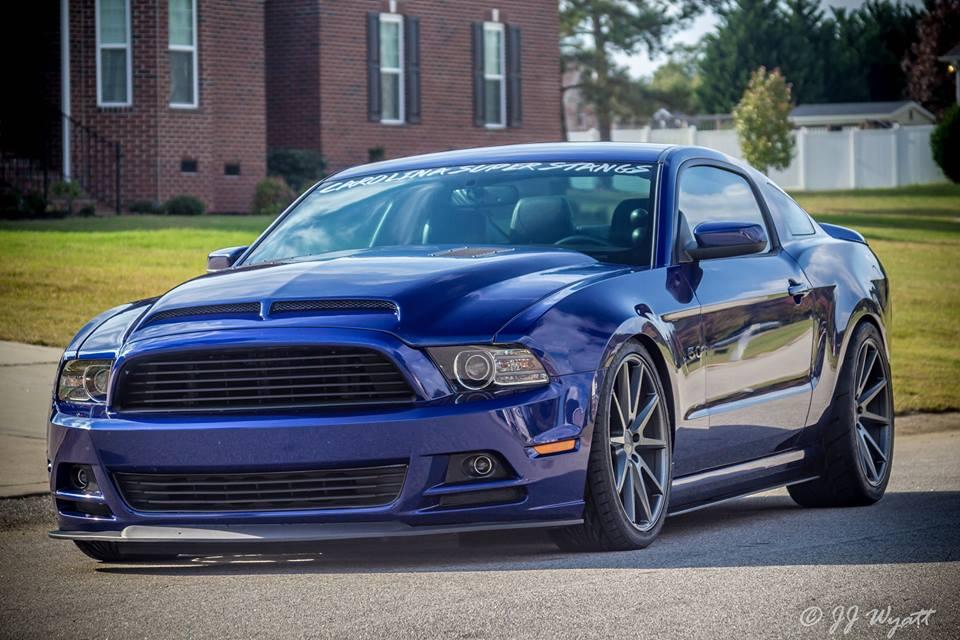
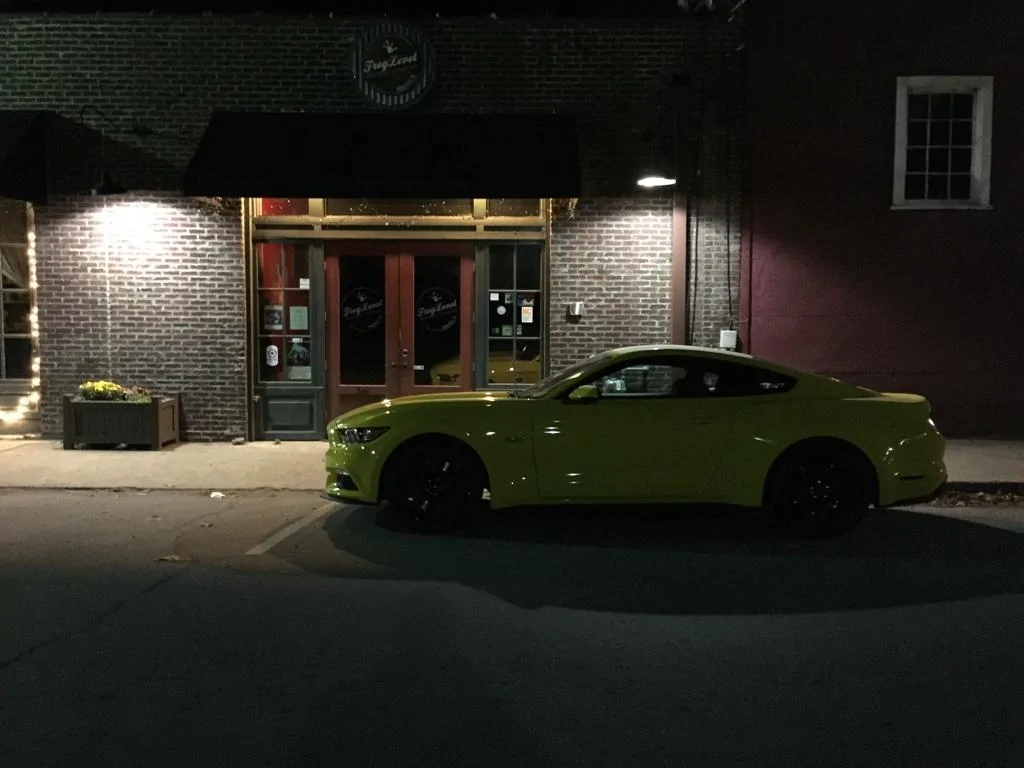
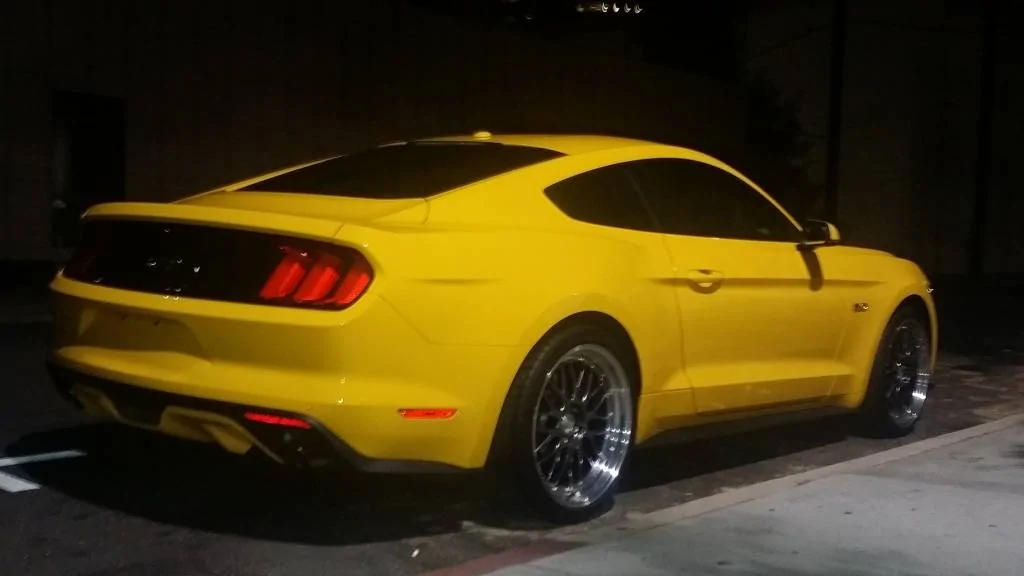
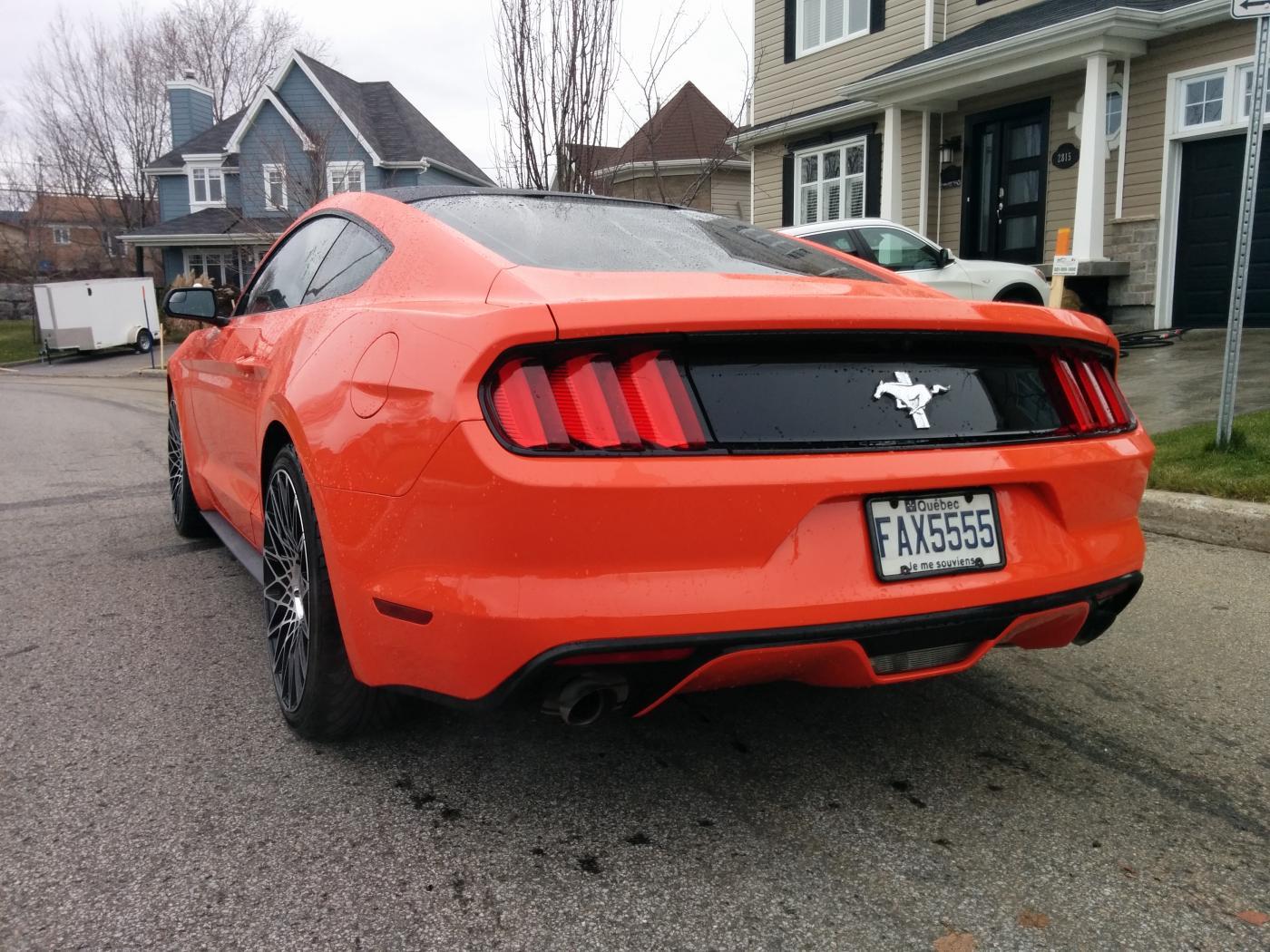
You'll see that the Yellow card will appear different shades, due to the surrounding color(s). This is one of the effects we see in the images that are being posted.
The other main issue is the dynamic range of the camera vs the human eye; in short the human eye has over twice the ability to process dynamic range vs a "good" dlsr.
Ever take a picture and the background is way too bright or the persons face is blown(too Bright), but the other part of the picture looks right? Thats because the camera cannot compensate for the shadows and highlights like your eyes can. This is why photographers use lighting technics during the daytime, it's not because we need more light, we need EVEN light.
Tripple Coat Yellow is super bright, the sensors fight trying to adjust it to the background to give you the best "even" image it can. The problem is normally due to the dynamic range being to broad. That's also why you will see "pale" images of the yellow or spots of white, the images are "blown" due to the intense brightness of the color, especially with the sun beating down on it.
Another issue is white balance. In daylight, it isn't that much of an issue, but when we see images in show rooms, streetlights or under lighted awnings, those florescent or tungsten lights create a different hue, even more difficult is a mix of any of those combinations. The external light source may through a blue cast, on a yellow car, making a greenish tint... It's like kindergarden all over!
Hope this helps! Per the chart, I'm calling it as close to #ffff00 as you can get!
REF: CambridgeinColor
"The human eye can actually perceive a greater dynamic range than is ordinarily possible with a camera. If we were to consider situations where our pupil opens and closes for varying light, our eyes can see over a range of nearly 24 f-stops.
On the other hand, for accurate comparisons with a single photo (at constant aperture, shutter and ISO), we can only consider the instantaneous dynamic range (where our pupil opening is unchanged). This would be similar to looking at one region within a scene, letting our eyes adjust, and not looking anywhere else. For this scenario there is much disagreement, because our eye's sensitivity and dynamic range actually change depending on brightness and contrast. Most estimate anywhere from 10-14 f-stops.
The problem with these numbers is that our eyes are extremely adaptable. For situations of extreme low-light star viewing (where our eyes have adjusted to use rod cells for night vision), our eyes approach even higher instantaneous dynamic ranges (see tutorial on "Color Perception of the Human Eye")."
You'll see that the Yellow card will appear different shades, due to the surrounding color(s). This is one of the effects we see in the images that are being posted.
The other main issue is the dynamic range of the camera vs the human eye; in short the human eye has over twice the ability to process dynamic range vs a "good" dlsr.
Ever take a picture and the background is way too bright or the persons face is blown(too Bright), but the other part of the picture looks right? Thats because the camera cannot compensate for the shadows and highlights like your eyes can. This is why photographers use lighting technics during the daytime, it's not because we need more light, we need EVEN light.
Tripple Coat Yellow is super bright, the sensors fight trying to adjust it to the background to give you the best "even" image it can. The problem is normally due to the dynamic range being to broad. That's also why you will see "pale" images of the yellow or spots of white, the images are "blown" due to the intense brightness of the color, especially with the sun beating down on it.
Another issue is white balance. In daylight, it isn't that much of an issue, but when we see images in show rooms, streetlights or under lighted awnings, those florescent or tungsten lights create a different hue, even more difficult is a mix of any of those combinations. The external light source may through a blue cast, on a yellow car, making a greenish tint... It's like kindergarden all over!
Hope this helps! Per the chart, I'm calling it as close to #ffff00 as you can get!
REF: CambridgeinColor
"The human eye can actually perceive a greater dynamic range than is ordinarily possible with a camera. If we were to consider situations where our pupil opens and closes for varying light, our eyes can see over a range of nearly 24 f-stops.
On the other hand, for accurate comparisons with a single photo (at constant aperture, shutter and ISO), we can only consider the instantaneous dynamic range (where our pupil opening is unchanged). This would be similar to looking at one region within a scene, letting our eyes adjust, and not looking anywhere else. For this scenario there is much disagreement, because our eye's sensitivity and dynamic range actually change depending on brightness and contrast. Most estimate anywhere from 10-14 f-stops.
The problem with these numbers is that our eyes are extremely adaptable. For situations of extreme low-light star viewing (where our eyes have adjusted to use rod cells for night vision), our eyes approach even higher instantaneous dynamic ranges (see tutorial on "Color Perception of the Human Eye")."
Sponsored









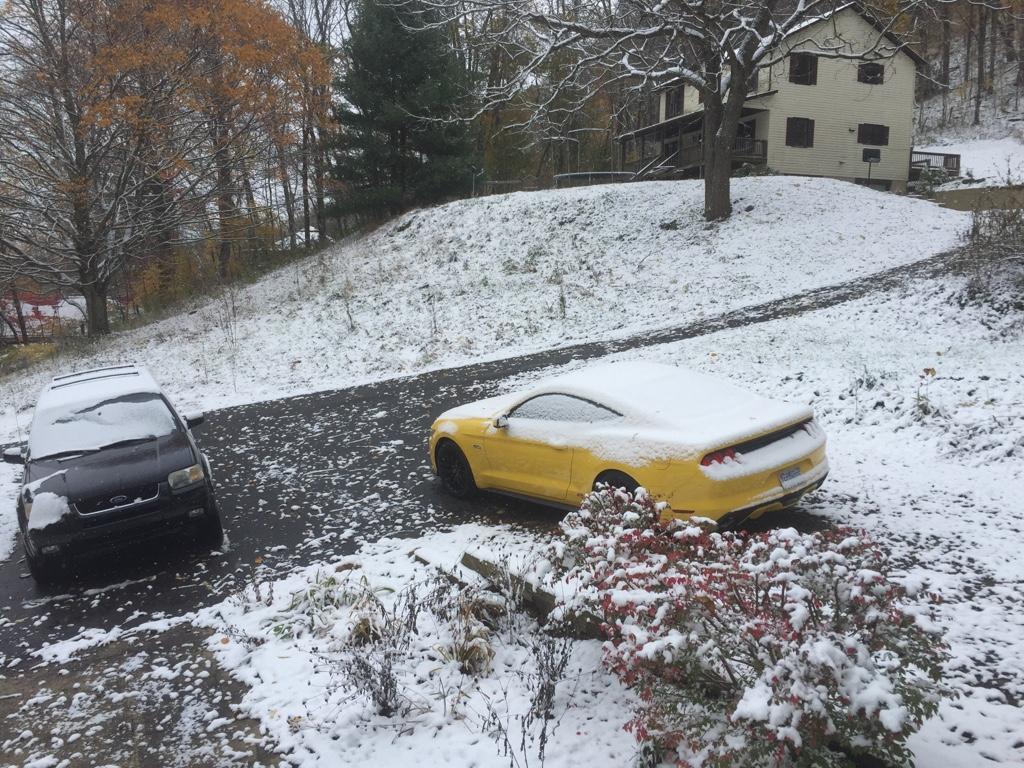
 This is so unusual for us. I can't think of a time I've ever seen snow here at Halloween. At worst it's rainy and 50. But, my thermometer showed 24 at 2AM.